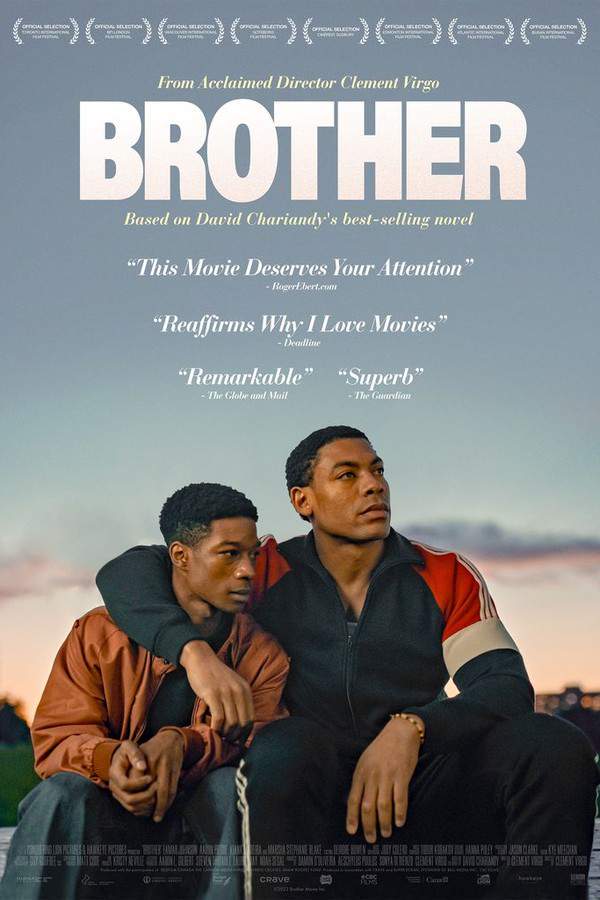
After a wild night at the pub, twenty-year-old Sharon Curley finds herself pregnant by a man she loathes, and she refuses to name the father. This decision set off a sprawling family drama that pulls in her three brothers, two sisters, and her parents, alongside their employers and a close circle of friends. The film follows Sharon’s journey as the news sends ripples through the small world around them, testing loyalties, revealing hidden tensions, and exposing who really has her back when the pressure is at its peak.
The portrayal of Sharon is written with a blunt, earthy honesty that still carries a surprising level of practicality. Her friends and neighbors respond in kind, with teasing, whispered remarks, and a few sly comments aimed at her siblings as the gossip mill churns relentlessly. Through it all, Sharon’s resolve remains clear: she intends to keep the baby, and one by one, her family begins to weigh their own roles in supporting her.
[Des Curley], Sharon's father, is a central figure whose emotions play across his face—from outward outrage at the perceived embarrassment to a tender, protective concern as the due date approaches. The family dynamic becomes a room-wide drama as they navigate shared space, most notably the battle for the single bathroom that becomes a quiet symbol of who gets access to care, privacy, and comfort in a moment that is both intimate and intensely public.
The eight-member household is forced to reckon with its own limits as distant relatives, neighbors, and colleagues weigh in, and the pressure builds toward a potential point of resolution. Throughout the turmoil, there’s a sense of collective instinct kicking in: some relatives step forward to defend Sharon, others are rattled by the gossip, and a few observers push for quick, punitive judgments. The tension intensifies until the truth about the baby’s father finally comes to light: George Burgess, the father of Sharon’s friend Yvonne, had a drunken encounter with Sharon that led to the pregnancy. This revelation reframes the conflict and points the way toward a possible healing path.
As the story unfolds, the arrival of the baby becomes more than just a new life entering the world; it acts as a catalyst for honesty, forgiveness, and a reordering of loyalties within the family and their circle. It offers the Curleys a chance to redefine their priorities, come to terms with the consequences of their past actions, and consider what it means to support one another when the world seems to be watching. In the end, the film suggests that family, even when imperfect, can provide a steady anchor when facing a future that’s uncertain but filled with the possibility of renewal.