Plot Explained Spoilers guaranteed!
Plot Explained

Browse by genre

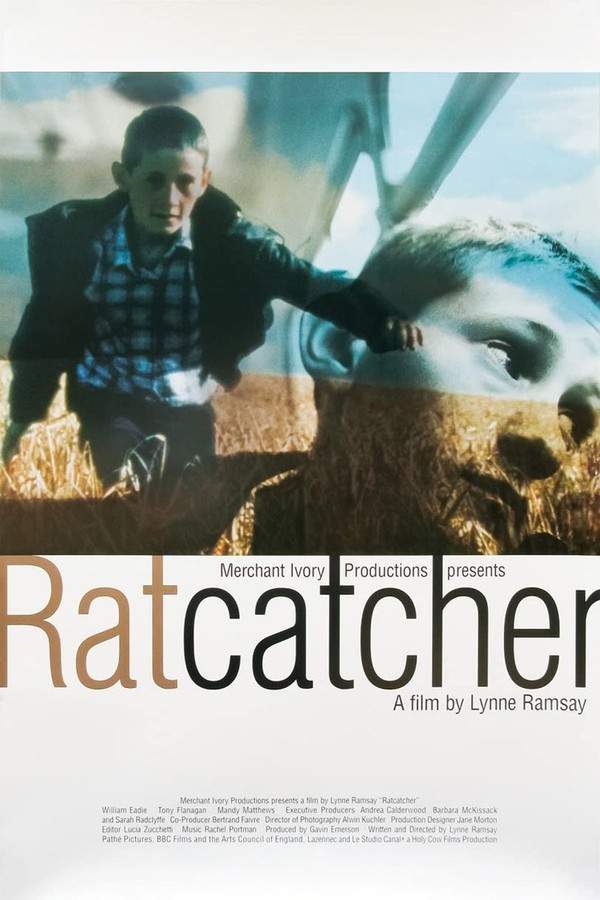
Ratcatcher (2000) movie poster

Plot Summary

Ratcatcher (2000) Plot Summary Explained

Release, runtime and language
2000 · 94 min · English
JustWatch #853 38
Directed by
Lynne Ramsay

Living in a Glasgow undergoing significant change, twelve-year-old James feels disconnected from his family and burdened by a troubling secret. He finds a sense of belonging by the canal, where he develops an unexpected friendship with Margaret Anne and Kenny. Together, they navigate the challenges of their environment and search for connection in a world that often feels isolating and difficult.

On this page (6)
  1. 1 Where to watch
  2. 2 What happens: full plot
  3. 3 Plot questions answered
  4. 4 Movie threads
  5. 5 Movies like Ratcatcher
  6. 6 Every angle

Where to watch

Where to Watch Ratcatcher (2000)

Where can you watch Ratcatcher? Stream, rent or buy it in the US, including on HBO Max and Fandango At Home: current JustWatch availability with up-to-date prices.

Streaming availability powered by JustWatch

Full plot summary · contains spoilers

What Happens in Ratcatcher: Full Plot Summary

The whole story of Ratcatcher (2000) explained, from the opening scene to the final frame: every key event, every twist and what it all adds up to. Read it as a quick recap before the sequel, to check a scene you missed, or to finally understand what really happened.

Glasgow, 1973 forms the backdrop for a quiet, aching coming-of-age story centered on James, a boy who carries the weight of a friend’s death and the feeling that he’s failed to protect him. When Ryan Quinn is dragged into rough horseplay by the canal and drowns, James finds himself blamed by association, even as he believes his inaction went unnoticed. Ryan’s family is rehoused, and on leaving day his mother gives James a pair of brown sandals she had bought for Ryan the day he died—a small, stubborn reminder of loss that he carries with him.

The film follows James as he navigates a landscape of broken promises and fragile hopes. He escapes the constraints of his home by stepping onto a bus that stops at the edge of the city, where a new housing estate is under construction. There, in front of a half-built kitchen window, he beholds a wheat field stretching to the horizon—an expansive, wind-swept vision of freedom that feels almost otherworldly. He climbs through the window and allows himself a moment of blissful escape, a breath of possibility that clashes with the grit of his daily life.

A crucial part of James’s journey is his friendship with Margaret Anne, a girl who stands beside him as they both seek shelter from the harshness around them. When her glasses are thrown into the canal by the local gang, James steps in to help, and from that act of solidarity grows a tender companionship. They become a refuge for one another: James finds solace away from his home’s tensions, and Margaret Anne gains a friend who won’t turn away. Their bond becomes a quiet beacon amid the noise of a neighborhood that often feels indifferent or even hostile.

The story also follows Kenny, a friend of James, who receives a pet mouse for his birthday. The gang’s cruelty is vivid as they fling the mouse around to make it “fly,” and then Kenny’s impulse to set the mouse free in a fantastical way—tying its tail to a balloon so it seems to float toward the moon. The surreal image of the mouse joining a colony of others on the moon serves as a poignant, almost magical counterpoint to the real world’s brutality. Later, tragedy intrudes again when Kenny falls into the canal, and James’s father rescues him, earning a brief moment of local heroism and a medal, even as his own drinking problem continues to shadow the family.

The film does not shy away from the darker edges of life. One night, James’s father returns home drunk and strikes James’s mother, a scene that unsettles the family but is followed by a fragile reconciliation and a dance that hints at the complexity of love and pain coexisting within a single household. James’s connection to Margaret Anne deepens when he visits her home, and the two share a moment that feels intimate and rare in a setting where danger and contempt lurk just beyond the door.

Even as an Army presence arrives to clean up the neighborhood’s litter, James gains a clear sense that the cycle of deprivation and danger may never truly end. A failed attempt to recover Margaret Anne’s glasses from the canal underscores the persistence of risk, and when he witnesses her being abused again by the local gang, it deepens his sense of helplessness and guilt. Kenny’s taunting—reminding him of Ryan’s death—pushes James to a breaking point, and he throws himself into the canal, a response that underscores the film’s haunting meditation on blame, despair, and the lure of watery forgetfulness.

The narrative then moves toward a quiet, almost pastoral turn as James’s family moves to a new neighborhood. They carry their furniture across the earlier wheat field, a symbolic passage from confinement to possibility, and James walks behind the group with a subtle, almost hopeful smile that hints at a new, uncertain future.

In the final, haunting image, the closing credits pair with a slow-motion moment of James drowning in the murky canal water. It’s a stark reminder of the innocence that can be lost, the line between escape and danger, and the enduring ache of a child growing up amid neglect and momentary glimpses of beauty.

This tale blends stark realism with fleeting, dreamlike visions—the wheat field as a beacon of freedom, the moonlit mouse as a fable of escape, and the canal as a recurring thread tying together guilt, memory, and the fragile hope that a child clings to in the face of a world that often feels worlds away from safety and fairness. The result is a somber, empathetic portrait of adolescence under siege, told with restraint, tenderness, and a careful eye for the small details that reveal the larger truth about life in a community where change comes slowly—and sometimes never.
Last updated: October 09, 2025 at 15:44

Was this helpful?

Plot questions answered

Ratcatcher Plot Explained: Your Questions Answered

The questions people ask most about Ratcatcher (2000): what happens in the confusing scenes, why the characters do what they do, the twists, hidden details and what the ending means. Each answer contains spoilers.

Q1

Why does Ryan Quinn's mother give James the brown sandals?

Ryan's mother gives James the brown sandals on moving day because she had bought them for Ryan the day he died. Though Ryan's family is being rehoused after the tragedy, she wants James to keep them as a stubborn reminder of her son's life and death. The sandals become a heavy burden for James to carry, symbolizing the guilt and loss that will follow him throughout the film.

  • ryan quinn
  • brown sandals
  • guilt
  • moving day
  • glasgow
Q2

Why does James feel guilty about Ryan Quinn's death?

James believes he could have saved Ryan but failed to act. When rough horseplay by the canal ended in Ryan's drowning, James did not raise the alarm in time. He carries the belief that his inaction directly contributed to his friend's death, even though he thinks no one else noticed his failure.

  • james
  • ryan quinn
  • guilt
  • drowning
  • canal
  • childhood death
Q3

What does the wheat field represent in the film?

The wheat field represents freedom, escape, and imaginative possibility. When James rides the bus to the edge of the city and discovers a half-built kitchen window overlooking endless wheat, it feels almost otherworldly compared to his grim Glasgow neighborhood. He climbs through the window and allows himself a moment of blissful escape, a stark contrast to the canal where Ryan died.

Foreshadowing: James first discovers the wheat field earlier, and the family later moves across it to their new home.

  • wheat field
  • escape
  • freedom
  • housing estate
  • symbolism
Q4

What happens to Kenny's mouse in the film?

Kenny receives a pet mouse for his birthday, which the gang torments by tossing it around to make it "fly." Kenny then ties the mouse's tail to a balloon, and the animal rises up and seemingly joins a colony of mice on the moon. This surreal, almost magical image serves as a poignant counterpoint to the real world's cruelty, representing a childlike fantasy of escape.

  • kenny
  • mouse
  • balloon
  • moon
  • fantasy
  • escape
Q5

Why does James's father get a medal for rescuing Kenny?

James's father rescues Kenny after the boy falls into the canal, earning brief local heroism and a medal for bravery. However, the triumph is tinged by his ongoing heavy drinking problem, which continues to shadow the family. This moment highlights the complexity of his character - capable of acts of courage while simultaneously causing harm at home.

  • james father
  • kenny
  • canal rescue
  • medal
  • drinking
Q6

Why does James dive into the canal?

Kenny taunts James about causing Ryan Quinn's death, reminding him of his guilt. Overwhelmed by this pressure and the persistent hopelessness of his environment, James throws himself into the canal. This act represents his breaking point - a desperate attempt at escape or oblivion from the guilt, trauma, and despair that have consumed him.

Foreshadowing: James has been haunted by Ryan's death throughout the film, and his guilt intensifies after witnessing Margaret Anne's abuse.

  • james
  • canal
  • dive
  • guilt
  • ryan quinn
  • despair
Q7

What happens at the end of the film? Does James die?

The closing credits show James drowning in slow motion in the murky canal water, leaving his fate deliberately ambiguous. The family has just moved to a new neighborhood across the wheat field, suggesting physical escape, but this final image underscores the psychological toll of his trauma. The ending captures the film's central tension between hope and despair - whether James physically dies or this represents his emotional drowning remains unclear.

  • james
  • drowning
  • ending
  • canal
  • ambiguous fate
  • closing credits
Q8

Why is the canal so important in Ratcatcher?

The canal serves as the central symbol throughout the film, representing guilt, danger, memory, and the line between escape and death. It is where Ryan Quinn drowned, where James's guilt originates, where Margaret Anne's glasses are lost, where Kenny nearly dies, and where James ultimately meets his fate. The recurring water motif ties together themes of trauma, blame, and the lure of watery forgetfulness.

  • canal
  • symbolism
  • water
  • guilt
  • memory
  • glasgow
Q9

Why does James become friends with Margaret Anne?

James befriends Margaret Anne after he helps her when her glasses are thrown into the canal by the local gang. This act of solidarity sparks a tender companionship - they become each other's refuge from harsh surroundings. James finds solace away from his home's tensions, and Margaret Anne gains a friend who won't turn away from her abuse. Their bond is a quiet beacon amid the neighborhood's hostility.

  • james
  • margaret anne
  • friendship
  • glasses
  • canal
  • refuge
Q10

What is the significance of the army cleaning up the neighborhood?

An army arrives to clear the rubbish from the neighborhood, representing a symbolic but incomplete attempt to改善 the area. James realizes that such surface-level changes won't alter the fundamental conditions of his life - the poverty, violence, and neglect remain. This moment reinforces the film's theme that real change comes slowly or never for these children.

  • army
  • cleanup
  • neighbourhood
  • symbolism
  • change
  • glasgow
Q11

Why does James's father hit his mother?

One night James's father returns home drunk and strikes James's mother, a violent scene witnessed by the family. This incident reflects the cycle of abuse that shadows the household despite brief moments of reconciliation. The family endures this trauma, though the parents eventually reconcile and share a quiet dance together, showing how love and pain coexist within the family.

  • james father
  • domestic violence
  • mother
  • drinking
  • family
Q12

What happens when James visits Margaret Anne's home?

James visits Margaret Anne at her home, and they share a bed together, seeking comfort and closeness in their bleak world. This intimate moment represents a tender counterpoint to the street violence and neglect surrounding them. Their deepening bond shows how the two children find rare moments of tenderness amid the harsh reality of their environment.

  • james
  • margaret anne
  • home
  • intimacy
  • comfort
  • friendship

Movie threads

More Movies Like Ratcatcher, by Mood & Story

Curated lists built around what makes Ratcatcher tick: the same mood, the same kind of story or the same emotional payoff. Each list explains why these movies belong together.

Movies about childhood in harsh settings like Ratcatcher

Raw and tender portraits of youth navigating harsh, impoverished environments. A collection of films that capture the experience of childhood amidst adversity, similar to Ratcatcher. If you liked its tender yet gritty portrayal of a boy's life in a decaying urban landscape, you'll find more movies here about young protagonists finding connection and escape in difficult worlds.

  • gritty
  • tender
  • lonely
  • somber
  • poignant
  • oppressive
  • Tone: melancholic, tender, somber
  • Pacing: slow, observational
Why these movies?

The story pattern: These stories are typically character-driven and observational, following a young protagonist as they cope with external pressures like poverty, neglect, or family turmoil. The narrative often focuses on their internal world, using small, symbolic moments to illustrate their struggle and resilience.

Why they belong together: Movies are grouped here because they share a deeply empathetic focus on a child's emotional journey within a challenging setting. They blend heavy themes with a tender, often melancholic tone, creating a specific and poignant viewing experience centered on youth and vulnerability.

Movies blending urban realism with dreamlike escape like Ratcatcher

Stories where harsh city life is punctuated by moments of poetic fantasy. Discover films that, like Ratcatcher, juxtapose a starkly realistic depiction of a troubled city with moments of dreamlike fantasy. These movies are for viewers who appreciate social realism that is elevated by poetic, symbolic imagery and a haunting, bittersweet atmosphere.

  • gritty
  • dreamlike
  • haunting
  • oppressive
  • lyrical
  • somber
  • Tone: melancholic, bittersweet, haunting
  • Pacing: slow, contemplative
Why these movies?

The story pattern: Narratives in this thread are often linear but thematically rich, using a specific location (like a canal or field) as both a real place and a symbol. Characters are trapped by their circumstances, and the story finds its emotional core in their brief, imaginative escapes from a harsh environment.

Why they belong together: These films share a unique combination of a gritty, socially realistic setting with a lyrical, almost dreamlike quality. The similarity lies in this specific tonal blend—the weight of a difficult world lightened by poetic imagery and a pervasive sense of melancholy.

If you liked this

Movies Like Ratcatcher

Similar movies to Ratcatcher: the same genre, themes or kind of story. Each one comes with its own plot summary, timeline and ending explained.

Browse all movie summaries

Every angle

Ratcatcher (2000) Explained: Plot, Timeline & Characters

Everything about Ratcatcher in one place: what happens in the plot summary, the timeline in chronological order, the characters and meaning and a spoiler-free summary. What's After the Movie adds the cast, box office and post-credit scenes.

Coming soon on iOS and Android

The Plot Explained Movie Summary App

Plot summaries, endings explained and timelines on your phone. Catch up on any movie in minutes, save your favorites and never miss a twist again.

Be the first to know when we launch. Your email stays private, always.

Learn more about the app