Plot Explained Spoilers guaranteed!
Plot Explained

Browse by genre

The Satan Killer (1993) movie poster

Timeline

The Satan Killer (1993) Timeline Explained – Every Event in Order

Release, runtime and language
1993 · 95 mins · English
Starring
Bill Hickman, Linda Boston, John Mckay, Michael Anthony, Bill Bailey, Christopher Ray

A serial killer so evil, he mocks the Devil himself! Widowed, alcoholic cop teams up with an old private detective to catch a laughing serial killer who rides Harleys.

On this page (5)
  1. 1 Events in order (12)
  2. 2 Timeline questions answered
  3. 3 Movie threads
  4. 4 Movies like The Satan Killer
  5. 5 Every angle

12 events in order · contains spoilers

The Satan Killer Timeline: Events in Chronological Order

Every key event of The Satan Killer (1993) in order, scene by scene, with when and where it takes place. Use it to untangle flashbacks, time jumps and parallel storylines, to refresh your memory before the sequel or to find the exact scene you are thinking of.

  1. Fiancée's death sparks the hunt

    Detective Stephens' fiancée is killed by the maniacal drug dealer known as The Satan Killer. Grief and rage drive him to pursue the killer, choosing a solo path over conventional police work. The case becomes personal as he vows to bring the killer to justice.

    Where
    City
  2. Forming the hunt with allies

    Stephens resolves to pursue the killer on his own but soon teams up with ex-cop Billy Franklin and an ex-male nurse. The trio combines differing skills to hunt for clues across the city while navigating Stephens' volatile temperament. This uneasy alliance marks the start of a high-stakes pursuit.

    Where
    City
  3. Alcoholic portrait of the detective

    An early portrait establishes Stephens as an atrocious alcoholic who drowns his sorrows daily. His addiction complicates the hunt and strains his relationships with his teammates. The film uses this flaw to blur the line between vigilante and lawman.

    Where
    City
  4. Dragged to safety by a drag queen

    During a brutal beating, Stephens is saved from harm by a drag queen. The rescue offers a brief respite from his self-destructive path and introduces a surprising note of mercy. The moment also complicates his anti-hero image by showing him vulnerable to violence yet capable of gratitude.

    Where
    City street
  5. Jimbo revealed as The Satan Killer

    The investigation identifies the killer as Jimbo, revealing his true name. This revelation reframes the pursuit as a more personal vendetta than a simple manhunt. The detectives tighten the net as they connect his crimes to his troubled past.

    Where
    City streets
  6. Jimbo's youth and the priest

    A flashback portrays Jimbo as a troubled young man asking a priest why his mother and God hate him. The moment hints at a deep-seated wound driving his later violence. It foreshadows the contrast between his childhood pain and his present brutality.

    Where
    Church (memory sequence)
  7. Adult confrontation before the church

    An adult Jimbo stands before a church and shouts 'You never fooled me!' in a moment of fury and defiance. The outburst underscores his long-running grievance against authority and neglect. The scene deepens the sense that his violence is a wounded reaction to a life of abuse.

    Where
    Church
  8. A rare act of mercy toward a young blonde

    Jimbo's softer side surfaces when his boss attempts to rape a young blonde; he interrupts and spares her life. The mercy reveals the human complexity beneath his killer persona. He explains that the memory of his abusive mother still moves him to protect the vulnerable when they resemble her.

    Where
    Boss's workplace
  9. Satan Killer stalks and eliminates targets

    The Satan Killer patrols the streets with lethal efficiency, taking down those he deems evil. His chilling presence drives fear through the city while Stephens and his allies race to understand his motive. The pursuit intensifies as the body count climbs.

    Where
    City streets
  10. Pimp confrontation in the alley

    Stephens interrupts a pimp beating a hooker in an alley and demands the man's name. The pimp pulls a gun and is shot in the chest by Stephens, shocking three punk-clad teens who witness the act. Stephens, still on his tirade, chooses to walk away rather than escalate the scene further.

    Where
    Alley
  11. Stephens' escalating body count

    Throughout the hunt, Stephens brutalizes and kills about a half dozen innocent people who stand in the killer's path. His team grows uneasy as the line between hunter and vigilante blurs. The film pushes toward a grim, morally ambiguous climax.

    Where
    City
  12. Final capture and death of The Satan Killer

    The climax ends with Jimbo being finally apprehended and killed, bringing an end to the maniacal spree. The confrontation underscores the price of Stephens' own violence and the cost of a vendetta. The film leaves viewers with a somber reflection on justice and vengeance.

    Where
    City center

Last updated: October 09, 2025 at 10:52

Was this helpful?

Timeline questions answered

The Satan Killer Timeline Explained: Your Questions Answered

When does it happen, and why in that order? The questions people ask about the chronology of The Satan Killer (1993): time jumps, flashbacks, cause and effect between scenes and the correct order of events, each answered with spoilers.

Q1

Why does Detective Stephens choose to hunt the Satan Killer on his own instead of working with the police?

Detective Stephens pursues the killer alone because his fiancée was one of Jimbo's victims. Grief and rage drive him to take immediate action rather than wait for the slower, impersonal pace of conventional police work. He teams up with ex-cop Billy Franklin and an ex-male nurse, but maintains control of the investigation himself, treating it as a personal vendetta rather than an official case.

  • detective stephens
  • fiancée death
  • solo pursuit
  • grief
  • vendetta
Q2

What is Jimbo's backstory and why does he become The Satan Killer?

Jimbo's transformation into The Satan Killer stems from a traumatic childhood marked by neglect and abuse. A flashback shows him as a troubled youth asking a priest why his mother and God hate him. As an adult, he works as a crystal meth dealer whose violence escalates into murder. His mother's struggles with her own demons created deep-seated wounds that manifest as adult violence against others he deems evil.

Foreshadowing: The opening scene establishes Jimbo as a brutal drug dealer before his full backstory is revealed.

  • jimbo
  • backstory
  • childhood trauma
  • abuse
  • serial killer
Q3

Why does a drag queen save Detective Stephens from being beaten?

During a brutal street encounter, Stephens is saved from a vicious beating by a drag queen who intervenes unexpectedly. The moment underscores the film's theme of mercy appearing in unlikely places. It also highlights Stephens' vulnerability despite his tough exterior, showing him capable of accepting help from unexpected sources.

  • drag queen
  • rescue
  • street beating
  • mercy
Q4

Why does Jimbo save the blonde woman from his boss?

Jimbo intervenes when his abusive drug supplier attempts to rape a young blonde woman, choosing to spare her life. This moment reveals his complex psychology, he explains that the memory of his abusive mother moves him to protect vulnerable women who resemble her. It adds depth to his character by showing he retains some humanity beneath his violent exterior.

Foreshadowing: The earlier flashback to Jimbo's childhood question about why his mother hates him foreshadows this protective instinct.

  • jimbo
  • blonde woman
  • boss
  • mercy
  • abuse
  • mother
Q5

Why does Detective Stephens kill innocent people during the hunt?

Throughout the pursuit, Stephens kills approximately half a dozen innocent people who get in his way. His alcoholism and obsessive vendetta blur the line between hunter and vigilante. Rather than waiting for proper procedure, he uses brutal force that escalates beyond legitimate law enforcement, straining his team and crossing moral boundaries.

  • stephens
  • innocent people
  • killing
  • alcoholism
  • vigilante
  • moral decline
Q6

What does Jimbo's confrontation at the church represent?

An adult Jimbo stands before a church and shouts 'You never fooled me!' in a moment of raw fury and defiance. This outburst represents his long-running grievance against authority figures and organized religion that failed him as a child. It symbolizes his rejection of the salvation the church represents, reinforcing his identity as someone shaped by abandonment and neglect.

Foreshadowing: The earlier childhood flashback of young Jimbo asking a priest why his mother and God hate him directly sets up this adult confrontation.

  • jimbo
  • church
  • confrontation
  • defiance
  • religion
  • childhood
Q7

Why does The Satan Killer target specific victims?

The Satan Killer views himself as an executioner targeting those he deems evil, particularly drug dealers and other criminals. His victims are not random, he specifically targets people involved in vice and abuse. This self-appointed role as judge and executioner reflects his twisted moral code, though his definition of 'evil' encompasses violent criminals like himself.

  • satan killer
  • victims
  • targets
  • evil
  • drugs
Q8

How does Detective Stephens' alcoholism affect his ability to catch the killer?

Stephens is portrayed as an 'atrocious alcoholic' who drowns his sorrows daily while pursuing Jimbo. His addiction complicates the hunt by impairing his judgment and straining relationships with his teammates. The film uses his flaw to blur the line between vigilante and lawman, showing how personal trauma combined with substance abuse leads to increasingly reckless decisions.

  • stephens
  • alcoholism
  • impairment
  • investigation
  • flawed protagonist
Q9

How does the movie end for both Detective Stephens and Jimbo?

The climax ends with Jimbo being apprehended and killed, bringing an end to his murderous spree. However, the ending is bleak, Stephens must confront the consequences of his obsessions and the innocent lives he killed during his single-minded crusade. The film offers no redemption, leaving both characters destroyed by their respective paths of violence.

  • ending
  • climax
  • jimbo death
  • stephens
  • consequences
  • bleak
Q10

Why is the killer called The Satan Killer?

The media dubs the serial killer 'The Satan Killer' because of his brutal, mocking nature, he is described as so evil that he mocks the Devil himself. The nickname reflects both the sensationalist media coverage of his crimes and the character's defiance of religious morality, consistent with his later church confrontation.

  • satan killer
  • nickname
  • media
  • mockery
  • devil

Movie threads

More Movies Like The Satan Killer, by Mood & Story

Curated lists built around what makes The Satan Killer tick: the same mood, the same kind of story or the same emotional payoff. Each list explains why these movies belong together.

Gritty Nocturnal Manhunt Movies like The Satan Killer

Ruthless chases through the deadly, rain-slicked streets of a decaying city. If you liked the relentless, night-time chase in The Satan Killer, explore more movies with a similar gritty, high-intensity manhunt vibe. These thrillers feature fast-paced pursuits through urban decay, driven by flawed protagonists and brutal criminals, leading to bleak resolutions.

  • nocturnal
  • relentless
  • gritty
  • anxious
  • brutal
  • urban decay
  • Tone: dark, tense, gritty
  • Pacing: fast, relentless
Why these movies?

The story pattern: The narrative follows a linear, often solitary pursuit of a dangerous antagonist through a grim urban landscape. The structure is built on a series of violent confrontations and investigative leads, propelling the story forward with little respite. The journey is physically and emotionally taxing for the protagonist, who is often wrestling with personal demons while on the hunt.

Why they belong together: Movies are grouped here by their shared core experience: a fast-paced, high-intensity chase set against a nocturnal, decaying cityscape. They share a dark tone, a focus on a relentless pursuit narrative, and a palpable sense of urban anxiety and moral grime.
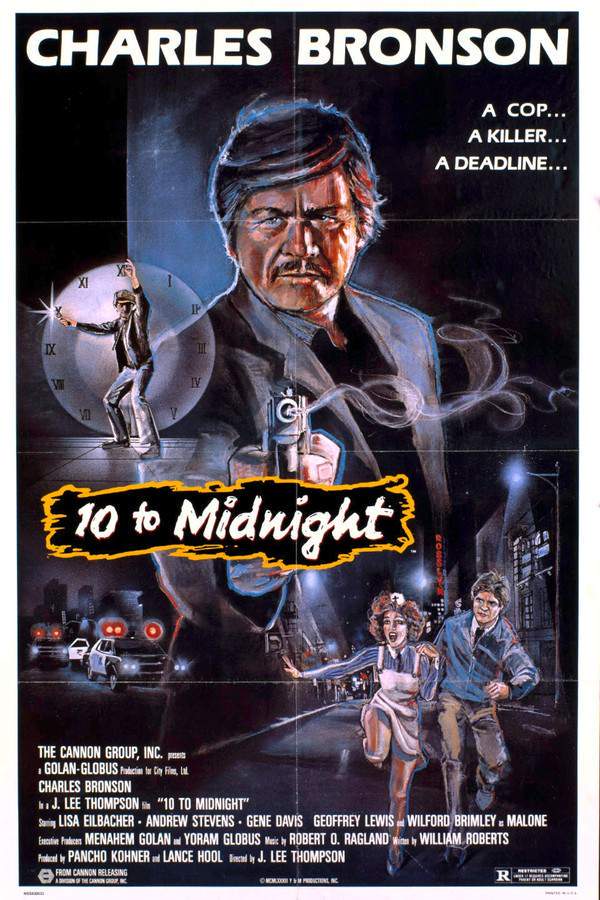
Bleak Cop Dramas with Flawed Heroes like The Satan Killer

Flawed detectives consumed by grief and vice while hunting evil. Discover films similar to The Satan Killer that explore the dark side of police work. These movies feature haunted, morally ambiguous detectives wrestling with personal demons like alcoholism and grief while pursuing violent criminals, leading to heavy emotional weight and bleak endings.

  • melancholic
  • gritty
  • oppressive
  • brutal
  • moral ambiguity
  • grief
  • Tone: dark, melancholic, bleak
  • Pacing: steady, character-driven
Why these movies?

The story pattern: The story is a character-driven crime thriller where the detective's internal turmoil is as central as the external investigation. The protagonist's flaws—often addiction, cynicism, or a thirst for revenge—complicate the case and their personal life. The resolution of the crime rarely brings closure or redemption, instead highlighting the cyclical nature of violence and the enduring weight of their personal burdens.

Why they belong together: This thread groups movies based on the archetype of the traumatized, flawed law enforcement officer and the heavy, bleak tone of their stories. The similarity lies in the fusion of a crime plot with a deep character study of grief, moral compromise, and the absence of hope.

If you liked this

Movies Like The Satan Killer

Similar movies to The Satan Killer: the same genre, themes or kind of story. Each one comes with its own plot summary, timeline and ending explained.

Browse all movie summaries

Every angle

The Satan Killer (1993) Explained: Plot, Timeline & Characters

Everything about The Satan Killer in one place: what happens in the plot summary, the timeline in chronological order, the characters and meaning and a spoiler-free summary. What's After the Movie adds the cast, box office and post-credit scenes.

Coming soon on iOS and Android

The Plot Explained Movie Summary App

Plot summaries, endings explained and timelines on your phone. Catch up on any movie in minutes, save your favorites and never miss a twist again.

Be the first to know when we launch. Your email stays private, always.

Learn more about the app