Plot Explained Spoilers guaranteed!
Plot Explained

Browse by genre

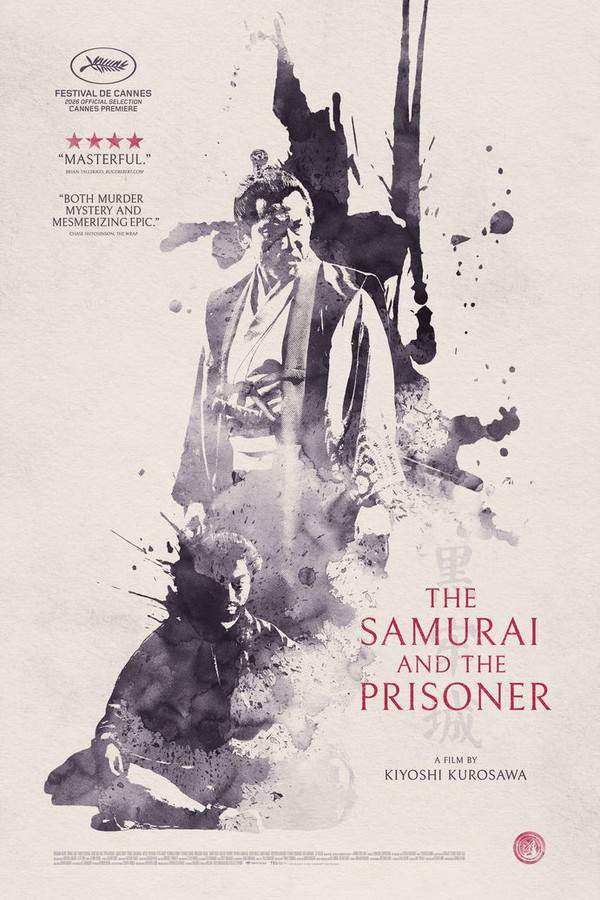
The Samurai and the Prisoner (2026) movie poster

Characters & Themes

The Samurai and the Prisoner (2026) Characters, Setting & Themes Explained

Release, runtime and language
2026 · 2 h 27 m · Japanese
Loading streaming availability…
Directed by
Kiyoshi Kurosawa
Starring
Masaki Suda, Tasuku Emoto, Masahiro Motoki, Munetaka Aoki, Yuriko Yoshitaka, Joe Odagiri

When Lord Murashige Araki rebels against the tyrannical Nobunaga Oda, he becomes trapped in his own castle. Isolated, he faces a series of inexplicable crimes that fracture the fragile order of his court, sowing fear throughout the fortress. As Oda’s forces close in and a traitor lurks among ranks, lord must uncover truth before domain collapses.

On this page (8)
  1. 1 Where to watch
  2. 2 Characters explained (6)
  3. 3 Where & when it takes place
  4. 4 Themes & meaning (3)
  5. 5 Character & meaning questions
  6. 6 The book behind the movie
  7. 7 Movie threads
  8. 8 Every angle
Loading streaming availability…

6 main characters · contains spoilers

The Samurai and the Prisoner Characters Explained: Who Is Who

The main characters of The Samurai and the Prisoner (2026), heroes and villains: what drives them, how they change over the course of the story and what each of them reveals about the film's bigger ideas.

  • Kanbei Kuroda (Masaki Suda)

    A brilliant and calculating military strategist who tries to avert a doomed rebellion by diplomacy and wit. He negotiates with Murashige, is imprisoned, and becomes the keeper of crucial clues in the castle's crisis. His loyalty is tested as he refuses to join Harima's power plays, highlighting the fragile balance between duty and self-preservation. His deductions help steer the course of events, even from behind bars.

    • 🧠 Strategist
    • 🗡️ Loyal
    • 🧭 Diplomat
  • Murashige Araki (Masahiro Motoki)

    Merciful ruler of Settsu who must navigate siege, betrayal, and the burdens of leadership. He blends mercy with pragmatism, seeking to preserve his domain while weighing the cost of resistance. His plans evolve from defense to negotiation, culminating in a journey toward Harima as a potential path to peace. In the end, he abandons worldly power to become a renowned tea master.

    • 🏯 Ruler
    • 🧭 Pragmatic
    • 🕊️ Merciful
  • Abe Jinen

    A hostage in Arioka Castle who, as a follower of Shinshū Buddhism, asks to be killed by a sword to earn entry into Paradise. He is later found dead, seemingly from an arrow, though no arrow is found on his body, symbolizing the murky truth behind the castle's intrigues.

    • 🧭 Hostage
    • 🗡️ Sacrifice
  • Hori Yatarō

    A barely-clothed swordsman who appears and attacks Murashige's camp, killing a retainer before being killed himself. His appearance intensifies the fear and chaos that plague the castle's defenses.

    • ⚔️ Intruder
    • 🗡️ Assassin
  • Notō

    A proud retainer whose actions help drive the plot toward a deadly climax; he is implicated in Muhen's death and is chased to the ramparts, ending in a fatal confrontation. His motives reveal the dangers of pride and loyalty under pressure.

    • 🗡️ Betrayal
    • 🧭 Loyalty
  • Lady Chiyoho

    Murashige's wife who orchestrates multiple plots to shape the siege's outcome. Her actions tie personal trauma to wider political machinations, as she seeks to prove that divine punishment can touch even the meek.

    • 👑 Noble
    • 🗡️ Manipulator

Last updated: August 28, 2026 at 07:33

Was this helpful?

Setting

Where and When Does The Samurai and the Prisoner Take Place?

The setting of The Samurai and the Prisoner (2026): the year and time period, the places and locations, and how they shape the characters, the mood and the tension of the story.

Time period

1578

Set in 1578, the late Sengoku period is defined by brutal sieges and volatile alliances. Warlords bargain, betray, and maneuver through diplomacy, while soldiers endure long campaigns. The year unfolds as a sequence of battles, disappearances, and plots that reshape power in western Japan.

Location

Arioka Castle, Settsu Province, Ōwada Castle, Harima Province

Set in western Japan, Arioka Castle sits at the center of Murashige's siege against Oda Nobunaga. The action crosses Settsu and the neighboring Harima Province as alliances shift and reinforcements move to Arioka. Fortresses and banners decorate a landscape defined by war, strategy, and fragile loyalties.

  • 🏯 Castle
  • ⚔️ Siege
  • 🧭 Politics

Last updated: August 28, 2026 at 07:33

Was this helpful?

3 major themes

The Samurai and the Prisoner Meaning: Themes & Message Explained

What is The Samurai and the Prisoner (2026) really about? The emotional, social and philosophical themes the film keeps returning to, its symbolism and the message beneath the surface.

  • Loyalty & Betrayal

    Loyalty is tested as Murashige's trusted guards and Kanbei's loyalties collide with the political calculations of Nobunaga's realm. Betrayal cuts through family lines and clan loyalties, revealing how quickly promises can crumble in war.

  • Strategy & Power

    The film centers on tactical minds like Kanbei's as they manipulate information, distrust motives, and orchestrate or unravel plots. Each decision carries the weight of thousands of troops and the fate of castles.

  • Religion & Conflict

    Religious factions and beliefs influence choices on both sides, from Buddhist monks to Christian clans. The burning of a church and the ritualized acts of death reveal how faith can become a tool in political warfare.

Last updated: August 28, 2026 at 07:33

Was this helpful?

Character & theme questions

The Samurai and the Prisoner Characters & Meaning: Your Questions Answered

The questions people ask about The Samurai and the Prisoner (2026): who the characters really are, their relationships, what the symbols mean, where it takes place and what the movie is really about. Each answer contains spoilers.

Q1

Where is Arioka Castle and what role does it play in the story?

Arioka Castle is a mountain fortress in western Japan, situated in Settsu Province, and serves as the central stage of The Samurai and the Prisoner. The castle becomes Murashige Araki's refuge and prison after he rebels against Oda Nobunaga, trapping his entire court inside its walls. As the siege tightens, the castle transforms from a seat of power into a sealed world where unexplained crimes and shifting loyalties play out.

  • arioka castle
  • settsu province
  • fortress
  • siege
  • western japan
Q2

When does the story take place?

The Samurai and the Prisoner is set in 1578, during the late Sengoku period of Japanese history. This era was defined by brutal sieges, shifting alliances, and constant warfare among competing warlords seeking to consolidate power. The film uses this volatile backdrop to frame a mystery of unexplained deaths and political betrayal unfolding inside a single besieged castle.

  • 1578
  • sengoku period
  • japanese history
  • feudal era
  • warring states
Q3

What was the Sengoku period in Japan?

The Sengoku period, often called Japan's Warring States era, stretched from the mid-15th to early 17th centuries and was marked by near-constant civil war. Regional warlords, or daimyō, fought for territorial control through siege warfare, broken alliances, and shifting diplomacy. By 1578, when The Samurai and the Prisoner takes place, figures like Oda Nobunaga were on the verge of unifying the country through overwhelming military force.

  • sengoku period
  • warring states
  • daimyo
  • civil war
  • oda nobunaga
  • japan
Q4

Who is Murashige Araki?

Murashige Araki is the merciful ruler of Settsu Province and the central figure of The Samurai and the Prisoner. After rebelling against the tyrannical Oda Nobunaga, he becomes trapped inside his own castle under siege. He balances mercy with pragmatism throughout the crisis, ultimately abandoning worldly power to become a renowned tea master in a search for peace beyond war.

  • murashige araki
  • lord of settsu
  • rebel lord
  • tea master
  • arioka castle
Q5

Who is Kanbei Kuroda?

Kanbei Kuroda is a brilliant military strategist who tries to avert the doomed rebellion through diplomacy and calculation. In The Samurai and the Prisoner, he is imprisoned after negotiating with Murashige and becomes the keeper of crucial clues as the castle's crisis deepens. His refusal to join Harima's power plays and his deductive mind quietly shape how events unfold.

  • kanbei kuroda
  • strategist
  • diplomat
  • imprisoned
  • harima
Q6

What role does Lady Chiyoho play in the story?

Lady Chiyoho is Murashige Araki's wife and one of the hidden architects of events in The Samurai and the Prisoner. She orchestrates multiple plots that shape the outcome of the siege, tying personal grievance to wider political machinations inside Arioka Castle. Her actions illustrate the theme that divine punishment and calculated cruelty can reach even those within a ruler's own household.

  • lady chiyoho
  • murashige wife
  • court intrigue
  • divine punishment
  • siege plots
Q7

What does the film explore about loyalty and betrayal?

Loyalty and betrayal form the emotional backbone of The Samurai and the Prisoner, with Murashige's guards, Kanbei, and rival clans all weighing duty against survival. Promises between family lines and clan loyalties collapse quickly under the strain of siege and the looming threat of Nobunaga's forces. The film treats trust as a weapon, showing how quickly allegiances shift when power is at stake.

  • loyalty
  • betrayal
  • feudal duty
  • clan loyalty
  • trust
  • allegiance
Q8

How does religion shape the conflict in the film?

Religion runs through both sides of the conflict in The Samurai and the Prisoner, from Buddhist monks to Christian clans caught up in the siege. The burning of a church and ritualized acts of death reveal how faith is weaponized as a tool of political warfare rather than a source of comfort. Characters like the Shinshū Buddhist Abe Jinen frame their own fate through spiritual belief, even as that belief is exploited by those around them.

  • religion
  • buddhism
  • christian clans
  • shinshu
  • church burning
  • faith
  • political warfare
Q9

What does the film say about strategy and power?

The Samurai and the Prisoner centers on tactical minds like Kanbei Kuroda who manipulate information, distrust motives, and orchestrate plots from behind the scenes. Each decision carries the weight of thousands of troops and the fate of castles across western Japan. The story suggests that true power in this era lies less in brute force than in reading the board faster than the next warlord.

  • strategy
  • military tactics
  • power
  • kanbei kuroda
  • manipulation
  • siege warfare
Q10

Who is Abe Jinen?

Abe Jinen is a hostage held inside Arioka Castle and a follower of Shinshū Buddhism. In The Samurai and the Prisoner, he asks to be killed by a sword in the belief that this will grant him entry into Paradise. His mysterious death becomes one of the unexplained crimes that intensifies fear and suspicion throughout the castle.

  • abe jinen
  • hostage
  • shinshu buddhism
  • paradise
  • mysterious death
Q11

What are the Settsu and Harima provinces in the story?

Settsu is the province under Murashige Araki's rule, anchored by Arioka Castle, while Harima is the neighboring province whose politics and forces pull the conflict outward. The movement of people, messengers, and military reinforcements between the two regions defines the geographic shape of the rebellion in The Samurai and the Prisoner. Together they represent competing centers of loyalty and ambition in western Japan.

  • settsu
  • harima
  • provinces
  • western japan
  • military movements
Q12

What is the conflict with Oda Nobunaga about?

The central political conflict in The Samurai and the Prisoner is Murashige Araki's open rebellion against Oda Nobunaga, the most powerful warlord of the late Sengoku period. The siege of Arioka Castle is Nobunaga's crushing response to that defiance, with his forces closing in to end the uprising. Although Nobunaga largely remains off-screen, his shadow defines every decision and betrayal inside the castle walls.

  • oda nobunaga
  • rebellion
  • siege
  • warlord
  • confrontation

Movie threads

More Movies Like The Samurai and the Prisoner, by Mood & Story

Curated lists built around what makes The Samurai and the Prisoner tick: the same mood, the same kind of story or the same emotional payoff. Each list explains why these movies belong together.

Sealed castle murder mysteries like in The Samurai and the Prisoner

Deaths pile up in sealed places where the killer still walks among the living. If you liked The Samurai and the Prisoner, you'll love these locked-room style mysteries where danger closes in alongside the investigation. Expect layered whodunits set in confined, pressure-cooker worlds where every character could be the killer and escape is never really an option. Similar slow-burn detective stories with siege-like tension.

  • claustrophobic
  • slow burn deduction
  • tense
  • brooding
  • paranoia
  • sealed setting
  • Tone: tense, melancholic
  • Pacing: variable with rising pressure
Why these movies?

The story pattern: A small group is sealed inside a single location as unexplained deaths begin to accumulate. An investigator, official or reluctant, peels back layers of deception while outside pressure keeps mounting. Revelations redraw loyalty maps, and the closing chapters trade deduction for survival. The arc moves from order to suspicion to betrayal, often ending in a costly, melancholic resolution.

Why they belong together: These films share the sensation of being trapped with a killer, the rhythm of patient investigation punctuated by sudden danger, and a cast whose relationships twist under pressure. They favor long, brooding interiors over chases, and they reward viewers who can hold multiple suspects and motives at once.


Feudal war dramas with political betrayal like in The Samurai and the Prisoner

Loyalty fractures as ancient powers close in around crumbling courts and doomed lords. Looking for movies like The Samurai and the Prisoner? These historical dramas set in feudal courts and besieged castles deliver layered political intrigue, calculated betrayals, and bittersweet outcomes where honor and survival rarely coexist. Expect sword-era epics about doomed lords, religious conflict, and loyalty tested to breaking point.

  • feudal
  • siege
  • political intrigue
  • betrayal
  • bitter victory
  • court ritual
  • Tone: bittersweet, somber
  • Pacing: variable, contemplative beats with violent surges
Why these movies?

The story pattern: A ruler or noble holds a precarious position as outside forces close in. Inside the court, whispered plots, religious tensions, and divided loyalties erode trust from within. Violence alternates with ritual, prayer, and politics, building toward an ending where the protagonist may survive but at terrible cost. The story lingers on what is lost — lands, retainers, family, faith — even in victory.

Why they belong together: These films share a somber, melancholic register that treats power and loyalty as tragic forces rather than triumphant ones. They lean on slow contemplative scenes beside bursts of brutality, and their endings tend to be bittersweet rather than triumphant. Religious and cultural detail — ceremonies, hierarchy, ritual — grounds the political maneuvering in a tangible world.

Every angle

The Samurai and the Prisoner (2026) Explained: Plot, Timeline & Characters

Everything about The Samurai and the Prisoner in one place: what happens in the plot summary, the timeline in chronological order, the characters and meaning and a spoiler-free summary. What's After the Movie adds the cast, box office and post-credit scenes.

Coming soon on iOS and Android

The Plot Explained Movie Summary App

Plot summaries, endings explained and timelines on your phone. Catch up on any movie in minutes, save your favorites and never miss a twist again.

Be the first to know when we launch. Your email stays private, always.

Learn more about the app