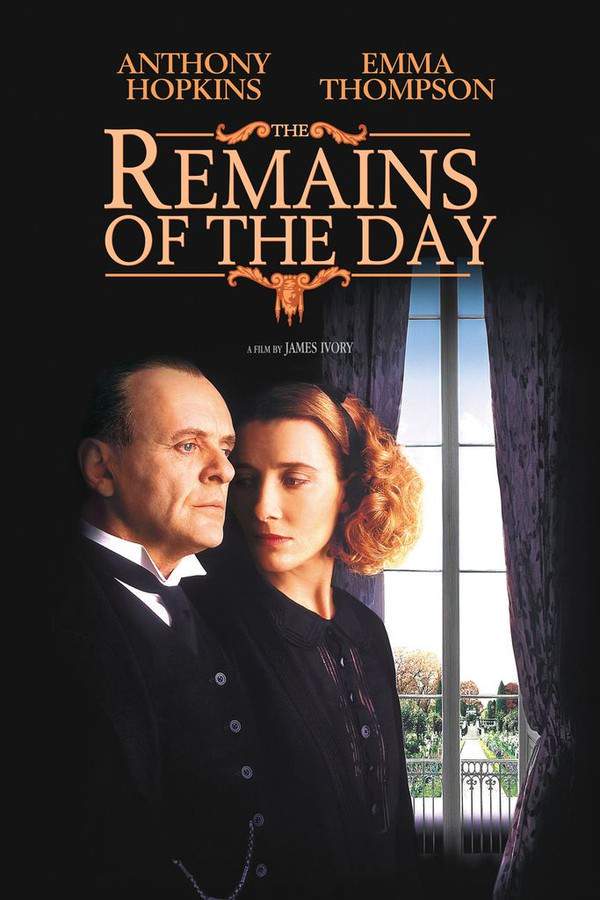
The Remains of the Day

The Remains of the Day

JustWatch#74619

Year: 1993

Runtime: 134 min

Language: English

Director: James Ivory

DramaRomance

In 1930s England, James Stevens, a butler deeply committed to his role, dedicates himself to serving the aristocratic Lord Darlington, often overlooking the troubling political decisions made by his employer. Years later, Stevens undertakes a reflective road trip, seeking to reconnect with Miss Kenton. During this journey, he is forced to confront the sacrifices he made throughout his career and the personal relationships he suppressed in his unwavering devotion to duty.

Where to Watch The Remains of the Day?

Find where to stream, rent, or buy The Remains of the Day (1993) in the US with current JustWatch availability, up-to-date pricing, and platform listings for subscription, rental, and digital purchase options.

Warning: spoilers below!

Haven’t seen The Remains of the Day yet? This summary contains major spoilers. Bookmark the page, watch the movie, and come back for the full breakdown. If you're ready, scroll on and relive the story!

Timeline & Setting – The Remains of the Day (1993)

Explore the full timeline and setting of The Remains of the Day (1993). Follow every major event in chronological order and see how the environment shapes the story, characters, and dramatic tension.

Time period

1958, 1930s

The 1930s were marked by rising tensions in Europe, with the shadow of Nazi ideology looming large. This period shaped the lives of many, including Stevens and Miss Kenton, who navigated their relationship amid political turmoil. By 1958, postwar Britain reflects on the echoes of its past, emphasizing themes of regret and nostalgia.

Location

Darlington Hall, West Country

Darlington Hall was once a grand estate reflecting the stature of its former owner, Earl Darlington. Now, it stands diminished, a relic of a controversial past intertwined with Nazi Germany. The West Country setting also adds a layer of pastoral beauty, contrasting with the memories of political intrigue and personal struggles.

🏰 Mansion 🌄 Countryside

Last updated: October 22, 2024 at 22:23

Was this helpful?

Main Characters – The Remains of the Day (1993)

Meet the key characters of The Remains of the Day (1993), with detailed profiles, motivations, and roles in the plot. Understand their emotional journeys and what they reveal about the film’s deeper themes.

Stevens

Stevens is the epitome of a devoted butler, encapsulating professionalism and emotional restraint. His unwavering focus on duty often blinds him to personal happiness, particularly in his relationship with Miss Kenton. Through his journey, he confronts the implications of his choices, revealing a deeply complex character wrestling with regret and self-identity.

🧑‍💼 Butler 🤵 Professionalism

Miss Kenton

Miss Kenton is a spirited housekeeper whose warmth contrasts with Stevens' reserved demeanor. Her relationship with him is intricate, marked by both affection and frustration over Stevens' emotional barriers. She yearns for fulfillment, highlighting the personal sacrifices made in the name of duty when she confronts Stevens about her decision to marry.

👩‍🦰 Housekeeper 💔 Heartfelt

Doctor Carlisle

Doctor Carlisle serves as a perceptive observer in Stevens' life, guiding him toward self-reflection. He prompts Stevens to confront his choices and the complex history of Lord Darlington, illuminating the themes of loyalty and regret. His role underscores the importance of introspection as Stevens seeks closure.

👨‍⚕️ Doctor 🧠 Insightful

Last updated: October 22, 2024 at 22:23

Was this helpful?

Major Themes – The Remains of the Day (1993)

Explore the central themes of The Remains of the Day (1993), from psychological, social, and emotional dimensions to philosophical messages. Understand what the film is really saying beneath the surface.

🕰️ Regret

Regret permeates throughout the film as Stevens reflects on his life choices, particularly regarding his relationship with Miss Kenton. His emotional barricades illustrate the cost of serving duty over personal happiness. The theme highlights the bittersweet notion that some connections may remain forever unfulfilled.

💔 Love & Loss

The love story between Stevens and Miss Kenton echoes through their interactions, marked by unspoken feelings and missed opportunities. Their journey illustrates how love can be constrained by societal roles and personal inhibitions. The loss of their potential relationship serves as a profound commentary on emotional distance and yearning.

⚖️ Duty vs. Morality

Stevens' unwavering commitment to duty puts him at odds with the moral complexities surrounding him, especially concerning the Earl's actions. The film challenges the notion of loyalty when it compromises one's ethical beliefs, a struggle embodied poignantly in Stevens' decisions throughout the narrative.

Last updated: October 22, 2024 at 22:23

Was this helpful?

The Remains of the Day (1993) Character & Theme Questions Answered – Info FAQ

Browse frequently asked questions about The Remains of the Day (1993) focused on characters, relationships, themes, symbols, setting, and story context. This movie info FAQ gives spoiler-aware explanations for character arcs, world details, and thematic interpretation so readers can better understand what the film is really about.

Q1

Where is The Remains of the Day set?

A.

The film is set primarily at Darlington Hall, a grand estate in England's West Country. Once a symbol of aristocratic stature, the mansion now stands diminished, reflecting the controversial legacy of its former owner Earl Darlington, whose associations with Nazi Germany tarnished the estate's reputation.

darlington hallwest countryestatesetting
Q2

What time period does the movie cover?

A.

The story spans two distinct time periods: the 1930s when Stevens and Miss Kenton served at Darlington Hall amid rising European tensions and Nazi influence, and 1958 when Stevens embarks on a road trip through postwar Britain, reflecting on the echoes of that earlier era.

1930s1958time periodpostwar britain
Q3

What is Darlington Hall like?

A.

Darlington Hall is a grand mansion that represents the fading aristocracy of England. Once impressive and prestigious, it now carries the weight of a controversial past tied to Nazi Germany. The West Country location provides pastoral beauty that contrasts sharply with the political intrigue and personal struggles associated with the estate.

darlington hallmansionestatearistocracy
Q4

What are the main themes of The Remains of the Day?

A.

The film explores three interconnected themes: regret as Stevens reflects on life choices that prioritized duty over personal happiness; love and loss through the unspoken connection between Stevens and Miss Kenton that remains unfulfilled; and the conflict between duty and morality as Stevens serves an employer whose political affiliations compromise his own ethical beliefs.

themesregretlovelossdutymorality
Q5

Who is Stevens and what defines him?

A.

Stevens is the film's protagonist, a butler portrayed by Anthony Hopkins who embodies professionalism and emotional restraint. His unwavering commitment to duty blinds him to personal happiness, particularly his feelings for Miss Kenton. Throughout the story, he wrestles with regret and questions the sacrifices he made in service of his role.

stevensbutleranthony hopkinsduty
Q6

Who is Miss Kenton and what is her role?

A.

Miss Kenton, played by Emma Thompson, is the housekeeper at Darlington Hall whose warmth contrasts sharply with Stevens' reserved demeanor. Her relationship with Stevens is marked by both affection and frustration over his emotional barriers. She represents the personal sacrifices made in service of duty, eventually marrying and leaving while yearning for deeper connection.

miss kentonemma thompsonhousekeeperrelationship
Q7

How does the film explore duty versus morality?

A.

The film portrays Stevens' unwavering loyalty to Lord Darlington, which puts him at odds with the moral complexities surrounding his employer's Nazi affiliations. Stevens must confront whether loyalty to duty justifies suppressing his own ethical beliefs and personal judgment, a struggle that defines his character arc and fuels his later regret.

dutymoralityloyaltylord darlingtonethics
Q8

What does the movie say about regret?

A.

Regret permeates the entire film as Stevens reflects on his life choices, particularly his relationship with Miss Kenton. His emotional barricades illustrate the cost of choosing duty over personal happiness. The theme conveys that some connections may remain forever unfulfilled, and the weight of these sacrifices defines Stevens' later years.

regretsacrificemissed opportunitiesreflection
Q9

What is the nature of Stevens and Miss Kenton's relationship?

A.

Their relationship is marked by unspoken feelings and missed opportunities. Love echoes through their interactions but remains constrained by societal roles and personal inhibitions. Miss Kenton yearns for emotional fulfillment while Stevens suppresses his feelings in service of duty, creating an enduring emotional distance that defines both their lives.

stevensmiss kentonrelationshiploveemotional distance
Q10

Why is the 1930s setting historically significant?

A.

The 1930s setting places the story amid rising European tensions and the shadow of Nazi ideology. This context shapes the characters' lives and choices, particularly Lord Darlington's controversial political associations. The era's instability provides the moral backdrop against which Stevens' loyalty to duty becomes increasingly problematic.

1930shistorical contextnazi germanypolitical turmoil
Q11

What role does Doctor Carlisle play?

A.

Doctor Carlisle serves as a perceptive observer who guides Stevens toward self-reflection. He prompts Stevens to confront his choices and the complex history of Lord Darlington, illuminating themes of loyalty and regret. His role underscores the importance of introspection as Stevens seeks closure and understanding of his past.

doctor carlisleguideintrospectionreflection
Q12

What is the overall tone and mood of the film?

A.

The film carries a predominantly melancholic tone, established through narrative reflection, memory, and pervasive regret. The pacing is deliberately slow, allowing the full weight of Stevens' sacrifices to be felt. Despite dealing with heavy themes of personal failure and emotional suppression, the film avoids being bleak, instead offering a bittersweet conclusion with a quiet step toward acceptance.

tonemoodmelancholybittersweetslow pacing
Mobile App Preview

Coming soon on iOS and Android

The Plot Explained Mobile App

From blockbusters to hidden gems - dive into movie stories anytime, anywhere. Save your favorites, discover plots faster, and never miss a twist again.

Sign up to be the first to know when we launch. Your email stays private, always.

Explore Movie Threads

Discover curated groups of movies connected by mood, themes, and story style. Browse collections built around emotion, atmosphere, and narrative focus to easily find films that match what you feel like watching right now.

Movies about repressed emotions like The Remains of the Day

Stories where unspoken feelings lead to profound regret and quiet tragedy.If you were moved by the quiet tragedy of Stevens's suppressed love in The Remains of the Day, you'll appreciate these movies. This collection features similar character-driven dramas where unspoken feelings and emotional restraint lead to profound regret, exploring themes of duty, sacrifice, and lost opportunities in a deeply melancholic and reflective way.

repressedregretfulsomberrestrainednostalgicintrospectivetragicdignified

Narrative Summary

Films in this thread often follow a character, frequently in a period or formal setting, who maintains a rigid emotional control, often for a perceived higher purpose. The story unfolds through quiet moments and lingering glances, building tension through suppression. The climax is typically not an event, but a realization—a confrontation with the life that could have been, leaving a lingering sense of bittersweet or sorrowful acceptance.

Why These Movies?

These films are grouped together because they share a core focus on the internal conflict between emotional desire and external responsibility. They create a specific, heavy mood through restrained performances, deliberate pacing, and a tone steeped in melancholy and regret, offering a cathartic experience for viewers drawn to deeply introspective character studies.

Slow-burn melancholic period dramas like The Remains of the Day

Deliberate, atmospheric period pieces steeped in a profound sense of loss.Fans of the deliberate pacing and somber mood of The Remains of the Day will find more to love here. Discover movies that share a similar slow-burn approach to storytelling, set against rich historical backdrops and exploring themes of fading traditions, personal regret, and the quiet passing of time with a heavy, melancholic heart.

melancholicnostalgicsomberatmosphericcontemplativeelegiacquietregretful

Narrative Summary

Narratives in this thread unfold patiently, often blending past and present through memory or reflection. They are less about plot twists and more about atmosphere and emotional state. The journey is introspective, following characters as they grapple with the consequences of time, often set against the decline of a way of life, resulting in an ending that acknowledges loss without being utterly hopeless.

Why These Movies?

These films are connected by their shared cinematic DNA: a slow pacing that allows for deep immersion, a dominant melancholic tone, and a setting in a specific historical period that is integral to the themes. The experience is defined by a consistent, heavy mood of nostalgia and regret, perfect for viewers seeking a contemplative and emotionally weighty film.

Unlock the Full Story of The Remains of the Day

Don't stop at just watching - explore The Remains of the Day in full detail. From the complete plot summary and scene-by-scene timeline to character breakdowns, thematic analysis, and a deep dive into the ending - every page helps you truly understand what The Remains of the Day is all about. Plus, discover what's next after the movie.

The Remains of the Day Summary

Read a complete plot summary of The Remains of the Day, including all key story points, character arcs, and turning points. This in-depth recap is ideal for understanding the narrative structure or reviewing what happened in the movie.

The Remains of the Day Summary

The Remains of the Day Timeline

Track the full timeline of The Remains of the Day with every major event arranged chronologically. Perfect for decoding non-linear storytelling, flashbacks, or parallel narratives with a clear scene-by-scene breakdown.

The Remains of the Day Timeline

The Remains of the Day Spoiler-Free Summary

Get a quick, spoiler-free overview of The Remains of the Day that covers the main plot points and key details without revealing any major twists or spoilers. Perfect for those who want to know what to expect before diving in.

The Remains of the Day Spoiler-Free Summary

More About The Remains of the Day

Visit What's After the Movie to explore more about The Remains of the Day: box office results, cast and crew info, production details, post-credit scenes, and external links - all in one place for movie fans and researchers.

More About The Remains of the Day

Similar Movies to The Remains of the Day

Discover movies like The Remains of the Day that share similar genres, themes, and storytelling elements. Whether you’re drawn to the atmosphere, character arcs, or plot structure, these curated recommendations will help you explore more films you’ll love.