In 1930s England, James Stevens, a butler deeply committed to his role, dedicates himself to serving the aristocratic Lord Darlington, often overlooking the troubling political decisions made by his employer. Years later, Stevens undertakes a reflective road trip, seeking to reconnect with Miss Kenton. During this journey, he is forced to confront the sacrifices he made throughout his career and the personal relationships he suppressed in his unwavering devotion to duty.
Find where to stream, rent, or buy The Remains of the Day (1993) in the US with current JustWatch availability, up-to-date pricing, and platform listings for subscription, rental, and digital purchase options.
Warning: spoilers below!
Haven’t seen The Remains of the Day yet? This summary contains major spoilers. Bookmark the page, watch the movie, and come back for the full breakdown. If you're ready, scroll on and relive the story!
Read the complete plot breakdown of The Remains of the Day (1993), including all key story events, major twists, and the ending explained in detail. Discover what really happened, and what it all means.
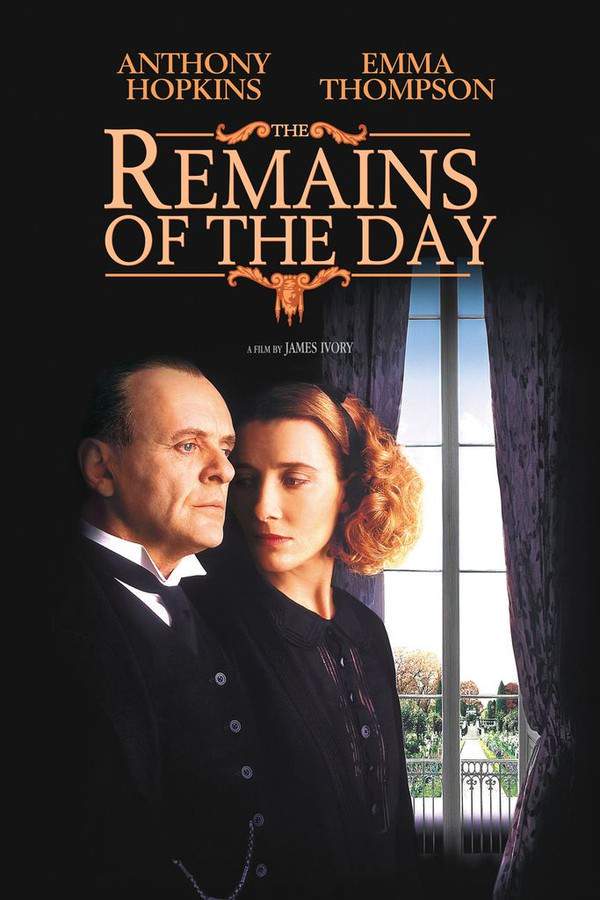
In the somber aftermath of postwar Britain, a mysterious letter from the once steadfast housekeeper, Miss Kenton (Emma Thompson), triggers a transformative journey for Stevens (Anthony Hopkins), the meticulous butler of Darlington Hall. After the death of their former employer, Earl Darlington, the estate now falls under the ownership of retired US Congressman Jack Lewis, its luster dimmed by the Earl’s controversial connections to Nazi Germany.
As Stevens embarks on a quest to reconnect with Miss Kenton in the West Country, flashbacks to the 1930s reveal the complexities of their relationship. When Miss Kenton first joined Darlington Hall, Stevens’ unyielding dedication to service frequently clashed with her warmth and spirited nature. He faced personal turmoil as he grappled with his father’s deteriorating health while simultaneously managing a household entwined with political turmoil.
Stevens epitomized professionalism, even in the face of grave circumstances, such as when he dismissed two newly appointed German-Jewish maids under pressure from the estate’s political environment. This moment brought Stevens face-to-face with the stark realities of Nazi racial laws. Even as tensions brewed beneath the surface, there were glimpses of warmth exchanged between Stevens and Kenton, whose feelings began to surface through subtle gestures, despite Stevens remaining emotionally barricaded.
The pages of his life turned further when Reginald Cardinal, the godson of Lord Darlington, visited as a meeting between British Prime Minister Neville Chamberlain and German Ambassador Joachim von Ribbentrop loomed. Stevens found himself torn as he observed the Earl chasing appeasement, ultimately clinging to his role rather than confronting the difficult reality of his employer’s actions.
With her relationship with Tom Benn evolving, Miss Kenton confronted Stevens with a pivotal choice: acknowledge her decision to marry or risk losing her forever. Stevens’ tepid response of mere congratulations led Kenton to ultimately leave Darlington Hall, teetering on the brink of war—a heartbreaking end to their intricate connection.
In 1958, as Stevens sought Kenton in her boarding house, his journey mirrored a quest for identity, resulting in a revealing dialogue with the perceptive Doctor Carlisle that touched on Lord Darlington’s controversial past. While he wrestled with loyalty and regret, Stevens also admitted to being charmed by the very ideologies he later criticized.
Upon their reunion, nostalgia pervaded the air as they reminisced about a shared history laced with ambition and loss. Kenton’s yearning for renewal illuminated the unfinished business of their past, even as Stevens continued to reflect on what might have been. Their parting served as a stark reminder of the unfulfilled desires that lingered in the air, thick with unspoken emotions.
As Stevens returned to Darlington Hall, weighed down by memories and the inevitable passage of time, the sprawling landscape unfolded around him. Together with Lewis, the act of releasing a pigeon into the sky symbolized his longing for freedom from the chains of the past. The camera gradually withdrew from the once-grand estate, painting a poignant picture of lost dreams and fading echoes, enveloped by the verdant hills that bore witness to their intertwined fates.
Last updated: November 22, 2024 at 11:37
Explore frequently asked questions about The Remains of the Day (1993) with spoiler-rich answers covering the full plot summary, major story beats, character motivations, hidden details, and ending meaning. This movie summary FAQ helps explain confusing scenes, plot twists, and narrative decisions in clear, searchable detail.
Stevens dismissed the two German-Jewish maids under direct pressure from the political environment surrounding Lord Darlington's estate. While this decision contradicted his usual impeccable standards, it exposed Stevens to the harsh realities of Nazi racial laws and forced him to grapple with the moral compromises his dedication to service demanded. This moment represents the central conflict between his professional duty and his personal conscience.
Earlier scenes had already shown Stevens managing household affairs during a time of rising political tensions, foreshadowing his entanglement in the estate's controversial dealings.
Miss Kenton left Darlington Hall after confronting Stevens about her decision to marry Tom Benn. When she presented him with this pivotal choice, asking him to acknowledge her feelings or risk losing her forever, Stevens offered only a tepid response of mere congratulations. His emotional barricade and inability to express his true feelings led her to depart just before war broke out, marking the end of their intricate connection.
Throughout the 1930s flashbacks, subtle gestures hinted at the growing warmth between Stevens and Kenton, making her departure a consequence of his emotional suppression.
Lord Darlington was controversial due to his support for appeasement toward Nazi Germany in the 1930s. The estate hosted meetings between British Prime Minister Neville Chamberlain and German Ambassador Joachim von Ribbentrop. Stevens witnessed his employer chasing policies that ultimately aligned with Nazi interests, which later tainted the estate's legacy and contributed to its diminished state after the Earl's death.
Reginald Cardinal's visit during these critical political meetings set the stage for understanding the estate's entanglement with fascist ideology.
Stevens remained emotionally barricaded due to his unwavering commitment to professional duty and his belief that personal emotions would compromise his role as a proper butler. His father's decline and the demands of managing a household during political turmoil further reinforced his conviction that personal desire must be subordinated to service. This suppression defined his entire existence at Darlington Hall.
Early scenes established Stevens' unyielding dedication to professionalism, setting the foundation for his emotional restraint throughout the relationship.
A mysterious letter from Miss Kenton triggered Stevens' transformative journey to the West Country in 1958. After Lord Darlington's death and the estate's transfer to American Congressman Jack Lewis, Stevens felt compelled to reflect on his past and reconnect with the woman he had never truly allowed himself to love. The journey became both a physical quest and an emotional reckoning with the sacrifices he made throughout his career.
The letter arrived in the somber aftermath of postwar Britain, a time when Stevens was already reflecting on his life choices at Darlington Hall.
During Stevens' search in 1958, Doctor Carlisle engaged him in a revealing dialogue about Lord Darlington's controversial past. While the specific details of their conversation are not fully detailed in the summary, the exchange prompted Stevens to confront his loyalties and regrets over the years, forcing him to reckon with the moral implications of his long service to an employer whose political legacy has been severely tarnished.
This conversation occurred during Stevens' broader quest for identity and reflection in 1958, after he had already witnessed the consequences of the Earl's appeasement policies.
In a symbolic act of letting go, Stevens and Jack Lewis release a pigeon into the sky at Darlington Hall. This moment represents Stevens' yearning for freedom from the chains of his past, the weight of accumulated regrets, suppressed emotions, and years of unwavering devotion to duty. The release signifies a small, quiet step toward acceptance and release from the constraints that defined his life.
Throughout the film, Stevens was physically and emotionally confined to the estate, making this act of release a meaningful departure from his established character.
Stevens faced personal turmoil as he grappled with his father's declining health while simultaneously managing a household entangled in political turmoil. Despite his private suffering, he maintained his professional demeanor, epitomizing his belief that duty must supersede personal matters. This challenge highlighted the emotional toll of his unwavering commitment to service.
The strain between Stevens' personal life and professional obligations had been present from his early days at the estate, setting the stage for his ultimate sacrifice of personal happiness.
Miss Kenton's relationship with Tom Benn evolved during her time at Darlington Hall. When she confronted Stevens about her decision to marry him, it represented a pivotal moment in her life, a choice between continuing to hope for Stevens' emotional response or pursuing a different future. Stevens' lackluster congratulations effectively ended any lingering possibility of them being together, pushing Kenton toward marriage to Benn.
Kenton's growing connection with Tom Benn developed as Stevens remained emotionally distant, providing an alternative path for her romantic life.
When Stevens reunited with Miss Kenton at her boarding house in the West Country, nostalgia pervaded their encounter as they reminisced about their shared history. However, their reunion was bittersweet, Kenton expressed yearning for renewal while Stevens remained contemplative about what might have been. Their parting served as a stark reminder of unfulfilled desires and the emotional disconnect that persisted between them, underscoring the film's theme of lost opportunities.
Their reunion reflected the unresolved tension that had been building since Kenton's departure from Darlington Hall decades earlier.
Discover curated groups of movies connected by mood, themes, and story style. Browse collections built around emotion, atmosphere, and narrative focus to easily find films that match what you feel like watching right now.
Stories where unspoken feelings lead to profound regret and quiet tragedy.If you were moved by the quiet tragedy of Stevens's suppressed love in The Remains of the Day, you'll appreciate these movies. This collection features similar character-driven dramas where unspoken feelings and emotional restraint lead to profound regret, exploring themes of duty, sacrifice, and lost opportunities in a deeply melancholic and reflective way.
Films in this thread often follow a character, frequently in a period or formal setting, who maintains a rigid emotional control, often for a perceived higher purpose. The story unfolds through quiet moments and lingering glances, building tension through suppression. The climax is typically not an event, but a realization—a confrontation with the life that could have been, leaving a lingering sense of bittersweet or sorrowful acceptance.
These films are grouped together because they share a core focus on the internal conflict between emotional desire and external responsibility. They create a specific, heavy mood through restrained performances, deliberate pacing, and a tone steeped in melancholy and regret, offering a cathartic experience for viewers drawn to deeply introspective character studies.
Deliberate, atmospheric period pieces steeped in a profound sense of loss.Fans of the deliberate pacing and somber mood of The Remains of the Day will find more to love here. Discover movies that share a similar slow-burn approach to storytelling, set against rich historical backdrops and exploring themes of fading traditions, personal regret, and the quiet passing of time with a heavy, melancholic heart.
Narratives in this thread unfold patiently, often blending past and present through memory or reflection. They are less about plot twists and more about atmosphere and emotional state. The journey is introspective, following characters as they grapple with the consequences of time, often set against the decline of a way of life, resulting in an ending that acknowledges loss without being utterly hopeless.
These films are connected by their shared cinematic DNA: a slow pacing that allows for deep immersion, a dominant melancholic tone, and a setting in a specific historical period that is integral to the themes. The experience is defined by a consistent, heavy mood of nostalgia and regret, perfect for viewers seeking a contemplative and emotionally weighty film.
Don't stop at just watching - explore The Remains of the Day in full detail. From the complete plot summary and scene-by-scene timeline to character breakdowns, thematic analysis, and a deep dive into the ending - every page helps you truly understand what The Remains of the Day is all about. Plus, discover what's next after the movie.
Track the full timeline of The Remains of the Day with every major event arranged chronologically. Perfect for decoding non-linear storytelling, flashbacks, or parallel narratives with a clear scene-by-scene breakdown.
Discover the characters, locations, and core themes that shape The Remains of the Day. Get insights into symbolic elements, setting significance, and deeper narrative meaning - ideal for thematic analysis and movie breakdowns.
Discover movies like The Remains of the Day that share similar genres, themes, and storytelling elements. Whether you’re drawn to the atmosphere, character arcs, or plot structure, these curated recommendations will help you explore more films you’ll love.
The Remains of the Day (1993) Scene-by-Scene Movie Timeline
The Remains of the Day (1993) Movie Characters, Themes & Settings
The Remains of the Day (1993) Spoiler-Free Summary & Key Flow
Movies Like The Remains of the Day – Similar Titles You’ll Enjoy
Rebecca (1940) Ending Explained & Film Insights
Rebecca (2020) Spoiler-Packed Plot Recap
Atonement (2007) Film Overview & Timeline
I Served the King of England (2008) Movie Recap & Themes
The Exception (2017) Spoiler-Packed Plot Recap
The End of the Affair (1999) Full Summary & Key Details
The Lady Vanishes (1980) Full Summary & Key Details
The Grass Is Greener (1960) Spoiler-Packed Plot Recap
The Servant (1964) Detailed Story Recap
Devotion (1931) Plot Summary & Ending Explained
England Made Me (1973) Full Movie Breakdown
The Lady Refuses (1931) Film Overview & Timeline
Saturday Night and Sunday Morning (1960) Plot Summary & Ending Explained
The Man in Grey (1943) Complete Plot Breakdown
Mr. Skeffington (1944) Complete Plot Breakdown