






Plot Explained Spoilers guaranteed!
Plot Explained

Browse by genre

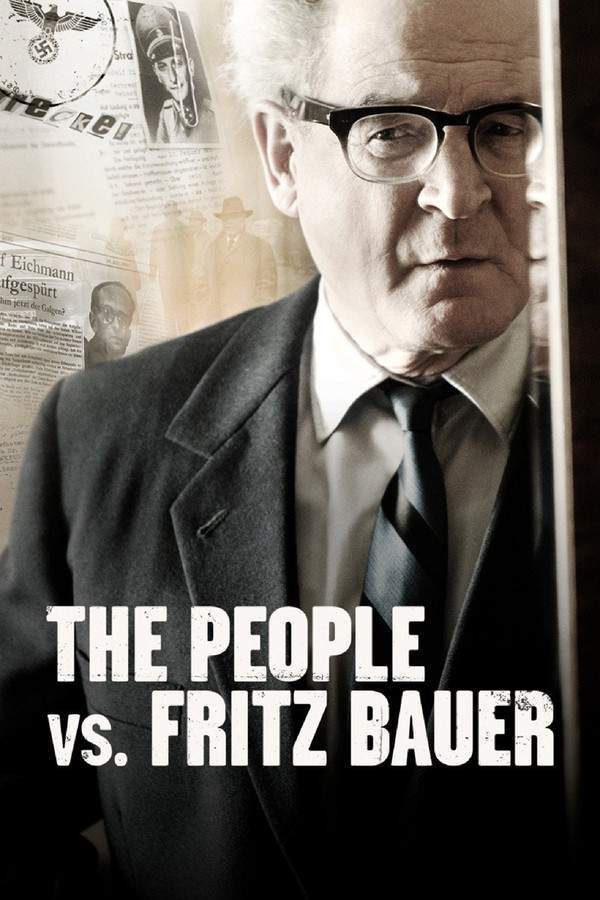
The People vs. Fritz Bauer (2016) movie poster

Characters & Themes

The People vs. Fritz Bauer (2016) Characters, Setting & Themes Explained

Release, runtime and language
2016 · 105 min · German
Directed by
Lars Kraume

In 1957 Germany, Attorney General Fritz Bauer receives crucial information about the location of Adolf Eichmann, a high-ranking Nazi official. He embarks on a tense and complex mission to bring Eichmann to justice, facing significant obstacles rooted in the nation’s reluctance to confront its past. Bauer must carefully balance his legal obligations, his personal beliefs, and potential repercussions as he strives for a just trial, navigating a landscape of deep-seated denial and risking accusations of treason.

On this page (7)
  1. 1 Where to watch
  2. 2 Characters explained (3)
  3. 3 Where & when it takes place
  4. 4 Themes & meaning (3)
  5. 5 Character & meaning questions
  6. 6 Movie threads
  7. 7 Every angle

Where to watch

Where to Watch The People vs. Fritz Bauer (2016)

Where can you watch The People vs. Fritz Bauer? Stream, rent or buy it in the US, including on Kanopy, Tubi TV and Amazon Video: current JustWatch availability with up-to-date prices.

Streaming availability powered by JustWatch

3 main characters · contains spoilers

The People vs. Fritz Bauer Characters Explained: Who Is Who

The main characters of The People vs. Fritz Bauer (2016), heroes and villains: what drives them, how they change over the course of the story and what each of them reveals about the film's bigger ideas.

  • Fritz Bauer

    Fritz Bauer is a determined and principled prosecutor who is relentless in his pursuit of justice for Nazi war criminals. He navigates political pressures and personal risks, showing courage as he confronts both external adversaries and internal conflicts. His leadership inspires others to challenge the status quo.

    • 👨‍⚖️ Prosecutor
    • ⚔️ Determination
    • 🏳️‍🌈 Advocacy
  • Karl Angermann

    Karl Angermann is a young prosecutor who grapples with moral dilemmas while navigating the legal complexities of cases involving sexuality and justice. His character development is marked by his bravery in the face of opposition and a willingness to confront societal norms, making him a pivotal figure in Bauer's narrative.

    • 👨‍⚖️ Young Prosecutor
    • 💔 Internal Conflict
    • 🔍 Loyalty
  • Adolf Eichmann

    Adolf Eichmann serves as the central antagonist, representing the lingering shadows of Nazi power and influence even after the war. His capture becomes a symbol of accountability for past atrocities, encapsulating the broader struggle to bring historical injustices to light.

    • 💀 Antagonist
    • 🔒 Notorious Figure
    • 🕰️ Historical Criminal

Last updated: October 22, 2024 at 22:00

Was this helpful?

Setting

Where and When Does The People vs. Fritz Bauer Take Place?

The setting of The People vs. Fritz Bauer (2016): the year and time period, the places and locations, and how they shape the characters, the mood and the tension of the story.

Time period

Post World War II

The narrative is set in the years following World War II, a period marked by the international effort to confront and prosecute Nazi war crimes. This era was crucial for Israel's establishment and for global consciousness surrounding human rights and justice, particularly with the rise of trials that aimed to hold perpetrators accountable.

Location

Germany, Argentina, Israel

The movie primarily takes place in Germany, where legal and moral battles unfold regarding the prosecution of Nazi criminals. Argentina is significant as the hiding place of Adolf Eichmann, a key figure in the Nazi regime. Additionally, Israel plays a crucial role, particularly during Bauer's discussions with the Mossad about Eichmann's abduction.

  • 🇩🇪 Germany
  • 🇦🇷 Argentina
  • 🇮🇱 Israel

Last updated: October 22, 2024 at 22:00

Was this helpful?

3 major themes

The People vs. Fritz Bauer Meaning: Themes & Message Explained

What is The People vs. Fritz Bauer (2016) really about? The emotional, social and philosophical themes the film keeps returning to, its symbolism and the message beneath the surface.

  • Justice

    The theme of justice is central to the film, as Bauer fights to bring former Nazi officials to trial and ensure that atrocities are not forgotten. His pursuit reflects the broader societal challenge of grappling with historical injustices and the significance of legal repercussions for past crimes.

  • Identity

    Identity themes are explored through the character of Angermann and his interactions with Victoria, raising questions about sexuality, societal norms, and the complexities of human relationships amidst the legal backdrop. This theme underscores the personal struggles individuals face within larger societal contexts.

  • Espionage

    Espionage becomes a critical theme as Bauer collaborates with Mossad to locate Eichmann. The film illustrates the intricacies of intelligence work and the moral dilemmas faced in the pursuit of justice, reflecting on how different nations navigate historical grievances.

Last updated: October 22, 2024 at 22:00

Was this helpful?

Character & theme questions

The People vs. Fritz Bauer Characters & Meaning: Your Questions Answered

The questions people ask about The People vs. Fritz Bauer (2016): who the characters really are, their relationships, what the symbols mean, where it takes place and what the movie is really about. Each answer contains spoilers.

Q1

Where is the movie primarily set?

The film takes place primarily in Germany, where Attorney General Fritz Bauer works within the German legal system to pursue Nazi war criminals. Argentina is also significant as the location where Adolf Eichmann was hiding, while Israel plays a key role through Bauer's negotiations with the Mossad for Eichmann's abduction.

  • germany
  • argentina
  • israel
  • locations
  • eichmann location
Q2

What time period does the story take place in?

The movie is set in 1957, during the post-World War II era. This was a critical period when Germany and the international community were grappling with how to confront and prosecute Nazi war crimes, years after the Holocaust ended.

  • 1957
  • post-war
  • germany
  • time period
  • eichmann capture era
Q3

Why is Argentina significant in the story?

Argentina serves as the hiding place of Adolf Eichmann, a high-ranking Nazi official responsible for organizing the Holocaust. The country became a refuge for many Nazi fuggles after the war, and locating Eichmann there became central to Bauer's mission to achieve justice.

  • argentina
  • eichmann hiding
  • nazi fugitives
  • holocaust perpetrators
Q4

What is the central theme of justice in the film?

The film centers on justice as Fritz Bauer relentlessly pursues former Nazi officials for prosecution. His mission reflects the broader societal challenge of confronting historical atrocities and ensuring legal consequences for war crimes, even decades after they occurred.

  • justice
  • nazi prosecution
  • accountability
  • war crimes
  • trial
Q5

What identity themes does the movie explore?

Identity themes are explored through the character of Karl Angermann and his interactions with Victoria, raising questions about sexuality, societal norms, and personal struggles within the larger legal and political backdrop of post-war Germany.

  • identity
  • sexuality
  • karl angermann
  • societal norms
  • personal struggle
Q6

How does espionage factor into the narrative?

Espionage becomes critical as Bauer collaborates with Israel's Mossad intelligence agency to locate and abduct Eichmann. The film depicts the intricate intelligence work and moral dilemmas involved in cross-national efforts to pursue justice for historical crimes.

  • espionage
  • mossad
  • israel
  • intelligence
  • eichmann abduction
Q7

Who is Fritz Bauer and what is his role?

Fritz Bauer is the Attorney General and protagonist of the film, a determined prosecutor who is relentless in his pursuit of justice for Nazi war criminals. He navigates intense political pressure and personal risks, operating as a lone figure within his own government while confronting both external adversaries and internal conflicts.

  • fritz bauer
  • attorney general
  • prosecutor
  • nazi crimes
  • jewish prosecutor
Q8

Who is Adolf Eichmann in the film?

Adolf Eichmann serves as the central antagonist, representing the lingering shadows of Nazi power and influence after the war. As a high-ranking Nazi official responsible for organizing the Holocaust, his capture becomes a symbol of accountability for past atrocities and a test of post-war justice.

  • adolf eichmann
  • nazi
  • holocaust
  • antagonist
  • war criminal
Q9

Who is Karl Angermann and what role does he play?

Karl Angermann is a young prosecutor who works alongside Bauer, grappling with moral dilemmas while navigating complex legal cases involving sexuality and justice. His character faces personal risks including blackmail, and his bravery in confronting societal norms makes him a pivotal figure in the narrative.

  • karl angermann
  • young prosecutor
  • moral dilemma
  • sexuality
  • bravery
Q10

What was post-war Germany like during this time?

Post-war Germany in 1957 was marked by deep-seated reluctance to confront the nation's Nazi past. Many institutions, including the legal system, contained former Nazis or sympathizers, creating an environment where pursuing justice for war crimes was met with resistance, political sabotage, and accusations of treason.

  • post-war germany
  • nazi past
  • collective guilt
  • bureaucratic resistance
  • german society 1950s
Q11

Why was there resistance to prosecuting Nazis in Germany?

Germany faced significant resistance to prosecuting Nazi war criminals due to deep-seated denial and the presence of former Nazis within the government and legal system. Prosecutors like Bauer operated in what felt like enemy territory, risking accusations of treason while fighting for accountability.

  • resistance
  • nazi prosecution
  • german government
  • treason accusations
  • political pressure
Q12

What does the movie say about memory and justice?

The film explores how societies confront or avoid confronting dark historical chapters. Bauer's pursuit represents the importance of memory and accountability, not allowing atrocities to be forgotten or the perpetrators to escape justice, even when doing so requires international cooperation and personal sacrifice.

  • memory
  • accountability
  • historical justice
  • confronting past
  • international cooperation

Movie threads

More Movies Like The People vs. Fritz Bauer, by Mood & Story

Curated lists built around what makes The People vs. Fritz Bauer tick: the same mood, the same kind of story or the same emotional payoff. Each list explains why these movies belong together.

Movies about fighting systemic injustice like The People vs. Fritz Bauer

Stories of individuals risking everything to challenge a corrupt or hostile establishment. If you liked The People vs. Fritz Bauer, explore other movies where determined individuals take on powerful, corrupt systems. These films often share a tense, somber mood and focus on the heavy emotional weight of challenging the establishment, featuring stories of moral courage in political, legal, or corporate settings.

  • determined
  • tense
  • somber
  • paranoid
  • grim
  • anxious
  • Tone: tense, determined, somber
  • Pacing: steady, methodical
Why these movies?

The story pattern: These narratives typically follow a methodical investigation or moral quest where the protagonist uncovers truths a system wants buried. Obstacles are bureaucratic, political, and personal, creating a sense of claustrophobia and paranoia. The arc is less about a simple victory and more about the costly, often bittersweet, pursuit of justice against overwhelming odds.

Why they belong together: Movies in this thread are grouped by their shared focus on a lone fighter archetype, a tense and somber atmosphere, and themes of institutional resistance. They deliver a similar viewing experience of high-stakes tension and emotional heaviness, appealing to viewers who appreciate stories of steadfast moral conviction.
Historical thrillers about confronting the past like The People vs. Fritz Bauer

Tense period dramas where characters grapple with a nation's dark history. Find movies similar to The People vs. Fritz Bauer that are tense historical thrillers dealing with a nation's unresolved trauma. These films combine a steady investigative pace with a heavy emotional weight, focusing on characters forced to confront dark chapters of history amidst denial and resistance.

  • somber
  • tense
  • grim
  • anxious
  • historical
  • moral conflict
  • Tone: grim, tense, somber
  • Pacing: steady, investigative
Why these movies?

The story pattern: The plot often centers on a quest for justice or truth that acts as a catalyst, forcing a confrontation with a painful historical legacy. The narrative builds tension not just from the central mystery, but from the societal pressure to forget. This creates a pervasive atmosphere of denial, where protagonists operate in a morally ambiguous landscape shaped by past crimes.

Why they belong together: These films are connected by their setting in the shadow of historical atrocities, their blend of thriller pacing with dramatic weight, and their exploration of themes like collective guilt and moral reckoning. They offer a similar vibe of grim resolve and anxious tension rooted in a specific, weighty historical context.

Every angle

The People vs. Fritz Bauer (2016) Explained: Plot, Timeline & Characters

Everything about The People vs. Fritz Bauer in one place: what happens in the plot summary, the timeline in chronological order, the characters and meaning and a spoiler-free summary. What's After the Movie adds the cast, box office and post-credit scenes.

Coming soon on iOS and Android

The Plot Explained Movie Summary App

Plot summaries, endings explained and timelines on your phone. Catch up on any movie in minutes, save your favorites and never miss a twist again.

Be the first to know when we launch. Your email stays private, always.

Learn more about the app