Plot Explained Spoilers guaranteed!
Plot Explained

Browse by genre

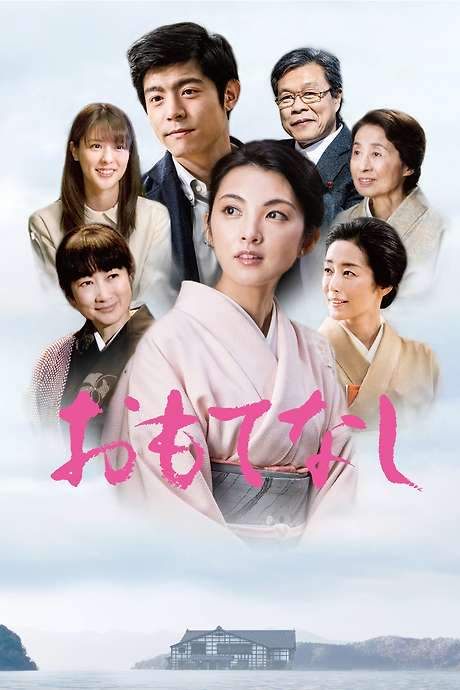
The Old Capital (2016) movie poster

Characters & Themes

The Old Capital (2016) Characters, Setting & Themes Explained

Release, runtime and language
2016 · 117 mins · Japanese
Loading streaming availability…
Directed by
Yuki Saito
Starring
Riko Narumi, Tsuyoshi Ihara, Eiji Okuda, Yasuko Matsuyuki, Ai Hashimoto, Asahi Kurizuka

For twenty years, Chieko Sanda has managed her family’s dry goods store in Kyoto, a tradition spanning generations. She grapples with the question of whether her daughter, Mai, a college student undecided about her future, will continue the legacy. Meanwhile, Mitsuko Nakata, Chieko's twin sister separated in childhood, struggles with financial difficulties at her forestry business outside Kyoto. Mitsuko’s daughter, Yui, an aspiring artist, travels to France where she feels lost, prompting Mitsuko to visit her. Mai also journeys to Paris to showcase Japanese culture, bringing together these interconnected lives.

On this page (8)
  1. 1 Where to watch
  2. 2 Characters explained (4)
  3. 3 Where & when it takes place
  4. 4 Themes & meaning (3)
  5. 5 Character & meaning questions
  6. 6 Movie threads
  7. 7 Movies like The Old Capital
  8. 8 Every angle
Loading streaming availability…

4 main characters · contains spoilers

The Old Capital Characters Explained: Who Is Who

The main characters of The Old Capital (2016), heroes and villains: what drives them, how they change over the course of the story and what each of them reveals about the film's bigger ideas.

  • Chieko Sanda (Yasuko Matsuyuki)

    Chieko is a foundling whose origins become a central source of tension and mystery. Her navigation of tradition and modern life reveals a restrained emotional world, a hallmark of Kawabata’s characters. Her quest for self-identity drives much of the narrative’s emotional undercurrent.

    • 🎭 Drama
    • 🧭 Identity
    • 🏯 Tradition
  • Naeko

    Chieko's twin sister who stayed in the village, her identical appearance complicates relationships and choices. Her path contrasts with the city-bound life of Chieko, highlighting themes of belonging and fate. The twin dynamic becomes a focal point for misunderstandings and emotional resonance.

    • 🎭 Drama
    • 🧭 Identity
  • Hideo

    A traditional weaver who becomes a potential suitor, representing the old crafts within a changing city. He embodies restraint and the quiet endurance of custom in the face of modern pressures. His interactions illuminate social expectations and personal desire.

    • 🎭 Drama
    • 🏯 Tradition
  • Shin'ichi

    A festival participant connected to Chieko's memories, illustrating the city’s communal rituals and their influence on personal longing. His presence in festival scenes highlights how collective celebration shapes individual choices. He serves as a bridge between memory and present life.

    • 🎭 Drama
    • 🎆 Festival

Last updated: February 20, 2026 at 00:14

Was this helpful?

Setting

Where and When Does The Old Capital Take Place?

The setting of The Old Capital (2016): the year and time period, the places and locations, and how they shape the characters, the mood and the tension of the story.

Time period

Postwar Japan, 1950s–1960s

The events unfold during Japan's rapid postwar modernization, a period of rebuilding and shifting social norms. Traditional crafts and neighborhoods coexist with growing urbanization and commercial life. Kyoto's festival calendar anchors the story in a time when old rituals meet new, changing everyday life.

Location

Kyoto, Japan, Gion, Yasaka Shrine, Kitayama, Nakagyo Ward

Kyoto is the historic capital where the story unfolds, with districts like Gion and Kitayama shaping its social backdrop. The city centers around iconic sites such as Yasaka Shrine and Nakagyo Ward, grounding the narrative in a traditional urban landscape. Its renowned festivals—Gion Matsuri and the Festival of the Ages—provide a vivid backdrop for personal histories and cultural change.

  • 🏯 Historic city
  • 🎎 Festival culture
  • 🗺️ Traditional districts

Last updated: February 20, 2026 at 00:14

Was this helpful?

3 major themes

The Old Capital Meaning: Themes & Message Explained

What is The Old Capital (2016) really about? The emotional, social and philosophical themes the film keeps returning to, its symbolism and the message beneath the surface.

  • Aging and Decline

    The narrative examines how time erodes old social forms and cultural practices in a modernizing Japan. Characters confront fading traditions while memories preserve a gentler, earlier world. The story treats decline with quiet melancholy, highlighting how opportunity and meaning slip away as society evolves.

  • Tradition vs Modernity

    Kyoto’s enduring traditions struggle to endure amid commercial growth and urban life. Rituals persist, yet new social norms push on intimate relationships and personal choices. The tension reveals how individuals navigate a landscape where heritage and progress coexist and clash.

  • Identity and Fate

    The discovery of family secrets and the presence of twins raise questions of identity and belonging. Accidents and misperceptions redirect lives, underscoring how fate is shaped as much by circumstance as by personal decisions. The story probes how memory and chance define who we are.

Last updated: February 20, 2026 at 00:14

Was this helpful?

Character & theme questions

The Old Capital Characters & Meaning: Your Questions Answered

The questions people ask about The Old Capital (2016): who the characters really are, their relationships, what the symbols mean, where it takes place and what the movie is really about. Each answer contains spoilers.

Q1

Where is The Old Capital set?

The movie is set in Kyoto, Japan, particularly in traditional districts like Gion and Kitayama, with key locations including Yasaka Shrine and Nakagyo Ward. These historic areas provide the backdrop for the story's exploration of family and cultural change.

Foreshadowing: The opening scenes establish Kyoto's timeless streets and festivals, framing the personal journeys within a city where tradition remains vital.

  • kyoto
  • gion
  • setting
  • japan
  • locations
  • nakagyo ward
  • kitayama
Q2

What time period does The Old Capital take place in?

The story unfolds during Japan's postwar era, specifically the 1950s to 1960s. This was a period of rapid modernization when traditional crafts and neighborhoods coexisted with growing urbanization and commercial life.

Foreshadowing: The festival calendar anchoring the narrative reflects a time when old rituals still intersected with changing everyday life.

  • postwar japan
  • 1950s
  • 1960s
  • time period
  • era
  • history
Q3

What is The Old Capital about?

The film follows Chieko Sanda, who manages her family's dry goods store in Kyoto, while her daughter Mai considers the family's legacy. Meanwhile, Chieko's twin sister Mitsuko struggles with her forestry business, and their daughter Yui travels to France. The story explores themes of tradition versus modernity, aging and decline, and questions of identity and fate.

  • plot
  • summary
  • story
  • family
  • legacy
  • traditions
Q4

What are the main themes in The Old Capital?

The movie explores three major themes: Aging and Decline, examining how time erodes old social forms and cultural practices; Tradition vs Modernity, showing how Kyoto's enduring traditions struggle amid commercial growth; and Identity and Fate, where family secrets and twin connections raise questions of belonging and circumstance.

Foreshadowing: The narrative weaves these themes together from the beginning, using quiet moments to build emotional resonance around loss and change.

  • themes
  • tradition
  • modernity
  • aging
  • identity
  • fate
  • japanese culture
Q5

Who is Chieko Sanda in The Old Capital?

Chieko Sanda is the foundling protagonist who has managed her family's dry goods store in Kyoto for twenty years. Her origins become a central source of mystery and tension. She represents the tension between tradition and modern life, with her quest for self-identity driving the film's emotional undercurrent.

Foreshadowing: Early scenes hint at Chieko's mysterious past through subtle details about her adoption and family history.

  • chieko sanda
  • protagonist
  • foundling
  • main character
  • kyoto
Q6

Who is Naeko in The Old Capital?

Naeko is Chieko's identical twin sister who remained in the village rather than moving to Kyoto. Her appearance, identical to Chieko's, creates complications in relationships and choices throughout the story. Her path contrasts with Chieko's city-bound life, highlighting themes of belonging and fate.

Foreshadowing: The twins' shared appearance is established early, creating potential for misunderstandings that later emerge.

  • naeko
  • twin sister
  • character
  • family
  • identity
Q7

Who is Hideo in The Old Capital?

Hideo is a traditional weaver who becomes a potential suitor for Chieko. He embodies the old crafts within a changing city and represents the quiet endurance of custom in the face of modern pressures. His interactions illuminate the social expectations placed on individuals navigating heritage and personal desire.

Foreshadowing: Hideo's introduction through his craft foreshadows his role as a bridge between past and present.

  • hideo
  • weaver
  • suitor
  • tradition
  • craftsman
  • kyoto
Q8

What role does tradition play in The Old Capital?

Tradition is central to the film's exploration of tension between heritage and progress. Kyoto's festivals like Gion Matsuri persist, yet new social norms challenge intimate relationships and personal choices. Characters navigate a landscape where ancient rituals coexist with modern urban life, shaping their decisions about family legacy and cultural identity.

Foreshadowing: Festival scenes appear throughout, demonstrating how collective traditions influence individual choices.

  • tradition
  • modernity
  • gion matsuri
  • festivals
  • kyoto
  • cultural change
Q9

How does The Old Capital portray aging and decline?

The film examines how time erodes old social forms and cultural practices in modernizing Japan. Characters confront fading traditions while memories preserve a gentler, earlier world. The story treats decline with quiet melancholy, highlighting how opportunity and meaning slip away as society evolves, without losing hope entirely.

Foreshadowing: The film's melancholic tone is established early through imagery of aging storefronts and traditions under threat.

  • aging
  • decline
  • tradition
  • memory
  • loss
  • melancholy
  • postwar japan
Q10

What is the significance of twins in The Old Capital?

The discovery of family secrets and the presence of twins raise fundamental questions of identity and belonging. The identical appearance of Chieko and Naeko redirects lives through accidents and misperceptions, underscoring how fate is shaped by circumstance as much as personal decisions. The twin dynamic becomes a focal point for misunderstandings and emotional resonance.

Foreshadowing: The twins' connection is hinted at from the beginning, creating anticipation around their eventual reunion or conflict.

  • twins
  • identity
  • fate
  • family secrets
  • chieko
  • naeko
  • belonging
Q11

What is Kyoto like in The Old Capital?

Kyoto appears as Japan's historic capital with districts like Gion and Kitayama shaping its social backdrop. The city centers around iconic sites such as Yasaka Shrine, with renowned festivals including Gion Matsuri and the Festival of the Ages providing vivid cultural context. The traditional urban landscape grounds the narrative in a world where old rituals meet changing everyday life.

Foreshadowing: The opening establishes Kyoto's historic atmosphere through its famous shrine and festival imagery.

  • kyoto
  • gion
  • yasaka shrine
  • festivals
  • historic city
  • traditional japan

Movie threads

More Movies Like The Old Capital, by Mood & Story

Curated lists built around what makes The Old Capital tick: the same mood, the same kind of story or the same emotional payoff. Each list explains why these movies belong together.

Quiet family legacy dramas like The Old Capital

Gentle dramas exploring inheritance, tradition, and generational change. Movies like The Old Capital that focus on generational stories, family businesses, and the quiet melancholy of changing traditions. If you appreciated the gentle pacing and emotional restraint of The Old Capital, you'll find similar reflective dramas here.

  • melancholic
  • reflective
  • atmospheric
  • quiet
  • nostalgic
  • contemplative
  • Tone: melancholic, reflective
  • Pacing: slow, deliberate
Why these movies?

The story pattern: Narratives in this thread often follow characters at a crossroads, confronting the expectations of their heritage. The plot is secondary to the internal emotional journey, weaving together perspectives across generations to explore themes of duty, memory, and the subtle sacrifices made for family.

Why they belong together: These movies are grouped by their shared focus on introspective family dynamics, a melancholic yet restrained tone, and a slow, atmospheric pacing that prioritizes mood over dramatic events. They create a similar feeling of quiet, resonant emotion.

Movies about self-discovery journeys like The Old Capital

Characters finding themselves through travel and cultural contrast. Films similar to The Old Capital where travel and cultural exploration lead to personal growth. If you liked the arcs of Mai and Yui finding their paths in Paris, these movies capture that same sense of searching and identity formation in new environments.

  • hopeful
  • reflective
  • journey
  • atmospheric
  • contemplative
  • searching
  • Tone: hopeful, melancholic
  • Pacing: slow to steady
Why these movies?

The story pattern: The narrative pattern involves a character feeling lost or unmoored, who then travels to a place culturally distinct from their own. The contrast and new experiences force them to confront their values and desires, leading to a subtle but significant shift in self-perception, often with an ambiguous but hopeful resolution.

Why they belong together: These films share a focus on the internal journey of a character, using travel and cultural displacement as a narrative device. They blend a moderate emotional weight with a thoughtful pace, resulting in a contemplative and hopeful vibe centered on personal growth.

If you liked this

Movies Like The Old Capital

Similar movies to The Old Capital: the same genre, themes or kind of story. Each one comes with its own plot summary, timeline and ending explained.

Browse all movie summaries

Every angle

The Old Capital (2016) Explained: Plot, Timeline & Characters

Everything about The Old Capital in one place: what happens in the plot summary, the timeline in chronological order, the characters and meaning and a spoiler-free summary. What's After the Movie adds the cast, box office and post-credit scenes.

Coming soon on iOS and Android

The Plot Explained Movie Summary App

Plot summaries, endings explained and timelines on your phone. Catch up on any movie in minutes, save your favorites and never miss a twist again.

Be the first to know when we launch. Your email stays private, always.

Learn more about the app