Plot Explained Spoilers guaranteed!
Plot Explained

Browse by genre

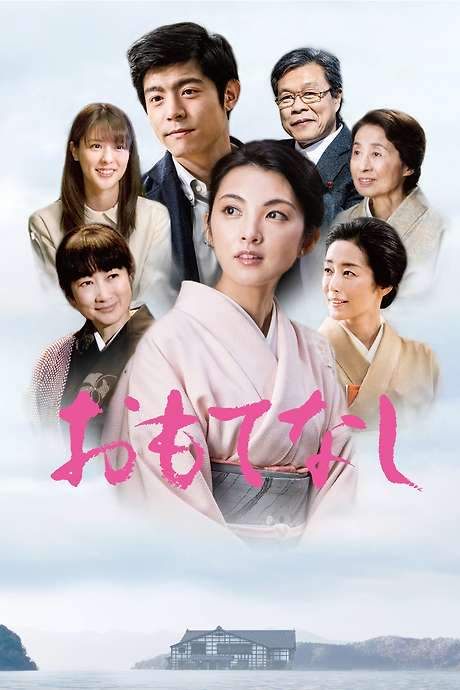
The Old Capital (2016) movie poster

Plot Summary

The Old Capital (2016) Plot Summary Explained

Release, runtime and language
2016 · 117 mins · Japanese
Loading streaming availability…
Directed by
Yuki Saito
Starring
Riko Narumi, Tsuyoshi Ihara, Eiji Okuda, Yasuko Matsuyuki, Ai Hashimoto, Asahi Kurizuka

For twenty years, Chieko Sanda has managed her family’s dry goods store in Kyoto, a tradition spanning generations. She grapples with the question of whether her daughter, Mai, a college student undecided about her future, will continue the legacy. Meanwhile, Mitsuko Nakata, Chieko's twin sister separated in childhood, struggles with financial difficulties at her forestry business outside Kyoto. Mitsuko’s daughter, Yui, an aspiring artist, travels to France where she feels lost, prompting Mitsuko to visit her. Mai also journeys to Paris to showcase Japanese culture, bringing together these interconnected lives.

On this page (6)
  1. 1 Where to watch
  2. 2 What happens: full plot
  3. 3 Plot questions answered
  4. 4 Movie threads
  5. 5 Movies like The Old Capital
  6. 6 Every angle
Loading streaming availability…

Full plot summary · contains spoilers

What Happens in The Old Capital: Full Plot Summary

The whole story of The Old Capital (2016) explained, from the opening scene to the final frame: every key event, every twist and what it all adds up to. Read it as a quick recap before the sequel, to check a scene you missed, or to finally understand what really happened.

In the heart of Kyoto, a twenty-year-old Chieko Sanda grows up as the daughter of Takichiro and Shige, owners of a wholesale dry goods shop in Nakagyo. From a young age, she has learned that she was adopted; Shige explains that she may have been snatched away under the cherry blossoms at night at Gion Shrine. The question of whether she is a foundling or a stolen child becomes a central thread that reveals itself slowly across the film.

A chance encounter at Yasaka Shrine sets off a new turn: Chieko discovers she has a twin sister, Naeko, who remained in their home village of Kitayama, working among the cryptomeria forests north of Kyoto. The two sisters look alike, and this identical appearance unsettles Hideo, a traditional weaver who becomes a potential suitor and adds a layer of tension to Chieko's questions about identity, loyalty, and belonging.

The narrative draws from Kawabata's late novel, a meditation on aging and decline, the friction between old cultural forms and the commercial, modern Japan, and the way misfortune and misreading can shape a life. The mood is restrained, with emotion felt beneath the surface rather than shouted, and accident or misunderstanding often steering fate more than intention.

Set against Kyoto's living festival calendar, the story uses real celebrations to mirror inner changes. The Gion festival, celebrated each July, features a parade of community-built floats and cherished memories, including Shin'ichi — a festival boy who once shows interest in Chieko — who remains a poignant touchstone in her recollections. Another major thread centers on the Festival of the Ages, where Hideo takes Naeko to see the parade, deepening the sense of distance between what the sisters share and what the world expects of them.

As the plot unfolds, the film quietly probes the costs of secrets, the weight of family history, and how a single rumor about origins can ripple through relationships, decisions, and futures. The city of Kyoto itself becomes a character: a place where ancient rituals coexist with storefronts and markets, where seasonal beauty both conceals and reveals truths about who we are.

Last updated: February 20, 2026 at 12:18

Was this helpful?

Plot questions answered

The Old Capital Plot Explained: Your Questions Answered

The questions people ask most about The Old Capital (2016): what happens in the confusing scenes, why the characters do what they do, the twists, hidden details and what the ending means. Each answer contains spoilers.

Q1

Why was Chieko adopted and where did her adoptive parents claim to find her?

Chieko's adoptive mother Shige told her that she was snatched away as a baby under the cherry blossoms at night at Gion Shrine. However, the film leaves whether Chieko was actually stolen or simply found as a foundling ambiguous for much of the narrative, creating the central mystery of her origins.

Foreshadowing: The mysterious origin story is introduced early and haunts the family's memory throughout the film.

  • chieko adoption
  • gion shrine
  • foundling
  • kyoto
Q2

Who is Naeko and how does Chieiko discover she has a twin sister?

Naeko is Chieko's identical twin sister who remained in their home village of Kitayama, working among the cryptomeria forests north of Kyoto. Chieko discovers Naeko's existence through a chance encounter at Yasaka Shrine, which sets the story in motion and reveals the sisters were separated at birth.

Foreshadowing: The discovery at Yasaka Shrine is triggered by the earlier questions about Chieko's mysterious origins.

  • naeko twin sister
  • kitayama
  • yasaka shrine
  • identical twins
Q3

How does Hideo react to meeting both Chieko and her twin sister Naeko?

Hideo, a traditional weaver and potential suitor for Chieko, becomes deeply confused by the sisters' identical appearances. This confusion complicates his romantic prospects and creates tension in their relationships, particularly when he later takes Naeko to view the Festival of the Ages parade.

Foreshadowing: Hideo's attraction to Chieko is established before the twin discovery, making his confusion more impactful.

  • hideo we
  • haver
  • naekoideo romance
  • twin confusion
Q4

What role does the Gion Festival play in the story?

The Gion Festival, celebrated each July in Kyoto, features a parade of community-built floats and serves as a key setting in the film. It reinforces themes of tradition and community while also evoking Chieko's personal memories, including her fond recollection of Shin'ichi, a festival boy who once showed interest in her.

Foreshadowing: Chieko's memory of Shin'ichi during the festival hints at her longing for connection and belonging.

  • gion festival
  • kyoto floats
  • july festival
  • shinichi
Q5

Why are Kyoto's festivals used as a central setting in the film?

The film uses Kyoto's real festivals, the Gion Festival and the Festival of the Ages, as a living canvas that mirrors the characters' inner changes. The seasonal celebrations provide a backdrop where ancient rituals coexist with modern life, reflecting the story's themes of tradition versus commercial modernity and the passage of time.

Foreshadowing: The festivals appear throughout the narrative, coincidng with key emotional moments for the characters.

  • kyoto festivals
  • tradition
  • celebrations
  • seasonal Kyoto
Q6

Is Chieko's origin as a stolen child ever resolved in the film?

Later in the story, the long-standing discrepancy about whether Chieko was a foundling or stolen is revealed, resolving part of the central mystery. This revelation forces a reevaluation of past events and reframes the sisters' bond and the family's memory, though the film maintains its restrained approach to this discovery.

Foreshadowing: The unresolved question about her origin drives much of Chieko's identity struggle throughout the narrative.

  • chieko origin
  • stolen child
  • foundling
  • family secret
Q7

What are the main themes explored in The Old Capital?

The film explores themes of identity, family secrets, and the tension between tradition and modernizing Japan. It probes the costs of keeping secrets, the weight of family history, and how a single rumor about origins can ripple through relationships, decisions, and futures. The story also meditates on aging and decline.

Foreshadowing: These themes emerge gradually through the characters' quiet struggles with memory and belonging.

  • identity
  • tradition
  • family secrets
  • aging Japan
Q8

How do Chieko and Naeko's different lives represent the film's themes?

Chieko lives in urban Kyoto running the family dry goods shop while Naeko remained in their rural home village of Kitayama working in the cryptomeria forests. This geographic separation highlights how place shapes identity and represents the broader tension between old cultural forms and modern commercial Japan.

Foreshadowing: The sisters' contrasting environments are established early through their separate living situations.

  • kitayama
  • rural Japan
  • urban Kyoto
  • generational change
Q9

Why does the film have a melancholic tone despite lacking dramatic events?

The film's melancholic tone comes from its themes of aging, decline, and repressed emotions. Even though the story unfolds gently without high drama, the quiet exploration of these serious themes creates a reflective mood. The restrained approach means emotion is felt beneath the surface rather than shouted, giving the film its distinctive bittersweet quality.

Foreshadowing: The meta notes establish that the film's emotional weight is medium, dealing with identity and legacy in a restrained manner.

  • melancholy tone
  • emotional restraint
  • japanese drama
  • quiet film

Movie threads

More Movies Like The Old Capital, by Mood & Story

Curated lists built around what makes The Old Capital tick: the same mood, the same kind of story or the same emotional payoff. Each list explains why these movies belong together.

Quiet family legacy dramas like The Old Capital

Gentle dramas exploring inheritance, tradition, and generational change. Movies like The Old Capital that focus on generational stories, family businesses, and the quiet melancholy of changing traditions. If you appreciated the gentle pacing and emotional restraint of The Old Capital, you'll find similar reflective dramas here.

  • melancholic
  • reflective
  • atmospheric
  • quiet
  • nostalgic
  • contemplative
  • Tone: melancholic, reflective
  • Pacing: slow, deliberate
Why these movies?

The story pattern: Narratives in this thread often follow characters at a crossroads, confronting the expectations of their heritage. The plot is secondary to the internal emotional journey, weaving together perspectives across generations to explore themes of duty, memory, and the subtle sacrifices made for family.

Why they belong together: These movies are grouped by their shared focus on introspective family dynamics, a melancholic yet restrained tone, and a slow, atmospheric pacing that prioritizes mood over dramatic events. They create a similar feeling of quiet, resonant emotion.

Movies about self-discovery journeys like The Old Capital

Characters finding themselves through travel and cultural contrast. Films similar to The Old Capital where travel and cultural exploration lead to personal growth. If you liked the arcs of Mai and Yui finding their paths in Paris, these movies capture that same sense of searching and identity formation in new environments.

  • hopeful
  • reflective
  • journey
  • atmospheric
  • contemplative
  • searching
  • Tone: hopeful, melancholic
  • Pacing: slow to steady
Why these movies?

The story pattern: The narrative pattern involves a character feeling lost or unmoored, who then travels to a place culturally distinct from their own. The contrast and new experiences force them to confront their values and desires, leading to a subtle but significant shift in self-perception, often with an ambiguous but hopeful resolution.

Why they belong together: These films share a focus on the internal journey of a character, using travel and cultural displacement as a narrative device. They blend a moderate emotional weight with a thoughtful pace, resulting in a contemplative and hopeful vibe centered on personal growth.

If you liked this

Movies Like The Old Capital

Similar movies to The Old Capital: the same genre, themes or kind of story. Each one comes with its own plot summary, timeline and ending explained.

Browse all movie summaries

Every angle

The Old Capital (2016) Explained: Plot, Timeline & Characters

Everything about The Old Capital in one place: what happens in the plot summary, the timeline in chronological order, the characters and meaning and a spoiler-free summary. What's After the Movie adds the cast, box office and post-credit scenes.

Coming soon on iOS and Android

The Plot Explained Movie Summary App

Plot summaries, endings explained and timelines on your phone. Catch up on any movie in minutes, save your favorites and never miss a twist again.

Be the first to know when we launch. Your email stays private, always.

Learn more about the app