





Plot Explained Spoilers guaranteed!
Plot Explained

Browse by genre

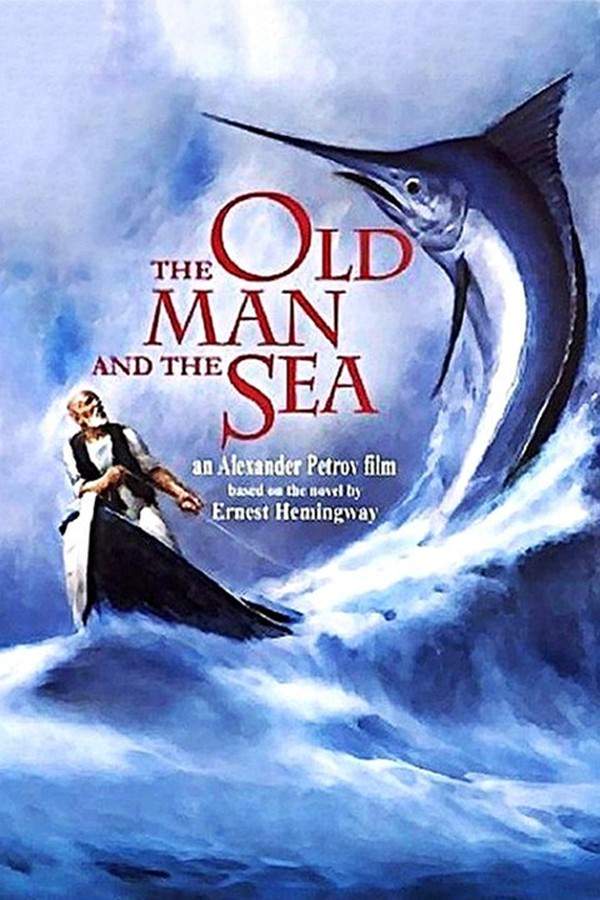
The Old Man and the Sea (1958) movie poster

Plot Summary

The Old Man and the Sea (1958) Plot Summary Explained

Release, runtime and language
1958 · 86 min · English
Directed by
John Sturges, Fred Zinnemann
Starring
Spencer Tracy, Harry Bellaver, Don Alvarado, Don Blackman, Don Diamond, Felipe Pazos

An aging Cuban fisherman, Santiago, dreams of his youthful days filled with sailing ships and incredible catches. He reflects on a time when the sea offered abundant rewards, now contrasted with his current, difficult circumstances. The story explores themes of perseverance, respect for nature, and the enduring spirit of a man facing the challenges of age and loss.

On this page (8)
  1. 1 Where to watch
  2. 2 What happens: full plot
  3. 3 Plot questions answered
  4. 4 The book behind the movie
  5. 5 Movie threads
  6. 6 Movies like The Old Man and the Sea
  7. 7 Categories
  8. 8 Every angle

Where to watch

Where to Watch The Old Man and the Sea (1958)

Where can you watch The Old Man and the Sea? Stream, rent or buy it in the US, including on Amazon Video, Apple TV Store and Fandango At Home: current JustWatch availability with up-to-date prices.

Streaming availability powered by JustWatch

Full plot summary · contains spoilers

What Happens in The Old Man and the Sea: Full Plot Summary

The whole story of The Old Man and the Sea (1958) explained, from the opening scene to the final frame: every key event, every twist and what it all adds up to. Read it as a quick recap before the sequel, to check a scene you missed, or to finally understand what really happened.

As dawn breaks, Santiago, a weary fisherman, embarks on his skiff with a desperate hope to end his long stretch of eighty-four days without a catch. Known as "salao" — the epitome of bad luck — he has seen his former apprentice Manolin abandon their shared dreams of the sea. Despite this grim reality, Santiago finds a glimmer of joy in their morning exchanges; Manolin brings him food, and together they discuss their favorite baseball player, the legendary Joe DiMaggio. As Manolin departs, Santiago drifts into memories of better days, a serene reminder of his youth.

The next morning, armed with determination, Santiago heads out early, aiming to face the mighty Gulf Stream. His luck shifts momentarily with a small albacore, yet this trifling catch only foreshadows the formidable struggle that lies ahead. Soon, he finds himself in an epic clash with a colossal marlin, a battle that tests his strength and spirit to the limit. Days stretch into a blur of fatigue and hunger as Santiago clings to his boat, finding sustenance from the very fish he seeks to conquer.

Just as hope begins to dwindle on the horizon's third sunset, Santiago faces an even greater challenge: relentless sharks begin to circle his hard-won prize. With desperation, he crafts a spear from an oar and knife, engaging in a fierce struggle against the predators. Each encounter drains him further until he finally collapses, utterly spent.

The marlin, now a ruined shell of its former grandeur, stands as both a trophy and a reminder of Santiago's own frailty against the implacable forces of nature. As he returns to shore, the skeletal remains of his catch lay testament to his brutal fight. Manolin, witnessing Santiago's struggle, sheds tears of empathy that soothe the old man's weary spirit, igniting a flicker of hope for the future amid the harsh realities of their lives.

In an unexpected twist, Santiago awakens from his slumber to enchanting visions of the sun-drenched African beaches, where lions roam majestically. This dreamscape offers a brief escape from the unforgiving existence that awaits him. He returns to his modest shack, haunted by the stark image of the marlin's remains, a poignant symbol of his vulnerability in an indifferent universe.

Last updated: November 17, 2024 at 21:37

Was this helpful?

Plot questions answered

The Old Man and the Sea Plot Explained: Your Questions Answered

The questions people ask most about The Old Man and the Sea (1958): what happens in the confusing scenes, why the characters do what they do, the twists, hidden details and what the ending means. Each answer contains spoilers.

Q1

Why is Santiago called 'salao' in the movie?

Santiago is called 'salao' because he has gone eighty-four days without catching a single fish, which marks him as the ultimate symbol of bad luck among the fishermen in his village. This extended streak of failure has caused his former apprentice Manolin to leave and fish with other boats, and it has isolated him from the other fishermen who view him as cursed.

Foreshadowing: The narrative establishes Santiago's reputation for bad luck early, establishing the stakes for his journey.

  • salao
  • bad luck
  • eighty-four days
  • Santiago
  • fisherman reputation
Q2

Why does Manolin stop fishing with Santiago?

Manolin stops fishing with Santiago because of the old man's terrible luck - after forty days of no catches, Manolin's parents force him to join a more successful boat. Despite this, Manolin still cares for Santiago, bringing him food and discussing baseball, showing their bond remains strong even though they can no longer fish together.

Foreshadowing: Manolin's departure is mentioned before Santiago sets out, highlighting the old man's isolation.

  • Manolin
  • Santiago
  • apprentice
  • leaves
  • fishing together
Q3

How long does Santiago battle the marlin?

Santiago battles the marlin for three days and nights, spending much of this time exhausted, hungry, and in pain as he struggles to pull the massive fish alongside his skiff. The extended duration tests his physical limits and mental determination, with the battle ending just as the third sunset approaches.

Foreshadowing: The timeline builds toward this multi-day struggle after Santiago sets out to face the Gulf Stream.

  • three days
  • marlin battle
  • Santiago
  • endurance
  • Gulf Stream
Q4

Why doesn't Santiago let the marlin go?

Santiago refuses to let the marlin go because he has already invested too much physical and mental energy into catching it, and admitting defeat would mean accepting his status as 'salao.' Additionally, he respects the marlin as a worthy opponent and feels a deep personal connection to the fight, viewing it as a matter of pride and proof of his still-existing skills as a fisherman.

Foreshadowing: Santiago's determination is hinted at when he decides to head far out into the Gulf Stream despite the risks.

  • Santiago
  • marlin
  • pride
  • determination
  • respect
  • fight
Q5

Why do the sharks attack Santiago's catch?

The sharks attack because they are attracted by the blood of the marlin, which Santiago has lashed to the side of his boat. The blood trails through the water, drawing first one shark, then a horde of others who tear into the marlin's flesh despite Santiago's desperate attempts to fight them off with his makeshift spear.

Foreshadowing: The marlin's wounds from the long battle create a blood trail that Santiago knows will attract predators.

  • sharks
  • marlin
  • blood
  • attack
  • spear
  • oar knife
Q6

What remains of the marlin when Santiago returns to shore?

When Santiago returns to shore, all that remains of the massive marlin is its skeletal frame - the sharks have completely devoured the flesh, leaving only the bones. This skeleton stands as both a trophy and a poignant reminder of Santiago's brutal battle against nature and his ultimate loss.

Foreshadowing: The shark attack depletes the marlin throughout the night, leading to this final outcome.

  • marline skeleton
  • bones
  • sharks
  • return
  • shore
Q7

Why does Manolin cry when he sees Santiago return?

Manolin cries because he is deeply moved by Santiago's condition - the old man is physically destroyed, exhausted, and has lost his prized catch. These tears represent Manolin's empathy, his emotional connection to Santiago, and his recognition of the enormous sacrifice Santiago made. The moment also renews their bond and sparks hope for their future fishing partnership.

Foreshadowing: Manolin's emotional response follows directly from witnessing Santiago's devastated state upon arrival.

  • Manolin
  • tears
  • Santiago
  • empathy
  • return
  • hope
Q8

What does Santiago's dream of lions at the end mean?

Santiago's dream of lions playing on African beaches represents his memories of youth and vitality, offering him a brief escape from his harsh reality. The lions symbolize strength, dignity, and the prime of life - qualities Santiago once possessed and still aspires to reclaim. This dream provides a moment of peace and hope amid his physical and emotional exhaustion.

Foreshadowing: Earlier, Santiago reflects on his youth and better days at sea, connecting to this dreamlike vision.

  • dream
  • lions
  • Africa
  • youth
  • escape
  • symbolism
Q9

Does Santiago consider his journey a failure?

While Santiago loses the marlin to the sharks, he does not truly consider his journey a failure because he proved he can still catch a magnificent fish and endure extraordinary hardship. His skills, courage, and spirit remain intact, and he earns respect from Manolin and potentially other fishermen who see what he accomplished. The skeleton of the marlin serves as proof of his achievement.

Foreshadowing: Santiago's internal resolve throughout the battle demonstrates his focus on the fight itself, not just the outcome.

  • failure
  • success
  • Santiago
  • marlin
  • proof
  • respect
Q10

Why is the story considered inspiring even though Santiago loses?

The story inspires because Santiago's perseverance, determination, and dignity in the face of overwhelming odds matter more than the physical outcome. He demonstrates that courage, skill, and spirit cannot be taken by sharks or time. His renewed connection with Manolin and his defiant dream of lions show that hope and human dignity persist despite loss.

Foreshadowing: The narrative frames Santiago's struggle as a test of character rather than merely a fishing expedition.

  • inspiration
  • perseverance
  • loss
  • dignity
  • hope
  • spirit

Movie threads

More Movies Like The Old Man and the Sea, by Mood & Story

Curated lists built around what makes The Old Man and the Sea tick: the same mood, the same kind of story or the same emotional payoff. Each list explains why these movies belong together.

Movies about solitary endurance like The Old Man and the Sea

Stories of individuals pushed to their limits by the unforgiving power of the natural world. For viewers who appreciated the quiet struggle in The Old Man and the Sea, this collection features movies about individuals battling nature. Discover similar stories of perseverance and resilience in films like Cast Away or All Is Lost, where the core conflict is a solitary fight for survival against overwhelming odds.

  • solitary
  • enduring
  • weary
  • respectful
  • contemplative
  • struggle
  • Tone: melancholic, somber, reflective
  • Pacing: slow, deliberate
Why these movies?

The story pattern: The narrative pattern centers on a protagonist, often isolated, who is tested by a direct confrontation with the natural world. The journey is less about external plot twists and more about the internal fortitude required to endure physical exhaustion, emotional isolation, and the ultimate humbling power of nature.

Why they belong together: Movies are grouped here for their shared focus on the elemental conflict between human will and the natural environment. They create a specific, contemplative mood through their emphasis on solitude, physical struggle, and the thematic exploration of human limits and respect for forces larger than oneself.

Movies about aging and bittersweet reflection like The Old Man and the Sea

Quiet character studies exploring the weight of age, memory, and finding grace in loss. If you liked the reflective and bittersweet tone of The Old Man and the Sea, explore these films about aging and legacy. Find similar character-driven dramas that thoughtfully examine themes of memory, loss, and the quiet heroism of enduring, such as The Straight Story or A Man Called Ove.

  • reflective
  • somber
  • hopeful
  • weary
  • enduring
  • dreamlike
  • Tone: melancholic, bittersweet, dignified
  • Pacing: slow, contemplative
Why these movies?

The story pattern: These narratives often follow an elderly protagonist reflecting on their life, confronting their mortality, and grappling with a sense of obsolescence. The story arc typically involves a final, symbolic act or reconciliation that offers a bittersweet conclusion—not a total victory, but a meaningful peace or renewed connection.

Why they belong together: These films are connected by their central thematic focus on aging, memory, and loss, presented with a melancholic yet dignified tone. They share a slow, deliberate pace that allows for deep character immersion and a bittersweet emotional payoff, creating a deeply reflective viewing experience.

If you liked this

Movies Like The Old Man and the Sea

Similar movies to The Old Man and the Sea: the same genre, themes or kind of story. Each one comes with its own plot summary, timeline and ending explained.

Browse all movie summaries

Categories

Movie Lists Featuring The Old Man and the Sea

The Old Man and the Sea appears in these hand-built movie categories. Each one groups movies by a specific mood, theme or story type, with their plot summaries and endings explained.

View all movie categories

Every angle

The Old Man and the Sea (1958) Explained: Plot, Timeline & Characters

Everything about The Old Man and the Sea in one place: what happens in the plot summary, the timeline in chronological order, the characters and meaning and a spoiler-free summary. What's After the Movie adds the cast, box office and post-credit scenes.

Coming soon on iOS and Android

The Plot Explained Movie Summary App

Plot summaries, endings explained and timelines on your phone. Catch up on any movie in minutes, save your favorites and never miss a twist again.

Be the first to know when we launch. Your email stays private, always.

Learn more about the app