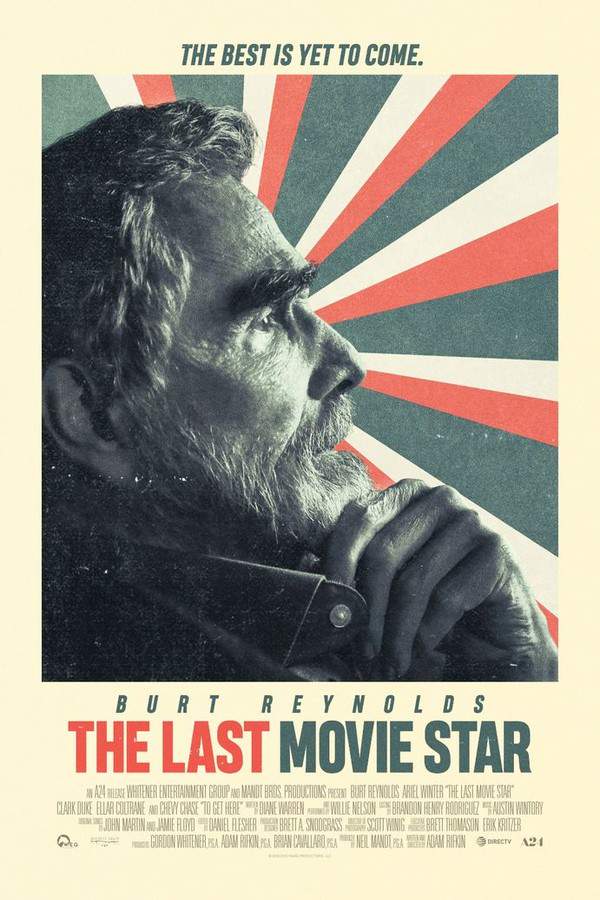
Vic Edwards, once a towering movie star, is invited to a small Nashville film festival that promises warmth but quickly reveals itself as a test of what he’s lost and what he still has to give. He slides into a world far from the glitz he once inhabited, starting with a jarring mismatch: his seat in coach, a shabby hotel, and a personal assistant who doesn’t know his name or his legacy. The festival is modest—held in the back room of a bar—and Vic responds to the crowd with a mix of cynicism and fatigue, allowing the reverence of others to wash over him only in fits and starts. The contrast between his remembered fame and present invisibility fuels a slow-burning discontent, while Sonny’s memory of the past—a reminder of better days—hangs over him like a weight he can’t shake.
The next morning, Vic shifts from resentment to a push toward his roots. He asks to be driven to Knoxville, to walk the streets of the boyhood town where his passions first took hold. In the quiet dawn, he revisits the high school stadium where he played college football, recounting a life-threatening injury that truncated his athletic career and, in his view, redirected him toward acting. He speaks with a stubborn pride about the respect he earned on the football field, a respect he believes outshines the fame that followed. The trip becomes a meditation on what it means to be remembered, and how the people in his life—especially his first wife, who loved him for who he was—shaped his sense of self beneath the glitter.
Vic’s reflections deepen as he contends with the messy realities of his personal life. In a luxury hotel suite, he learns that Lil’s boyfriend has betrayed her, and he offers counsel born from hard-won experience: when someone is not treated well, they deserve better, and walking away can be the bravest choice. A visit to the nursing home where his first wife now resides is a piercing reminder of time’s erosive power—she no longer recognizes him. Yet the memory of their past, and the goodness he once found there, becomes a compass. He imagines himself stepping into scenes from his filmography, a hall of echoes where characters from Smokey and the Bandit and Deliverance mingle with his present self, testing how far he has strayed from or returned to the kind of man those roles suggested he could be.
With the hospital of memory and the hospital of aging both open, Vic makes a quiet, determined choice: he will seek reconciliation with the woman who truly loved him. The next morning, he helps guide his memories out of the nursing home and toward the riverside, where he re-enacts the moment of his long-ago engagement, offering a sincere apology and a renewed pledge. The moment is simple but meaningful, and it brings a warmth that has eluded him for years. She responds with happiness, a spark that seems to illuminate not just the past but the possibility of a gentler present.
The festival’s final reel arrives as if to crown his voyage. A last film—interwoven with a fragment from Gunsmoke—plays, and Vic returns to the room with a lighter step, a sense of peace settling over him. Reconciled with the people he’s loved, and with the man he sees himself becoming, Vic accepts the lifetime achievement recognition with a quiet grace. The applause feels earned not as a claim to fame, but as a validation of a life that has learned to balance fame, fault, memory, and forgiveness.