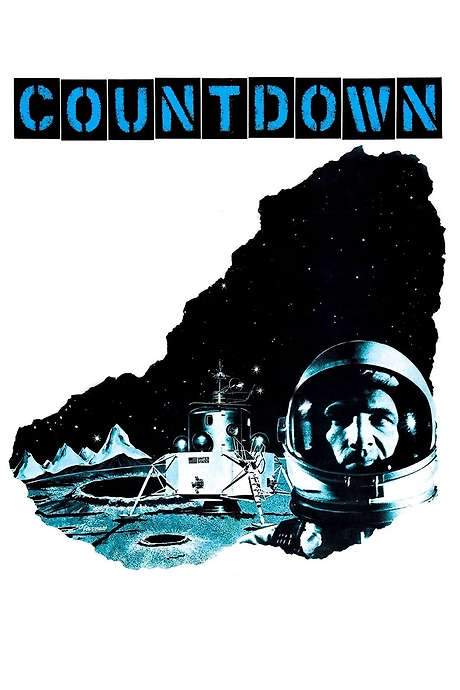
The year is 1997, and the world breathes a fragile peace, even as a remarkable, orbiting hub called the FLORIDA ARKLAB keeps watch above Earth. This European/American space station has the extraordinary capability to influence weather at will, a tool born from peaceful curiosity but with the potential to become a devastating offensive weapon in the wrong hands. As global tensions between the United States and the Soviet Union simmer, the station sits at the crossroads of diplomacy and danger, a beacon of science that could just as easily tip the balance of power if misused.
Billy Hayes is a capable astronaut aboard the station, sharing months of isolation with his fellow crew and developing a quiet, sturdy bond with Max Marek. Their camaraderie helps them endure the claustrophobic confines of space, even as distance gnaws at the rest of their lives back on Earth. Back home, Eva Thompson, Max’s wife, reaches out through the communications channels to announce a painful decision: she is filing for divorce because the long, demanding separations have strained their relationship to a breaking point. The proximity of personal turmoil to such a monumental project adds a tense texture to their mission, making every routine check feel heavier with unspoken consequences.
Beneath the crew’s routine operations, a shadowy plot begins to unfold. Spies attempt to seize control of the ARKLAB, leveraging its weather-manipulation abilities and its reactor as a weapon. When the station’s nuclear reactor sustains damage, Max takes a desperate, solitary turn to repair it, a move that casts suspicion on him and threatens to expose a deeper conspiracy. The atmosphere aboard the station darkens as trust frays and loyalties blur, and the line between ally and adversary becomes dangerously hard to read.
Eva Thompson and Gregor Vandenburg are dispatched to assist with the repair, stepping into a gauntlet of danger and deceit. Yet Vandenburg reveals himself as a spy and turns the crisis into sabotage, wounding Max and accelerating the station’s collapse. In a final, human twist, Max sacrifices himself, killing the would-be saboteur and confessing his love for Eva before he dies, a moment that underscored the fragile limits of loyalty and courage within the vacuum of space. As the station fragments, Billy shouts Max’s name into the void, a pleading beacon of friendship and loss. With the facility failing around them, Billy and Eva flee the cataclysm aboard a shuttle, escaping just as the FLORIDA ARKLAB is torn apart and destroyed.
Back on Earth, the aftermath unfolds through a somber debriefing. Felix Kronenberg receives Billy’s report and must reckon with a sobering truth: American forces had attempted to weaponize the station, but their plan caused an unimaginable flood that underscored the catastrophic risk of deploying such power. The fragile peace seems even more precarious in the aftermath of unwitting disaster. In the quiet that follows, the loss is measured not only in lives but in the weight of knowledge; both Billy and Eva ultimately succumb to radiation poisoning, and Felix mourns their passing, a stark reminder that even triumphs in science can carry a tragic price.
The story traverses a landscape of political intrigue, personal sacrifice, and the perilous edge between discovery and destruction. It asks hard questions about trust, the moral responsibilities that accompany powerful technology, and the human costs that emerge when the quest for security spirals into catastrophe. The film remains a careful, measured exploration of how ambition, secrecy, and love collide at the edge of space.