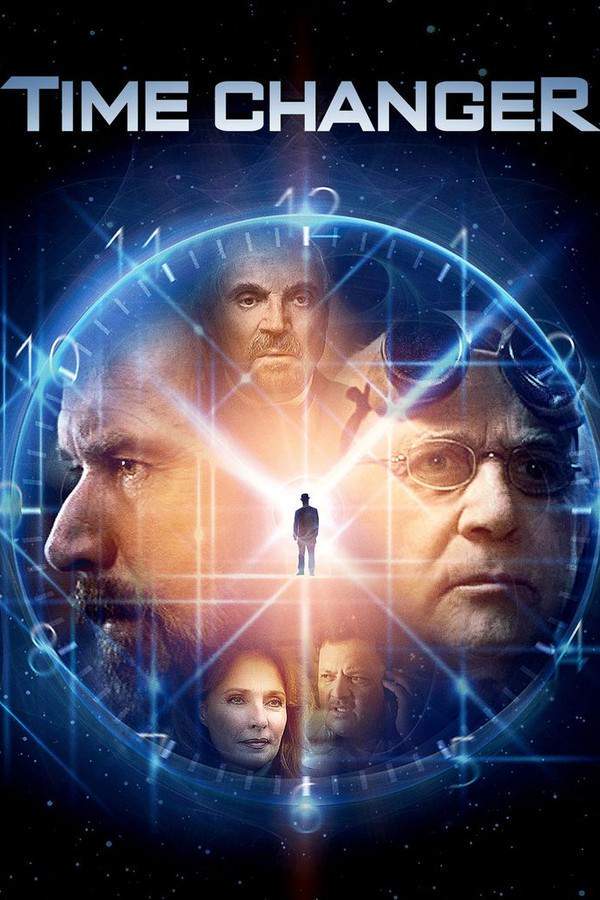
Kalpa, Vimukthi Kiriella, a meticulous physicist at Tusker Enterprises in the Research and Development Division, hungrily pursues a time-travel device that might finally bend the fabric of reality. His work is a dream of control, a way to reach beyond the limits of the present, and it consumes his attention as he strives to make the machine functional.
His dedication clashes with life beyond the lab. He misses a crucial night out Nikita Ishanka Abeysekara has planned to introduce him to her circle, and the tension between them erupts into a fierce argument that ends with Nikita withdrawing from the relationship. Kalpa’s eyes are pulled away from the clock by the idea of what he might lose, even as the room seems to close in around him. On his way back toward the lab, a figure seems to slip behind a wall, an odd, unsettling sight that sticks with him as the night grows heavier. The encounter is interrupted by the practical reality of his work, and a janitor offers a stark reflection: The main fault of man is that we think we have enough time, and to be mindful before departing.
Back at the lab, the machine unexpectedly comes online, and a phone call arrives with devastating news: Nikita is dead in an accident. The shock of loss hardens into a dangerous curiosity, and Kalpa decides to travel back in time, attempting to change the moment that fractured their chances at happiness. He discovers that he is the figure who vanished behind the wall earlier, and that he only has five minutes in the past before being yanked back into the current timeline.
In his first two attempts to save Nikita, Kalpa arrives too late; the road remains cruelly empty of a rescue, and Nikita’s body disappears from the scene before he can intervene. The third attempt becomes a turning point: he resolves to plan the timing with precision, mindful of every second, and he rides into the past with a new, almost ritual focus. He tries to reach her sooner by racing through traffic, but the momentum of his actions creates a fatal chain of events. He moves faster than the moment, and as he hurtles toward Nikita, fate twists in a cruel loop—the moment of impact arrives while he is still in motion. The car strikes, and Nikita dies on the road just as Mallett’s Comet blazes across the night sky.
The immediate consequences ripple through Kalpa’s timeline, and the lab’s quiet hum seems to echo with a hard, inexorable clock. He is pulled back into the lab just as the car’s momentum carries into the wall, a stark image of how trying to alter time can fracture both love and life. The result is not a happy reunion but a solemn paradox: the attempt to save Nikita leads to her death, and the universe seems to demand a toll for every intervention.
In a post-credits moment, Bernard, Lakshman Mendis, the CEO of Tusker Enterprises, receives Kalpa’s files and is told that Kalpa has regained consciousness. The scene leaves a lingering question about what has truly been saved or lost in the pursuit of changing fate, and whether the costs of time travel can ever be fully weighed or understood.
- Kalpa’s dream of bending time is framed by the ethical weight of his actions and the inexorable pull of consequence.
- The narrative threads of love, loss, and obsession collide within a world where even a single misstep can erase a moment from existence.
- The film leans into a quiet, methodical mood, using scientific ambition to probe the fragility of human connection and the limits of control over one’s own destiny.
- The repeated attempts, the grim realization of the looming dangers, and the final, haunting image of the comet paint a thoughtful portrait of time as both possibility and peril.
> The main fault of man is that we think we have enough time.
> be mindful.