The Night of the Iguana

The Night of the Iguana

JustWatch#25,3781

Year: 1964

Runtime: 118 mins

Language: English

Director: John Huston

RomanceDrama

A disgraced Episcopal minister takes a group of middle‑aged Baptist women on a night‑long bus tour of the Mexican coast. As the journey unfolds, he confronts the personal failures that have haunted him, while the three women each bring their own secrets and desires to the night.

Where to Watch The Night of the Iguana?

Find where to stream, rent, or buy The Night of the Iguana (1964) in the US with current JustWatch availability, up-to-date pricing, and platform listings for subscription, rental, and digital purchase options.

Warning: spoilers below!

Haven’t seen The Night of the Iguana yet? This summary contains major spoilers. Bookmark the page, watch the movie, and come back for the full breakdown. If you're ready, scroll on and relive the story!

Timeline & Setting – The Night of the Iguana (1964)

Explore the full timeline and setting of The Night of the Iguana (1964). Follow every major event in chronological order and see how the environment shapes the story, characters, and dramatic tension.

Time period

1960s

The story unfolds in the early 1960s, a period of evolving social mores and liberal attitudes clashing with traditional propriety. Travel by bus and a seaside resort culture reflect a era of expanding travel and informal encounters. The time period influences characters' choices, norms, and the tension between public facades and private desires.

Location

Puerto Vallarta, Mismaloya, Mexico

The action centers on the coastal resort area around Puerto Vallarta and the nearby village of Mismaloya, where a rundown Costa Verde hotel provides shelter for a mismatched group. The setting juxtaposes sun-drenched beaches and rugged shorelines with the tense, claustrophobic interior of a hotel run by Maxine. This Mexican seaside locale serves as a backdrop for moral conflict, chance encounters, and fragile humanity under pressure.

🏖️ Beach town 🗺️ Tourist destination

Last updated: March 05, 2026 at 18:21

Was this helpful?

Main Characters – The Night of the Iguana (1964)

Meet the key characters of The Night of the Iguana (1964), with detailed profiles, motivations, and roles in the plot. Understand their emotional journeys and what they reveal about the film’s deeper themes.

Hannah Jelkes (Deborah Kerr)

A graceful itinerant painter from Nantucket traveling with her 96-year-old poet grandfather, Nonno. She embodies warmth, restraint, and quiet spiritual insight, offering Shannon a compassionate counterpoint to his turmoil. Her presence provides a moral compass and a pathway to compassion, guiding him toward a moment of clarity during his breakdown. She ultimately leaves to pursue her own path, reframing the possibility of shared life with Shannon and Maxine.

🎨 Painter 🕊️ Spiritual 🌊 Calm

Maxine Faulk (Ava Gardner)

The bawdy, flamboyant hotel owner who takes in the tour group after Shannon’s reckless detour. She brings worldly pragmatism and seductive charm, often using charm to influence events and people around her. She forms a tenuous bond with Shannon and ultimately suggests a joint life running the hotel, accepting a precarious partnership amid the chaos. Her presence exposes the tension between desire, loyalty, and survival.

🔥 Seductive 🏨 Host 🌀 Complex

Charlotte Goodall (Sue Lyon)

A 16-year-old who exerts a provocative influence on Shannon, described as ‘man-crazy.’ Her seduction attempts and rebellious behavior spark conflict and force adults to confront their boundaries and responsibilities. She rouses trouble with Hank and Miss Fellowes, amplifying the moral and emotional stakes at the hotel. Her actions drive much of the night-time tension in the story.

🧒 Teen ⚡ Provocative

Rev. Dr. T. Lawrence Shannon (Richard Burton)

An Episcopal clergyman turned tour guide who suffers a nervous breakdown after being ostracized for a past affair. He struggles with desire, alcohol, and guilt while attempting to maintain control over a chaotic situation. His arc moves from self-destruction toward fragile redemption as he contemplates moral responsibility. The drama centers on his vulnerability and capacity for mercy, even as he teeters on the edge.

🧭 Leader 🔥 Flawed 🕯️ Turbulent

Judith Fellowes (Grayson Hall)

The stringent chaperone entrusted with Charlotte, she becomes a vocal critic of Shannon’s conduct. She frames the moral crisis as a matter of duty and order, often blaming the Tour director for the group’s troubles. Her relentless scrutiny escalates the stakes and underscores the conflict between propriety and human frailty. Despite her vigilance, she is drawn into the hotel's shifting loyalties.

🎯 Authority 🗣️ Judgment

Nonno (Cyril Delevanti)

A 96-year-old poet whose final version of a life-affirming poem completes his long labor. He shares quiet wisdom and a sense of endurance, anchoring the group with his calm presence. His death marks a somber turning point that reframes the characters’ struggles within a broader meditation on heart and humanity.

🧓 Poet 🎭 Wisdom

Hank Prosner (Skip Ward)

The bus driver who becomes entangled in the group’s schemes, aiding Charlotte and complicating Shannon’s control. He personifies the drive toward thrill and trouble that pervades the night at the hotel. His actions amplify the sense of danger and unpredictability surrounding Shannon’s vulnerable state.

🚚 Driver ⚡ Instigator

Barkeeper (Emilio Fernández)

An uncredited figure who tends to the hotel’s bar, quietly witnessing the group’s tensions and tempers. His role provides a backdrop of routine hospitality against the volatile emotional storms inside the hotel. He embodies the ordinary keeper of a place where extraordinary things unfold.

🍸 Bartender 👀 Observer

Miss Peebles (Mary Boylan)

A member of the Baptist schoolgroup, she represents the stern, conventional voice within the group’s dynamics. She participates in the organizational critique of Shannon’s behavior and helps to anchor the group’s outward expectations. Her presence reinforces the tension between duty and personal desire among the adults.

🎒 Group Member 🧭 Observer

Teacher (Eloise Hardt)

An uncredited member of the group who serves as a classroom voice among the teachers traveling with the group. Her presence underscores the setting’s educational mission and the adults’ attempts to supervise the younger travelers. She contributes to the overall mood of authority confronting temptation.

🧭 Advisor 👀 Witness

Mlle Dexter (Gladys Hill)

An uncredited figure within the hotel’s company, contributing to the ensemble dynamic of the traveling group. Her role, though minor, adds to the texture of a busy, multi-character night where relationships and loyalties shift. She helps populate the hotel’s social tapestry during the unfolding events.

🎭 Ensemble 🗂️ Support

Last updated: March 05, 2026 at 18:21

Was this helpful?

Major Themes – The Night of the Iguana (1964)

Explore the central themes of The Night of the Iguana (1964), from psychological, social, and emotional dimensions to philosophical messages. Understand what the film is really saying beneath the surface.

🔥 Desire

Desire drives much of the drama, pushing characters toward boundaries they are reluctant to cross. Shannon’s struggle between restraint and temptation pits spiritual duty against personal longing. Charlotte’s provocations and Maxine’s allure intensify the pull between propriety and indulgence. The tension reveals how longing can both endanger and illuminate a person’s dignity.

🕊️ Redemption

The narrative traces a path from moral failure toward potential redemption. Hannah embodies a quiet, compassionate counterforce that offers spiritual guidance during Shannon’s breakdown. Moments of mercy and forgiveness surface as Shannon fights his impulses and seeks a steadier course. The ending suggests redemption is possible, though it remains fragile and contingent on choices.

⚖️ Power

Power dynamics animate the interactions among Shannon, Miss Fellowes, Maxine, and the young Charlotte. Responsibility, control, and influence are negotiated through coercion, manipulation, and persuasion. The hotel becomes a microcosm where authority is tested, contested, and sometimes consensually redefined. These tensions illuminate how power can corrupt yet also enable protection and care.

🎨 Art

Art and spirituality intersect through Hannah, a painter, and Nonno, a poet, highlighting how creativity grapples with a corrupt world. The characters’ reflections reveal art as a form of resilience and meaning in chaotic surroundings. The film frames artistic pursuit as a gentle counterweight to the harsher impulses at play. Ultimately, art offers a lens to understand and endure human frailty.

Last updated: March 05, 2026 at 18:21

Was this helpful?

The Night of the Iguana (1964) Character & Theme Questions Answered – Info FAQ

Browse frequently asked questions about The Night of the Iguana (1964) focused on characters, relationships, themes, symbols, setting, and story context. This movie info FAQ gives spoiler-aware explanations for character arcs, world details, and thematic interpretation so readers can better understand what the film is really about.

Q1

Where is The Night of the Iguana set?

A.

The film takes place along the Mexican Pacific coast, primarily in the Puerto Vallarta area and the nearby village of Mismaloya. The central location is the rundown Costa Verde hotel, a beachfront establishment run by Maxine Faulk. The setting juxtaposes sun-drenched beaches and rugged shorelines with the tense interior of the hotel, creating a backdrop for moral conflict and fragile humanity.

puerto vallartamismaloyamexicocosta verde hotelsettinglocation
Q2

What time period does The Night of the Iguana take place in?

A.

The story is set in the early 1960s, a period characterized by evolving social mores and liberal attitudes clashing with traditional propriety. The era of expanding travel and informal encounters is reflected in the bus tour format and seaside resort culture. This time context influences the characters' choices and creates tension between public facades and private desires.

1960stime period1960s mexicoerasocial context
Q3

What are the main themes of The Night of the Iguana?

A.

The film explores several interconnected themes: Desire, which drives characters toward boundaries they are reluctant to cross; Redemption, as the narrative traces a path from moral failure toward potential redemption; Power, examining how authority is tested and contested; and Art, showing how creativity serves as resilience and meaning against chaos. These themes intersect to examine human frailty, longing, and the possibility of mercy.

desireredemptionpowerartthemesspiritualitymorality
Q4

How does The Night of the Iguana explore desire and temptation?

A.

Desire functions as a central dramatic force, pushing characters toward boundaries they are reluctant to cross. Shannon's struggle pits spiritual duty against personal longing, while Charlotte's provocations and Maxine's allure intensify the pull between propriety and indulgence. The tension reveals how longing can both endanger and illuminate a person's dignity, particularly through Shannon's internal conflict.

desiretemptationlongingsexualityshannonmaxinecharlotte
Q5

Does The Night of the Iguana offer redemption?

A.

The narrative traces a path from moral failure toward potential redemption. Hannah embodies a compassionate counterforce offering spiritual guidance during Shannon's breakdown. Moments of mercy and forgiveness surface as he fights his impulses and seeks a steadier course. The ending suggests redemption is possible, though it remains fragile and contingent on choices, with Shannon finding a pragmatic peace rather than transcendent salvation.

redemptionsalvationmercyforgivenessshannonhannahending
Q6

Who is Maxine Faulk in The Night of the Iguana?

A.

Maxine Faulk is the bawdy, flamboyant owner of the Costa Verde hotel where much of the story unfolds. Portrayed by Ava Gardner, she brings worldly pragmatism and seductive charm, often using her influence to shape events around her. She forms a tenuous bond with Shannon and ultimately suggests a joint life running the hotel, accepting a precarious partnership amid the chaos. Her character exposes the tension between desire, loyalty, and survival.

maxine faulkava gardnerhotel ownercharacterrole
Q7

Who is Hannah Jelkes in The Night of the Iguana?

A.

Hannah Jelkes is a graceful itinerant painter from Nantucket traveling with her 96-year-old poet grandfather, Nonno. Portrayed by Deborah Kerr, she embodies warmth, restraint, and quiet spiritual insight. She offers Shannon a compassionate counterpoint to his turmoil, providing a moral compass and pathway to compassion during his breakdown. Her presence guides him toward a moment of clarity before she leaves to pursue her own path.

hannah jelkesdeborah kerrpaintercharacterrolenonno
Q8

Who is the main character in The Night of the Iguana?

A.

The main character is Rev. Dr. T. Lawrence Shannon, an Episcopal clergyman turned tour guide portrayed by Richard Burton. After being ostracized for a past affair, he now suffers a nervous breakdown while leading a group of middle-aged Baptist women on a bus tour. He struggles with desire, alcohol, and guilt while attempting to maintain control over a chaotic situation. His arc moves from self-destruction toward fragile redemption as he contemplates moral responsibility.

t. lawrence shannonrichard burtonprotagonistmain characterdefrocked minister
Q9

What is Charlotte Goodall's role in The Night of the Iguana?

A.

Charlotte Goodall is a 16-year-old who exerts a provocative influence on Shannon, described as 'man-crazy.' Her seduction attempts and rebellious behavior spark conflict and force adults to confront their boundaries and responsibilities. She rouses trouble with bus driver Hank and chaperone Judith Fellowes, amplifying the moral and emotional stakes at the hotel. Her actions drive much of the nighttime tension in the story.

charlotte goodallsue lyonteenagecharacterroleprovocation
Q10

Who is Nonno in The Night of the Iguana?

A.

Nonno is a 96-year-old poet traveling with his granddaughter Hannah Jelkes. He represents the culmination of a life's work, completing a final version of a life-affirming poem. He shares quiet wisdom and a sense of endurance, anchoring the group with his calm presence. His death marks a somber turning point that reframes the characters' struggles within a broader meditation on heart and humanity.

nonnopoetcyril delevanticharacterdeathgrandfather
Q11

How does power play out in The Night of the Iguana?

A.

Power dynamics animate the interactions among Shannon, Miss Fellowes, Maxine, and Charlotte. Responsibility, control, and influence are negotiated through coercion, manipulation, and persuasion. The hotel becomes a microcosm where authority is tested, contested, and sometimes consensually redefined. These tensions illuminate how power can corrupt yet also enable protection and care, particularly in Shannon's struggle to maintain control over the group.

powerauthoritycontrolmanipulationconflictdynamics
Q12

What role does art play in The Night of the Iguana?

A.

Art and spirituality intersect through Hannah, a painter, and Nonno, a poet, highlighting how creativity grapples with a corrupt world. Their artistic pursuits represent a form of resilience and meaning in chaotic surroundings. The film frames artistic expression as a gentle counterweight to the harsher impulses at play. Ultimately, art offers a lens to understand and endure human frailty, with Nonno's final poem serving as a culminating expression of this theme.

artpaintingpoetrycreativityspiritualitynonnohannahmeaning
Mobile App Preview

Coming soon on iOS and Android

The Plot Explained Mobile App

From blockbusters to hidden gems - dive into movie stories anytime, anywhere. Save your favorites, discover plots faster, and never miss a twist again.

Sign up to be the first to know when we launch. Your email stays private, always.

Explore Movie Threads

Discover curated groups of movies connected by mood, themes, and story style. Browse collections built around emotion, atmosphere, and narrative focus to easily find films that match what you feel like watching right now.

Claustrophobic psychological dramas like The Night of the Iguana

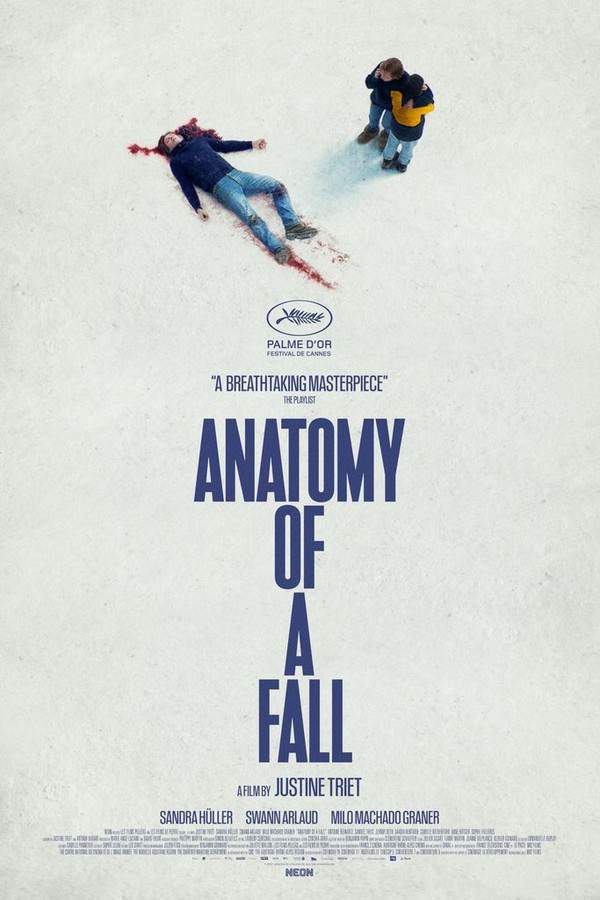
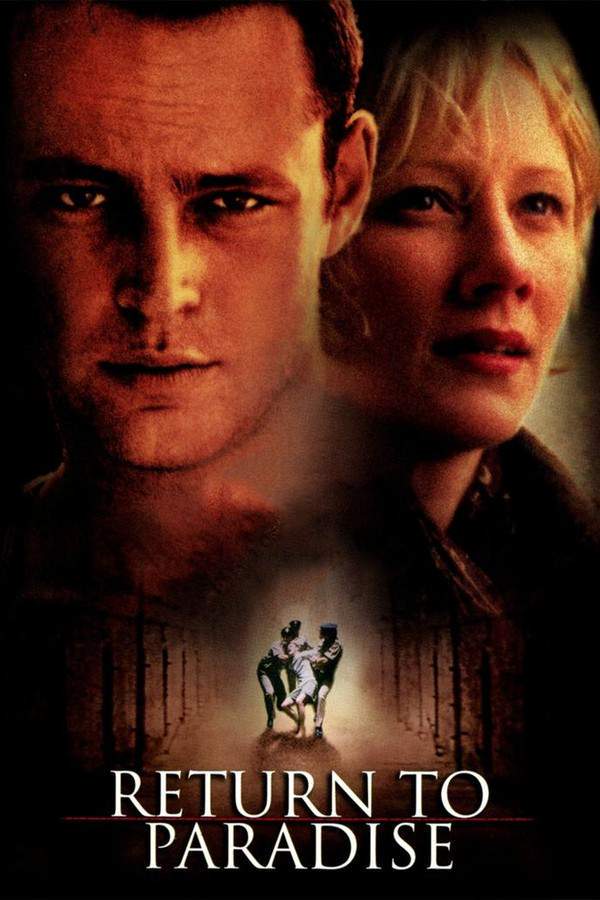
Characters pushed to their limits in suffocating, isolated settings.Find more movies like The Night of the Iguana that explore tense psychological breakdowns in isolated settings. These films feature characters grappling with personal crises under immense pressure, leading to raw emotional confrontations.

claustrophobicanxioustormentedemotional turmoilpsychologically intensedesperateconfrontational

Narrative Summary

The narrative typically unfolds over a short, intense period in a single location, forcing characters into confrontations with themselves and each other. The plot is driven by internal turmoil and escalating tension rather than external action, culminating in a moment of crisis or catharsis.

Why These Movies?

These movies are grouped by their shared atmosphere of psychological suffocation and high-stakes emotional conflict. They prioritize intense character studies over plot mechanics, delivering a heavy, often unsettling viewing experience defined by a palpable sense of dread and desperation.

Movies about moral failure and survival like The Night of the Iguana

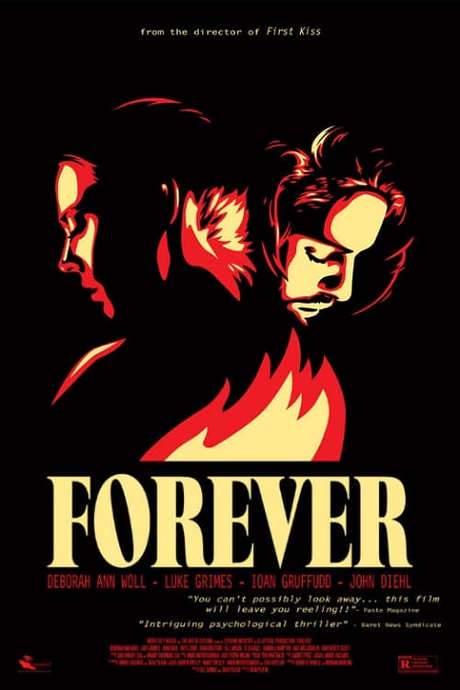
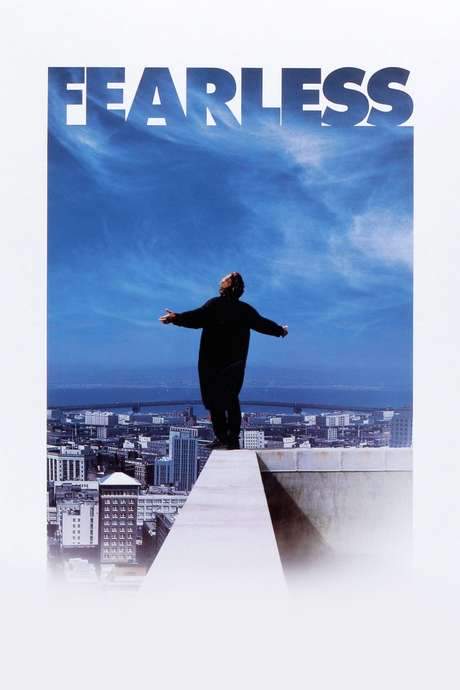
Characters find a pragmatic peace after facing their darkest moments.Discover films similar to The Night of the Iguana that explore characters surviving their moral failures. These stories end on a bittersweet note, focusing on pragmatic peace rather than pure redemption.

melancholicdesperatespiritual crisismoral failurebittersweetredemptionexistentialheavy

Narrative Summary

The narrative follows a character's descent into disgrace or despair, often self-inflicted, followed by a long night of the soul. The resolution is not a triumphant return to grace but a hard-won, compromised form of survival, accepting a new, more flawed reality.

Why These Movies?

These films are united by their exploration of heavy themes like moral failure and existential crisis, culminating in endings that are more about endurance than victory. They reject simple happy endings in favor of complex, emotionally resonant conclusions that feel earned and realistic.

Unlock the Full Story of The Night of the Iguana

Don't stop at just watching - explore The Night of the Iguana in full detail. From the complete plot summary and scene-by-scene timeline to character breakdowns, thematic analysis, and a deep dive into the ending - every page helps you truly understand what The Night of the Iguana is all about. Plus, discover what's next after the movie.

The Night of the Iguana Summary

Read a complete plot summary of The Night of the Iguana, including all key story points, character arcs, and turning points. This in-depth recap is ideal for understanding the narrative structure or reviewing what happened in the movie.

The Night of the Iguana Summary

The Night of the Iguana Timeline

Track the full timeline of The Night of the Iguana with every major event arranged chronologically. Perfect for decoding non-linear storytelling, flashbacks, or parallel narratives with a clear scene-by-scene breakdown.

The Night of the Iguana Timeline

The Night of the Iguana Spoiler-Free Summary

Get a quick, spoiler-free overview of The Night of the Iguana that covers the main plot points and key details without revealing any major twists or spoilers. Perfect for those who want to know what to expect before diving in.

The Night of the Iguana Spoiler-Free Summary

More About The Night of the Iguana

Visit What's After the Movie to explore more about The Night of the Iguana: box office results, cast and crew info, production details, post-credit scenes, and external links - all in one place for movie fans and researchers.

More About The Night of the Iguana

Similar Movies to The Night of the Iguana

Discover movies like The Night of the Iguana that share similar genres, themes, and storytelling elements. Whether you’re drawn to the atmosphere, character arcs, or plot structure, these curated recommendations will help you explore more films you’ll love.