Plot Explained Spoilers guaranteed!
Plot Explained

Browse by genre

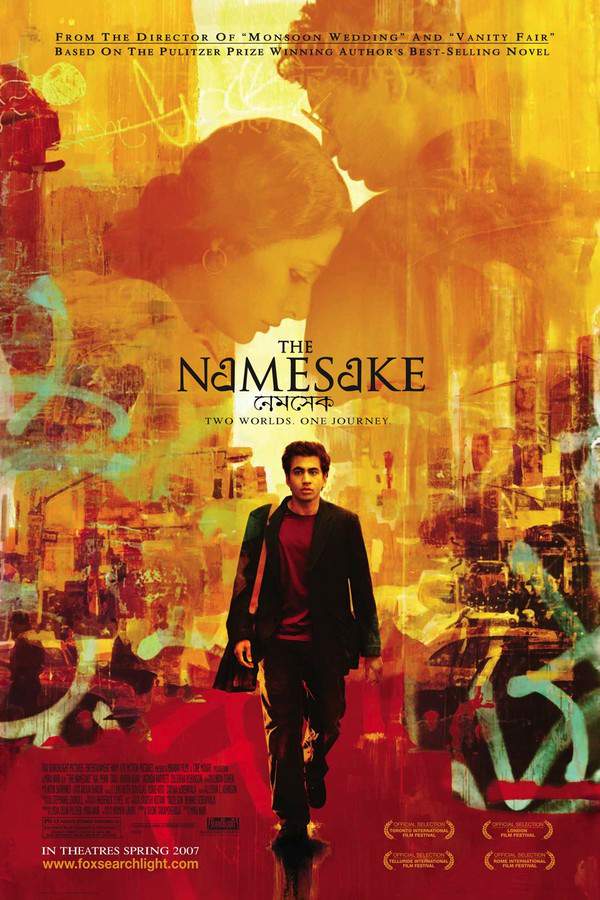
The Namesake (2007) movie poster

Characters & Themes

The Namesake (2007) Characters, Setting & Themes Explained

Release, runtime and language
2007 · 122 min · English
Loading streaming availability…
Directed by
Mira Nair
Starring
Irrfan Khan, Kal Penn, Tabu
Budget
$9.5M

A poignant story of cultural identity, this film follows the Ganguli family as they experience the challenges of adapting to a new life in America while honoring their Indian heritage. Ashoke and Ashima strive to build a future for their children, but their son, Gogol, struggles to reconcile his personal aspirations with the traditions of his family and the meaning behind his unusual name. The film explores themes of belonging, family, and the complexities of growing up between two worlds.

On this page (10)
  1. 1 Where to watch
  2. 2 Characters explained (4)
  3. 3 Character relationship map
  4. 4 Where & when it takes place
  5. 5 Themes & meaning (3)
  6. 6 Character & meaning questions
  7. 7 The book behind the movie
  8. 8 Movie threads
  9. 9 Movies like The Namesake
  10. 10 Every angle
Loading streaming availability…

4 main characters · contains spoilers

The Namesake Characters Explained: Who Is Who

The main characters of The Namesake (2007), heroes and villains: what drives them, how they change over the course of the story and what each of them reveals about the film's bigger ideas.

  • Ashima Ganguli

    played by Tabu

    Ashima is a resilient and talented Bengali woman who faces the challenges of adapting to life in America, nurturing her family while battling feelings of isolation. Her traditional upbringing instills a sense of duty and responsibility, yet she also exemplifies a deep yearning for connection and belonging. Ashima’s journey reflects the struggle between tradition and modernity.

    • 👩‍👧‍👦 Mother
    • 🎶 Musician
    • 🌍 Immigrant
  • Ashoke Ganguli

    played by Irrfan Khan

    Ashoke is a devoted husband and father, who manages the balance of his professional ambitions with the responsibilities of family life. His character embodies the immigrant experience, filled with dreams and hardships. His tragic passing becomes a catalyst for Gogol's profound exploration of his identity and heritage.

    • 👨‍🏫 Educator
    • 💼 Professional
    • 🇧🇩 Bengali
  • Gogol Ganguli

    played by Kal Penn

    Gogol, the son of Ashima and Ashoke, navigates the challenges of adolescence while grappling with his cultural identity. His journey is marked by notable relationships that reflect the tensions between romantic ideals and familial expectations. Ultimately, Gogol's evolution leads him to embrace his heritage and the importance of self-acceptance.

    • 🏗️ Architect
    • 🌍 Culturally Diverse
    • 🤔 Searcher
  • Sonia Ganguli

    Sonia, Gogol's sister, embodies a rebellious spirit, often clashing with traditional expectations imposed upon her family. Her desire for independence drives her to make bold choices, which ultimately lead her to California. Sonia’s character symbolizes the generational conflict and the pursuit of personal freedom within a cultural framework.

    • 📚 Student
    • ✈️ Adventurous
    • 👩‍🎤 Independent

Last updated: October 28, 2026 at 22:57

Was this helpful?

6 characters · 10 connections · contains spoilers

The Namesake Character Relationship Map

Who is connected to whom in The Namesake: family, love, friendships, rivalries and hidden ties, colour-coded. Pick a character to see their side of the story, or a connection to see what brings two characters together.

How much of the story to show
AGAshima GanguliTabuAGAshoke GanguliIrrfan KhanGGGogol GanguliKal PennSGSonia GanguliMRMaxine RatliffMMMoushumiMazundar

Last updated: October 28, 2026 at 22:57

Was this helpful?

Setting

Where and When Does The Namesake Take Place?

The setting of The Namesake (2007): the year and time period, the places and locations, and how they shape the characters, the mood and the tension of the story.

Time period

The narrative unfolds over several years, transitioning from the late 20th century into the early 21st century. This time frame is marked by the experiences of immigrant families and their struggles to balance tradition with modernity, alongside personal transformations that reflect societal changes.

Location

New York, India, Taj Mahal, California

The film predominantly takes place in New York, a bustling metropolis known for its cultural diversity and fast-paced lifestyle. Significant scenes also occur in India, highlighting the contrast between Ashima's roots and her new life. The iconic Taj Mahal represents a cultural heritage that deeply influences Gogol's journey, and California serves as a symbol of independence for Sonia, further emphasizing the theme of self-discovery.

  • 🏙️ New York
  • 🇮🇳 India
  • 🌍 Taj Mahal
  • 🌅 California

Last updated: October 28, 2026 at 22:57

Was this helpful?

3 major themes

The Namesake Meaning: Themes & Message Explained

What is The Namesake (2007) really about? The emotional, social and philosophical themes the film keeps returning to, its symbolism and the message beneath the surface.

  • Cultural Identity

    The theme of cultural identity is central to the film, exploring the challenges faced by immigrants in preserving their heritage while adapting to a new environment. Gogol's journey portrays the struggle of fitting into two different worlds, prompting profound self-reflection and acceptance. Ashima's and Gogol's experiences highlight the complexities of familial expectations against the backdrop of a foreign culture.

  • Loneliness and Connection

    Loneliness permeates the lives of several characters, particularly Ashima, as she grapples with isolation in a new country. The narrative examines the difficulty of expressing emotions in a traditionally reserved culture. Yet, the film ultimately reveals how authentic connections emerge through shared experiences, allowing bonds to deepen despite initial emotional barriers.

  • Self-Discovery

    Self-discovery is a pivotal theme, illustrated through Gogol's experiences as he navigates adolescence and complex relationships. From his cultural roots to his passion for architecture, each phase of his journey pushes him toward understanding himself better. The paths taken by both Gogol and Sonia emphasize the courage needed to carve one’s path, especially in the face of familial and societal pressures.

Last updated: October 28, 2026 at 22:57

Was this helpful?

Character & theme questions

The Namesake Characters & Meaning: Your Questions Answered

The questions people ask about The Namesake (2007): who the characters really are, their relationships, what the symbols mean, where it takes place and what the movie is really about. Each answer contains spoilers.

Q1

Where is The Namesake primarily set?

The film is predominantly set in New York City, a bustling metropolis that represents both the opportunities and challenges of immigrant life. The contrast between New York's fast-paced urban environment and the characters' Bengali roots forms a central tension throughout the story.

  • new york
  • setting
  • immigrant life
  • bengali family
Q2

What role does India play in The Namesake?

India represents Ashima's homeland and cultural heritage, serving as a constant emotional anchor for the family. The film contrasts Ashima's roots in India with her new life in America, highlighting the tension between preserving tradition and adapting to a foreign culture.

  • india
  • cultural heritage
  • roots
  • homeland
Q3

What does the Taj Mahal symbolize in The Namesake?

The Taj Mahal appears as a powerful symbol of cultural heritage and lost love, deeply influencing Gogol's understanding of his family's history. It represents the deep emotional connections to homeland that the immigrant generation carries, contrasting with the younger generation's more abstract relationship to their heritage.

  • taj mahal
  • symbol
  • heritage
  • lost love
  • cultural identity
Q4

What time period does The Namesake cover?

The narrative spans from the late 20th century into the early 21st century, following the Ganguli family across several decades. This time frame captures the evolving immigrant experience and the generational shifts in how cultural identity is perceived and maintained.

  • time period
  • late 20th century
  • early 21st century
  • decades
Q5

How does The Namesake explore cultural identity?

Cultural identity is the central theme, following Gogol's struggle to balance his Indian heritage with his American upbringing. The film examines how immigrant families preserve their traditions while adapting to new environments, and how the second generation grapples with feeling caught between two worlds.

  • cultural identity
  • immigrant experience
  • heritage
  • two worlds
  • belonging
Q6

What is the theme of loneliness in The Namesake?

Loneliness pervades the film, particularly through Ashima's struggle with isolation in America while raising her family. The story explores how emotional barriers in traditionally reserved cultures can be overcome through shared experiences, allowing genuine connections to form despite initial difficulties.

  • loneliness
  • isolation
  • emotional barriers
  • connection
  • belonging
Q7

How does The Namesake portray self-discovery?

Self-discovery unfolds through Gogol's journey as he navigates adolescence, complex relationships, and his passion for architecture. Both Gogol and his sister Sonia must find the courage to carve their own paths, challenging familial and societal expectations to understand who they truly are.

  • self-discovery
  • identity
  • personal growth
  • independence
  • family expectations
Q8

Who is Ashima Ganguli in The Namesake?

Ashima is a resilient Bengali woman who immigrates to America with her husband Ashoke, facing the challenges of adapting to a new culture while raising her family. She embodies the tension between tradition and modernity, struggling with isolation yet maintaining deep bonds with her heritage and loved ones.

  • ashima
  • mother
  • resilience
  • tradition
  • immigrant experience
Q9

Who is Ashoke Ganguli in The Namesake?

Ashoke is the devoted father and husband who brings his family to America seeking better opportunities, embodying the dreams and hardships of the immigrant experience. His tragic death becomes a pivotal moment that forces Gogol to confront his cultural heritage and identity.

  • ashoke
  • father
  • immigrant
  • dreams
  • catalyst
Q10

Why does Gogol Ganguli struggle with his identity?

Gogol struggles with identity because he feels caught between his Bengali heritage and American upbringing, never fully fitting into either world. His unusual name, taken from a Russian author, becomes a symbol of his displacement, leading him to question his belonging and cultural roots throughout his journey.

  • gogol
  • identity struggle
  • name
  • belonging
  • cultural roots
Q11

What is Sonia Ganguli's role in The Namesake?

Sonia represents the younger generation's pursuit of independence and personal freedom, clashing with traditional family expectations. Her decision to move to California symbolizes her break from cultural constraints and highlights the generational differences in how immigrant families navigate identity.

  • sonia
  • rebellion
  • independence
  • california
  • generational conflict
Q12

What challenges do immigrant families face in The Namesake?

The film portrays immigrant families balancing tradition with modernity, as parents try to preserve Bengali customs while their children embrace American culture. These tensions create conflicts in expectations, relationships, and personal identity, forming the emotional core of the story.

  • immigrant family
  • tradition
  • modernity
  • generational conflict
  • expectations
Q13

What does California represent in The Namesake?

California symbolizes independence and self-discovery, particularly through Sonia's decision to move there. It represents the possibility of forging one's own path away from familial and cultural expectations, contrasting with the constrained life the parents experienced in their homeland.

  • california
  • independence
  • freedom
  • self-discovery
  • new beginning
Q14

What is the emotional tone of The Namesake?

The film carries a bittersweet tone, balancing the losses of leaving one's homeland with the gains of building a new life. The ending reflects this complexity, neither purely happy nor sad, as characters find moments of peace with their identities while acknowledging what has been sacrificed.

  • bittersweet
  • emotional tone
  • loss
  • acceptance
  • resolution

Movie threads

More Movies Like The Namesake, by Mood & Story

Curated lists built around what makes The Namesake tick: the same mood, the same kind of story or the same emotional payoff. Each list explains why these movies belong together.

Generational immigrant dramas like The Namesake

Epic family stories about building a new life between two worlds. If you liked the family saga in The Namesake, explore more movies about the immigrant experience. These poignant dramas capture the generational clashes and emotional journeys of families building new lives while honoring their roots, offering stories similar to the Ganguli family's.

  • nostalgic
  • reflective
  • somber
  • hopeful
  • melancholic
  • lonely
  • Tone: bittersweet, melancholic, hopeful
  • Pacing: slow, episodic, spanning decades
Why these movies?

The story pattern: Stories in this thread typically unfold over many years, tracing the lives of parents who leave their homeland and their children who grow up caught between two identities. The central conflict revolves around assimilation, tradition, and the search for belonging, often resolved through a gradual, bittersweet acceptance of a hybrid identity.

Why they belong together: Movies are grouped here for their shared focus on the multi-generational impact of immigration, their bittersweet tone balancing loss and hope, and their slow, reflective pacing that allows for deep character exploration of cultural identity.


Character studies with a melancholic mood like The Namesake

Introspective stories about loneliness, grief, and personal acceptance. Fans of The Namesake's reflective and somber atmosphere will find similar movies here. These character-driven dramas share a quiet, melancholic vibe, focusing on internal struggles and emotional journeys, perfect if you liked the introspective tone of Gogol's story.

  • melancholic
  • reflective
  • somber
  • lonely
  • nostalgic
  • poignant
  • Tone: melancholic, reflective, bittersweet
  • Pacing: slow, deliberate, character-focused
Why these movies?

The story pattern: The narrative pattern is less about external events and more about the internal, emotional evolution of the protagonist. Conflict is often internal—a struggle with identity, grief, or a sense of isolation—leading to a resolution that is contemplative and emotionally resonant rather than explosively dramatic.

Why they belong together: These films are connected by their dominant melancholic and reflective mood, their slow pacing that allows for introspection, and their medium emotional weight that creates a poignant, thought-provoking experience without being overwhelming.

If you liked this

Movies Like The Namesake

Similar movies to The Namesake: the same genre, themes or kind of story. Each one comes with its own plot summary, timeline and ending explained.

Browse all movie summaries

Every angle

The Namesake (2007) Explained: Plot, Timeline & Characters

Everything about The Namesake in one place: what happens in the plot summary, the timeline in chronological order, the characters and meaning and a spoiler-free summary. What's After the Movie adds the cast, box office and post-credit scenes.

Coming soon on iOS and Android

The Plot Explained Movie Summary App

Plot summaries, endings explained and timelines on your phone. Catch up on any movie in minutes, save your favorites and never miss a twist again.

Be the first to know when we launch. Your email stays private, always.

Learn more about the app