Plot Explained Spoilers guaranteed!
Plot Explained

Browse by genre

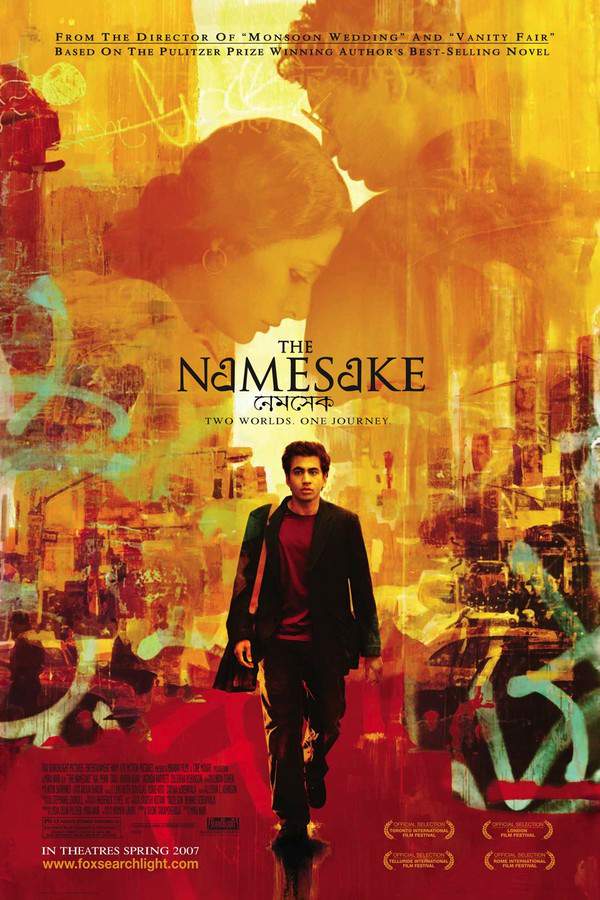
The Namesake (2007) movie poster

Timeline

The Namesake (2007) Timeline Explained – Every Event in Order

Release, runtime and language
2007 · 122 min · English
Loading streaming availability…
Directed by
Mira Nair
Starring
Irrfan Khan, Kal Penn, Tabu
Budget
$9.5M

A poignant story of cultural identity, this film follows the Ganguli family as they experience the challenges of adapting to a new life in America while honoring their Indian heritage. Ashoke and Ashima strive to build a future for their children, but their son, Gogol, struggles to reconcile his personal aspirations with the traditions of his family and the meaning behind his unusual name. The film explores themes of belonging, family, and the complexities of growing up between two worlds.

On this page (7)
  1. 1 Where to watch
  2. 2 Events in order (14)
  3. 3 Timeline questions answered
  4. 4 The book behind the movie
  5. 5 Movie threads
  6. 6 Movies like The Namesake
  7. 7 Every angle
Loading streaming availability…

14 events in order · contains spoilers

The Namesake Timeline: Events in Chronological Order

Every key event of The Namesake (2007) in order, scene by scene, with when and where it takes place. Use it to untangle flashbacks, time jumps and parallel storylines, to refresh your memory before the sequel or to find the exact scene you are thinking of.

  1. Train Accident

    The film opens with a catastrophic train accident that sets the stage for the unfolding story. This tragic event becomes a critical backdrop, influencing the characters' lives and their emotional journeys throughout the film.

    Where
    India
  2. Ashima's Marriage

    Ashima, a young Bengali girl, enters into an arranged marriage with Ashoke Ganguli, who has settled in New York. This transition marks the beginning of her struggles with cultural adjustment and the challenges of living in a foreign land.

    Where
    New York
  3. Adapting to New York

    After moving to New York, Ashima faces significant challenges such as cultural differences and feelings of isolation. Living in a cramped apartment, she often battles loneliness, especially while Ashoke works long hours and is preoccupied with his studies.

    Where
    New York
  4. Birth of Gogol

    Ashima gives birth to her first child, a son named Gogol, after Ashoke's favorite author. Following Bengali traditions, he also receives the 'good name' Nikil, which is affectionately shortened to Nicky by his American peers.

    Where
    New York
  5. Arrival of Sonia

    The family grows with the arrival of Sonia, Ashima and Ashoke's daughter. As she reaches her teenage years, Sonia's rebellious nature creates tension with her traditional family, particularly as her grandparents pressure her towards a more conventional lifestyle.

    Where
    New York
  6. Gogol's Teenage Years

    As Gogol navigates adolescence, he embarks on a family trip to the Taj Mahal, which ignites his passion for architecture. This trip becomes a significant moment in his life, affecting his ambitions and desires.

    Where
    Taj Mahal
  7. Gogol and Maxine's Relationship

    Gogol begins a romantic relationship with Maxine Ratliff, which distances him from his family and cultural roots. This relationship complicates his already tumultuous sense of identity as he grapples with his dual heritage.

    Where
    New York
  8. Ashoke's Death

    While traveling to Ohio for a teaching engagement, Ashoke tragically suffers a heart attack and passes away. This loss profoundly impacts Gogol, forcing him to confront grief and his cultural identity as he reflects on his father's past.

    Where
    Ohio
  9. Gogol's Cultural Confrontation

    In the wake of his father’s death, Gogol struggles with his identification with his cultural roots. He feels the weight of his family’s expectations while trying to find solace in his relationship with Maxine, which ultimately fails.

    Where
    New York
  10. Reconnecting with Moushumi

    Gogol reconnects with Moushumi Mazundar, a fellow Bengali who has adapted Western cultural values. Their parents once envisioned an arranged marriage, and although initial perceptions differ, they soon realize a deeper connection.

    Where
    New York
  11. Gogol and Moushumi's Marriage

    Gogol and Moushumi marry, sharing a passionate bond initially. However, differences in their personalities emerge, leading to tension as Moushumi's outgoing nature conflicts with Gogol's more reserved demeanor.

    Where
    New York
  12. Moushumi's Infidelity

    Moushumi's desire for independence and freedom ultimately leads her to an affair with an ex-boyfriend. This betrayal causes Gogol to confront his relationship with his cultural identity and forces him to reflect on his own self-acceptance.

    Where
    New York
  13. Ashima's Pilgrimage to India

    Feeling increasingly disconnected from her roots, Ashima contemplates returning to India, a place she has never fully understood. Despite her reservations, Gogol encourages her to embrace this journey, marking a pivotal moment for both of them.

    Where
    India
  14. Gogol's Embrace of Freedom

    With Ashima's trip to India, Gogol experiences a newfound sense of freedom. This transformation allows him to reevaluate his life choices, leading him to a deeper understanding of his cultural heritage and personal identity.

    Where
    New York

Last updated: November 04, 2024 at 05:11

Was this helpful?

Timeline questions answered

The Namesake Timeline Explained: Your Questions Answered

When does it happen, and why in that order? The questions people ask about the chronology of The Namesake (2007): time jumps, flashbacks, cause and effect between scenes and the correct order of events, each answered with spoilers.

Q1

Why is Gogol named Gogol if his real name is Nikil?

Ashoke names his son Gogol after the Russian author Nikolai Gogol, whom he deeply admires. In Bengali tradition, however, a child receives a 'good name' (dharma naam) for official and community use, while a 'pet name' (naak) is used informally. Gogol becomes the pet name, while Nikil is the good name used by his American friends who shorten it to Nicky.

Foreshadowing: Earlier, Ashoke tells Gogol about surviving the traumatic train accident while reading a Gogol short story, establishing the author's significance to him.

  • gogol name
  • nikil name
  • bengali naming customs
  • ashoke ganguli
  • namesake meaning
Q2

Why did Gogol break up with Maxine after his father's death?

After Ashoke dies, Maxine tries to comfort Gogol, but he pushes her away. The grief reignites his conflict about his identity, he realizes that being with Maxine, who represents complete American assimilation, means distancing himself from his family and cultural roots. He cannot fully embrace comfort from someone who represents rejecting his heritage, leading to the breakdown of their relationship.

Foreshadowing: Earlier, Gogol's relationship with Maxine already caused tension with his parents and pulled him away from family gatherings.

  • maxine ratliff
  • gogol girlfriend
  • identity crisis
  • cultural conflict
  • gogol relationship
Q3

Why did Moushumi cheat on Gogol with her ex-boyfriend?

Moushumi's affair stems from her fundamentally different nature. She has embraced Western independence and freedom, living a more outgoing, social lifestyle than the traditional Bengali wife expected to be. Gogol, still struggling with his identity, wants her to be more conventional and reserved. Her desire for the freedom she had before marriage leads her back to an ex-boyfriend who represents that past self.

Foreshadowing: Their parents once envisioned an arranged marriage between them, but Gogol initially saw Moushumi as meek, ironic given how she laterasserts her independence.

  • moushumi affair
  • gogol marriage
  • infidelity
  • relationship breakdown
  • cultural expectations
Q4

What was the train accident that opens the film?

The film opens with Ashoke surviving a catastrophic train accident in India, which becomes the defining trauma of his life. He was reading a Gogol short story when the accident occurred, and he was the only survivor in his compartment, experiences that shaped his worldview and made him appreciate life's fragility. This event directly influences his decision to name his son Gogol and drives his desire to build a new life in America.

Foreshadowing: This event is revealed gradually, with Ashoke telling Gogol the full story later in the film.

  • train accident
  • ashoke ganguli
  • gogol author
  • survival
  • backstory
Q5

Why did Ashima want to go back to India at the end?

After decades in America, Ashima feels she never fully belonged there or in India, she was caught between two worlds without truly understanding either. Her husband is now dead, her children have distanced themselves culturally, and she feels disconnected from both countries. She contemplates returning to India not to stay, but to reclaim some sense of roots and belonging she never found in America.

Foreshadowing: From the beginning, Ashima struggles with isolation and cultural displacement in New York, suggesting her lifelong sense of not fitting anywhere.

  • ashima india
  • cultural displacement
  • belonging
  • immigrant experience
  • identity
Q6

Why did Gogol want to become an architect?

Gogol's passion for architecture is sparked during a family trip to the Taj Mahal in his teenage years. The visit profoundly moves him, and he becomes fascinated with the idea of creating meaningful, lasting structures that bridge cultures and time, a calling that eventually leads him to pursue architecture professionally in America.

Foreshadowing: This trip marks a turning point in Gogol's life and sets his career trajectory.

  • gogol architect
  • taj mahal
  • career
  • architecture
  • ambition
Q7

Why did Gogol marry Moushumi despite initially not liking her?

Although Gogol initially perceived Moushumi as conventional and meek (the opposite of what he wanted after his failed relationship with Maxine), he discovers she has transformed into a confident, independent woman who has adapted to Western culture while still embracing her Bengali roots. They share a deep cultural connection and intense chemistry that builds into love, leading to their marriage.

Foreshadowing: Their parents had once hoped they would marry, suggesting compatibility the characters initially overlooked.

  • moushumi mazundar
  • bengali marriage
  • cultural connection
  • gogol wife
  • arranged marriage
Q8

Why did Gogol resist using his given name Nicky?

Gogol rejects the name Nicky (derived from Nikil) because it represents everything he resents about his Indian heritage, the imposed identity he never chose. As a teenager and young adult, he tries to assimilate fully into American culture, viewing his Indian name as a symbol of his parents' old-world ways. Using 'Gogol' feels like a compromise, though it still ties him to expectations he wishes to escape.

Foreshadowing: Even as a child, Gogol shows discomfort with the tension between his two names and cultural worlds.

  • nickname
  • identity conflict
  • assimilation
  • cultural rejection
  • indian american
Q9

How did Ashoke Ganguli die?

Ashoke dies of a sudden heart attack while traveling to Ohio for a teaching engagement. His death is sudden and unexpected, happening far from family. This tragedy forces Gogol to confront his relationship with his father, his grief, and his cultural identity, themes that consume the second half of the film.

Foreshadowing: Ashoke's survival of the train accident earlier in the film makes his later death feel like a cruel twist of fate.

  • ashoke death
  • heart attack
  • father death
  • grief
  • ohio
Q10

Why did Sonia rebel against her traditional Bengali family?

As a teenager, Sonia embodies a rebellious spirit that clashes with the traditional expectations placed upon her by her parents and grandparents. Pressure from her grandparents to settle down, marry, and start a family drives her to seek independence. She eventually moves to California to carve out her own path, rejecting the conventional life her family envisions for her.

Foreshadowing: Sonia's rebellion foreshadows Gogol's own later struggles with cultural expectations.

  • sonia ganguli
  • rebellion
  • independence
  • family pressure
  • california
Q11

Why did Gogol feel so constrained by his Bengali family?

Gogol feels torn between his parents' expectations (traditions, arranged marriage possibilities, cultural preservation) and his desire to live freely as an American. The constant pressure to honor his heritage, respect his parents' wishes, and maintain cultural rituals feels suffocating to someone who wants to blend into American society. His relationship with his parents becomes a battleground for his identity.

Foreshadowing: This tension builds throughout the film as Gogol repeatedly chooses American ways over Bengali traditions.

  • family pressure
  • cultural expectations
  • bengali traditions
  • immigrant children
  • identity struggle
Q12

What does the ending of The Namesake mean?

The ending is bittersweet: Ashima travels to India seeking connection to roots she never found, while Gogol experiences freedom during her absence and begins accepting his dual identity. Rather than a complete resolution, the ending suggests a quiet acceptance, Gogol finally embraces aspects of his heritage while Ashima seeks peace with her complicated relationship to both cultures. It's neither purely happy nor sad, reflecting the film's ongoing exploration of belonging.

Foreshadowing: This resolution is foreshadowed by Gogol's gradual reconciliation with his name and identity throughout the film.

  • ending interpretation
  • bittersweet conclusion
  • cultural acceptance
  • belonging
  • identity resolution

Movie threads

More Movies Like The Namesake, by Mood & Story

Curated lists built around what makes The Namesake tick: the same mood, the same kind of story or the same emotional payoff. Each list explains why these movies belong together.

Generational immigrant dramas like The Namesake

Epic family stories about building a new life between two worlds. If you liked the family saga in The Namesake, explore more movies about the immigrant experience. These poignant dramas capture the generational clashes and emotional journeys of families building new lives while honoring their roots, offering stories similar to the Ganguli family's.

  • nostalgic
  • reflective
  • somber
  • hopeful
  • melancholic
  • lonely
  • Tone: bittersweet, melancholic, hopeful
  • Pacing: slow, episodic, spanning decades
Why these movies?

The story pattern: Stories in this thread typically unfold over many years, tracing the lives of parents who leave their homeland and their children who grow up caught between two identities. The central conflict revolves around assimilation, tradition, and the search for belonging, often resolved through a gradual, bittersweet acceptance of a hybrid identity.

Why they belong together: Movies are grouped here for their shared focus on the multi-generational impact of immigration, their bittersweet tone balancing loss and hope, and their slow, reflective pacing that allows for deep character exploration of cultural identity.


Character studies with a melancholic mood like The Namesake

Introspective stories about loneliness, grief, and personal acceptance. Fans of The Namesake's reflective and somber atmosphere will find similar movies here. These character-driven dramas share a quiet, melancholic vibe, focusing on internal struggles and emotional journeys, perfect if you liked the introspective tone of Gogol's story.

  • melancholic
  • reflective
  • somber
  • lonely
  • nostalgic
  • poignant
  • Tone: melancholic, reflective, bittersweet
  • Pacing: slow, deliberate, character-focused
Why these movies?

The story pattern: The narrative pattern is less about external events and more about the internal, emotional evolution of the protagonist. Conflict is often internal—a struggle with identity, grief, or a sense of isolation—leading to a resolution that is contemplative and emotionally resonant rather than explosively dramatic.

Why they belong together: These films are connected by their dominant melancholic and reflective mood, their slow pacing that allows for introspection, and their medium emotional weight that creates a poignant, thought-provoking experience without being overwhelming.

If you liked this

Movies Like The Namesake

Similar movies to The Namesake: the same genre, themes or kind of story. Each one comes with its own plot summary, timeline and ending explained.

Browse all movie summaries

Every angle

The Namesake (2007) Explained: Plot, Timeline & Characters

Everything about The Namesake in one place: what happens in the plot summary, the timeline in chronological order, the characters and meaning and a spoiler-free summary. What's After the Movie adds the cast, box office and post-credit scenes.

Coming soon on iOS and Android

The Plot Explained Movie Summary App

Plot summaries, endings explained and timelines on your phone. Catch up on any movie in minutes, save your favorites and never miss a twist again.

Be the first to know when we launch. Your email stays private, always.

Learn more about the app