Plot Explained Spoilers guaranteed!
Plot Explained

Browse by genre

The Macomber Affair (1947) movie poster

Timeline

The Macomber Affair (1947) Timeline Explained – Every Event in Order

Release, runtime and language
1947 · 89 mins · English
Loading streaming availability…
Directed by
Zoltan Korda
Starring
Robert Preston, Gregory Peck, Reginald Denny, Joan Bennett, Frederick Worlock, Martin Wilkins

Featuring Peck and Bennett, this electrifying love story, based on Hemingway’s “The Short Happy Life of Francis Macomber”, follows a big‑game hunter who guides a wealthy American couple on an African safari that turns into a tense battle of desire and revenge. The film captures the stark beauty of the African landscape and the psychological tension between the characters.

On this page (6)
  1. 1 Where to watch
  2. 2 Events in order (11)
  3. 3 Timeline questions answered
  4. 4 Movie threads
  5. 5 Movies like The Macomber Affair
  6. 6 Every angle
Loading streaming availability…

11 events in order · contains spoilers

The Macomber Affair Timeline: Events in Chronological Order

Every key event of The Macomber Affair (1947) in order, scene by scene, with when and where it takes place. Use it to untangle flashbacks, time jumps and parallel storylines, to refresh your memory before the sequel or to find the exact scene you are thinking of.

  1. Arrival in Nairobi

    Margot Macomber, distraught and unhappy in her marriage, arrives with her husband Francis in the Kenya Colony of British East Africa. Their tense relationship is evident as they set out on a safari. The trip foreshadows a conflict that will define their fate.

    When
    Arrival
    Where
    Nairobi, Kenya
  2. Planning the safari at the Norfolk Hotel

    In a flashback, Margot and Francis meet with their guide Robert Wilson at the Norfolk Hotel to plan the safari over whiskey. The scene establishes Wilson as the catalyst for the voyage and hints at Margot's attraction to him. The plan sets the stage for the dangerous adventures to come.

    When
    Flashback
    Where
    Norfolk Hotel, Nairobi
  3. Francis's bravado test: lion hunt begins

    On the savannah, Francis tries to prove his masculinity by hunting a lion, despite his evident insecurity. Margot's attraction toward Wilson intensifies the tension between husband and wife. Francis's bravado becomes a mask for his fear.

    When
    Day 1
    Where
    Kenyan savannah
  4. Lion wounded; Wilson insists on humane hunt

    Francis manages to wound the lion, but chooses not to finish it off immediately. Wilson argues that the animal should be tracked and killed to prevent suffering. The moral divide between the men deepens the crisis.

    When
    Day 1
    Where
    Savannah
  5. The lion is dispatched

    When the wounded lion charges, Francis fails to avoid danger and runs. Wilson has to dispatch the animal, showing the practical reality of danger in the field. The incident underscores Francis's fear and Wilson's competence.

    When
    Day 1
    Where
    Savannah
  6. Margot humiliates Francis

    In a bold, public moment, Margot kisses Wilson on the lips, publicly undermining her husband. The act shatters Francis's remaining pride and deepens his insecurity. The couple's marriage becomes more acrimonious.

    When
    Day 1
    Where
    Safari camp
  7. Ego clash escalates: cruelty toward a servant

    As anger and resentment build, Francis lashes out at an African servant, and Wilson restrains him. The scene exposes the moral ambiguity and fragility of all three characters. Margot's presence continues to destabilize the relationship.

    When
    Day 1
    Where
    Camp
  8. Cape buffalo hunt: Francis gains momentary courage

    The next morning, Francis delivers a courageous shot that wounds a cape buffalo, signaling a turning point for his self-image. He begins to come to terms with his perceived weaknesses in the face of danger. Wilson and Francis appear to find a fragile reconciliation.

    When
    Next morning
    Where
    Savannah
  9. Reconciliation with Wilson and forgiving Margot

    Francis reconciles with Wilson, even expressing forgiveness for his wife. The moment suggests a potential new balance between the two men. Margot remains emotionally unsettled, watching the change with ambiguity.

    When
    Following morning
    Where
    Safari camp
  10. The cape buffalo charges; Margot shoots

    The wounded cape buffalo charges again, and both men respond with shots. Margot seizes the moment and fires the fatal shot, killing Francis. The event shatters the fragile equilibrium that had formed between the travelers.

    When
    During hunt
    Where
    Savannah
  11. Aftermath: the shot's meaning disputed

    Robert urges Margot to admit the shot was accidental, but the truth remains ambiguous. Margot wrestles with guilt and the implications for her future, including a potential trial. The ending leaves open whether the act was deliberate or a tragic accident born of emotion.

    When
    Aftermath
    Where
    Camp

Last updated: February 24, 2026 at 09:47

Was this helpful?

Timeline questions answered

The Macomber Affair Timeline Explained: Your Questions Answered

When does it happen, and why in that order? The questions people ask about the chronology of The Macomber Affair (1947): time jumps, flashbacks, cause and effect between scenes and the correct order of events, each answered with spoilers.

Q1

Why did Francis Macomber run from the wounded lion?

Francis ran from the charging lion because he was fundamentally afraid and his earlier bravado was just a mask for his insecurity. When he initially hunted the lion, he wounded it but lacked the courage to finish the kill. When the animal charged, his fear overtook his pretense of masculinity, and he fled, exactly the opposite of the courage he had been trying to prove. This moment exposed his true nature to everyone, particularly Margot, and set up the psychological unraveling that follows.

  • francis macomber
  • lion hunt
  • cowardice
  • masculinity
Q2

Why did Margot kiss Robert Wilson after the lion incident?

Margot kissed Wilson in a moment of bold, reckless honesty because she had been attracted to him since their meeting at the Norfolk Hotel, and the lion hunt had crystallized her contempt for her husband's weakness. Seeing Francis flee from danger made her realize how little respect she had for him, and her public kiss was both an expression of genuine desire and a deliberate humiliation of Francis. It marked her first overt act of defiance and shifted the dynamic of the love triangle permanently.

  • margot macomber
  • robert wilson
  • affair
  • kiss
  • betrayal
Q3

Did Margot intentionally kill her husband Francis?

The film deliberately leaves this question unanswered. When Francis is killed during the buffalo hunt, both men fire at the charging animal, and Margot's shot strikes him in the back of the head. Wilson urges her to admit it was accidental, but the truth remains ambiguous, whether it was a tragic accident in the chaos of the hunt or a calculated act of uxoricide driven by her desire to be free from the marriage. The unresolved ending is central to the film's psychological impact.

Foreshadowing: Earlier, Margot's public kiss and her emotional restlessness foreshadow her willingness to act on her feelings, making the ambiguous shooting feel consistent with her character.

  • margot macomber
  • francis death
  • murder
  • ambiguous ending
  • uxoricide
Q4

Why did Francis reconcile with Wilson after being humiliated?

Francis reconciled with Wilson the next morning partly because he had proven himself by shooting the cape buffalo competently, giving him a temporary boost in confidence, and partly because he needed to maintain the safari and his relationship with the hunter. When he extends forgiveness to Wilson for the kiss, it appears he is trying to reclaim his dignity by taking the moral high ground. However, this reconciliation is fragile, as the emotional wounds from Margot's public betrayal and his own failure during the lion hunt remain unresolved.

  • francis macomber
  • robert wilson
  • reconciliation
  • masculinity
  • forgiveness
Q5

What attracted Margot to Robert Wilson?

Margot was attracted to Wilson because he embodied the qualities Francis lacked, calm competence, physical courage, and easy authority in dangerous situations. From their first meeting at the Norfolk Hotel, Wilson's professional demeanor and his comfort with the harsh African landscape stood in stark contrast to Francis's wealth without substance. As the safari progressed, Wilson's ability to handle the lion charge and his general self-assurance made him increasingly appealing to a woman who had grown contemptuous of her husband's insecurities.

  • margot macomber
  • robert wilson
  • attraction
  • desire
  • alpha male
Q6

Why was the lion hunt a turning point in the story?

The lion hunt was the turning point because it publicly exposed Francis's cowardice and shattered whatever facade of masculinity he had maintained. Before this moment, his insecurity was hidden beneath wealth and confidence; after the lion charge, it was visible to everyone, particularly Margot. This event triggered Margot's public kiss of Wilson, deepened the marital rift, and set in motion the chain of events that leads to Francis's death. The hunt revealed the true power dynamics among the three characters.

  • lion hunt
  • turning point
  • francis cowardice
  • marriage breakdown
Q7

Why did Wilson want to track and kill the wounded lion?

Wilson insisted on tracking and finishing the wounded lion because it was the humane thing to do, he believed leaving a wounded animal to suffer slowly was both cruel and dangerous. From a practical hunting perspective, a wounded lion that escapes is a greater threat than one that is dispatched quickly. This disagreement also highlighted the moral and practical divide between Wilson, who understands the reality of hunting, and Francis, who sees it as a test of masculinity rather than a serious endeavor requiring difficult decisions.

  • robert wilson
  • wounded lion
  • hunting ethics
  • humane kill
Q8

Why did Francis suddenly show courage with the buffalo?

Francis displayed genuine courage when he wounded the cape buffalo the next morning because he was determined to prove his previous failure was an anomaly. Having been humiliated by running from the lion, he seized the opportunity to demonstrate real skill. His steady shot on the buffalo marked a genuine moment of personal growth, though temporary, it was his first actual success in confronting danger. This brief transformation made his eventual reconciliation with Wilson and his fragile return of confidence possible before everything unraveled.

  • francis macomber
  • cape buffalo
  • courage
  • redemption
  • hunting
Q9

What did Robert Wilson mean when he asked Margot to tell the truth?

When Wilson urged Margot to tell the truth about the shooting, he was asking her to admit whether she deliberately killed Francis or whether it was truly an accident during the chaotic buffalo charge. As the experienced hunter who orchestrated the hunt, Wilson was in a position to assess what happened, and his pushing for honesty suggests he suspected the shot may not have been accidental. This moment creates the courtroom-like atmosphere that frames the film's ending, leaving the guilt question unresolved.

  • robert wilson
  • margot
  • truth
  • confession
  • shooting
Q10

Why did Francis become cruel toward the African servant?

Francis lashed out at the African servant as an outlet for the humiliation and anger he felt after the lion incident and Margot's public kiss. Feeling emasculated and powerless in front of Wilson, he displaced his rage onto someone with less status, a common reaction for someone whose sense of control is crumbling. Wilson's intervention to restrain him showed that even in his rage, Francis could not exert dominance, further underscoring his psychological breakdown.

  • francis macomber
  • servant
  • anger
  • abuse
  • power
Q11

What does the title refer to in relation to Francis Macomber?

The title 'The Short Happy Life of Francis Macomber' refers to the brief period after Francis gains genuine courage, when he successfully shoots the buffalo and experiences a moment of authentic confidence. This 'happy' phase is short-lived because it ends with his death shortly after. Hemingway's original story title, which the film adapts,IRONICALLY suggests that Francis finally achieved the courage he sought, but only moments before losing his life.

  • title meaning
  • short happy life
  • irony
  • courage
  • francis macomber
Q12

Why did Margot remain emotionally unsettled after Francis's courage?

Margot remained unsettled because Francis's sudden display of courage complicated her narrative of him as a complete coward. She had already committed emotionally to Wilson and publicly humiliated her husband, so his moment of bravery created cognitive dissonance, she had to reconcile the man who ran from the lion with the one who now shot the buffalo competently. Her ambiguity in watching the change suggests she questioned whether she had misjudged him too quickly, but her earlier actions had already set events in motion.

  • margot macomber
  • guilt
  • uncertainty
  • emotional conflict

Movie threads

More Movies Like The Macomber Affair, by Mood & Story

Curated lists built around what makes The Macomber Affair tick: the same mood, the same kind of story or the same emotional payoff. Each list explains why these movies belong together.

Psychological marital breakdown stories like The Macomber Affair

Stories exploring the slow unraveling of a relationship under pressure. Find more movies like The Macomber Affair that delve into the dark heart of a marriage under pressure. These films explore themes of infidelity, emasculation, and the psychological toll of a relationship falling apart, often culminating in a dramatic, violent, or ambiguous climax.

  • marital strife
  • psychological drama
  • claustrophobic
  • tense
  • infidelity
  • power struggle
  • Tone: tense, psychological, oppressive
  • Pacing: steady, character-driven
Why these movies?

The story pattern: Narratives in this thread typically follow a couple whose relationship is already frayed, placed into a situation of extreme pressure—be it a remote location, a high-stakes situation, or the introduction of a third party. The plot revolves around the escalating psychological conflict between the partners, revealing hidden resentments and power struggles that build towards a moment of crisis or violence.

Why they belong together: These movies are grouped together because they share a core focus on the dynamics of a disintegrating marriage as the primary source of conflict. The similarity lies in the intense, often claustrophobic, exploration of two people trapped in a relationship that has turned toxic, with the external setting serving to heighten the internal drama.
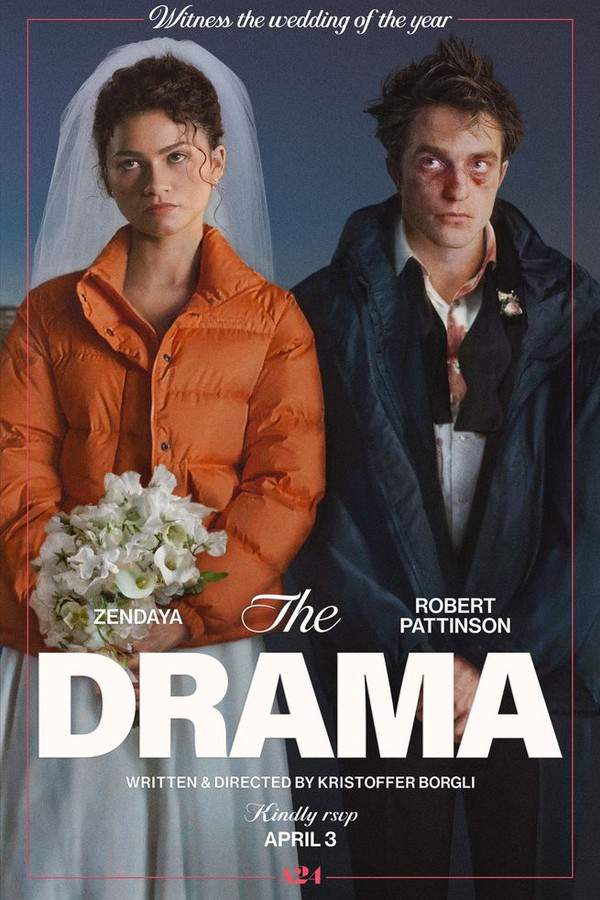
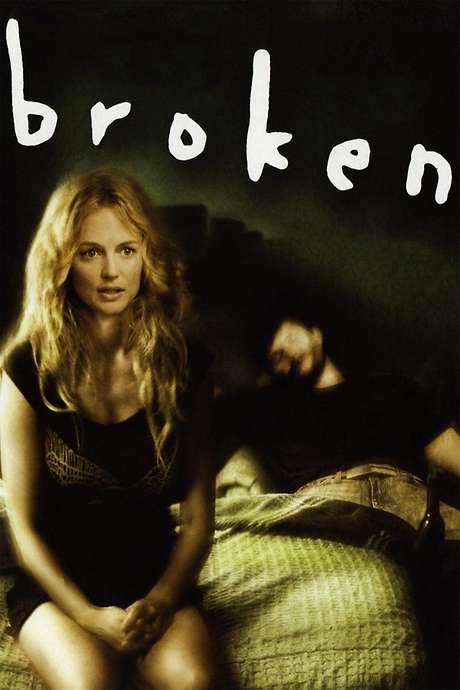
Crisis of masculinity stories like The Macomber Affair

A man's identity and courage are tested to the breaking point. Discover movies similar to The Macomber Affair that explore themes of challenged masculinity. These films follow male characters whose courage and identity are put to the ultimate test, often in settings that demand traditional masculine traits, resulting in a powerful and often bleak character study.

  • masculinity
  • cowardice
  • courage
  • psychological
  • tense
  • identity crisis
  • Tone: bleak, tense, psychological
  • Pacing: steady, introspective
Why these movies?

The story pattern: The narrative follows a man who perceives himself as inadequate or is perceived as such by those around him. The story forces him into situations that explicitly test his courage and manhood. This internal conflict drives the plot, culminating in an act—often violent or desperate—that redefines his character, for better or worse.

Why they belong together: These films are connected by their deep dive into the male psyche under duress. They explore the social and personal pressures of masculinity, the fear of cowardice, and the desperate need to prove one's worth, creating a pattern of character-driven stories about personal failure and redemption, or tragic collapse.

If you liked this

Movies Like The Macomber Affair

Similar movies to The Macomber Affair: the same genre, themes or kind of story. Each one comes with its own plot summary, timeline and ending explained.

Browse all movie summaries

Every angle

The Macomber Affair (1947) Explained: Plot, Timeline & Characters

Everything about The Macomber Affair in one place: what happens in the plot summary, the timeline in chronological order, the characters and meaning and a spoiler-free summary. What's After the Movie adds the cast, box office and post-credit scenes.

Coming soon on iOS and Android

The Plot Explained Movie Summary App

Plot summaries, endings explained and timelines on your phone. Catch up on any movie in minutes, save your favorites and never miss a twist again.

Be the first to know when we launch. Your email stays private, always.

Learn more about the app