




Plot Explained Spoilers guaranteed!
Plot Explained

Browse by genre

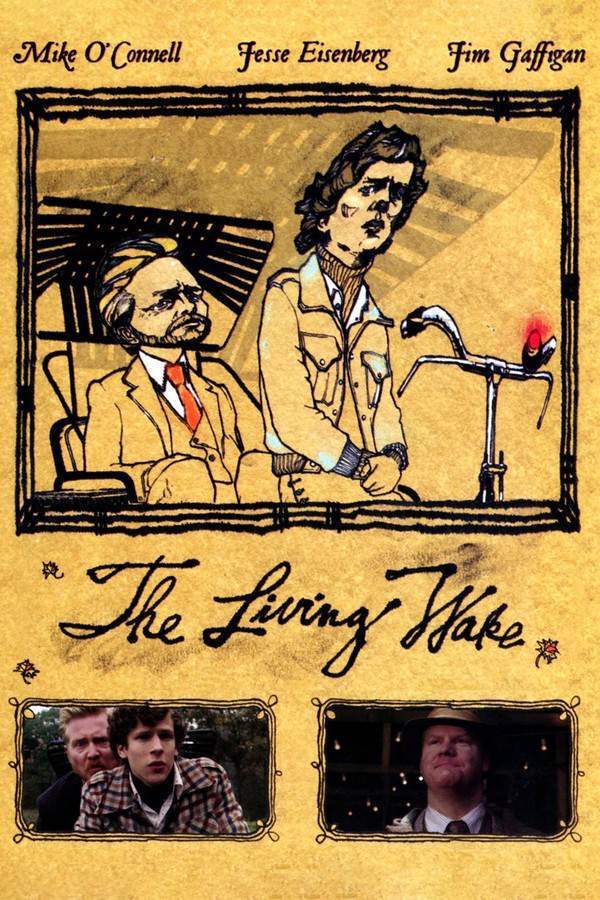
The Living Wake (2007) movie poster

Characters & Themes

The Living Wake (2007) Characters, Setting & Themes Explained

Release, runtime and language
2007 · 91 mins · English
JustWatch #24,032 5
Directed by
Sol Tryon
Starring
Jesse Eisenberg, Jim Gaffigan, Bryan Brown, Ann Dowd, Stuart Rudin, Jill Larson

In a story‑book world, artist K. Roth Binew learns he has only one day left. He enlists his sole friend, Mills Joquin, to ferry him around in a bicycle‑powered rickshaw. Throughout the day Binew endures absurd trials in search of meaning, culminating in a “living wake” on a makeshift stage where friends and foes gather for his final performance.

On this page (9)
  1. 1 Where to watch
  2. 2 Characters explained (11)
  3. 3 Where & when it takes place
  4. 4 Themes & meaning (3)
  5. 5 Character & meaning questions
  6. 6 Movie threads
  7. 7 Movies like The Living Wake
  8. 8 Categories
  9. 9 Every angle

Where to watch

Where to Watch The Living Wake (2007)

Where can you watch The Living Wake? Stream, rent or buy it in the US, including on Amazon Prime Video, Amazon MX Player and Amazon Prime Video Free: current JustWatch availability with up-to-date prices.

Streaming availability powered by JustWatch

11 main characters · contains spoilers

The Living Wake Characters Explained: Who Is Who

The main characters of The Living Wake (2007), heroes and villains: what drives them, how they change over the course of the story and what each of them reveals about the film's bigger ideas.

  • Mills Joaquin (Jesse Eisenberg)

    K. Roth's loyal, eccentric best friend who rides a rickshaw and anchors the day's odyssey. He acts as confidant and comic foil, balancing K. Roth's grandiose plans with practical steadiness. He is devoted and remains by K. Roth's side through the wake, helping arrange his final acts.

    • 🤝 Loyalty
    • 🧭 Friendship
  • K. Roth Binew

    A self-proclaimed genius on a terminal quest to discover life’s meaning within a single day. He oscillates between arrogance and vulnerability as he orchestrates the wake, donates his works, and seeks a final revelation. His relentless drive exposes the emptiness and longing that underlie his ego.

    • 🧭 Identity
    • 💡 Genius
  • Lampert Binew (Jim Gaffigan)

    The ghost of K. Roth's father, who appears to explain that there is no neat equation for life. He provides a paternal perspective that both rebukes and consoles his son. His visitation catalyzes a shift from despair to a final, hopeful understanding of living fully.

    • 👻 Ghost
    • 🕊️ Guidance
  • Reginald (Eddie Pepitone)

    K. Roth's neighbor and rival who attends the wake, representing opposition and friction. His presence adds tension and humor to the proceedings as old grievances surface. He challenges the idea that the day can be turned into something meaningful.

    • 🗣️ Rivalry
    • 😅 Comic
  • Alma Binew (Jill Larson)

    K. Roth's mother, wary of reconciliation and skeptical about the dying man's claims. Her reluctance to accept his death highlights the resistance within family bonds. She becomes part of the wake's emotional conflict as the family dynamics unfold.

    • 👪 Family
    • 💬 Tension
  • Karl Binew (Mark Schulte)

    K. Roth's brother, who questions his sibling's genius and their family’s history. He represents practical skepticism and a demand for accountability. His involvement underscores the film's examination of truth and legacy within kinship.

    • 👬 Sibling
    • 🧭 Skepticism
  • Dr. Schoenberg (Harlan Baker)

    The family doctor who discourages the wake's spectacle and urges realism. His role embodies the medical and rational counterpoint to K. Roth's existential theatrics. He arrives to plead for stopping the performance as the illness tightens its grip.

    • 🧑‍⚕️ Authority
    • 💬 Confrontation
  • Marla (Diane Kagan)

    K. Roth's former nanny and lover, whom he describes as his true love. Their encounter in the wake scene underscores longing, memory, and the idealization of past relationships. Her presence contributes to the wake's emotional arc.

    • 💞 Love
    • 🕊️ Nostalgia
  • Prostitute (Colombe Jacobsen-Derstine)

    A brief encounter that illustrates K. Roth’s pursuit of sensation and affirmation in his final hours. The scene adds a layer of existential risk and risk-taking to the day. It reinforces the film's theme of searching for meaning through experience.

    • 💫 Temptation
    • 🌀 Risk
  • Liquorsmith (Ben Duhl)

    The proprietor visited during the day, representing a worldly, tangible interface with indulgence and ritual. The visit underscores the film’s surreal blend of ordinary commerce and mythic acts. His presence contributes to the wake's eclectic texture.

    • 🛍️ Commerce
    • 🥃 Ritual
  • Librarian (Ann Dowd)

    A librarian encountered during the journey to donate his writings to a public institution. The scene frames the search for meaning as something to be archived or rejected by institutions. Her presence marks the blend of intellect and ritual in K. Roth's day.

    • 📚 Knowledge
    • 🧭 Authority

Last updated: October 03, 2025 at 19:30

Was this helpful?

Setting

Where and When Does The Living Wake Take Place?

The setting of The Living Wake (2007): the year and time period, the places and locations, and how they shape the characters, the mood and the tension of the story.

Time period

One day

The narrative takes place over the course of a single day—the last day of K. Roth Binew's life. The day spirals from planning his funeral arrangements to confrontations with family, friends, and the past. The tone shifts from humor to raw emotion as reality tightens around the wake and the countdown to death accelerates.

Location

K. Roth Binew's home, Liquorsmith, Public Library, Church, Bar, Pond

The story unfolds across a hybrid urban setting where the wake moves through intimate spaces and public ones. The characters pass from the protagonist's home to a quirky liquor shop, a public library, a church, and a bar, with a pond serving as the final resting place for his body. The locations are linked by a single day of performance, ritual, and reckoning, creating a surreal tapestry of everyday places turned into a rite of passage.

  • 🏙️ Urban
  • 🎭 Drama
  • 🕊️ Spiritual

Last updated: October 03, 2025 at 19:30

Was this helpful?

3 major themes

The Living Wake Meaning: Themes & Message Explained

What is The Living Wake (2007) really about? The emotional, social and philosophical themes the film keeps returning to, its symbolism and the message beneath the surface.

  • Mortality

    Facing a terminal illness, K. Roth confronts the inevitability of death and what that means for a life lived. The wake acts as a stage where fear, resignation, and acceptance collide. The film uses dreamlike moments to explore how people cope with the end, and whether meaning can be found when time runs out.

  • Meaning of life

    The central pursuit is a search for meaning in a life that feels illusory to the protagonist. A father’s ghost and other encounters push K. Roth to question whether there is a single equation for life or if potential itself is the measure. The journey moves from grand theories to a fragile, lived truth about potential and presence.

  • Family and reconciliation

    Family members—mother Alma, brother Karl, and others—are skeptical about his illness and legacy. The wake becomes a forum for old tensions, reconciliations, and confrontations. In the end, the push toward connection and forgiveness surfaces as a possible meaning worth dying for.

Last updated: October 03, 2025 at 19:30

Was this helpful?

Character & theme questions

The Living Wake Characters & Meaning: Your Questions Answered

The questions people ask about The Living Wake (2007): who the characters really are, their relationships, what the symbols mean, where it takes place and what the movie is really about. Each answer contains spoilers.

Q1

Where does The Living Wake take place?

The story unfolds across a hybrid urban setting in a storybook-like world, moving from K. Roth Binew's home through various locations including a liquor shop, public library, church, bar, and ending at a pond. These everyday places are transformed into stages for his final day of rituals and reckoning.

  • settings
  • locations
  • urban
  • wake
  • journey
Q2

When is The Living Wake set?

The film takes place over the course of a single day, specifically the last day of K. Roth Binew's life. The narrative follows a tight timeline from morning preparations through the living wake ceremony to nightfall, with the countdown to death providing constant urgency.

  • time period
  • single day
  • last day
  • timeline
Q3

What is the main theme of The Living Wake?

The film explores three interconnected themes: mortality (facing terminal illness and what it means to live with a death sentence), the meaning of life (the pursuit of finding significance in one's existence), and family reconciliation (old tensions and the push toward connection and forgiveness before it's too late).

  • themes
  • mortality
  • meaning of life
  • family
  • reconciliation
Q4

Who is K. Roth Binew?

K. Roth Binew is the film's protagonist, a self-proclaimed genius artist who discovers he has only one day left to live. He orchestrates a elaborate 'living wake' to find meaning in his life, oscillating between arrogance and vulnerability as he seeks a final revelation about existence.

  • k roth binew
  • protagonist
  • main character
  • artist
Q5

Who is Mills Joaquin?

Mills Joaquin is K. Roth's loyal and eccentric best friend who powers a bicycle rickshaw to ferry the protagonist throughout the day. He serves as both confidant and comic foil, providing practical steadiness while supporting Binew's grandiose plans and remaining by his side through the entire living wake.

  • mills joaquin
  • jesse eisenberg
  • best friend
  • rickshaw
Q6

What is Lampert Binew's role in the story?

Lampert Binew appears as the ghost of K. Roth's father, serving as a pivotal supernatural element. He tells his son there is no neat equation for life, providing both rebuke and consolation. This visitation catalyzes K. Roth's shift from despair toward a hopeful understanding of living fully.

  • lampert binew
  • father
  • ghost
  • apparition
  • supernatural
Q7

What is a living wake?

A living wake is the central concept of the film, K. Roth's deliberate ceremony held while he is still alive. Rather than a traditional funeral, he transforms the day into a performance on a makeshift stage where friends and foes gather for his final acts, blending ritual, art, and existential reckoning.

  • living wake
  • ceremony
  • performance
  • ritual
  • final act
Q8

What is the tone of The Living Wake?

The film balances whimsy and melancholy, a storybook premise with absurdist humor (eccentric characters, surreal moments) undercuts a deeply sad core about terminal illness and the desperate search for purpose. The tone shifts from humor to raw emotion as reality tightens around the wake.

  • tone
  • humor
  • sadness
  • whimsical
  • melancholic
  • style
Q9

What family conflicts are explored?

K. Roth's family, mother Alma, brother Karl, and others, are skeptical about his illness and legacy. The wake becomes a forum for old tensions and confrontations. Alma resists reconciliation and doubts his claims, while Karl questions his sibling's genius and the family's history, adding interpersonal conflict to the existential narrative.

  • family
  • alma binew
  • karl binew
  • conflict
  • reconciliation
Q10

What does the film say about finding meaning?

The film concludes that meaning is found not in grand theories or neat equations, but in the act of living itself and in human connection. K. Roth moves from grandiosity about his genius to admitting his life felt meaningless, ultimately discovering that presence and connection are worth dying for.

  • meaning
  • purpose
  • ending
  • conclusion
  • resolution

Movie threads

More Movies Like The Living Wake, by Mood & Story

Curated lists built around what makes The Living Wake tick: the same mood, the same kind of story or the same emotional payoff. Each list explains why these movies belong together.

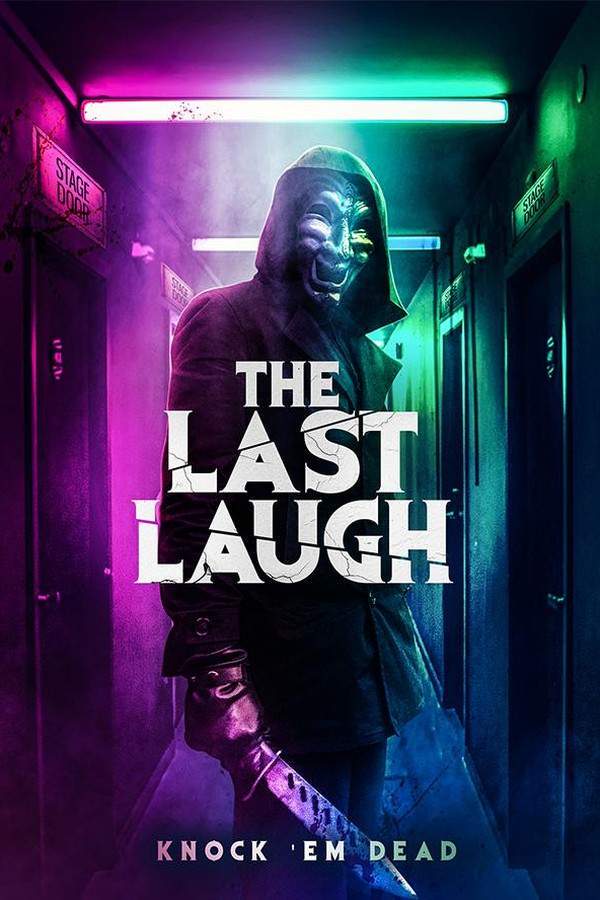
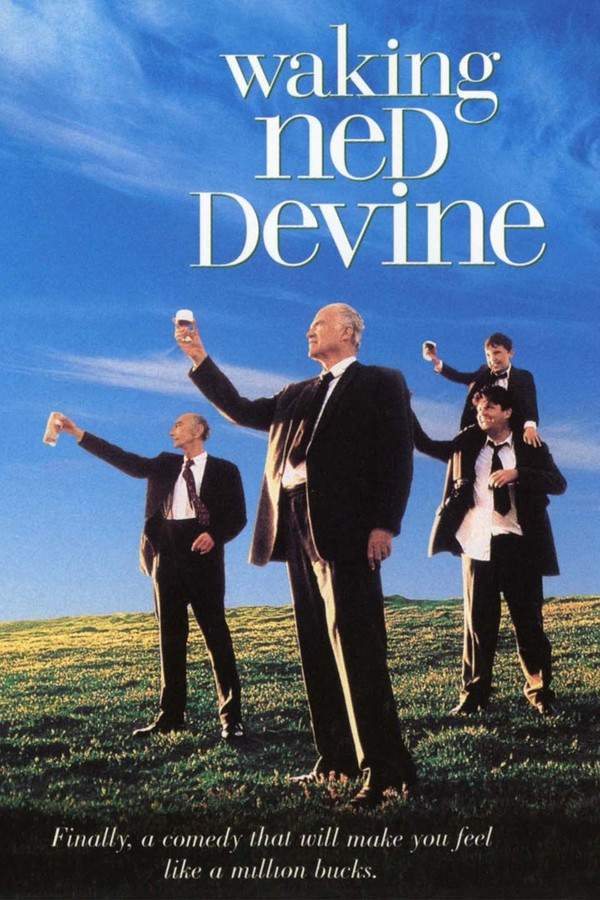
Movies Like The Living Wake | Quirky Bittersweet Journeys

Stories where eccentric characters and absurd humor explore profound, emotional themes. If you liked The Living Wake, explore movies that blend whimsical humor with melancholic reflection. These films feature eccentric characters on unique personal journeys, using absurdity and wit to explore themes of life, death, and legacy, all while maintaining a bittersweet emotional core.

  • quirky
  • melancholic
  • bittersweet
  • reflective
  • absurd
  • introspective
  • Tone: whimsical, melancholic
  • Pacing: steady, character-focused
Why these movies?

The story pattern: Narratives in this thread often follow an eccentric protagonist on a specific quest or through a series of unusual events. The plot structure provides a framework for exploring deeper emotional truths, with comedic moments often preceding or undercutting poignant revelations. The journey typically leads to a bittersweet resolution that acknowledges both the absurdity and beauty of existence.

Why they belong together: Movies are grouped here for their distinctive tone, which masterfully blends whimsy and melancholy. They share a similar emotional mix, where medium-intensity humor is balanced with a reflective, sometimes sad, core. The pacing is steady, allowing for both quirky antics and quiet contemplation, resulting in a consistently bittersweet feel.
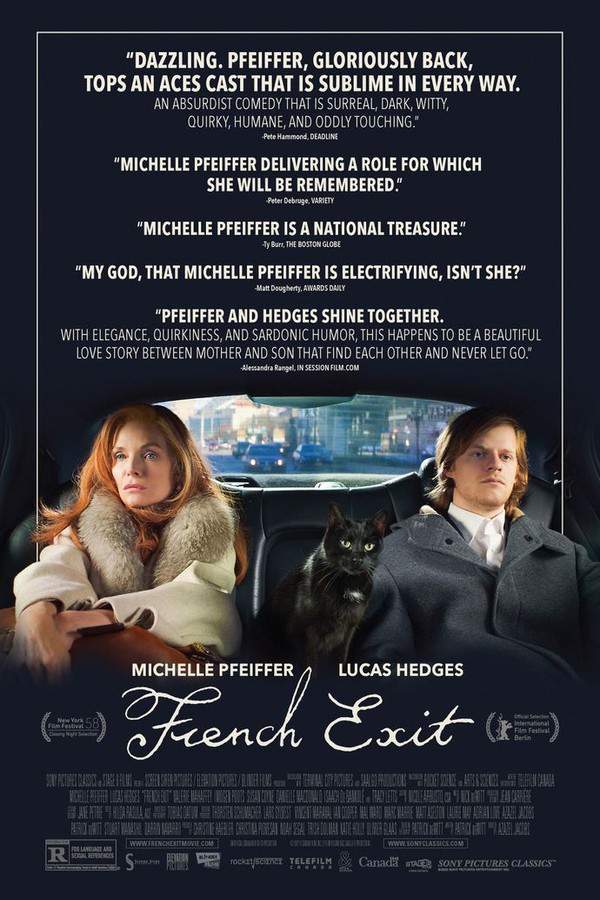
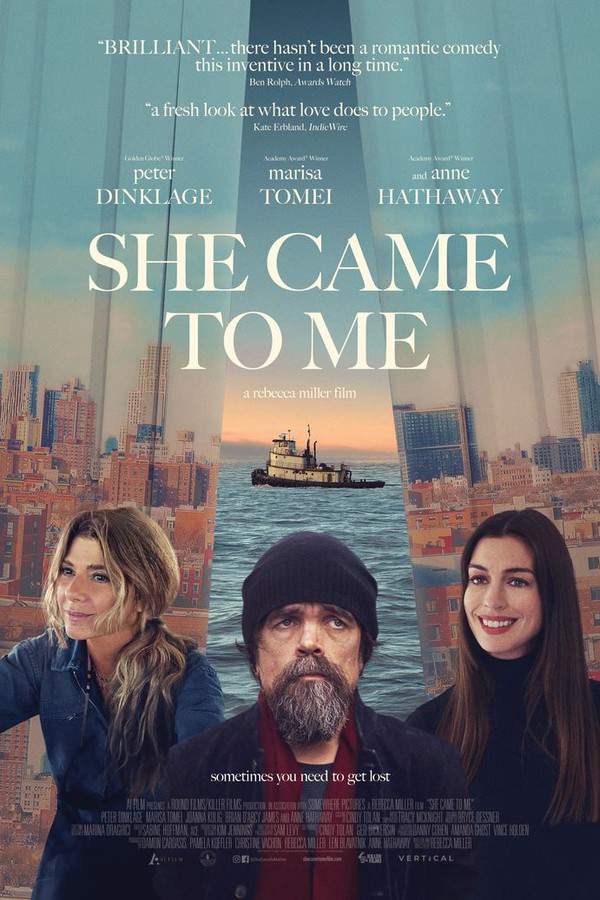
Movies Similar to The Living Wake | Absurdist Takes on a Final Day

Characters facing their own end with humor, ritual, and a search for meaning. Find movies similar to The Living Wake that explore a character's last day through an absurdist and comedic lens. These films focus on the search for meaning and the creation of personal rituals in the face of mortality, blending dark humor with poignant character reflection.

  • absurd
  • reflective
  • introspective
  • existential
  • darkly comedic
  • melancholic
  • Tone: absurd, reflective
  • Pacing: steady, day-in-the-life
Why these movies?

The story pattern: The narrative pattern involves a protagonist receiving a terminal diagnosis or facing an imminent end, prompting a series of planned or spontaneous events throughout a single day. The plot is structured around these rituals or quests, which are often grand, illogical, or deeply personal. The conflict arises from the gap between the character's idealized finale and the messy reality, leading to a climax that is a performance or presentation of their life's meaning.

Why they belong together: These films are connected by a highly specific plot premise—a curated final day—and a shared thematic focus on grappling with mortality through absurdity. They possess a similar mood blend of existential dread met with defiant humor and a moderate complexity that often includes subplots about legacy and relationships.

If you liked this

Movies Like The Living Wake

Similar movies to The Living Wake: the same genre, themes or kind of story. Each one comes with its own plot summary, timeline and ending explained.

Browse all movie summaries

Categories

Movie Lists Featuring The Living Wake

The Living Wake appears in these hand-built movie categories. Each one groups movies by a specific mood, theme or story type, with their plot summaries and endings explained.

View all movie categories

Every angle

The Living Wake (2007) Explained: Plot, Timeline & Characters

Everything about The Living Wake in one place: what happens in the plot summary, the timeline in chronological order, the characters and meaning and a spoiler-free summary. What's After the Movie adds the cast, box office and post-credit scenes.

Coming soon on iOS and Android

The Plot Explained Movie Summary App

Plot summaries, endings explained and timelines on your phone. Catch up on any movie in minutes, save your favorites and never miss a twist again.

Be the first to know when we launch. Your email stays private, always.

Learn more about the app