Year: 1968
Runtime: 130 mins
Language: English
Director: Robert Aldrich
A tyrannical film director obsessed with recreating the life of a deceased Hollywood icon recruits a fresh, unknown actress to portray the star in his ambitious biopic. As she steps into the role, she swiftly rises from obscurity to fame, transforming overnight into a sensation and, over time, into a legend.
Find where to stream, rent, or buy The Legend of Lylah Clare (1968) in the US with current JustWatch availability, up-to-date pricing, and platform listings for subscription, rental, and digital purchase options.
Warning: spoilers below!
Haven’t seen The Legend of Lylah Clare yet? This summary contains major spoilers. Bookmark the page, watch the movie, and come back for the full breakdown. If you're ready, scroll on and relive the story!
Explore the full timeline and setting of The Legend of Lylah Clare (1968). Follow every major event in chronological order and see how the environment shapes the story, characters, and dramatic tension.
Last updated: October 04, 2025 at 15:42
Meet the key characters of The Legend of Lylah Clare (1968), with detailed profiles, motivations, and roles in the plot. Understand their emotional journeys and what they reveal about the film’s deeper themes.
Last updated: October 04, 2025 at 15:42
Explore the central themes of The Legend of Lylah Clare (1968), from psychological, social, and emotional dimensions to philosophical messages. Understand what the film is really saying beneath the surface.
Last updated: October 04, 2025 at 15:42
Browse frequently asked questions about The Legend of Lylah Clare (1968) focused on characters, relationships, themes, symbols, setting, and story context. This movie info FAQ gives spoiler-aware explanations for character arcs, world details, and thematic interpretation so readers can better understand what the film is really about.
The film explores three interconnected themes: identity fusion between actor and role, the manipulative power of media publicity in Hollywood, and the brutal exercise of power by directors and studio heads. At its core, the story examines how stardom can consume a person when artifice eclipses truth, ultimately asking whether any authentic self can survive the machinery of celebrity creation.
The film is set in Hollywood, Los Angeles, the epicenter of American cinema. The story unfolds across backlots, production offices, and press rooms where studio lots, premiere parties, and constant media attention shape careers. The atmosphere is competitive, glamorous, and merciless, reflecting what the film depicts as a 'dog eats dog' industry.
The events unfold in the late 1960s, a transitional period when the old studio system was giving way to more sensational storytelling and TV publicity. This era emphasized image, perception, and the commodification of celebrity, with power concentrated in studio heads and formidable directors. The time period is significant because it captures Hollywood at a moment of cultural and industrial change.
Elsa Brinkmann is a would-be actress who bears a striking resemblance to the vanished star Lylah Clare. Recruited by a tyrannical director to portray the deceased icon in a biopic, Elsa transforms from obscurity to fame overnight. Her vulnerability and ambition collide with Hollywood's dangerous publicity machine as she gradually adopts Lylah's larger-than-life persona, losing her sense of self in the process.
Lylah Clare is the flamboyant deceased star whose memory drives the film's narrative. Her past death becomes the catalyst for Elsa's transformation, as the director becomes obsessed with recreating her life on screen. Lylah's legacy exposes how celebrity personas outlive the real people, and her aura shapes the studio's expectations, fueling the tension around Elsa's impersonation.
The media, represented primarily by journalist Molly Luther, serves as both a vehicle for celebrity creation and a destructive force. Hollywood publicity thrives on sensational narratives, and Elsa's resemblance to the vanished star becomes a marketable story. The film suggests that media drive can elevate a project to success even as personal tragedy unfolds, questioning whether truth can survive the glare of the press.
Lewis Zarkan is an arrogant director whose fixation on controlling the production drives the film's conflicts. He views Elsa merely as a tool to complete his vision and is willing to manipulate, pressure, and endanger others to achieve it. Zarkan embodies the ruthlessness of a creator who values artistic success over human cost, representing the dark side of auteur power in Hollywood.
Barney Sheean is a brash studio head who enables the director's worst impulses. He uses the publicist machine to maximize box office potential, treating people as production units and deflecting blame with a business-minded shrug. Sheean's power epitomizes the exploitative system at the center of the film, representing the corporate machinery that turns stars into products.
The film examines how the line between actor and role becomes dangerously blurred. As Elsa mimics Lylah Clare, her own personality begins merging with the larger-than-life persona she imitates. The story traces how stardom can consume a person when artifice eclipses truth, culminating in an unstable distinction between Elsa's identity and the legend she is impersonating.
Bart Langner is a seasoned talent agent who engineers Elsa Brinkmann's path to stardom by pushing her into the Lylah Clare role. He orchestrates meetings with the director and studio head, navigating power plays with cool calculation. Langner is practical, unscrupulous, and relentlessly focused on getting results for his clients, representing the transactional nature of talent representation.
The film portrays Hollywood as a ruthless system where directors and studio heads wield coercive influence over careers, decisions, and even lives. The director's obsession with finishing his film exposes a brutal, controlling dynamic, while the studio head's support amplifies their power. The conclusion casts a somber light on what happens when creative control overrides humanity, depicting a world where people are expendable for art.
Discover curated groups of movies connected by mood, themes, and story style. Browse collections built around emotion, atmosphere, and narrative focus to easily find films that match what you feel like watching right now.
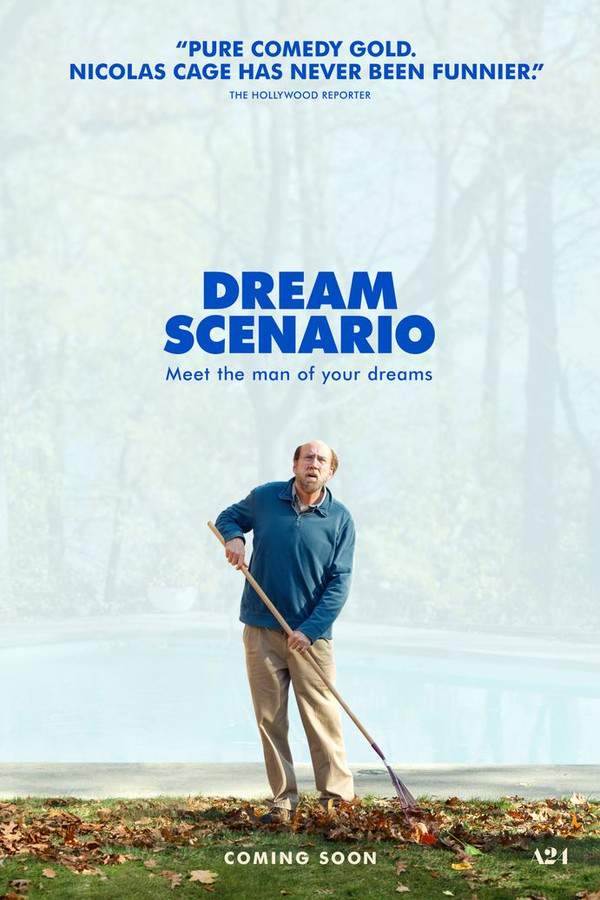
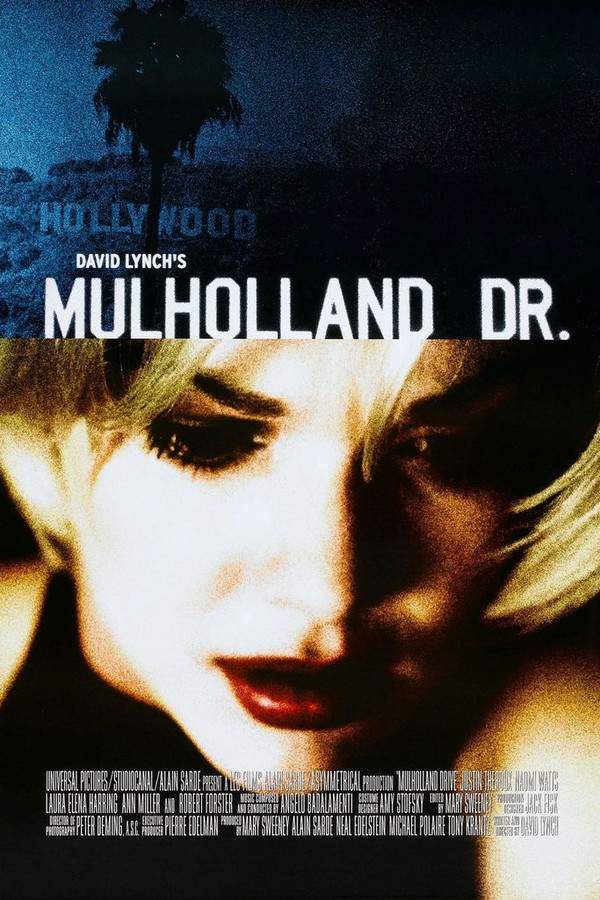
Stories of creators destroying their muses in a spiral of obsession and control.If you liked the dark dynamic between the director and actress in The Legend of Lylah Clare, explore more movies about obsessive creators and their tragic muses. These films delve into the psychological manipulation and destructive relationships that unfold when artistic ambition turns into a fatal obsession.
The narrative follows a powerful, often manipulative, figure who identifies a malleable subject to mold according to their grand vision. As the subject is transformed, the creator's obsession intensifies, leading to a psychological battle for identity and autonomy that almost always ends in tragedy for one or both parties.
These films are grouped by their central, toxic relationship dynamic and the theme of artistic or personal creation gone horribly wrong. They share a high-tension, emotionally heavy atmosphere and a bleak outlook on the nature of control and exploitation.
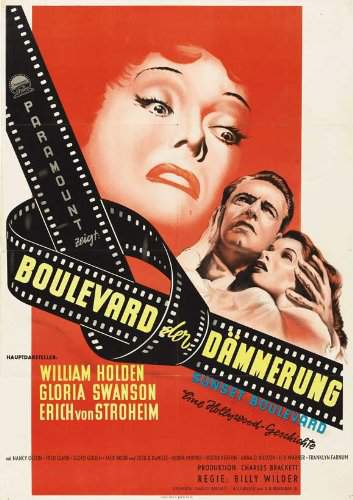
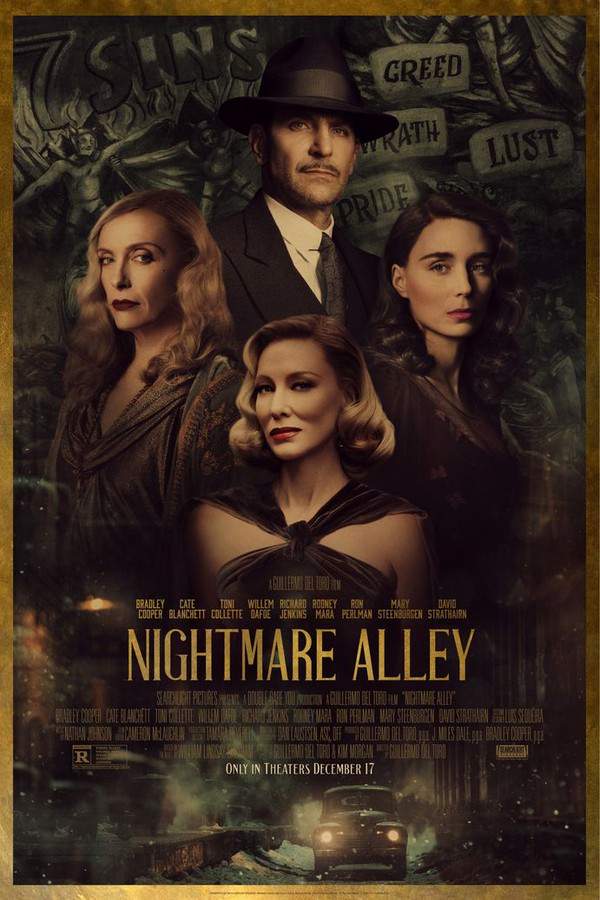
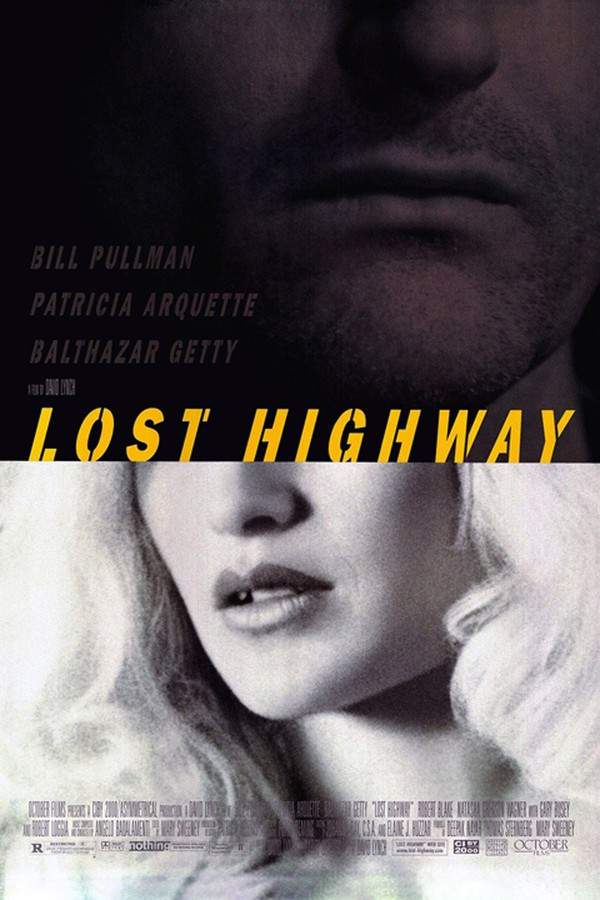
Cynical and dreamlike exposés of the dark side of fame and the entertainment industry.For viewers who appreciated the cynical, surreal critique of Hollywood in The Legend of Lylah Clare, this section features similar movies that explore the dark, dreamlike underbelly of fame. These films often use metafictional elements and a claustrophobic atmosphere to deconstruct the myths of stardom.
The narrative pattern involves an outsider being drawn into the glamorous yet sinister world of entertainment, only to find their identity eroded by the system. The story unfolds with a dreamlike logic, blurring the lines between performance and reality, and culminates in a bleak commentary on the cost of fame.
Movies in this thread are united by their shared setting and thematic focus on the dark side of show business. They employ a similar mix of melodrama, surreal imagery, and a cynical tone to create a specific, claustrophobic vibe that feels both critical and haunting.
Don't stop at just watching - explore The Legend of Lylah Clare in full detail. From the complete plot summary and scene-by-scene timeline to character breakdowns, thematic analysis, and a deep dive into the ending - every page helps you truly understand what The Legend of Lylah Clare is all about. Plus, discover what's next after the movie.
Read a complete plot summary of The Legend of Lylah Clare, including all key story points, character arcs, and turning points. This in-depth recap is ideal for understanding the narrative structure or reviewing what happened in the movie.
Track the full timeline of The Legend of Lylah Clare with every major event arranged chronologically. Perfect for decoding non-linear storytelling, flashbacks, or parallel narratives with a clear scene-by-scene breakdown.