Plot Explained Spoilers guaranteed!
Plot Explained

Browse by genre

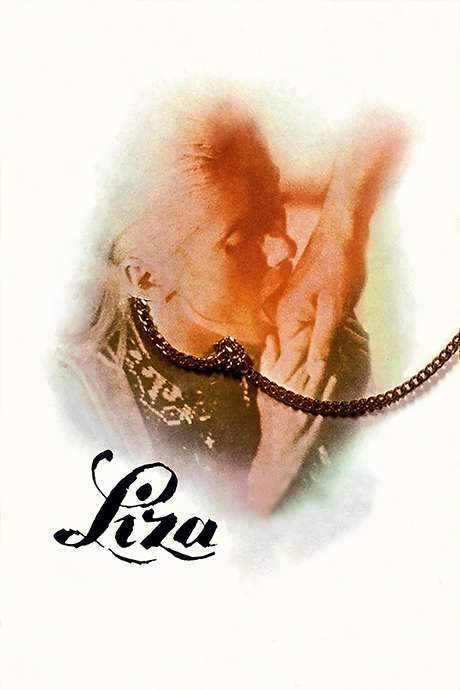
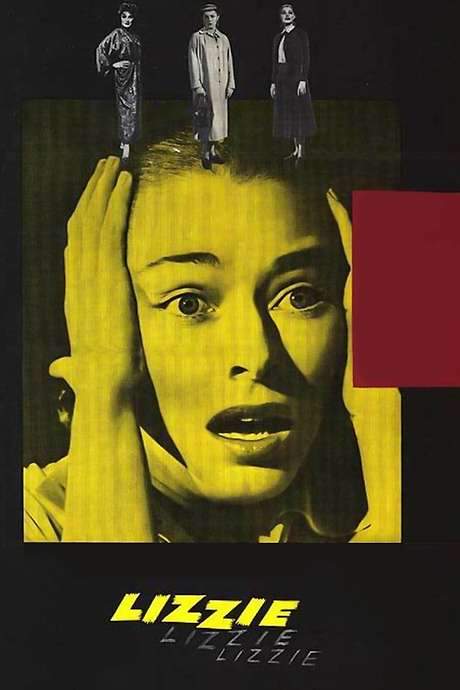
Lizzie (1957) movie poster

Plot Summary

Lizzie (1957) Plot Summary Explained

Release, runtime and language
1957 · 81 mins · English
Loading streaming availability…
Starring
Eleanor Parker, Joan Blondell, Richard Boone, Johnny Mathis, Marion Ross, Hugo Haas

Which girl was she? A psychiatrist treats a woman of three faces: neurotic Elizabeth, wanton Lizzie, and charming Beth.

On this page (6)
  1. 1 Where to watch
  2. 2 What happens: full plot
  3. 3 Plot questions answered
  4. 4 Movie threads
  5. 5 Movies like Lizzie
  6. 6 Every angle
Loading streaming availability…

Full plot summary · contains spoilers

What Happens in Lizzie: Full Plot Summary

The whole story of Lizzie (1957) explained, from the opening scene to the final frame: every key event, every twist and what it all adds up to. Read it as a quick recap before the sequel, to check a scene you missed, or to finally understand what really happened.

Elizabeth Richmond has recurring headaches and is plagued with insomnia. She begins receiving letters from a woman named Lizzie, yet she cannot recall ever meeting anyone named Lizzie.

Under hypnosis, Dr. Neal Wright discovers that Elizabeth carries *three distinct personalities: the shy Elizabeth, the Mr. Hyde-like Lizzie, and the kind, well-adjusted Beth, the woman she has always should have been.** The doctor must guide Elizabeth toward fully becoming Beth.

From the past comes a painful birthday memory: her mother, Elizabeth's mother, an abusive alcoholic, arrives late with her drunken boyfriend, and a moment of rage triggers events that lead to her mother's death. Elizabeth blames herself, and Aunt Morgan has known about it, showing little sympathy for years but ultimately feeling genuine sorrow upon the truth coming out.

Another memory reveals that her mother's boyfriend raped her, a sequence depicted in a prolonged portrayal where he pursues her up the stairs and into her bedroom, ending with a closeup of the girl's face. She kept this to herself for a long time.

In the present, alone in her bedroom, a three-way mirror becomes the stage on which Beth fights and eventually wins the battle for dominance between the facets of her self. Dr. Wright pledges to continue helping her learn to live with these memories and carry on as Beth.

Last updated: February 24, 2026 at 13:41

Was this helpful?

Plot questions answered

Lizzie Plot Explained: Your Questions Answered

The questions people ask most about Lizzie (1957): what happens in the confusing scenes, why the characters do what they do, the twists, hidden details and what the ending means. Each answer contains spoilers.

Q1

Why does Elizabeth have three separate personalities in the movie?

Elizabeth develops three distinct personalities, shy Elizabeth, violent Lizzie, and kind Beth, as a psychological defense mechanism against severe childhood trauma. The shy Elizabeth represents her base self, Lizzie manifests as a protective alter ego that channels rage and aggression, and Beth represents the healthy person she could have become without the abuse. This dissociative identity disorder emerges from repressed memories of parental abuse and sexual assault.

Foreshadowing: The film hints at this fragmentation from the opening scenes where Elizabeth receives mysterious letters signed by Lizzie, a name she claims not to recognize.

  • dissociative identity
  • multiple personalities
  • psychological trauma
  • split personality
Q2

Who is Lizzie as a personality in Lizzie?

Lizzie is Elizabeth's dangerous alter ego, described as her Mr. Hyde-like side. Unlike the shy, withdrawn Elizabeth, Lizzie is fierce, aggressive, and capable of violence. She emerges when Elizabeth's suppressed rage from childhood trauma surfaces. Dr. Wright recognizes Lizzie as the most problematic of the three identities, representing the destructive parts of Elizabeth's psyche that must be integrated rather than simply eliminated.

  • Lizzie alter ego
  • violent personality
  • Elizabeth's split self
  • psychological alter
Q3

Why does Elizabeth blame herself for her mother's death?

Elizabeth believes her own outburst on her birthday triggered the chain of events that led to her mother's death. In the repressed memory, her intoxicated mother arrived late with her boyfriend, and a moment of Elizabeth's childlike rage, whether a refusal to accept a gift or a desperate act, somehow contributed to the tragedy. Elizabeth has carried this guilt for years, even though the full details remain fragmented in her subconscious.

Foreshadowing: The painful birthday memory that surfaces early in therapy hints at the emotional violence in the household that shaped Elizabeth's dissociation.

  • Elizabeth guilt
  • mother's death
  • childhood trauma
  • self-blame
Q4

What happened to Elizabeth as a child in the movie?

Elizabeth was sexually assaulted by her mother's boyfriend when she was a child. The film depicts a prolonged sequence where he pursues her up the stairs and into her bedroom. She never told anyone about this rape, keeping it buried in her subconscious for years. This secret trauma, combined with her mother's alcoholic abuse, explains the severity of her psychological fragmentation and why her mind created separate identities to cope.

  • child sexual abuse
  • childhood rape
  • repressed memory
  • trauma response
Q5

What happens during the three-way mirror scene in Lizzie?

In the film's climax, Elizabeth stands before a three-way mirror in her bedroom, where the different personalities literally face each other. Beth fights for dominance over the other selves, particularly the dangerous Lizzie. This symbolic battle represents the therapeutic integration process, Elizabeth confronting her fragmented identity. Beth ultimately wins control, signifying her path toward becoming a unified, healthy person.

  • three-way mirror
  • mirror scene
  • identity integration
  • psychological symbolism
Q6

Why does Dr. Wright want Elizabeth to become Beth?

Dr. Wright identifies Beth as Elizabeth's "true self", the well-adjusted, kind, and emotionally healthy woman she was meant to become without the trauma. While Elizabeth represents her broken state and Lizzie represents her defensive aggression, Beth embodies wholeness. The therapy goal is not to destroy the other personalities but to integrate them so Beth becomes the dominant, functional identity that can process and move beyond the trauma.

  • Dr. Wright therapy
  • become Beth
  • integration treatment
  • healthy identity
Q7

What did Aunt Morgan know about Elizabeth's past?

Aunt Morgan knew about Elizabeth's traumatic childhood but failed to protect her from it. She witnessed the abuse and witnessed Elizabeth's emotional state after her mother's death, yet offered little sympathy for years. When the truth about the mother's death and the abuse emerges, Aunt Morgan experiences genuine sorrow for her inaction. Her character represents the failed adults who surrounded Elizabeth during her childhood trauma.

  • Aunt Morgan
  • family secret
  • failed protection
  • childhood abuse
Q8

Does Elizabeth recover fully by the end of Lizzie?

The ending shows Beth winning dominance over the other personalities, representing significant progress in Elizabeth's healing. However, Dr. Wright frames this as the beginning of a long journey rather than a complete cure. The film ends hopefully but realistically, Elizabeth will continue therapy to live with her memories and maintain her integrated self, suggesting cautious optimism about her future stability.

  • ending
  • recovery
  • healing
  • therapy conclusion
  • hopeful ending
Q9

How does hypnosis help Elizabeth uncover her memories?

Under hypnosis with Dr. Wright, Elizabeth's repressed memories surface gradually. The dissociative identities act as barriers protecting her conscious mind from the full trauma. As therapy progresses, the boundaries between these identities weaken, allowing the painful memories, including the rape and her role in her mother's death, to emerge. This controlled revelation allows Elizabeth to finally confront what happened to her rather than remain fragmented.

  • hypnosis
  • repressed memories
  • therapy
  • unconscious
  • memory recovery
Q10

What are the main psychological themes in Lizzie?

Lizzie explores dissociation as a response to childhood trauma, showing how the mind fragments to survive abuse. The film examines the connection between repressed memory and identity, demonstrating how unprocessed trauma creates separate selves. It also addresses the difficult process of therapeutic healing, not a quick cure but an ongoing journey toward integration. The themes of self-acceptance and the long-term effects of childhood sexual abuse were groundbreaking for its time.

  • psychological themes
  • dissociation
  • trauma
  • healing
  • self-acceptance

Movie threads

More Movies Like Lizzie, by Mood & Story

Curated lists built around what makes Lizzie tick: the same mood, the same kind of story or the same emotional payoff. Each list explains why these movies belong together.

Movies about unlocking repressed trauma like Lizzie

A therapeutic journey to uncover deeply buried memories and hidden selves. If you were fascinated by the therapeutic journey in Lizzie, explore more movies like it where characters confront repressed memories and hidden identities. This collection features similar psychological dramas focused on healing from trauma.

  • psychological
  • traumatic
  • soul searching
  • unsettling
  • intense
  • anxious
  • Tone: dark, unsettling, psychologically intense
  • Pacing: steady, methodical
Why these movies?

The story pattern: The narrative follows a character, often aided by a therapist, as they use methods like hypnosis to access fragmented memories of traumatic events, typically from childhood. The story structure is investigative, building tension as each revelation brings the character closer to a painful truth and, ultimately, a chance for reintegration.

Why they belong together: Movies are grouped here based on their shared focus on the therapeutic process of confronting repressed trauma. They share a heavy emotional weight, a dark tone, and a steady, methodical pacing that builds psychological unease, culminating in catharsis or a cautious hope.

Movies with psychological claustrophobia like Lizzie

Stories where the mind becomes a prison of tension and past horrors. Fans of the intense, unsettling atmosphere in Lizzie will appreciate these psychologically claustrophobic movies. Discover similar films that create a tense, anxious mood by trapping characters within their own traumatic memories.

  • claustrophobic
  • anxious
  • intense
  • unsettling
  • uneasy
  • traumatic
  • Tone: dark, tense, unsettling
  • Pacing: steady, deliberate
Why these movies?

The story pattern: These narratives often confine the perspective to a character's fractured psyche, creating a sense of being trapped with their turmoil. The plot revolves around internal conflict rather than external action, using a steady pace to amplify feelings of dread and anxious suspense as the character confronts their demons.

Why they belong together: These films are united by their overwhelming mood of psychological confinement and high-tension unease. They share a dark tone, high intensity, and a focus on traumatic themes that create a deeply unsettling and immersive viewing experience centered on internal struggle.

If you liked this

Movies Like Lizzie

Similar movies to Lizzie: the same genre, themes or kind of story. Each one comes with its own plot summary, timeline and ending explained.

Browse all movie summaries

Every angle

Lizzie (1957) Explained: Plot, Timeline & Characters

Everything about Lizzie in one place: what happens in the plot summary, the timeline in chronological order, the characters and meaning and a spoiler-free summary. What's After the Movie adds the cast, box office and post-credit scenes.

Coming soon on iOS and Android

The Plot Explained Movie Summary App

Plot summaries, endings explained and timelines on your phone. Catch up on any movie in minutes, save your favorites and never miss a twist again.

Be the first to know when we launch. Your email stays private, always.

Learn more about the app