Plot Explained Spoilers guaranteed!
Plot Explained

Browse by genre

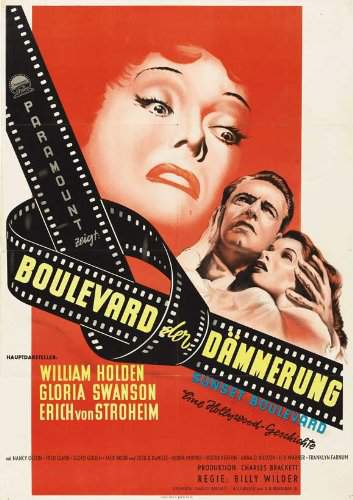
Sunset Boulevard (1950) movie poster

Plot Summary

Sunset Boulevard (1950) Plot Summary Explained

Release, runtime and language
1950 · 1 h 50 m
JustWatch #2,146 7
Directed by
Billy Wilder
Starring
William Holden, Buster Keaton, Larry J. Blake, Joel Allen, Cecil B. DeMille, Nancy Olson

A fading silent film star, Norma Desmond, lives in seclusion on Sunset Boulevard, clinging to dreams of a comeback. When a struggling screenwriter stumbles into her orbit, he becomes entangled in her illusions and desperate schemes. The story explores themes of ambition, decay, and the dark side of Hollywood, revealing a portrait of a woman trapped by the past and desperate for recognition.

On this page (6)
  1. 1 Where to watch
  2. 2 What happens: full plot
  3. 3 Plot questions answered
  4. 4 Movie threads
  5. 5 Movies like Sunset Boulevard
  6. 6 Every angle

Where to watch

Where to Watch Sunset Boulevard (1950)

Where can you watch Sunset Boulevard? Stream, rent or buy it in the US, including on fuboTV, Kanopy and MGM Plus: current JustWatch availability with up-to-date prices.

Streaming availability powered by JustWatch

Full plot summary · contains spoilers

What Happens in Sunset Boulevard: Full Plot Summary

The whole story of Sunset Boulevard (1950) explained, from the opening scene to the final frame: every key event, every twist and what it all adds up to. Read it as a quick recap before the sequel, to check a scene you missed, or to finally understand what really happened.

The film begins with a striking scene as the camera tracks along Sunset Boulevard in Los Angeles, where police cars rush towards a lavish mansion. Within its pool lies the lifeless body of the young man, Joe Gillis (William Holden). As law enforcement gathers, Joe's voice narrates the tale leading to his own demise, unfolding through flashbacks.

Six months prior, Joe was struggling to make a living as a screenwriter, having only a handful of mediocre films to his name. With his finances dwindling and facing the repossession of his car, he attempts to sell his latest script to Paramount Pictures producer Sheldrake (Fred Clark), but is thwarted when script reader Betty Schaefer (Nancy Olson) gives a scathing review. In desperation, Joe seeks financial help from his friends, to no avail. While fleeing from the repo men, he finds himself with a flat tire outside a seemingly abandoned mansion.

As he hides his car in the garage, Joe is lured inside by a voice. He is mistakenly believed to be the undertaker for a deceased pet chimp and is welcomed by the enigmatic butler, Max Von Mayerling (Erich von Stroheim). Inside, he encounters the former silent film star Norma Desmond (Gloria Swanson), who, upon discovering he is a writer, unveils her ambitious script for a film adaptation of Salome, hoping to rekindle her acting career. Despite finding the script dreadful, Joe flatters her, securing the job as her editor.

Settling into the mansion, Joe initially occupies a room above the garage but soon moves into the house itself, with Norma insisting on his comfort. As he delves into her script, he becomes increasingly aware of Norma's obliviousness to her faded fame and career. Despite receiving fan mail, Joe learns that Max has been sending the letters to maintain her fantasy. Max reveals to Joe that Norma's mental state has deteriorated before, leading to previous suicide attempts.

Over time, Norma showers Joe with attention and lavish gifts, including a tuxedo for a private New Year's Eve celebration just for the two of them. However, when Joe realizes she has developed romantic feelings for him, he attempts a gentle rejection, which results in Norma lashing out and retreating. Believing his time with her is at an end, Joe escapes to a party hosted by his friend, Artie Green (Jack Webb), where he reunites with Betty, who sees promise in one of his scripts. Yet, Joe feels compelled to inform Max of his intent to leave. His plans change when he learns of Norma's suicide attempt, prompting him to return and apologize, leading to an intimate encounter.

As Norma completes her script and submits it to Cecil B. DeMille (Cecil B. DeMille), she awaits his response with impatient anticipation. Calls from the studio requesting Norma generate tension, as she stubbornly refuses to speak with anyone but DeMille. Eventually, Max drives her and Joe to the studio in her vintage Isotta Fraschini Tipo 8A. While Norma is greeted warmly by older crew members recognizing her, Joe learns from Max that DeMille has little interest in her script, which he has secretly deemed awful. Max's loyalty to Norma is rooted in their shared past as her former husband and director, which complicates their current dynamic.

As Norma engages in extensive beauty regimens, Joe secretly collaborates with Betty on a screenplay. Their relationship becomes complicated as Betty, now engaged to Artie, develops feelings for Joe. When Norma discovers the script bears Betty's name, she confronts Betty with derogatory implications about Joe. In a bid to shield her, Joe wrongly allows Betty to believe the worst about him. After their painful separation, Joe decides to leave for Ohio but confronts Norma with the cold truth: her career is over, the fan letters are fabricated, and she has been forgotten. In a fit of rage, Norma shoots Joe as he tries to leave, leaving him lifeless in the pool.

The narrative circles back to the beginning, revealing Joe’s fears for Norma’s future in a world she can no longer comprehend. By the time the police arrive, Norma's grip on reality has utterly disintegrated. In her delusion, she believes the news media are there to film a new picture. To pacify her and assist the police in bringing her down, Max plays along with her fantasy, exclaiming "Action!" as she dramatically descends the staircase. Joe, narrating in voiceover, reflects on how life has spared her from the harsh reality she refuses to face, affirming that "The dream she clung to so desperately had enfolded her." Ending with her iconic line, “All right, Mr. DeMille, I'm ready for my close-up,” Norma embodies the tragic essence of the Hollywood dream.
Last updated: October 24, 2024 at 09:25

Was this helpful?

Plot questions answered

Sunset Boulevard Plot Explained: Your Questions Answered

The questions people ask most about Sunset Boulevard (1950): what happens in the confusing scenes, why the characters do what they do, the twists, hidden details and what the ending means. Each answer contains spoilers.

Q1

Why does Joe stay with Norma despite knowing her fame is fake?

Joe remains with Norma primarily because he is financially desperate. He cannot sell his scripts, faces car repossession, and has no other means of support. Additionally, Norma provides him with a luxurious lifestyle, gifts, and a room in her mansion. Over time, his situation becomes more complicated as he develops a genuine, though conflicted, emotional attachment to her, making escape increasingly difficult.

Foreshadowing: Early in the film, Joe admits to Max that he initially stayed for the money, but his financial dependence traps him in a situation he cannot easily leave.

  • joe gillis
  • norma Desmond
  • financial desperation
  • exploitation
  • hollywood
Q2

Why does Max send Norma fake fan letters?

Max continues sending fabricated fan letters to protect Norma's fragile mental state. He understands that these letters are the only thing sustaining her belief that a comeback is possible. Max's loyalty stems from their past, he was Norma's former husband and director, and he cannot bear to see her mental collapse. However, his kindness is ultimately cruel, as it prevents her from facing reality and getting the help she needs.

Foreshadowing: Max reveals to Joe early on that Norma has had previous mental breakdowns and suicide attempts, showing a pattern of enabling her delusions.

  • max von mayerling
  • fan letters
  • delusion
  • loyalty
  • protection
Q3

Why does Norma shoot Joe at the end?

Norma shoots Joe in a moment of intense jealousy and rage when he finally tells her the harsh truth, that her career is over, the fan letters are fake, and she has been forgotten by Hollywood. This confrontation shatters her carefully maintained illusion, and in her psychologically deteriorated state, she reacts violently. The shooting represents the tragic culmination of years of delusion, exploitation, and emotional manipulation that has bound them together.

Foreshadowing: Joe's earlier attempts to gently distance himself from Norma trigger her first suicide attempt, showing how violently she reacts to any perceived abandonment.

  • norma Desmond
  • joe gillis
  • shooting
  • murder
  • jealousy
  • delusion
Q4

Why does Max play along with Norma's delusion at the very end?

Max plays along with Norma's fantasy that the police are there to film a movie because he wants to protect her from the traumatic reality of what she has done. By exclaiming "Action!" as she descends the staircase, he allows her to die believing her final fantasy rather than facing the consequence of murder. This act reflects his deep, if misguided, loyalty, he would rather she remain trapped in her dream than suffer the collapse of her entire worldview.

Foreshadowing: Max has consistently maintained Norma's delusions throughout the film, sending fake fan letters and keeping her isolated from the truth about her fading fame.

  • max von mayerling
  • norma Desmond
  • delusion
  • final scene
  • protection
Q5

Why does Norma Desmond want to make Salome?

Norma wants to make her adaptation of Salome because she genuinely believes it will revive her acting career. In her delusion, she sees herself as still being the major star she was during the silent film era. The script represents her desperate attempt to prove that Hollywood still wants her. The film itself is famously associated with silent film stars, Rudolf Valentino's last film, so Norma's attachment to this particular story further illustrates her inability to move beyond the past.

Foreshadowing: Norma tells Joe that she is the greatest star ever, and her elaborate beauty routines and insistence on privacy reflect her belief that she remains a premium celebrity.

  • norma Desmond
  • salome
  • comeback
  • delusion
  • silent film star
Q6

Why does Joe return to Norma after her suicide attempt?

Joe returns to Norma after learning of her suicide attempt because he feels guilt and responsibility for her condition. When he tried to leave, Norma slit her wrists, and this dramatic act pulls him back into her orbit. His return is not purely compassionate, he also recognizes that leaving would mean losing his comfortable living arrangement, but the suicide attempt creates an emotional bond that makes escape nearly impossible. He apologizes and they become intimate, deepening his entrapment.

Foreshadowing: Max had warned Joe earlier that Norma has attempted suicide before, establishing a pattern of using self-harm to control those around her.

  • joe gillis
  • norma Desmond
  • suicide attempt
  • guilt
  • manipulation
Q7

Why does Norma attempt suicide when Joe tries to leave?

Norma attempts suicide because Joe's attempt to leave represents the loss of the last connection to the outside world that sustains her fantasy. She has become emotionally dependent on him, and his departure threatens to shatter the illusion she has built, that she is still a desirable, relevant star. In her mentally unstable state, she sees abandonment as unbearable, leading her to cut her wrists in a desperate attempt to keep him tied to her.

Foreshadowing: Norma's extreme reaction to Joe's earlier rejection when she tried to initiate romance shows her inability to handle any form of rejection or abandonment.

  • norma Desmond
  • suicide attempt
  • abandonment
  • delusion
  • emotional dependency
Q8

Why does Joe finally tell Norma the truth about her career?

Joe tells Norma the truth because he can no longer bear the weight of living in her delusion. His relationship with Betty has given him a glimpse of a legitimate future, and he wants to break free from the toxic entanglement. Additionally, he reaches a breaking point when he realizes that his continued presence is only prolonging Norma's fantasy. The truth is brutal, but Joe believes it is necessary, he wants to force her to face reality, even though this confrontation ultimately leads to his death.

Foreshadowing: Joe's earlier conversations with Max about Norma's mental state show his growing awareness that his continued presence is harmful to both of them.
  • joe gillis
  • norma Desmond
  • truth
  • confrontation
  • delusion breakthrough
Q9

Why is Joe narrating the film from beyond the grave?

Joe narrates the film from beyond the grave because the story opens with his dead body in the pool. This narrative device, having a dead narrator tell his own story, creates dramatic irony and establishes the film's tragic, fatalistic tone. From the start, the audience knows Joe will not survive, which adds weight to every decision he makes. The voiceover allows the audience to understand his motivations and regrets as events unfold, even though he is already dead when the story begins.
Foreshadowing: The film opens with the iconic line "I am on Sunset Boulevard," immediately establishing that this is a story about death and decay in Hollywood.

  • joe gillis
  • narrative device
  • flashback
  • opening scene
  • voiceover
Q10

Why does Max keep the truth about Cecil B. DeMille from Norma?

Max keeps the truth about DeMille's lack of interest in Norma's script because he is protecting her from the devastating reality that her comeback will never happen. Max knows DeMille has secretly deemed the script awful and has no intention of making it. However, Max also has complicated motivations, he is Norma's former husband and director, and their relationship involves elements of both genuine care and manipulation. By keeping the truth hidden, Max maintains his role as the gatekeeper of her fantasy, which also keeps him relevant in her life.

Foreshadowing: Max's earlier admission that he sends Norma fake fan letters demonstrates his pattern of controlling information to preserve her delusions.

  • max von mayerling
  • cecil b demille
  • script
  • truth
  • protection
  • hollywood
Q11

What happens to Betty Schaefer in the story?

Betty Schaefer, the script reader who initially rejected Joe's screenplay, becomes involved with him secretly while he works on Norma's script. She sees genuine promise in his work and encourages his talent. However, when Norma confronts Betty and makes derogatory implications about her relationship with Joe, Betty is hurt. Joe, trying to protect Betty from Norma's wrath, allows her to believe the worst about him. Betty ultimately leaves, presumably returning to her engagement with Artie Green. Her subplot represents the legitimate Hollywood opportunity Joe is giving up by staying with Norma.

Foreshadowing: Betty's early criticism of Joe's script at Paramount establishes her as someone who recognizes genuine talent, contrasting with Norma's delusion.

  • betty schaefer
  • joe gillis
  • script
  • hollywood opportunity
  • artie green
Q12

Why does Norma Desmond live in seclusion?

Norma lives in seclusion because she has withdrawn from the world after her silent film career ended. She remains in her mansion, surrounded by the trappings of her former fame, while refusing to accept that Hollywood has moved on without her. The seclusion allows her to maintain her delusion, she controls what information enters her home (through Max's filtering of fan mail and news) and can pretend that her fame continues. Her isolation is both self-imposed and reinforced by Max, who encourages her withdrawal from reality.

Foreshadowing: The mansion itself, with its faded grandeur and closed curtains, visually represents Norma's rejection of the present and attachment to the past.

  • norma Desmond
  • seclusion
  • mansion
  • delusion
  • silent film era
Q13

Why does the film open with Joe's body in the pool?

The film opens with Joe's dead body in Norma's pool to establish the tragic outcome from the start and create a noir atmosphere of fatalism. This opening immediately tells the audience that this is a story with a foregone conclusion, Joe will die. The shocking visual of a corpse in a luxurious setting establishes the film's themes of decay, excess, and the dark side of Hollywood fame. It also allows for the flashback narrative structure, as Joe's voiceover tells the story leading up to this moment.

Foreshadowing: The opening tracking shot along Sunset Boulevard, moving from glamorous Hollywood to the decaying mansion, foreshadows the journey from dream to nightmare.

  • joe gillis
  • pool
  • opening scene
  • noir
  • fatalism
  • flashback

Movie threads

More Movies Like Sunset Boulevard, by Mood & Story

Curated lists built around what makes Sunset Boulevard tick: the same mood, the same kind of story or the same emotional payoff. Each list explains why these movies belong together.

Movies about decaying grandeur and psychological claustrophobia like Sunset Boulevard

Stories where extravagant settings mirror a character's mental decline. If you liked the oppressive atmosphere of Sunset Boulevard, this selection features movies where characters are psychologically trapped in worlds of fading opulence. These stories explore delusion, isolation, and the haunting power of the past, often set in grand but decaying locations that become characters in themselves.

  • claustrophobic
  • atmospheric
  • decaying
  • melancholic
  • delusional
  • unsettling
  • Tone: dark, melancholic, unsettling
  • Pacing: steady, deliberate
Why these movies?

The story pattern: The narrative often follows an outsider who becomes entangled with a delusional resident of a decaying, grandiose space. The setting itself acts as an antagonist, reinforcing the protagonist's distorted reality. The story builds towards an inevitable tragic climax, driven by the unsustainable clash between fantasy and reality.

Why they belong together: These films are grouped by their shared, oppressive mood. They use their settings not just as backdrop, but as active forces that shape the narrative and psychology of the characters. The experience is defined by a creeping sense of dread, melancholic atmosphere, and the tragic spectacle of a mind succumbing to its own illusions.

Movies about the dark side of fame and tragic downfalls like Sunset Boulevard

Bleak portraits of obsession and psychological collapse in the world of entertainment. Fans of Sunset Boulevard's exploration of fading fame will find similar themes here. These movies delve into the psychological damage of celebrity, obsession with legacy, and the brutal reality behind the glamour, often culminating in devastating personal collapses.

  • unsettling
  • lonely
  • obsessive
  • tragic
  • critical
  • melancholic
  • Tone: dark, bleak, critical
  • Pacing: steady, character-driven
Why these movies?

The story pattern: The narrative follows a character, often from the world of film, theater, or music, who is unable to cope with fading relevance or the pressures of fame. Their grip on reality weakens as they desperately cling to their former glory or pursue a destructive obsession, leading to an irreversible downfall.

Why they belong together: These films are connected by their shared thematic focus on the psychological destruction wrought by fame and the entertainment industry. They share a dark, critical tone and a heavy emotional weight, portraying fame not as glamorous but as a trap that leads to isolation and tragedy.

If you liked this

Movies Like Sunset Boulevard

Similar movies to Sunset Boulevard: the same genre, themes or kind of story. Each one comes with its own plot summary, timeline and ending explained.

Browse all movie summaries

Every angle

Sunset Boulevard (1950) Explained: Plot, Timeline & Characters

Everything about Sunset Boulevard in one place: what happens in the plot summary, the timeline in chronological order, the characters and meaning and a spoiler-free summary. What's After the Movie adds the cast, box office and post-credit scenes.

Coming soon on iOS and Android

The Plot Explained Movie Summary App

Plot summaries, endings explained and timelines on your phone. Catch up on any movie in minutes, save your favorites and never miss a twist again.

Be the first to know when we launch. Your email stays private, always.

Learn more about the app