Year: 1968
Runtime: 130 mins
Language: English
Director: Robert Aldrich
A tyrannical film director obsessed with recreating the life of a deceased Hollywood icon recruits a fresh, unknown actress to portray the star in his ambitious biopic. As she steps into the role, she swiftly rises from obscurity to fame, transforming overnight into a sensation and, over time, into a legend.
Find where to stream, rent, or buy The Legend of Lylah Clare (1968) in the US with current JustWatch availability, up-to-date pricing, and platform listings for subscription, rental, and digital purchase options.
Warning: spoilers below!
Haven’t seen The Legend of Lylah Clare yet? This summary contains major spoilers. Bookmark the page, watch the movie, and come back for the full breakdown. If you're ready, scroll on and relive the story!
Read the complete plot breakdown of The Legend of Lylah Clare (1968), including all key story events, major twists, and the ending explained in detail. Discover what really happened, and what it all means.
Bart Langner, Milton Selzer, an agent with a knack for chasing sensational stories, tracks Elsa Brinkmann, Kim Novak, a would-be actress who looks and sounds like Lylah Clare, Kim Novak, the flamboyant star who died under mysterious circumstances twenty years ago. He convinces the ambitious director Lewis Zarkan, Peter Finch, who had been married to Lylah, to meet her, and the two men persuade brash studio head Barney Sheean, Ernest Borgnine, to back a project with her in the lead role as Lylah.
Elsa’s Hollywood journey is fraught with hazards: meddling journalist Molly Luther, Coral Browne, and Rossella, the hard-edged acting coach, Rossella Falk, both ready to pull strings to shape a star. As filming progresses, Elsa’s immersion in the part grows deeper, and she finds herself drawn to Zarkan, who is eager to sleep with her but ultimately obsessed with delivering his film to the finish line.
By the final day of production, Elsa’s personality appears to fuse with Lylah’s infamous persona, a transformation that echoes the lethal history surrounding the original star. Jealous Zarkan, who played a pivotal role in Lylah’s demise, becomes the architect of yet another deadly moment. Elsa first exposes the truth by letting him walk in on her in bed with the gardener, then, during a circus sequence that requires nerve and balance, she plummets from a high-wire—seemingly seized by the same acrophobia that felled Lylah. The sensational publicity drives the film to astonishing success, yet Zarkan remains shaken by the double tragedy he helped cause.
The narrative keeps a chilling thread: Rossella, having watched two women she cared about fall to the consequences of Zarkan’s fixation, loads a pistol and stands at the ready, a decision that could spell final tragedy or emergency reprieve. In a closing meta moment, a TV dog-food commercial interrupts the movie itself, underscoring a brutal point: in Hollywood, the business often seems to run on a raw, dog-eat-dog logic.
Last updated: October 09, 2025 at 11:21
Explore frequently asked questions about The Legend of Lylah Clare (1968) with spoiler-rich answers covering the full plot summary, major story beats, character motivations, hidden details, and ending meaning. This movie summary FAQ helps explain confusing scenes, plot twists, and narrative decisions in clear, searchable detail.
Elsa fell to her death during the circus sequence on the final day of filming. The fall was triggered by acrophobia, the same fear that killed Lylah Clare twenty years earlier. However, her death was not purely accidental. Elsa had purposely provoked Zarkan's jealousy by letting him catch her in bed with the gardener, and the emotional turmoil from that confrontation likely contributed to her losing balance on the high wire. The film suggests her psychological fusion with Lylah's persona made her vulnerable to the same tragic fate.
Earlier in production, Elsa's identification with Lylah had become increasingly intense, with her voice, mannerisms, and personality merging with the deceased star's.
Lylah Clare died under mysterious circumstances twenty years before the film's present. She fell from a high wire during a circus scene in one of her own films, and the accident was attributed to acrophobia. However, it is revealed that Lewis Zarkan, her husband and director, played a pivotal role in her death. Jealousy and his obsessive control over her career and life contributed to the tragedy, making Elsa's later death an echo of the same destructive pattern.
Bart Langner mentions that Lylah died under mysterious circumstances, and Zarkan's obsession with recreating her suggests guilt and unfinished business.
Elsa deliberately set up the situation to hurt Zarkan. On the last day of shooting, she had sex with the gardener and allowed Zarkan to walk in on them. This was an act of revenge and psychological warfare against the director who had used her romantically while prioritizing his film above all else. By betraying him in such a public, humiliating way, Elsa was trying to destabilize Zarkan the same way he had manipulated her throughout production.
Their relationship had been tumultuous, with Zarkan accepting her attention but making clear that finishing the film was his only priority.
Yes, Zarkan played a pivotal role in Lylah Clare's death twenty years earlier. Though the exact details are left somewhat ambiguous, the film establishes that his jealousy and obsessive control contributed to the tragedy. When history repeats itself with Elsa's death, Zarkan is devastated by the realization that he has caused another similar tragedy. His guilt and fear consume him as the film closes.
The timeline establishes that Zarkan was married to Lylah and that her death was mysterious, with the narrative hinting at his involvement long before it is confirmed.
Elsa's transformation was both intentional and psychologically inevitable. As she immersed herself in the role to satisfy Zarkan's vision, she began absorbing Lylah's flamboyant personality, voice, and mannerisms. The line between actress and character blurred increasingly as production continued. This fusion was fueled by Zarkan's obsessive demands, the pressure of Hollywood, and possibly substances available on set. By the final day, Elsa had fully become Lylah in demeanor, making her susceptible to the same fatal weakness, acrophobia, that claimed the original star.
The timeline shows a progression from 'Elsa's identity tightens with Lylah' to full fusion, with Rossella and others observing the unsettling transformation.
Rossella, the acting coach who had watched both Lylah and Elsa fall victim to Zarkan's obsession, loaded a pistol in the closing moments. Having lost two women she cared about to the consequences of Zarkan's fixation, she appears poised to take revenge, though it remains ambiguous whether she plans to kill Zarkan or herself. The scene underscores the brutal toll of Hollywood power dynamics and leaves the possibility of a final reckoning unresolved.
Rossella's role as a coach and admirer gave her intimate knowledge of how both women were destroyed by Zarkan's control, building to her decision to load the weapon.
The film ends with a TV dog food commercial interrupting the movie itself, a meta-moment that underscores the cynical reality of Hollywood. The commercial represents the brutal, dog-eat-dog nature of the entertainment industry where business and profit override artistic integrity and human lives. It blurs fiction and reality, delivering a grim joke about power and exploitation in Hollywood while reinforcing the film's dark, cynical worldview.
The meta ending was foreshadowed by the film's consistent tone of cynical exploration of Hollywood exploitation throughout.
The film achieved astonishing commercial success because the tragedy became the ultimate publicity. Elsa's death during production, and its parallel to Lylah's earlier death, created a sensational media narrative that captivated the public. The tragic irony of history repeating itself, that the biopic about Lylah Clare claimed another victim in nearly identical circumstances, drove massive audience curiosity and attendance. The studio capitalized on the tragedy as part of the film's marketing.
The timeline notes that the publicity fueled huge box office, with the public fascination tinged by tragedy.
Discover curated groups of movies connected by mood, themes, and story style. Browse collections built around emotion, atmosphere, and narrative focus to easily find films that match what you feel like watching right now.
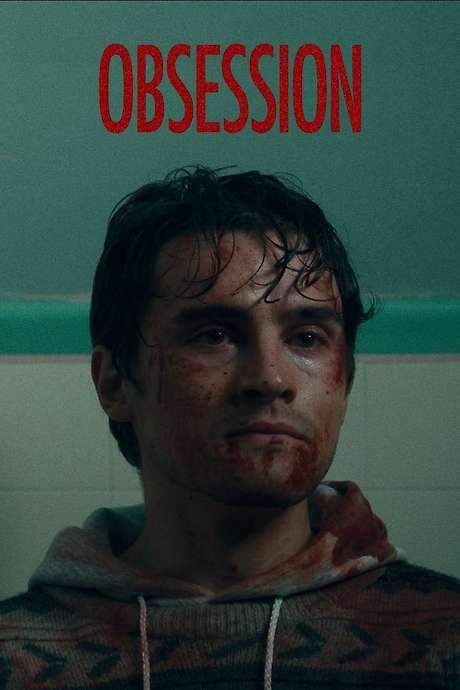
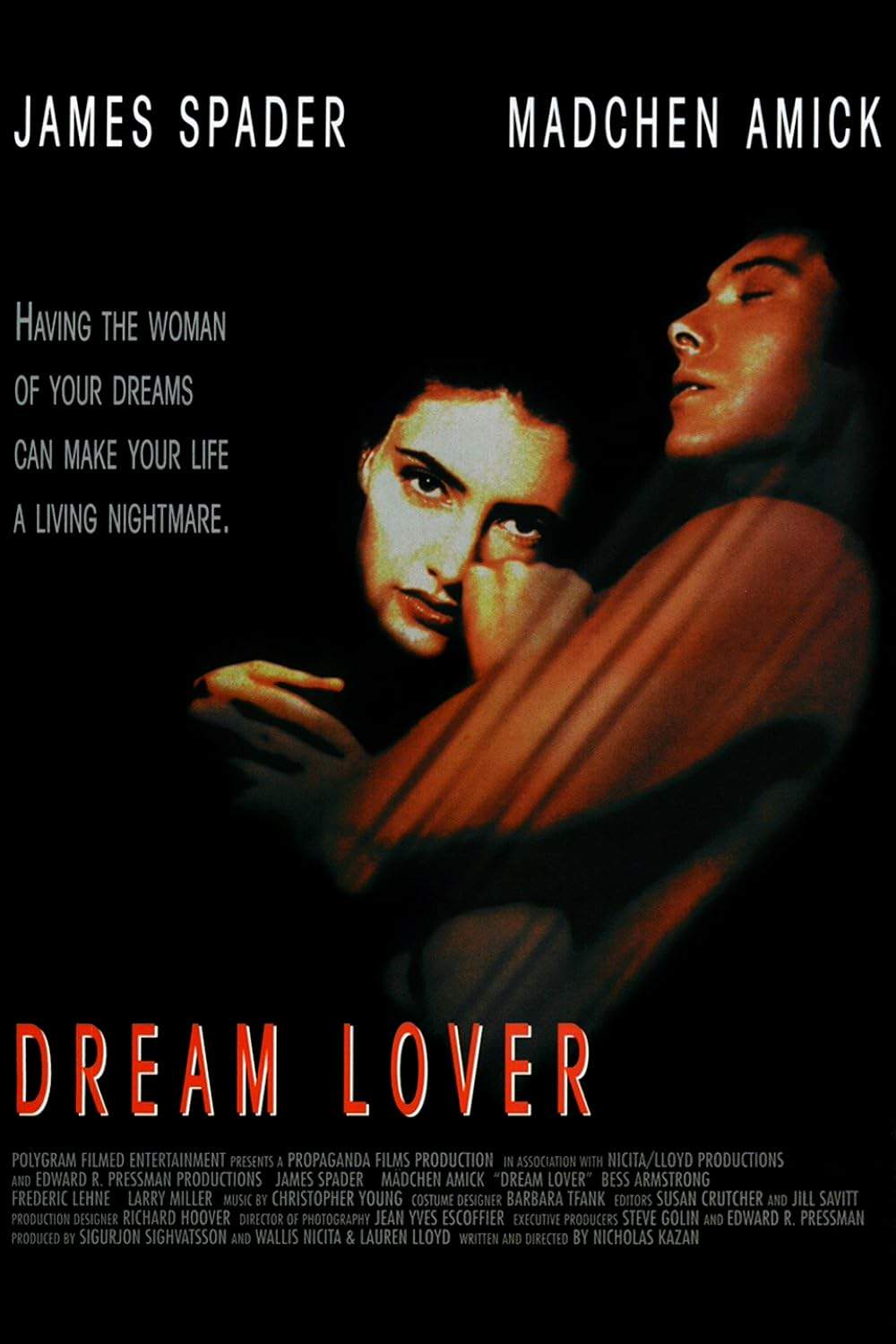
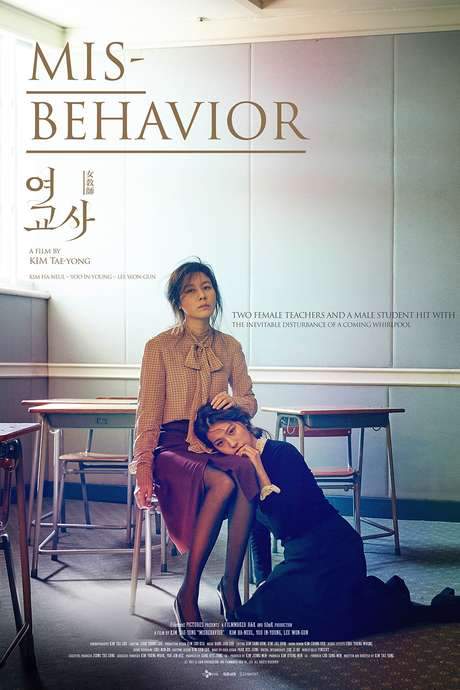
Stories of creators destroying their muses in a spiral of obsession and control.If you liked the dark dynamic between the director and actress in The Legend of Lylah Clare, explore more movies about obsessive creators and their tragic muses. These films delve into the psychological manipulation and destructive relationships that unfold when artistic ambition turns into a fatal obsession.
The narrative follows a powerful, often manipulative, figure who identifies a malleable subject to mold according to their grand vision. As the subject is transformed, the creator's obsession intensifies, leading to a psychological battle for identity and autonomy that almost always ends in tragedy for one or both parties.
These films are grouped by their central, toxic relationship dynamic and the theme of artistic or personal creation gone horribly wrong. They share a high-tension, emotionally heavy atmosphere and a bleak outlook on the nature of control and exploitation.
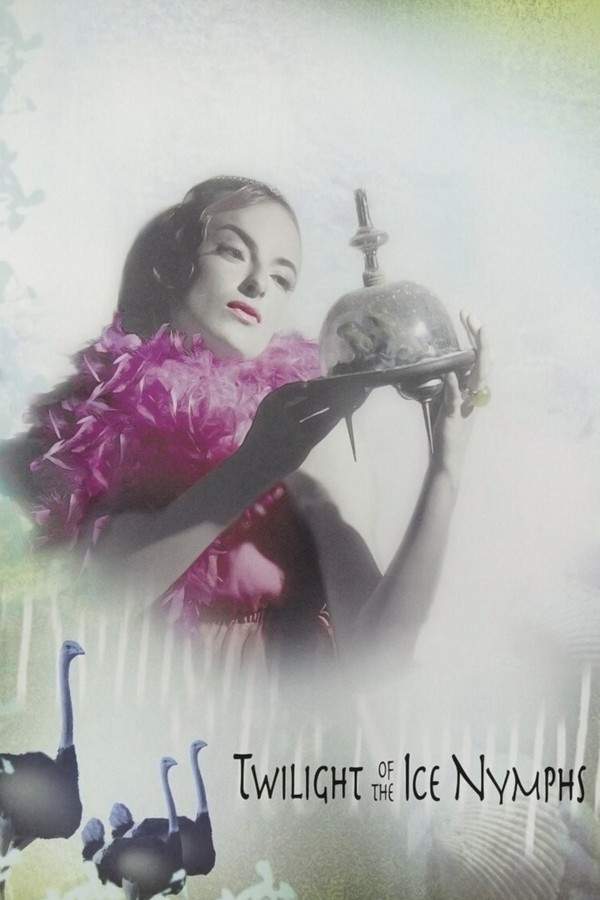
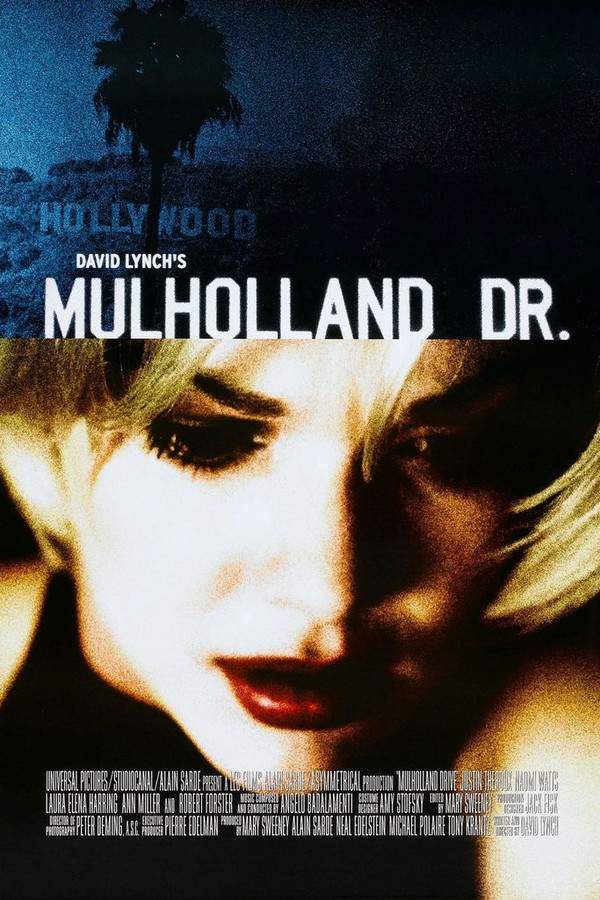
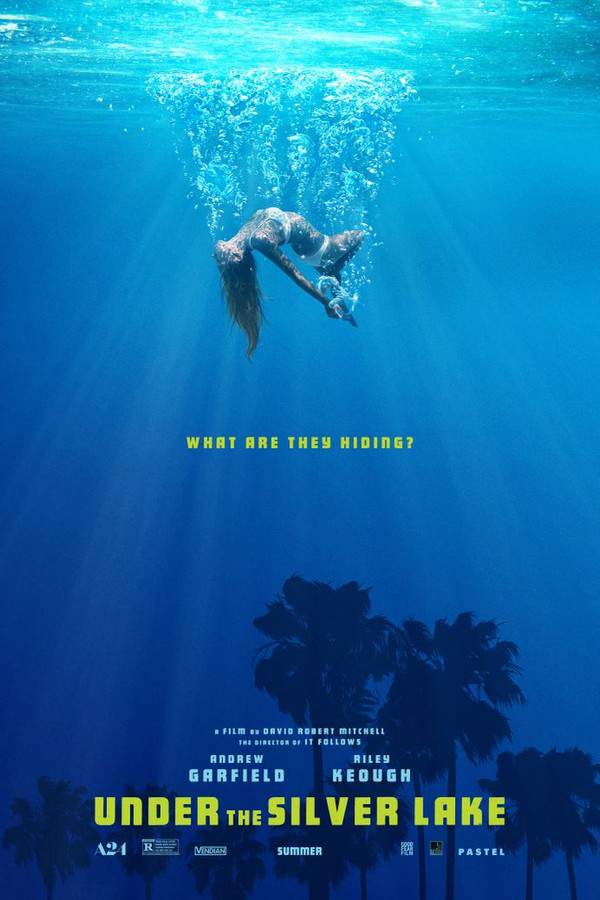
Cynical and dreamlike exposés of the dark side of fame and the entertainment industry.For viewers who appreciated the cynical, surreal critique of Hollywood in The Legend of Lylah Clare, this section features similar movies that explore the dark, dreamlike underbelly of fame. These films often use metafictional elements and a claustrophobic atmosphere to deconstruct the myths of stardom.
The narrative pattern involves an outsider being drawn into the glamorous yet sinister world of entertainment, only to find their identity eroded by the system. The story unfolds with a dreamlike logic, blurring the lines between performance and reality, and culminates in a bleak commentary on the cost of fame.
Movies in this thread are united by their shared setting and thematic focus on the dark side of show business. They employ a similar mix of melodrama, surreal imagery, and a cynical tone to create a specific, claustrophobic vibe that feels both critical and haunting.
Don't stop at just watching - explore The Legend of Lylah Clare in full detail. From the complete plot summary and scene-by-scene timeline to character breakdowns, thematic analysis, and a deep dive into the ending - every page helps you truly understand what The Legend of Lylah Clare is all about. Plus, discover what's next after the movie.
Track the full timeline of The Legend of Lylah Clare with every major event arranged chronologically. Perfect for decoding non-linear storytelling, flashbacks, or parallel narratives with a clear scene-by-scene breakdown.
Discover the characters, locations, and core themes that shape The Legend of Lylah Clare. Get insights into symbolic elements, setting significance, and deeper narrative meaning - ideal for thematic analysis and movie breakdowns.