Plot Explained Spoilers guaranteed!
Plot Explained

Browse by genre

The Keys to the House (2004) movie poster

Spoiler-Free Summary

The Keys to the House (2004) Spoiler-Free Summary – What It's About

Release, runtime and language
2004 · 105 min · Italian
Directed by
Gianni Amelio
Starring
Charlotte Rampling, Andrea Rossi, Kim Rossi Stuart

Following the death of his wife, repairman Gianni finds himself struggling to reconnect with his teenage son Paolo, who has a disability. Their strained reunion begins on a train to Berlin, initiating a journey of self-discovery for both. Gianni is forced to confront his past grief and learn to navigate the challenges of being a delayed father while Paolo seeks a deeper understanding of his own circumstances.

On this page (6)
  1. 1 What it is about
  2. 2 Is it worth watching?
  3. 3 After you watch
  4. 4 Movie threads
  5. 5 Movies like The Keys to the House
  6. 6 Every angle

Spoiler-free summary · safe to read

What Is The Keys to the House About? (No Spoilers)

The plot of The Keys to the House (2004) without spoilers: what it is about, who it follows and where it takes place, told without the twists or the ending. Enough to decide whether it is your next watch, not enough to ruin it.

In the muted chill of a night train bound for Berlin, Gianni – a solitary repairman still haunted by the loss of his wife – finds himself on the cusp of a reunion he has long avoided. His life has been a careful routine of fixing broken things, yet the deepest fracture remains the gulf between him and the son he has kept at arm’s length. The film’s subdued palette and lingering silence echo his internal rust, setting a tone that feels both intimate and unhurried, as if every carriage compartment holds a fraction of his unresolved grief.

Across the aisle sits Paolo, fifteen years old and living with a disability that has kept him sheltered from the world his father knows. Rather than the expected nervousness, he is absorbed in the glow of a handheld game, a quiet rebellion against the gravity of the moment. Their meeting, arranged by caregivers who hope a “shock” might stir something within the boy, becomes the catalyst for an uneasy bridge between two strangers bound by blood. The journey to a Berlin hospital, a place of clinical detachment, underscores the fragile balance between hope and uncertainty that both characters navigate.

At the hospital, Nicole appears – a composed woman whose own experience caring for a daughter lends her a quiet authority. Their connection is marked by an unspoken understanding of parental love stretched thin by circumstance. A book left behind, titled Born Twice, hints at themes of rebirth and second chances, offering a subtle thread that weaves through their encounters without dictating their path. Nicole’s presence introduces a compassionate counterpoint to Gianni’s self‑imposed isolation, suggesting that guidance can emerge from unexpected sources.

The film unfolds as a meditation on the slow, sometimes painful process of reconnecting with one’s own humanity. Its atmosphere is drenched in muted blues and soft shadows, inviting the audience to sit with the characters as they grapple with the weight of the past and the tentative steps toward a shared future. The mood remains contemplative, urging curiosity about how these fragile bonds might evolve without revealing the journeys that lie ahead.

Last updated: August 10, 2025 at 10:36

Was this helpful?

What to expect

Is The Keys to the House Worth Watching? What It Feels Like

Is it dark, sad, slow, intense or confusing? The mood of The Keys to the House (2004) in a few tags, without a word about how it ends. Each tag opens a list of movies that feel the same.

After you watch

Seen The Keys to the House? Now Read the Spoilers

Once you have watched The Keys to the House (2004), come back for the full story: the plot summary with spoilers, the timeline in chronological order, the characters and meaning.

Movie threads

More Movies Like The Keys to the House, by Mood & Story

Curated lists built around what makes The Keys to the House tick: the same mood, the same kind of story or the same emotional payoff. Each list explains why these movies belong together.

Movies about fathers and estranged children like The Keys to the House

Quiet stories of fathers confronting grief and learning to love their estranged children. If you were moved by the father-son dynamic in 'The Keys to the House,' explore other movies like it. This collection features quiet, emotionally heavy dramas where fathers must overcome personal grief and learn to connect with children they've been distant from, often culminating in a hard-won, hopeful resolution.

  • melancholic
  • tender
  • reflective
  • emotional
  • somber
  • quiet
  • Tone: melancholic, tender, reflective
  • Pacing: slow, deliberate, observational
Why these movies?

The story pattern: The narrative typically follows a linear, character-driven path, beginning with emotional distance or awkwardness between a father and child. Through a shared journey or circumstance, the father is forced to confront his own failings and grief, leading to a gradual, sometimes painful, process of acceptance and newfound understanding.

Why they belong together: These films are grouped by their shared focus on the paternal redemption arc, a melancholic yet tender tone, and a slow-burn pacing that emphasizes emotional weight over plot. They resonate with viewers seeking profound, character-centered stories about family, forgiveness, and the difficult work of building bonds.
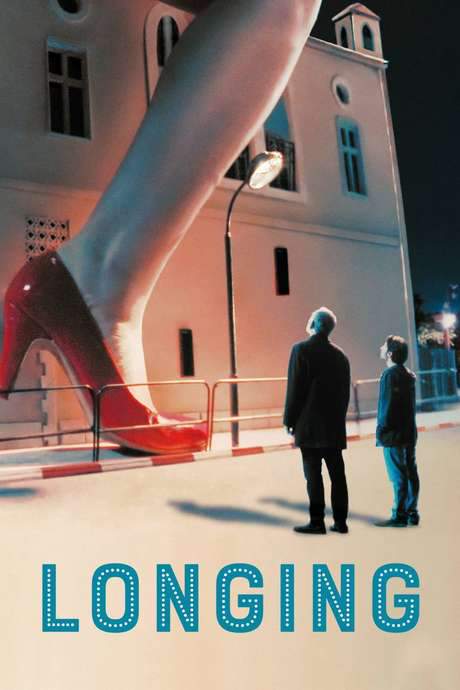
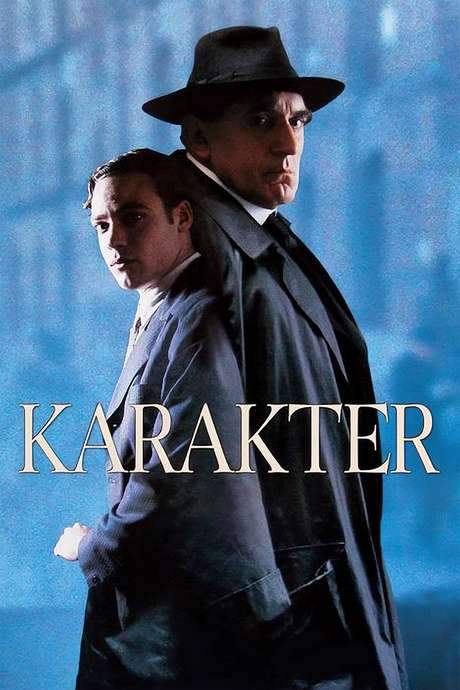
Movies about therapeutic journeys like The Keys to the House

Characters embark on physical journeys that become metaphors for internal healing and acceptance. For viewers who appreciated the journey to Berlin as a catalyst for healing in 'The Keys to the House,' this list highlights similar movies where travel forces characters to confront grief, disability, or loss. These stories use the road itself as a narrative device for slow, meaningful character development and emotional resolution.

  • reflective
  • somber
  • hopeful
  • contemplative
  • journey
  • emotional
  • Tone: reflective, somber, ultimately hopeful
  • Pacing: slow, meandering, contemplative
Why these movies?

The story pattern: Stories often begin with a character in a state of emotional stasis or deep pain. An external necessity or opportunity forces them to travel, and the challenges and encounters along the way compel them to process their trauma, leading to a bittersweet or hopeful conclusion where the burden of the past is lightened.

Why they belong together: They share a common structure where geography dictates emotional progression. The slow pacing allows the viewer to soak in the atmosphere and feel the gradual shift in the characters. The tone is consistently reflective and emotionally weighty, focusing on internal change rather than external action.

If you liked this

Movies Like The Keys to the House

Similar movies to The Keys to the House: the same genre, themes or kind of story. Each one comes with its own plot summary, timeline and ending explained.

Browse all movie summaries

Every angle

The Keys to the House (2004) Explained: Plot, Timeline & Characters

Everything about The Keys to the House in one place: what happens in the plot summary, the timeline in chronological order, the characters and meaning and a spoiler-free summary. What's After the Movie adds the cast, box office and post-credit scenes.

Coming soon on iOS and Android

The Plot Explained Movie Summary App

Plot summaries, endings explained and timelines on your phone. Catch up on any movie in minutes, save your favorites and never miss a twist again.

Be the first to know when we launch. Your email stays private, always.

Learn more about the app