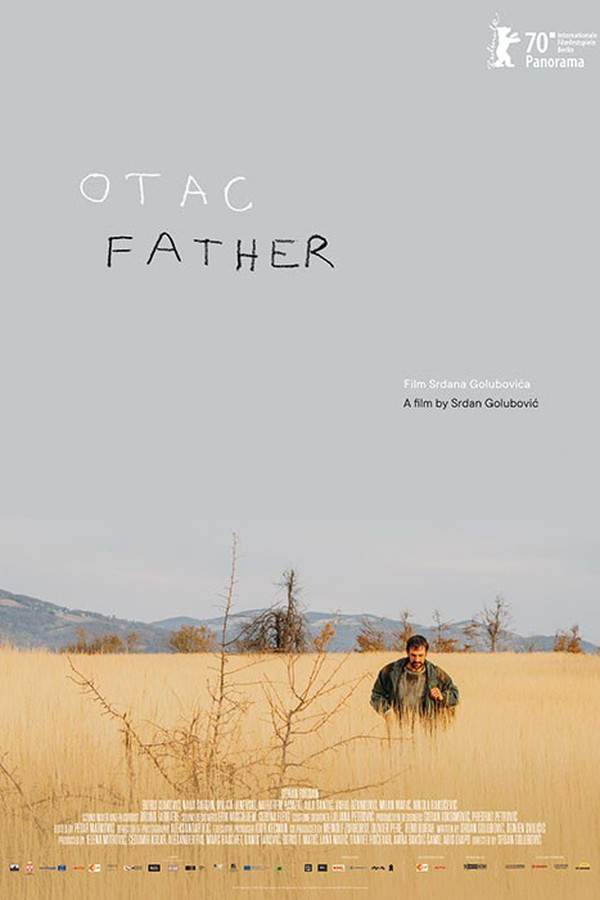
Haunted by the possibility of losing his children to foster care, Nikola, a hardworking laborer, undertakes a difficult journey from the Serbian countryside to Belgrade. Driven by paternal love and a desperate hope to reunite with his family, he faces numerous obstacles, including corrupt authorities and challenging landscapes, as he fights for justice and a chance to reclaim his place as a father.
Warning: spoilers below!
Haven’t seen Father yet? This summary contains major spoilers. Bookmark the page, watch the movie, and come back for the full breakdown. If you're ready, scroll on and relive the story!
Read the complete plot breakdown of Father (2022), including all key story events, major twists, and the ending explained in detail. Discover what really happened, and what it all means.
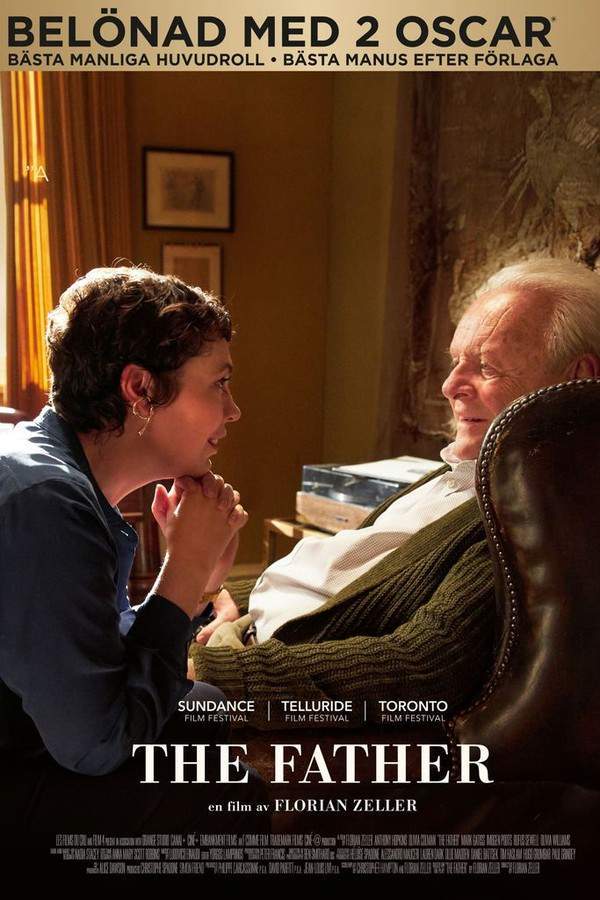
Anne, portrayed by Olivia Colman, pays a visit to her father, Anthony (played by Anthony Hopkins), who has been acting aggressively towards his new caretaker. Struggling with dementia, Anthony frequently forgets significant life events and misplaces his belongings around his home, including his watch, which he insists has been stolen. In a moment of confusion, he confronts Anne about his supposed stolen watch and expresses his determination to never leave his flat.
Complicating matters, Anne reveals her plans to relocate to Paris with her new boyfriend, causing Anthony to question this since he mistakenly believes she is still married to James. Anne gently reminds him they divorced five years earlier, and in a sorrowful farewell, she departs.
The following day, Anthony encounters a stranger, Paul, played by Mark Gatiss, who insists that Anthony lives with him and Anne. When Anne returns from shopping with dinner, she appears to have transformed into a different woman, embodied by Olivia Williams. This perplexes Anthony, prompting deep frustration about his surroundings.
Anne arranges for a new caretaker, Laura (played by Imogen Poots), to interview at his home. Despite insisting he needs no assistance, Anthony awkwardly claims he used to be a professional dancer and that Laura reminds him of his estranged daughter, Lucy, whom he hasn’t spoken to in months for reasons that elude him.
During a visit to a doctor, Anthony confidently declares that he does not have memory problems, insisting he is fine. He takes pride in Lucy—as a painter—but is oblivious when Laura expresses her condolences regarding her tragic accident, which he cannot recall. As the narrative unfolds, it becomes evident that Anthony has been under the impression he lives in his own flat, but in reality, he has been residing with Anne and Paul for years.
The tension escalates when Anne and Paul have a disagreement sparked by the strain of managing Anthony's increasingly belligerent behavior. Paul again confronts Anthony, pushing him to the brink of tears through emotional conflict.
In a sudden shift, Anthony finds himself disoriented in a hospital corridor, plagued by memories of Lucy’s devastating car accident. Disturbingly, he recalls the sight of her bloodied body, only to awaken in a nursing home, where he is cared for by Catherine (Olivia Williams) and Bill (Mark Gatiss). In this new reality, Catherine reveals that Anne has moved to Paris with Paul and now visits only on weekends.
Overwhelmed and unable to grasp his changing world and Anne's absence, Anthony breaks down emotionally, longing for his mother and lamenting that he feels like he is "losing his leaves." In a moment of tenderness, Catherine reassures him, promising an outing to the park later that day.
The film poignantly closes with a serene shot of leaves rustling gently on a tree, encapsulating the tragic beauty of Anthony's journey through dementia.
Last updated: November 04, 2024 at 01:08
Explore frequently asked questions about Father (2022) with spoiler-rich answers covering the full plot summary, major story beats, character motivations, hidden details, and ending meaning. This movie summary FAQ helps explain confusing scenes, plot twists, and narrative decisions in clear, searchable detail.
Anthony accuses Anne of stealing his watch because his dementia causes him to misplace possessions and then forget where he put them. He becomes convinced it has been stolen rather than accepting his own forgetfulness. This moment illustrates how dementia affects his ability to track simple objects, which frustrates him deeply as he struggles to maintain control over his environment.
Earlier, Anthony is shown misplacing belongings around his home, establishing his tendency to lose things before the watch incident.
Anthony believes Anne is still married to James because his dementia has caused him to lose track of time and forget significant life events. In reality, Anne divorced James five years ago. Anthony's memory is stuck in an earlier timeframe, making him unable to process recent changes in his daughter's life.
Anne mentions during her visit that they divorced five years ago, but Anthony cannot retain this information.
Lucy, Anthony's daughter, died in a tragic car accident. However, Anthony cannot remember this devastating event due to his dementia. During the doctor's visit, he proudly speaks about Lucy as a painter, unaware that she has passed away. The staff offer condolences about the accident, which confuses Anthony because he has no memory of losing his daughter.
The film hints at Lucy's death when Laura expresses condolences about a tragic accident that Anthony cannot recall.
Anne doesn't actually transform into a different woman. The film uses this to represent Anthony's deteriorating perception of reality. His dementia causes him to confuse people, places, and identities. The actress Olivia Williams plays both Anne and Catherine (the nursing home caretaker), which visually reinforces how Anthony loses the ability to distinguish between different people in his life.
The opening scenes establish Anthony's confusion about his surroundings and people, preparing for more severe identity mix-ups.
No, Anthony does not actually live in his own flat. He has been living with Anne and Paul in their apartment for years, but his dementia makes him believe he still lives independently in his own flat. This delusion is central to the film's exploration of how Anthony's mind creates a false reality to protect himself from the painful truth of his dependence on others.
Paul's arrival and his statement that they all live together hint that Anthony's living situation is not what he believes.
Anthony wants to stay in his flat because it represents his last vestige of independence and dignity. The flat symbolizes his former self - the capable, professional dancer and father he used to be. Leaving it would mean accepting his decline, which he fights against fiercely. His determination to never leave stems from fear of losing control over his own life.
Anthony's insistence that he needs no assistance and his proud claims about being a professional dancer establish his resistance to accepting help.
When Anthony says he is losing his leaves, he is using a poetic metaphor for his declining memory and sense of self. Like a tree shedding its leaves in autumn, Anthony feels himself losing parts of his identity, his memories, and his connection to the world. The metaphor beautifully captures the gradual, inevitable loss that dementia causes. The film reinforces this imagery with its closing shot of rustling leaves.
The film's title 'The Father' and the repeated imagery of trees and nature foreshadow this leaf metaphor.
Anthony claims he was a professional dancer because his dementia causes him to confuse real memories with imagined ones, or he may be retreating to happier, earlier periods of his life. This claim also serves as a defense mechanism - asserting a proud, capable identity contrasts with his current vulnerable state. He uses this to assert competence and deflect from his need for a caretaker.
The claim emerges during his awkward interaction with Laura, showing his desperate attempt to appear capable.
Paul is Anne's boyfriend who lives with her and cares for Anthony. Mark Gatiss plays Paul, who also appears as Bill in the nursing home - another representation of how Anthony's mind confuses different caretakers. Paul is part of the household trying to manage Anthony's care, though tensions rise between him and Anne due to the stress of caregiving.
Anthony breaks down longing for his mother because as his dementia progresses, he regresses emotionally to earlier stages of life. His mother represents ultimate safety and comfort - a time before loss and confusion. When overwhelmed by the realization that Anne has moved to Paris and he is in a nursing home, Anthony's emotional defenses crumble, and he calls out for the one person who once made everything feel safe.
Anthony's regression to childhood emotional states is established earlier when he expresses fear and confusion about his changing world.
Anne's plan to move to Paris does happen, but by the time it occurs, Anthony is already in the nursing home and cannot fully comprehend it. Catherine tells Anthony that Anne has moved to Paris with Paul and now visits only on weekends. This represents another loss for Anthony - not only has he lost his home, but he has also lost daily contact with his daughter.
Anne's initial announcement about moving to Paris establishes her departure as an inevitable story development.
Still wondering what the ending of Father (2022) really means? Here’s a spoiler-heavy breakdown of the final scene, major twists, and the deeper themes that shape the film’s conclusion.
In the final moments of The Father, Anthony’s reality continues to unravel, and he finds himself in a care facility where he is cared for by new faces, representing the shifting and confusing landscape of his mind. The film closes with a quiet, contemplative shot of the trees outside his window, a simple yet powerful symbol of life's ongoing cycle despite the chaos of his dementia. In this poignant scene, Anthony expresses his deep sense of loss, feeling he is "losing all his leaves"—a metaphor for losing the parts of himself that gave him meaning and identity. As tears fall and he clings to Catherine, it becomes clear that his memories and perception are increasingly murky, blending what is real with what he has created in his mind. His heartfelt cry about feeling disconnected from his life underscores the emotional toll of dementia, a condition where the distinction between truth and illusion becomes blurred. The film leaves viewers with an ambiguous ending, emphasizing that Anthony's ultimate fate—whether death or continued dissolution—is elusive. The ending is less about what physically happens to Anthony and more about capturing the overwhelming sense of loss and uncertainty that accompanies aging and mental decline. The visual of the trees, resilient and persistent, suggests that life continues beyond the suffering, offering a quiet but complex message about growth, memory, and the enduring nature of life’s cycle, even in the face of irreversible decline. Ultimately, the ending invites us to empathize deeply with Anthony’s experience, recognizing that amid confusion and pain, there can still be a fragile but resilient sense of hope and acceptance.
Last updated: June 25, 2025 at 08:44
Discover curated groups of movies connected by mood, themes, and story style. Browse collections built around emotion, atmosphere, and narrative focus to easily find films that match what you feel like watching right now.
Stories of parents enduring immense hardship for the sake of their children.Explore movies like Father that focus on the powerful bond of parenthood. These films depict characters undertaking difficult journeys, facing societal obstacles, and making immense sacrifices, all driven by an unwavering love for their family. If you were moved by the emotional core of Father, you'll find similar heartfelt dramas here.
Narratives in this thread typically follow a protagonist on a linear or metaphorical journey, driven by a singular goal: the welfare of their child. The central conflict arises from external forces—be it bureaucracy, poverty, or injustice—that test their resolve, endurance, and love. The emotional arc is one of perseverance in the face of overwhelming odds.
Movies are grouped here based on their shared focus on the theme of parental sacrifice, a slow and contemplative pacing that allows the emotional weight to build, and a tone that balances melancholy with the steadfastness of love. They deliver a heavy, poignant viewing experience.
Films that structurally mirror a character's deteriorating grasp on the world.Discover films similar to Father that use complex, non-linear storytelling to put you inside a character's mind. These movies explore themes of dementia, memory loss, and fractured identity through a confusing structure that mirrors the protagonist's experience. If you appreciated the disorienting vibe of Father, you'll find more psychologically complex stories here.
The narrative pattern involves a deliberate breakdown of linear storytelling. Time becomes fluid, and perceptible reality is frequently questioned through dream sequences, unreliable narration, or unexplained events. The plot's complexity is a direct tool to convey the protagonist's internal chaos and the tragic erosion of their self.
These films are united by their COMPLEX narrative structure, which is essential to their theme and emotional impact. They share a SLOW pace that allows the disorientation to sink in, a MELANCHOLIC tone surrounding loss, and often a BITTERSWEET ending. The primary connection is the experiential use of film form.
Don't stop at just watching - explore Father in full detail. From the complete plot summary and scene-by-scene timeline to character breakdowns, thematic analysis, and a deep dive into the ending - every page helps you truly understand what Father is all about. Plus, discover what's next after the movie.
Track the full timeline of Father with every major event arranged chronologically. Perfect for decoding non-linear storytelling, flashbacks, or parallel narratives with a clear scene-by-scene breakdown.
Discover the characters, locations, and core themes that shape Father. Get insights into symbolic elements, setting significance, and deeper narrative meaning - ideal for thematic analysis and movie breakdowns.
What really happened at the end of Father? This detailed ending explained page breaks down final scenes, hidden clues, and alternate interpretations with expert analysis and viewer theories.
Discover movies like Father that share similar genres, themes, and storytelling elements. Whether you’re drawn to the atmosphere, character arcs, or plot structure, these curated recommendations will help you explore more films you’ll love.
Father (2022) Scene-by-Scene Movie Timeline
Father (2022) Movie Characters, Themes & Settings
Father (2022) Ending Explained & Theories
Father (2022) Spoiler-Free Summary & Key Flow
Movies Like Father – Similar Titles You’ll Enjoy
The Father (2021) Full Summary & Key Details
Dad (1989) Film Overview & Timeline
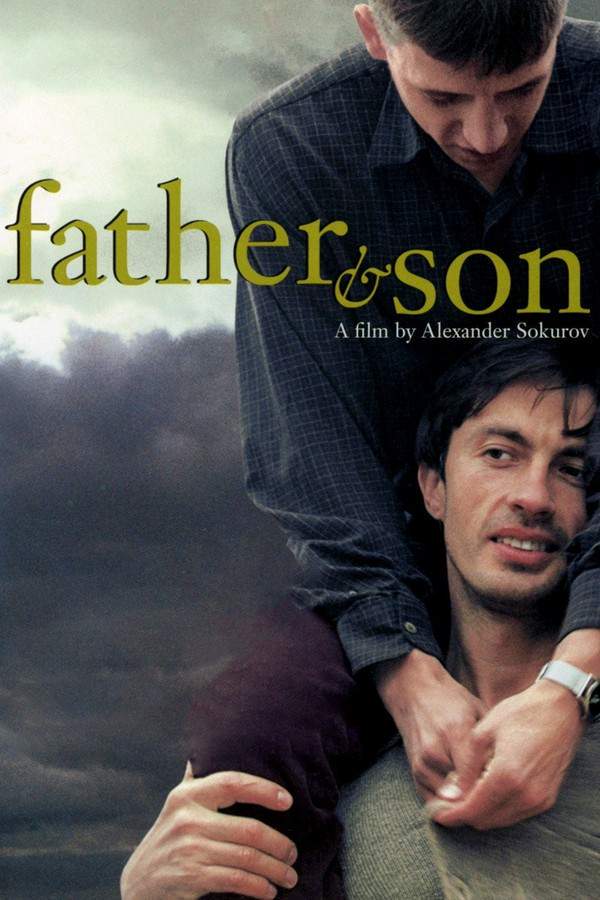
Father and Son (2004) Complete Plot Breakdown
Our Father (2004) Full Summary & Key Details
How I Killed My Father (2002) Detailed Story Recap
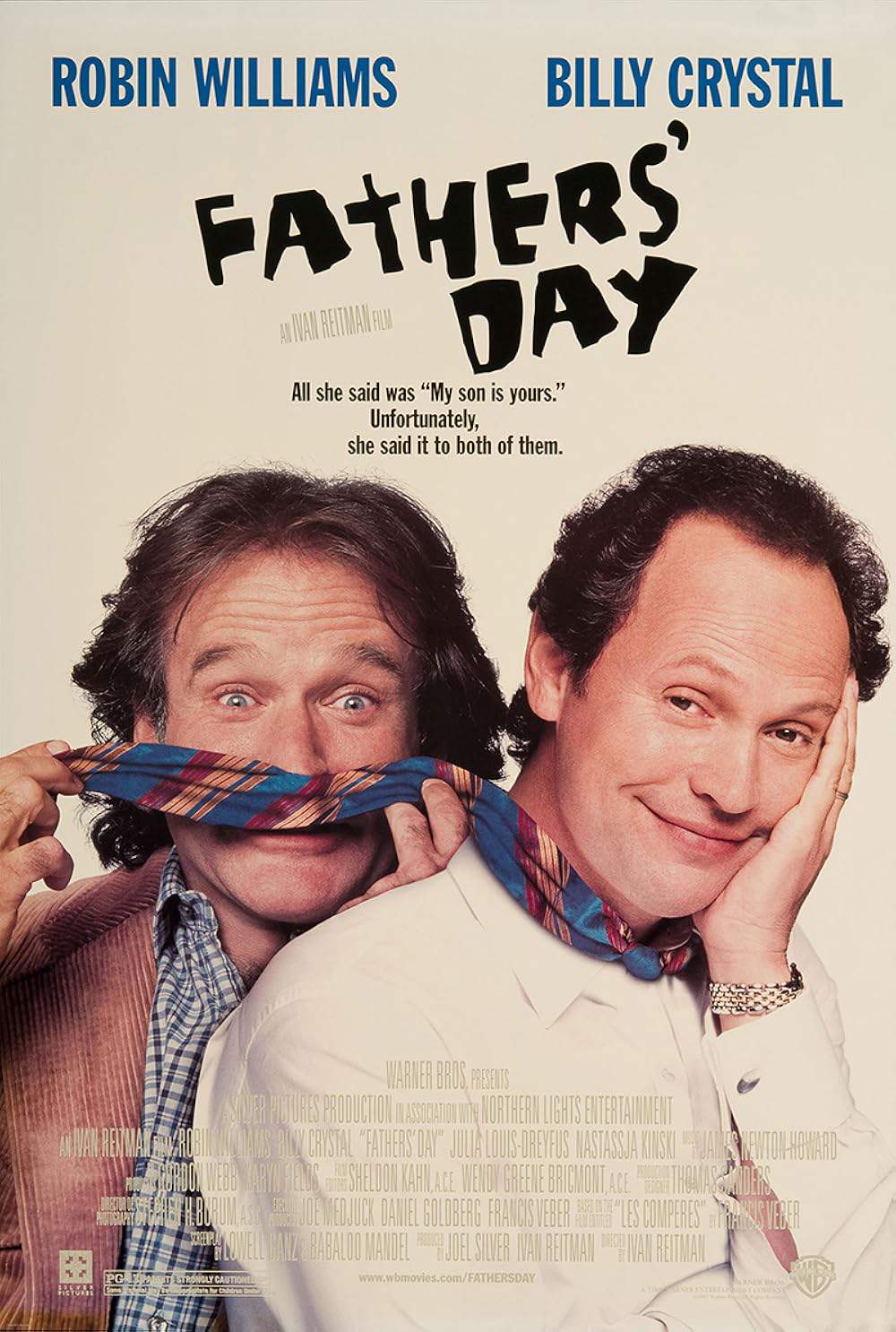
Fathers' Day (1997) Ending Explained & Film Insights
My Father’s Memory (2017) Ending Explained & Film Insights
Father & Sons (2018) Plot Summary & Ending Explained
Father and Godfather (2007) Detailed Story Recap
Father (1988) Plot Summary & Ending Explained
Our Father’s Keeper (2020) Story Summary & Characters
Father & Son (2022) Plot Summary & Ending Explained
Dear Father (2022) Movie Recap & Themes
Our Father… (1993) Film Overview & Timeline
The Father (1996) Ending Explained & Film Insights