Plot Explained Spoilers guaranteed!
Plot Explained

Browse by genre

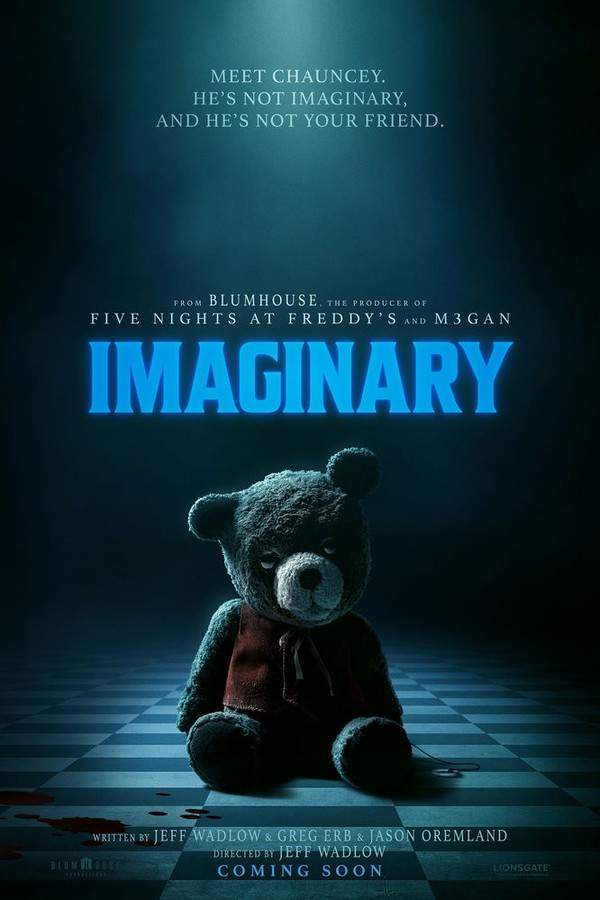
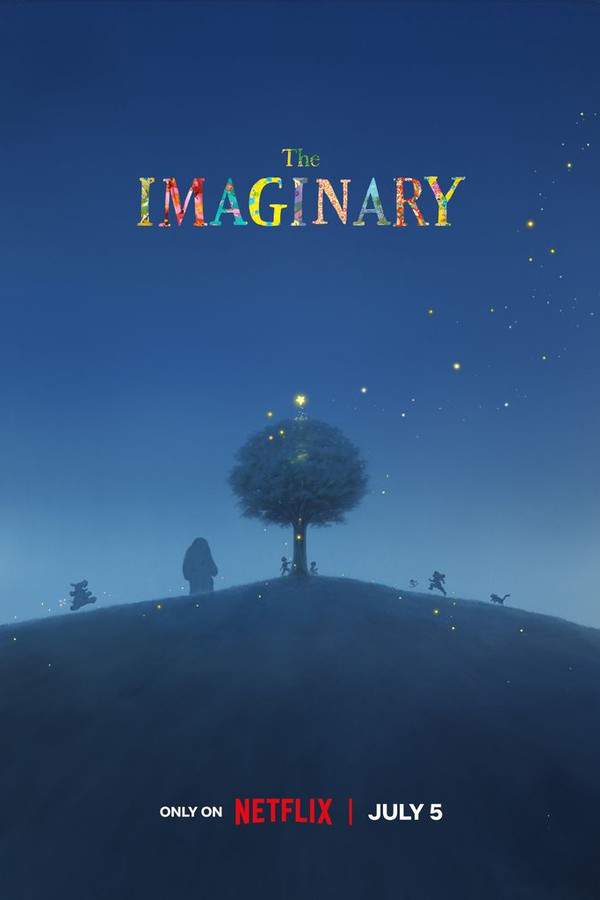
The Imaginary (2024) movie poster

Ending Explained

The Imaginary (2024) Ending Explained – Final Scene & Meaning

Release, runtime and language
2024 · 1 h 45 m · Japanese
Echo score 70
Loading streaming availability…
Directed by
Yoshiyuki Momose
Starring
Hayley Atwell, Kokoro Hirasawa, Takayuki Yamada, Akira Terao, Issei Ogata, Rio Suzuki
Budget
$13M

In the whimsical realm of "The Town of The Imaginaries," a young girl's imagination creates Rudger, a boy who is invisible to others. As he experiences this world where fantasies can be consumed, Rudger forms meaningful connections with new friends during a visually stunning adventure that explores friendship and the power of imagination.

On this page (8)
  1. 1 Where to watch
  2. 2 What happens at the end
  3. 3 Dreams & reality explained
  4. 4 Final events in order
  5. 5 Ending questions answered
  6. 6 Movie threads
  7. 7 Movies like The Imaginary
  8. 8 Every angle
Loading streaming availability…

Ending explained · contains spoilers

What Happens at the End of The Imaginary?

How The Imaginary (2024) ends, what the final scene means, which earlier moments set it up and how to read the ending if the film leaves it open. The full ending explained, with every spoiler.

Throughout the film, Amanda and her imaginary friend Rudger share a deep bond, making a promise to never disappear or cry. As their story unfolds, external threats in the form of Mr. Bunting, a fearful figure hunting Imaginaries, threaten to tear them apart. Despite Amanda’s efforts to hold onto Rudger, she faces challenges when her mother dismisses her stories, and Bunting, with his dark Imaginary, tries to snatch Rudger away. In the climax, Amanda’s determination to rescue Rudger leads her into the hospital, where she finally reunites with him. With the help of her mother and her childhood friend Fridge, Amanda confronts Bunting, who has become rotten over time due to his obsession with feeding on Imaginaries to survive. In a final showdown, Bunting is defeated when Fridge and the Imaginary Bunting’s own Imaginary sacrifice herself to save Amanda and Rudger.

In the end, Rudger and Amanda are reunited, but with an understanding that their bond might fade as Amanda grows older, and she may forget him someday. They vow to cherish their time together as much as possible. Rudger, born from Amanda’s sadness, recognizes that his purpose was to be her comfort during difficult times, and he feels proud of the role they played in each other's lives. This ending emphasizes the importance of imagination, friendship, and the bittersweet nature of growing up. Rudger’s tears as he and Amanda embrace highlight the depth of their connection—an unbreakable friendship that, while perhaps destined to fade, leaves behind a lasting memory of love and companionship. Ultimately, their story suggests that even as imagination may fade, the impact of true friendship endures forever.

Last updated: June 25, 2025 at 09:02

Was this helpful?

2 realities · 4 crossings · contains spoilers

The Imaginary Reality Map: Dreams & Worlds Explained

The film contrasts ordinary physical reality—Jessica's childhood home, Ben's institution, and refuge hotels—with the Never Ever realm, a supernatural dimension between imagination and reality where imaginary friends live. Chauncey draws family members across a glowing doorway, and Jessica's apparent return to physical reality is later revealed to be continued entrapment in the realm.

Top levelRealLevel 11Level 1Real worldPhysical RealityThe ordinary world of Jessica's blended family, encompassing herchildhood home, the institution where Ben resides, and the hotels whe…JessicaJAliceAChaunceyCFantasy worldNever Ever RealmA supernatural dimension between imagination and reality whereimaginary friends live, holding repressed memories and trapping those…JessicaJAliceAChaunceyC
Who
Read the realities and crossings as text
  • Real world

    Physical Reality

    The ordinary world of Jessica's blended family, encompassing her childhood home, the institution where Ben resides, and the hotels where the family takes refuge.

  • Fantasy world

    Never Ever Realm

    A supernatural dimension between imagination and reality where imaginary friends live, holding repressed memories and trapping those who enter, reached through a glowing doorway.

How the realities connect

  • Way in: Physical Reality → Never Ever Realm, Chauncey lures child Jessica in

    As a child, Jessica is lured by Chauncey into the Never Ever realm, where she is trapped—an experience she represses entirely.

    When: During Jessica's childhood

  • Way in: Physical Reality → Never Ever Realm, Scavenger hunt opens the glowing doorway

    A scavenger hunt keyed to the phrase 'Never Ever' from Jessica's childhood drawings unveils a glowing doorway through which Jessica, Taylor, and Gloria enter the realm to find Alice.

  • Affects: Never Ever Realm → Physical Reality, Apparent reunion is not a real return

    While the family appears to regroup with Ben and Max at the institution, Jessica discovers she is still ensnared in the Never Ever realm, so her apparent presence in physical reality is not a genuine return.

  • Way out: Never Ever Realm → Physical Reality, Family escapes the realm's influence

    After Taylor rescues Jessica and Alice ignites Chauncey—revealed as a monstrous version of Simon—sealing him behind a door, the family escapes the burning house and takes refuge at a hotel.

The last 4 events

How The Imaginary Ends: The Final Events in Order

The last events of The Imaginary (2024) in chronological order, the run-up to the ending explained above. The complete timeline has all 15 events, scene by scene.

Open the full timeline
  1. Final Showdown with Chauncey

    In a climactic moment of bravery, Jessica confronts Chauncey, managing to stab him in the eye. However, the fight is not over, as Chauncey seeks vengeance by using Alice as bait in a desperate struggle.

  2. Emerging from the Flames

    After a harrowing battle, Alice bravely ignites Chauncey in flames, sealing him behind a door. The family narrowly escapes the burning house and finds temporary sanctuary in a hotel, believing they have finally triumphed.

    Where
    Burning house
  3. The Eerie Coincidence

    Their sense of safety is quickly shattered when they encounter a child playing with a teddy bear curiously resembling Chauncey. This unsettling discovery compels the family to flee to another hotel, haunted by the past.

    Where
    Hotel
  4. Unfinished Business

    Despite escaping, the family remains tense and concerned that their past is far from over. They seek further refuge, fully aware that the presence of Chauncey, or something similar, looms over them, threatening their new beginning.

Ending questions answered

The Imaginary Ending: Your Questions Answered

The questions people ask most about the ending of The Imaginary (2024): what the final scene means, how the twist works, what happens to each character and how to read the ending. Each answer contains spoilers.

Q1

Why does Rudger cry at the end of the movie?

Rudger cries because he is overwhelmed with emotion during his final reunion with Amanda. Though he was born from Amanda's sadness and was meant to be her comfort, he realizes their bond might fade as she grows older. His tears represent the depth of their unbreakable friendship and the bittersweet knowledge that their time together is limited. The tears also signify his acceptance of his purpose, he was created to help her through difficult times, and he takes pride in that role.

Foreshadowing: Earlier in the film, Amanda and Rudger made a promise to never disappear or cry, making his tears in the final scene a powerful reversal of that vow.

  • Rudger cry
  • Rudger tears
  • emotional ending
  • Rudger Amanda bond
Q2

What happens to Rudger at the end of The Imaginary?

Rudger is reunited with Amanda after the confrontation with Mr. Bunting. However, unlike a typical happy ending, they both understand that their bond may fade as Amanda grows older and eventually forgets him. They vow to cherish their time together, accepting that this may be their last moment of pure connection. Rudger, having been born from Amanda's sadness, recognizes his purpose was to comfort her during difficult times.

Foreshadowing: The film establishes early on that Imaginaries can disappear when children stop believing in them or thinking about them.

  • Rudger fate
  • Rudger dies
  • Rudger ending
  • what happens to Rudger
Q3

Does Amanda forget Rudger in The Imaginary?

The ending suggests that Amanda may eventually forget Rudger as she grows older, which is the natural fate of imaginary friends. However, the film emphasizes that while imagination may fade, the impact of true friendship endures forever. Their final moments together are about cherishing the connection they have now rather than worrying about what happens later.

Foreshadowing: The film establishes that Imaginaries exist only as long as children believe in them, setting up the possibility that Amanda will eventually outgrow her imaginary friend.

  • Amanda forgets Rudger
  • imaginary friend fades
  • growing up ending
Q4

What happens to Mr. Bunting at the end of The Imaginary?

Mr. Bunting is defeated in the final showdown. He has become rotten and decayed over time because of his obsession with feeding on Imaginaries to survive. Bunting is finally destroyed when Fridge and Bunting's own Imaginary sacrifice herself to save Amanda and Rudger. This act of self-sacrifice contrasts Bunting's predatory nature with the pure friendship that exists between the main characters.

Foreshadowing: The film shows Bunting as a decaying, frightening figure from the beginning, hinting at his corrupted nature and eventual downfall.

  • Mr Bunting dies
  • Bunting defeated
  • Bunting ending
  • villain death
Q5

Why is the ending of The Imaginary considered bittersweet?

The ending is bittersweet because while Rudger and Amanda are reunited and their friendship is confirmed as unbreakable, they both recognize that their time together is limited. As Amanda grows older, she will naturally stop imagining Rudger, and he will fade away. The film acknowledges this painful reality while simultaneously celebrating the enduring impact of their friendship, the memory of love and companionship will last forever even as the imagination itself fades.

Foreshadowing: The early promise between Amanda and Rudger to never disappear or cry foreshadows the emotional weight of their eventual separation.

  • bittersweet ending
  • emotional ending
  • growing up theme
  • friendship ends
Q6

What is Rudger's purpose in The Imaginary?

Rudger was born from Amanda's sadness, making him her imaginary friend created specifically to comfort her during difficult times. In the ending, Rudger realizes and accepts that his purpose was to be her source of solace and support. He feels proud of the role he played in her life, helping her through her darkest moments. This gives meaning to his existence beyond just being a childhood fantasy.

Foreshadowing: The film establishes that Imaginaries are created from children's emotions, with Rudger specifically emerging from Amanda's sadness.

  • Rudger purpose
  • born from sadness
  • imaginary friend meaning
  • character motivation
Q7

What happens to Fridge at the end of The Imaginary?

Fridge, Amanda's childhood friend, plays a crucial role in the final confrontation with Mr. Bunting. Along with Amanda's mother, Fridge helps rescue Rudger from the hospital where Bunting had taken him. Most importantly, Fridge witnesses Bunting's own Imaginary sacrifice herself to save Amanda and Rudger, which leads to Bunting's defeat. Fridge survives and is part of the group that reunites with Rudger at the end.

Foreshadowing: Fridge appears as Amanda's real-world friend who initially doesn't believe in Imaginaries but becomes a crucial ally.

  • Fridge character
  • Fridge survives
  • friend helps rescue
Q8

How does Amanda's mother help in the ending?

Amanda's mother, who previously dismissed Amanda's stories about Imaginaries, ultimately helps rescue Rudger from Mr. Bunting. She joins Amanda and Fridge in the hospital confrontation with Bunting, showing her转变 from skeptic to supporter. This reconciliation between mother and daughter is part of the emotional resolution, demonstrating that the power of imagination and friendship can bridge generational gaps.

Foreshadowing: Earlier in the film, Amanda's mother dismisses her stories, creating tension that makes her eventual involvement meaningful.

  • Amanda mother helps
  • family reconciliation
  • mother accepts imagination
Q9

Who sacrifices themselves to defeat Bunting?

Bunting's own Imaginary sacrifices herself to defeat him. She turns against her creator and helps save Amanda and Rudger during the final showdown. This sacrifice is what ultimately destroys Bunting, who has become rotten from feeding on other Imaginaries. The act represents a powerful theme: even the villain's own creation chose goodness and love over corruption.

Foreshadowing: Bunting's Imaginary is shown as a dark, shadowy figure that serves him, making her eventual betrayal unexpected but thematically resonant.

  • Bunting Imaginary sacrifice
  • villain defeated
  • self-sacrifice ending
Q10

What is the message about imagination in The Imaginary ending?

The ending delivers a poignant message: while imagination may fade as we grow older and stop believing in childhood fantasies, the impact of true friendship endures forever. The film suggests that the love, comfort, and growth we experience through meaningful connections, whether real or imaginary, leave lasting imprints on our hearts. Rudger and Amanda's story exemplifies that even things that seem temporary can have eternal significance.

Foreshadowing: The entire film builds this theme through the fleeting nature of Imaginaries and the children who create them.

  • imagination theme
  • friendship lasts
  • growing up message
  • childhood ends

Movie threads

More Movies Like The Imaginary, by Mood & Story

Curated lists built around what makes The Imaginary tick: the same mood, the same kind of story or the same emotional payoff. Each list explains why these movies belong together.

Movies where childhood fantasy turns dark like The Imaginary

Whimsical worlds that reveal a dark and traumatic psychological core. Discover movies like The Imaginary that start with a seemingly innocent or whimsical premise, only to descend into psychological horror and explore themes of childhood trauma, repressed memories, and the dark side of imagination.

  • dark fantasy
  • unsettling
  • anxious
  • childhood trauma
  • psychological horror
  • melancholic
  • Tone: dark, unsettling, melancholic
  • Pacing: steady, deliberate build
Why these movies?

The story pattern: Stories in this thread often begin with a child's perspective, using fantasy elements as a coping mechanism or as a literal manifestation of unresolved trauma. The narrative involves a journey where characters are forced to confront the frightening reality behind their imaginative escape, leading to a tense and emotionally heavy climax.

Why they belong together: These films are grouped by their shared tonal shift from light to dark and their thematic focus on using fantastical elements to process real-world psychological pain, resulting in a uniquely unsettling and thought-provoking viewing experience.

Supernatural quest movies with deep emotional stakes like The Imaginary

Characters race against time to solve a supernatural mystery tied to deep emotional wounds. If you liked the tense, high-stakes adventure in The Imaginary, explore these films where characters undertake a supernatural scavenger hunt or chase that forces them to reconcile with painful family history and personal trauma.

  • tense
  • anxious
  • claustrophobic
  • familial
  • melancholic
  • supernatural chase
  • Tone: tense, dark, dramatic
  • Pacing: steady, forward momentum
Why these movies?

The story pattern: The narrative pattern involves a clear objective—often finding an object, person, or defeating an entity—that serves as a metaphor for resolving internal conflict. The pacing is steady and driven by the quest, but emotional depth comes from the characters' need to mend broken bonds and overcome inherited fears under extreme pressure.

Why they belong together: These movies share a specific plot structure combining a tangible supernatural threat with a deeply personal emotional journey, creating a cohesive blend of tense adventure and heavy, character-driven drama.

If you liked this

Movies Like The Imaginary

Similar movies to The Imaginary: the same genre, themes or kind of story. Each one comes with its own plot summary, timeline and ending explained.

Browse all movie summaries

Every angle

The Imaginary (2024) Explained: Plot, Ending, Timeline & Characters

Everything about The Imaginary in one place: what happens in the plot summary, the timeline in chronological order, the characters and meaning, the ending explained and a spoiler-free summary. What's After the Movie adds the cast, box office and post-credit scenes.

Coming soon on iOS and Android

The Plot Explained Movie Summary App

Plot summaries, endings explained and timelines on your phone. Catch up on any movie in minutes, save your favorites and never miss a twist again.

Be the first to know when we launch. Your email stays private, always.

Learn more about the app