Plot Explained Spoilers guaranteed!
Plot Explained

Browse by genre

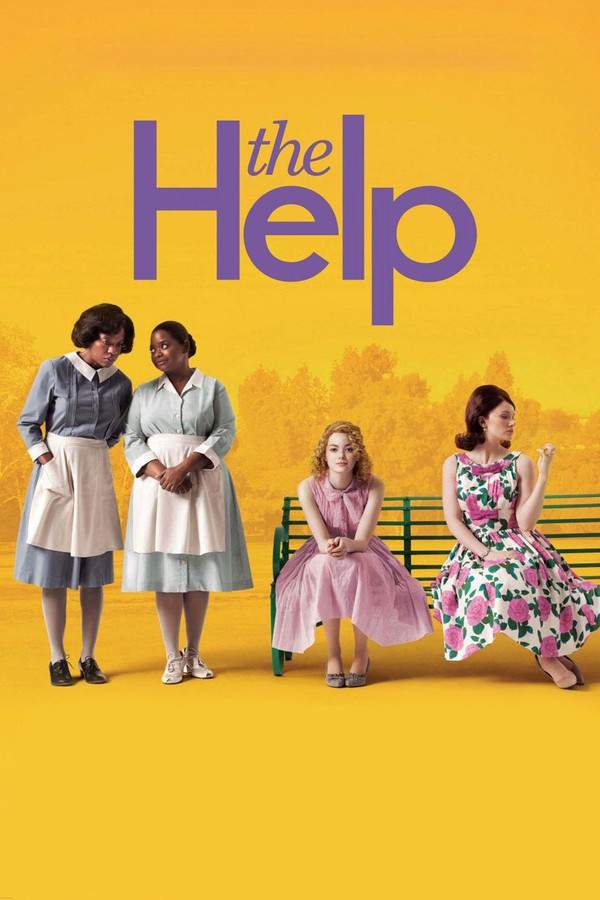
The Help (2011) movie poster

Plot Summary

The Help (2011) Plot Summary Explained

Release, runtime and language
2011 · 137 min · English
Loading streaming availability…
Directed by
Tate Taylor
Starring
Octavia Spencer, Emma Stone, Viola Davis
Budget
$25M

In 1960s Mississippi, a young aspiring writer named Skeeter begins to question the societal norms of the South. She decides to write a book chronicling the experiences of black women employed as domestic servants for white families. As Skeeter interviews these women and their stories emerge, unexpected friendships develop, revealing the struggles and resilience of a marginalized community. The project sparks controversy, challenges the existing power structure, and ultimately contributes to a changing era of empowerment and racial understanding.

On this page (7)
  1. 1 Where to watch
  2. 2 What happens: full plot
  3. 3 Plot questions answered
  4. 4 The book behind the movie
  5. 5 Movie threads
  6. 6 Movies like The Help
  7. 7 Every angle
Loading streaming availability…

Full plot summary · contains spoilers

What Happens in The Help: Full Plot Summary

The whole story of The Help (2011) explained, from the opening scene to the final frame: every key event, every twist and what it all adds up to. Read it as a quick recap before the sequel, to check a scene you missed, or to finally understand what really happened.

Aibileen Clark, portrayed by Viola Davis, is a resilient middle-aged African American maid who has dedicated her life to raising white children, a profession that has become her sanctuary. Recently, however, she has faced the heart-wrenching loss of her only son, a tragedy that adds a layer of depth to her nurturing spirit. Her closest ally in this world is Minny Jackson, played by the talented Octavia Spencer, another African American maid known for her spunk and impressive culinary skills. Though Minny has earned a reputation for being a challenging employee due to her candid nature, her remarkable cooking compensates for her fiery temperament, and the duo's friendship is a bright spot amidst societal challenges.

Enter Eugenia "Skeeter" Phelan, a young white woman brought to life by Emma Stone, who, after completing her studies at the University of Mississippi, returns to her family's plantation. Skeeter's homecoming is bittersweet as she discovers that her beloved childhood maid, Constantine, portrayed by Cicely Tyson, has mysteriously left without a word. Troubled by this absence, Skeeter suspects that there is more to the story, especially given Constantine's significance in her life and upbringing.

Unlike her peers, who have all set their sights on matrimony and child-rearing, Skeeter is single-mindedly focused on her burgeoning career as a writer. Her first venture into the professional world is as a "homemaker hints" columnist for the local paper. In an effort to fill the void left by Constantine, Skeeter reaches out to Aibileen to help her navigate the inquiries from readers seeking domestic advice. As Skeeter delves deeper into her role, she becomes increasingly aware of the disdainful attitudes her friends hold towards their help, particularly the unyielding and bigoted Hilly Holbrook, played by Bryce Dallas Howard. Hilly advocates the "Home Help Sanitation Initiative," an outrageous proposal aimed at mandating separate restrooms for African American help, under the false notion that they carry diseases.

In a time when racial discrimination runs rampant, Skeeter stands apart as a voice of reason, determined to document the untold stories of the maids who have shaped the lives of those they serve. Initially resistant to share their experiences with Skeeter due to fears of losing their employment or facing dire consequences, the maids gradually warm up to the idea as they recognize the power of storytelling. Aibileen, the first to gather her courage, begins to open up after witnessing Hilly's discriminatory plans, realizing the implications of raising the next generation of children who mirror their parents' prejudice.

Adding to the narrative complexity, Minny finds herself without a job after a personal dispute with Hilly results in her dismissal for an absurd reason tied to a storm and a bathroom emergency. With her livelihood at stake and her daughter's education hanging in the balance, Minny reluctantly agrees to contribute her own tales. In a fortunate turn of events, Aibileen helps Minny secure employment with Celia Foote, a kind-hearted woman shunned by high society, who, unlike Hilly, treats Minny with the dignity she deserves.

As Skeeter crafts the book, weaving together the poignant narratives of Minny and Aibileen, she strives to capture voices that have long been submerged beneath the weight of societal expectations. The book garners initial interest from Miss Stein, an editor based in New York City, but the path to publication becomes increasingly fraught with the realities of the Civil Rights movement. When the assassination of Medgar Evers sends shockwaves through Mississippi, and Hilly's current maid is horrifically apprehended for attempting to secure funds for her children's education, the maids find the courage to speak up, recognizing that their stories could wield significant power.

One particularly unforgettable moment unfolds when Minny shares the story of the "Terrible Awful," a legendary act of revenge involving a pie, meant to safeguard their identities while seeking justice against Hilly. Armed with a culmination of tales that reflect their experiences and struggles, the book nears completion, with Skeeter confronting her own past and the truth about Constantine finally coming to light.

As momentum builds, the project receives approval for publication, marking a significant victory not just for Skeeter but for the voices of the women who found strength in unity. Revealing her newfound success brings joy, yet it also alienates Skeeter from those who fail to grasp the significance of her work, including her boyfriend, who chooses to leave her upon learning of her progressive views on race.

In a harrowing twist, Hilly orchestrates a devious plan to undermine Aibileen's position, submitting false theft accusations to Elizabeth, her employer. In this turbulent climax, Aibileen stands tall against the wave of adversity, denouncing Hilly's maliciousness and encouraging Elizabeth and her daughter, Mae Mobley, to understand the true value of love and respect for those who have dedicated their lives to care for them. As Aibileen embarks on a new chapter, Mae Mobley’s desperate pleas resonate, symbolizing the profound bond that transcends the barriers imposed by society.
Last updated: December 31, 2024 at 18:09

Was this helpful?

Plot questions answered

The Help Plot Explained: Your Questions Answered

The questions people ask most about The Help (2011): what happens in the confusing scenes, why the characters do what they do, the twists, hidden details and what the ending means. Each answer contains spoilers.

Q1

Why did Skeeter's childhood maid Constantine leave?

Constantine was fired by Skeeter's mother during a reception after Skeeter left for college. She later moved to Chicago, where she died. Skeeter never got to say goodbye or understand why she was forced out, which haunts her throughout the film.

Foreshadowing: Constantine's mysterious departure is introduced early when Skeeter returns home to find her gone.

  • constantine
  • fired
  • skeeter
  • mother
  • chicago
  • departure
Q2

What was the 'Terrible Awful' that Minny did?

The Terrible Awful was Minny's act of revenge against Hilly after she was unfairly fired. Minny baked a pie containing feces and served it to Hilly as a prank. This story became one of the most powerful tales in Skeeter's book, showcasing the maids' quiet defiance.

  • minny
  • terrible awful
  • pie
  • revenge
  • hilly
  • feces
Q3

Why was Minny fired from Hilly's house?

Minny was fired after a storm caused a bathroom emergency. When Minny needed to use the toilet during the storm, Hilly refused and berated her. When Minny finally used the bathroom inside, Hilly used this as justification to fire her, claiming she had used the wrong bathroom.

  • minny
  • fired
  • hilly
  • storm
  • bathroom
  • job
Q4

Why did Skeeter's mother fire Constantine?

Skeeter's mother fired Constantine during a reception when Constantine's daughter came to visit her at work. Skeeter's mother considered this a violation of workplace rules and dismissed Constantine on the spot, without regard for Constantine's years of service or her relationship with Skeeter.

  • constantine
  • fired
  • skeeter's mother
  • reception
  • daughter
Q5

Why did Aibileen decide to share her story with Skeeter?

Aibileen decided to share her stories after hearing Hilly propose the Home Help Sanitation Initiative, which required separate bathrooms for Black maids. Aibileen realized that the children she raised were learning racism from their parents, and she wanted to change that by telling her truth.

Foreshadowing: Aibileen's willingness to participate follows directly from her overhearing Hilly's discriminatory initiative.

  • aibileen
  • skeeter
  • share story
  • racism
  • children
  • initiative
Q6

Why did Skeeter's boyfriend leave her?

Skeeter's boyfriend left her after learning about her book project documenting the experiences of Black maids. He could not accept her progressive views on race and her collaboration with the maids, which made her a target of controversy in their social circle.

  • skeeter
  • boyfriend
  • left
  • book
  • race
  • views
Q7

What happened to Aibileen at the end of The Help?

After Hilly falsely accused Aibileen of theft, Aibileen was forced to leave her job with Elizabeth. She walked away to start a new chapter in her life. Before leaving, she encouraged Elizabeth and Mae Mobley to treat their next maid with love and respect, symbolizing both loss and hope for change.

  • aibileen
  • departure
  • fired
  • theft
  • mae mobley
  • new chapter
Q8

Why did Hilly accuse Aibileen of theft?

Hilly orchestrated a plan to have Aibileen dismissed by submitting false theft accusations to Elizabeth, Aibileen's employer. This was a malicious attempt to undermine Aibileen and retaliate against her for participating in Skeeter's book that exposed the mistreatment of maids.

  • hilly
  • aibileen
  • theft
  • false accusations
  • plot
  • firing
Q9

How did Medgar Evers' assassination affect the maids' decisions?

The assassination of Medgar Evers sent shockwaves through Jackson, Mississippi, and significantly heightened racial tensions. This event convinced more maids to come forward and share their stories, as they realized their voices could wield significant power during such a critical time in the Civil Rights movement.

Foreshadowing: The timeline shows the assassination directly precedes the maids' decision to share more stories.

  • medgar evers
  • assassination
  • maids
  • courage
  • civil rights
  • jackson
Q10

What was the Home Help Sanitation Initiative?

The Home Help Sanitation Initiative was a discriminatory proposal championed by Hilly Holbrook. It mandated that African American maids use separate bathrooms from white families, based on the false belief that Black people carried diseases. This proposal directly motivated Aibileen to participate in Skeeter's book.

  • home help sanitation initiative
  • hilly
  • separate bathrooms
  • racism
  • discrimination
Q11

Why were the maids afraid to share their stories with Skeeter?

The maids were initially resistant to sharing their experiences because they feared losing their jobs, being blacklisted from employment, or facing severe consequences from their employers. In the climate of 1960s Mississippi, speaking out against white families could result in violence or severe retaliation.

  • maids
  • fear
  • share stories
  • retaliation
  • jobs
  • consequences
Q12

How did The Help book become successful?

Skeeter compiled the stories of Aibileen, Minny, and other maids into a book that initially interested an editor at Harper & Row in New York City. After more maids came forward following Medgar Evers' assassination, the book was accepted for publication and became a success. Skeeter shared her royalties with each maid who contributed.

  • book
  • published
  • success
  • royalties
  • harper & row
  • skeeter

Movie threads

More Movies Like The Help, by Mood & Story

Curated lists built around what makes The Help tick: the same mood, the same kind of story or the same emotional payoff. Each list explains why these movies belong together.

Social conscience dramas like The Help

Personal stories that challenge systemic injustice and spark social change. If you liked The Help, explore more movies about moral courage and social change. These films focus on characters who challenge systemic injustice, blending heavy emotional themes with hopeful narratives of empowerment and resilience.

  • infuriating
  • hopeful
  • courageous
  • somber
  • resilient
  • thought-provoking
  • Tone: hopeful, somber, infuriating
  • Pacing: steady, character-driven
Why these movies?

The story pattern: Stories in this thread typically follow a protagonist or group who becomes aware of a deep-seated societal problem. Their journey involves gathering courage, often forming unlikely alliances, to challenge the status quo. The conflict is external (against a system) but has intense personal stakes, leading to hard-won, often bittersweet victories that signify progress rather than a complete resolution.

Why they belong together: These movies are grouped by their shared focus on a weighty social issue as the central conflict, a tone that balances grim reality with hopeful defiance, and a narrative driven by moral awakening and the courage to speak truth to power.

Movies about resilient friendships like The Help

Stories of powerful friendships forged in adversity, leaving a bittersweet but hopeful legacy. Find movies similar to The Help that focus on powerful female bonds and friendships forged in adversity. These stories highlight resilient voices and bittersweet victories, offering a mix of heartfelt emotion and courageous character arcs.

  • heartfelt
  • resilient
  • bittersweet
  • courageous
  • hopeful
  • oppressive
  • Tone: heartfelt, hopeful, bittersweet
  • Pacing: steady
Why these movies?

The story pattern: The narrative pattern involves individuals from marginalized or contrasting backgrounds finding common ground and strength in each other. Their alliance becomes a catalyst for personal growth and external change. The journey is emotionally taxing, strengthening their bond but often costing them their previous place in the world, resulting in an ending that is empowering yet poignant.

Why they belong together: This grouping is defined by a central theme of powerful, cross-cultural or cross-social friendships, a focus on giving voice to the marginalized, a bittersweet emotional core, and a tone that is ultimately hopeful despite the heavy subject matter.

If you liked this

Movies Like The Help

Similar movies to The Help: the same genre, themes or kind of story. Each one comes with its own plot summary, timeline and ending explained.

Browse all movie summaries

Every angle

The Help (2011) Explained: Plot, Timeline & Characters

Everything about The Help in one place: what happens in the plot summary, the timeline in chronological order, the characters and meaning and a spoiler-free summary. What's After the Movie adds the cast, box office and post-credit scenes.

Coming soon on iOS and Android

The Plot Explained Movie Summary App

Plot summaries, endings explained and timelines on your phone. Catch up on any movie in minutes, save your favorites and never miss a twist again.

Be the first to know when we launch. Your email stays private, always.

Learn more about the app