Plot Explained Spoilers guaranteed!
Plot Explained

Browse by genre

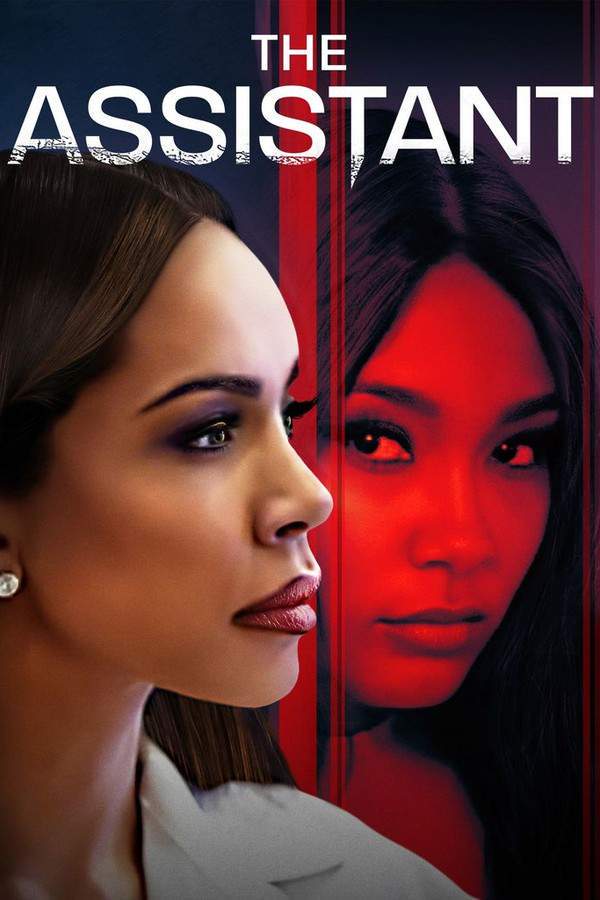
The Assistant (2020) movie poster

Plot Summary

The Assistant (2020) Plot Summary Explained

Release, runtime and language
2020 · 87 min · English
Echo score 80
JustWatch #6,975 25
Directed by
Kitty Green
Starring
Matthew Macfadyen, Noah Robbins, Dagmara Dominczyk, Alexander Chaplin, Bregje Heinen, Clara Wong

Jane, an ambitious young woman, begins her career as a junior assistant to a prominent entertainment executive. What starts as a routine day filled with administrative tasks gradually unveils a disturbing environment of abuse and exploitation within the company. As Jane witnesses the unsettling nature of her workplace, she is forced to confront a difficult choice: remain silent and conform, or challenge the system that holds her captive. Her decisions lead to a challenging and revealing experience, exposing the dark side of the entertainment industry.

On this page (6)
  1. 1 Where to watch
  2. 2 What happens: full plot
  3. 3 Plot questions answered
  4. 4 Movie threads
  5. 5 Movies like The Assistant
  6. 6 Every angle

Where to watch

Where to Watch The Assistant (2020)

Where can you watch The Assistant? Stream, rent or buy it in the US, including on Hulu, Netflix and Netflix Standard: current JustWatch availability with up-to-date prices.

Streaming availability powered by JustWatch

Full plot summary · contains spoilers

What Happens in The Assistant: Full Plot Summary

The whole story of The Assistant (2020) explained, from the opening scene to the final frame: every key event, every twist and what it all adds up to. Read it as a quick recap before the sequel, to check a scene you missed, or to finally understand what really happened.

The film unfolds over a single, intense day in the life of Jane, portrayed by Julia Garner, a junior assistant who has just begun her challenging role at a New York City film production company. After arriving before dawn, Jane dives into a series of monotonous yet essential administrative tasks, such as turning on lights, changing coffee filters, printing presentations, organizing office supplies, and even cleaning stains from her boss's couch. The relentless demands of her job create an atmosphere of stress that envelops her throughout the day.

During a phone conversation with her mother, Jane realizes she has neglected to call her father on his birthday—an oversight that weighs heavily on her mind. As the day unfolds, it becomes increasingly evident that her boss, Purva Bedi, is entrenched in a pattern of inappropriate behavior, engaging in sexual encounters with younger women within the confines of his office and perpetuating an environment rife with sexual harassment. The male executives make lewd comments regarding her boss's escapades, while the female staff are left to shoulder their responsibilities and discuss potential departmental transfers.

Each time Jane commits what her boss perceives as a mistake, he retaliates with abusive phone calls, all while her male co-workers, Jonny Orsini and Noah Robbins, watch in silence. Throughout Jane's day, various figures from her boss’s life make brief appearances—ranging from his wife to his children's nanny, a well-known actor, and a group of Chinese film producers.

Come afternoon, a newcomer named Sienna, played by Kristine Froseth, arrives from Idaho, claiming she has accepted a junior assistant position. Growing increasingly worried for Sienna's safety, Jane decides to report her concerns to the human resources department after dropping Sienna off at a luxurious company-paid hotel, a privilege that Jane herself never received. Alarmingly, Jane suspects that her boss is using Sienna as his latest fling, engaging in illicit "personal" affairs that take precedence over client meetings.

When Jane encounters Matthew Macfadyen, who plays the head of HR, he initially encourages her to voice her worries. However, he quickly backtracks, suggesting that Jane is overly sensitive, inferring that she is envious of the new assistant. His warning that filing a complaint could jeopardize her career further reinforces the toxic culture at play. As she departs his office feeling demoralized, he reminds her that she has nothing to fear because she isn’t his boss's "type."

Returning to her desk, Jane receives a call from her boss, who has been informed of her unfiled report. He demands an apology via email, which she reluctantly sends. Her boss later contacts her, claiming he is particularly hard on her to push her potential.

As the day comes to an end, Sienna drops by the office for a tutorial on the phone systems. With night approaching, Jane prepares a microwave dinner. While other employees exit the building, her boss lingers in his office with a young actress. Shortly thereafter, he instructs Jane through the intercom to head home. She chooses to visit a nearby coffee shop, where she calls her father while snacking on a muffin. Yet, as she hangs up, she catches a glimpse of a silhouette in her boss's office window that suggests an ongoing indiscretion.
Last updated: November 08, 2024 at 03:01

Was this helpful?

Plot questions answered

The Assistant Plot Explained: Your Questions Answered

The questions people ask most about The Assistant (2020): what happens in the confusing scenes, why the characters do what they do, the twists, hidden details and what the ending means. Each answer contains spoilers.

Q1

Why does Jane decide to report her boss to HR?

Jane reports her boss because she becomes genuinely concerned for Sienna's safety after seeing how the company operates. When Sienna arrives from Idaho and is immediately given a luxury hotel room, a perk Jane never received, Jane realizes Sienna is likely being set up as the boss's next target. This triggers Jane to act before another woman gets hurt.

Foreshadowing: Earlier scenes show Jane watching her boss with multiple women, establishing her growing awareness of the pattern.

  • jane hr report
  • sienna safety
  • workplace harassment
Q2

Why does HR dismiss Jane's concerns about her boss?

HR head Matthew Macfadyen initially listens but then dismisses Jane's concerns by suggesting she is overly sensitive and jealous of the new assistant. He warns that filing a complaint could damage her career, reinforcing the company's culture of protecting the executive rather than the employees. This demonstrates how HR functions as a gatekeeper to protect the powerful, not the vulnerable.

  • hr dismissal
  • matthew macfadyen
  • corporate cover-up
Q3

Why does Jane apologize to her boss after reporting him?

Jane apologizes because her boss calls her after learning about her report and demands an apology via email. He frames his abusive behavior as a way to push her potential and prepare her for success. Fearing for her job and career in the industry, Jane reluctantly sends the apology, showing how the power imbalance forces victims to capitulate.

  • jane apology
  • boss manipulation
  • forced apology
Q4

What does the ending imply about what happens in the office?

The ending shows a silhouette in the boss's office window while Jane is at a coffee shop, suggesting he is with another young woman. This confirms Jane's worst fears that the abuse continues unchecked. The fact that she sees this just after calling her father and finding some peace creates a stark contrast, showing she cannot escape the toxicity even in her personal moments.

Foreshadowing: The earlier scenes of the boss with various women establish this as a recurring pattern.

  • office silhouette
  • ending scene
  • ongoing abuse
Q5

Why is Sienna important to Jane's decision to speak up?

Sienna represents what Jane was when she first started, naive, eager, and unaware of the dangers. Seeing Sienne receive the hotel room perk Jane never got makes Jane realize the cycle is repeating. This personal connection to Sienna is what finally pushes Jane to take action, as she doesn't want another young woman to suffer as she has.

  • sienna character
  • jane empathy
  • new assistant
Q6

Why doesn't Jane quit her job after witnessing the abuse?

Jane doesn't quit because she is new to her career and needs the job and experience. Her conversation with her father about his birthday suggests she comes from a background where employment is precious. Additionally, the HR warning about career repercussions shows that leaving won't be simple, the industry is small and her boss wields significant power.

  • jane job
  • career sacrifice
  • workplace entrapment
Q7

How does Jane's boss justify his abusive behavior?

Jane's boss justifies his abuse by claiming he is hard on her to help her succeed. After Jane reports him, he calls to say his harsh treatment is meant to push her potential and prepare her for a successful career. This gaslighting tactic makes Jane question whether she is overreacting and reinforces her doubt about her own perceptions.

  • boss manipulation
  • gaslighting
  • abusive behavior justification
Q8

Why does Jane forgetting her father's birthday matter in the story?

The forgotten birthday call serves as emotional counterweight to Jane's day. It shows she is so consumed by her toxic work environment that she neglected something important in her personal life. The guilt she feels highlights how the job is eroding her sense of self and priorities, making her more isolated and trapped.

  • father birthday
  • jane guilt
  • work-life balance
Q9

Why don't Jane's male co-workers intervene or support her?

Jane's male co-workers Jonny and Noah remain silent witnesses to her mistreatment. They represent how complicity operates in toxic workplaces, men often benefit from or are afraid to challenge the power structure. Their silence reinforces Jane's isolation and shows how the abuse is normalized by those around her.

  • male coworkers
  • jonny orsini
  • noah robbins
  • workplace complicity
Q10

Why does Sienna get a hotel room when Jane didn't?

Sienna receives a luxury company-paid hotel room while Jane never did because the boss is grooming her. The hotel room is not a standard perk for assistants, it's specifically part of the pattern of seduction and control. This差异 reveals how the boss targets new, naive assistants and uses professional benefits as manipulation tools.

  • hotel room
  • sienna grooming
  • unequal treatment

Movie threads

More Movies Like The Assistant, by Mood & Story

Curated lists built around what makes The Assistant tick: the same mood, the same kind of story or the same emotional payoff. Each list explains why these movies belong together.

Slow Burn Workplace Dramas Like The Assistant

Stories where the daily grind accumulates into overwhelming psychological tension. If you liked The Assistant's tense and oppressive atmosphere, explore more movies about toxic workplaces. These films share a slow pacing, heavy emotional weight, and a focus on the psychological toll of systemic abuse, power imbalances, and moral compromise in professional settings.

  • anxious
  • oppressive
  • claustrophobic
  • demoralizing
  • unsettling
  • quiet dread
  • Tone: tense, bleak, oppressive
  • Pacing: slow, methodical, deliberate
Why these movies?

The story pattern: Narratives in this thread typically unfold in real or compressed time, focusing on a single protagonist's growing awareness of a corrupt or abusive system. The conflict is often internal and psychological, pitting personal ethics against professional survival, with resolutions that are frequently bleak or ambiguous.

Why they belong together: Movies are grouped here for their shared focus on building intense anxiety through a restrained, slow-burn approach. They prioritize atmosphere and psychological realism over dramatic plot twists, creating a deeply immersive and unsettling viewing experience centered on institutional failure.

Movies About Moral Dilemmas Like The Assistant

Character-driven stories about confronting systemic abuse and impossible choices. Find movies similar to The Assistant that explore tough ethical choices within corrupt systems. These character-driven dramas focus on the emotional weight of speaking out against power, featuring straightforward narratives, tense tones, and often bleak conclusions about systemic change.

  • moral conflict
  • power imbalance
  • institutional corruption
  • psychological abuse
  • heavy
  • demoralizing
  • Tone: tense, dark, heavy
  • Pacing: steady, linear
Why these movies?

The story pattern: The narrative pattern follows an ordinary person discovering the dark truth of a powerful system they are part of. Their attempt to act ethically is met with institutional gaslighting and resistance, leading to a climax that questions the possibility of individual agency against entrenched power, typically ending on a somber note.

Why they belong together: These films are connected by their core theme of a personal moral crisis triggered by institutional corruption. They share a straightforward, character-focused narrative structure, a tense and heavy tone, and a thematic emphasis on power imbalance and the high cost of conscience.

If you liked this

Movies Like The Assistant

Similar movies to The Assistant: the same genre, themes or kind of story. Each one comes with its own plot summary, timeline and ending explained.

Browse all movie summaries

Every angle

The Assistant (2020) Explained: Plot, Timeline & Characters

Everything about The Assistant in one place: what happens in the plot summary, the timeline in chronological order, the characters and meaning and a spoiler-free summary. What's After the Movie adds the cast, box office and post-credit scenes.

Coming soon on iOS and Android

The Plot Explained Movie Summary App

Plot summaries, endings explained and timelines on your phone. Catch up on any movie in minutes, save your favorites and never miss a twist again.
Be the first to know when we launch. Your email stays private, always.
Learn more about the app