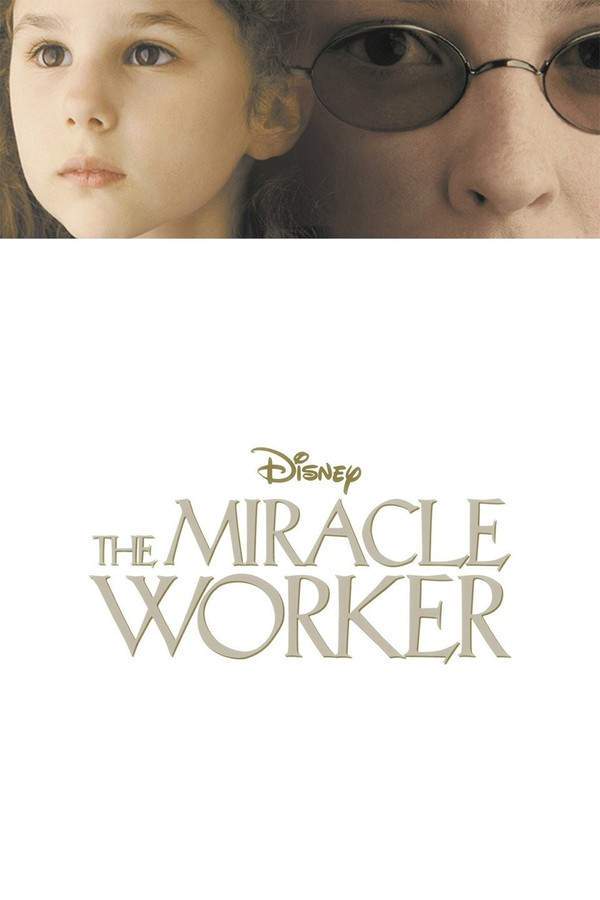
A deafblind Anglo-Indian woman from Shimla navigates a life of quiet resilience, moving through a world that often speaks in unspoken gestures. When a former teacher, now struggling with late-stage Alzheimer's, is found wandering near her family’s home, she makes a bold, compassionate vow: to help him recover, just as he once helped her find her own way forward.
The film then travels back to the protagonist’s childhood. An illness when she was two stole her sight, hearing, and ability to speak, leaving her overwhelmed by the world and prone to outbursts that isolated her from those around her. Her parents, Paul and Catherine, grapple with the demands of caring for a child who communicates in little more than instinct and emotion, a challenge amplified after the arrival of a younger sister. When, at the age of eight, a fearless and unconventional teacher from Dehradun arrives, the family finally catches a glimmer of hope. He believes in reaching her through discipline, patience, and innovative methods, even offering his time without pay. At first, her father is wary, but her mother supports the idea, and gradually the teacher’s determination reshapes the way she experiences the world.
Over a formative period of about 20 days, the teacher introduces basic communication and manners. The young girl struggles to grasp the meaning behind words, yet a pivotal moment reframes her understanding: he plunges her into a fountain to teach her to link the sensation of water with its name. This bold, tactile breakthrough opens a pathway for comprehension, convincing her parents to keep the teacher by her side. With time, the world begins to open—she learns to sign, to express herself, and even to dance—marking a profound shift from isolation toward connection.
As adulthood arrives, the same determination helps her pursue higher education. She becomes articulate and capable, breaking barriers as she signs and navigates space with grace. With the teacher’s continued guidance, she earns admission to a university as its first deafblind student. The journey is long and fraught with setbacks: multiple attempts, adjustments to the curriculum, and the addition of a braille version of the syllabus along with improved typing skills. Yet perseverance pays off, and she moves closer to her goals, even as the teacher’s mental health wanes and his memory of her begins to fade.
Along the way, she also finds reconciliation within her family, notably repairing a strained relationship with her sister. After her sister’s wedding, she looks for a new kind of closeness and grapples with the complexities of affection, seeking guidance from the teacher, whose approach to touch and trust becomes a touchstone for her own explorations of love and connection. The years of study culminate in a Bachelor of Arts degree, earned after twelve years of dedication, and she delivers a speech at the graduation ceremony that becomes a testament to perseverance and possibility. She preserves her graduation robe for a final visit to the hospital, where the teacher briefly regains lucidity and recognizes the milestone she has achieved.
In the closing stretch, she writes a letter to Mrs. Nair, recounting the teacher’s tentative steps toward relearning speech. Their shared memory of tracing syllables begins with the simple “wa”—a nod to the earliest lessons that first opened up language. The letter underscores the idea that this moment marks the teacher’s first day of school in a new sense, a symbolic full circle in their enduring journey. The film ends with her joining a candlelight procession, a quiet, luminous image suggesting that the teacher has passed, and that their intertwined paths have come to a poignant, hopeful close.
Key moments carry the weight of perseverance, pedagogy, and partnership—a portrait of a life rebuilt through touch, time, and trust, where silence can yield to voice and darkness can yield to light.