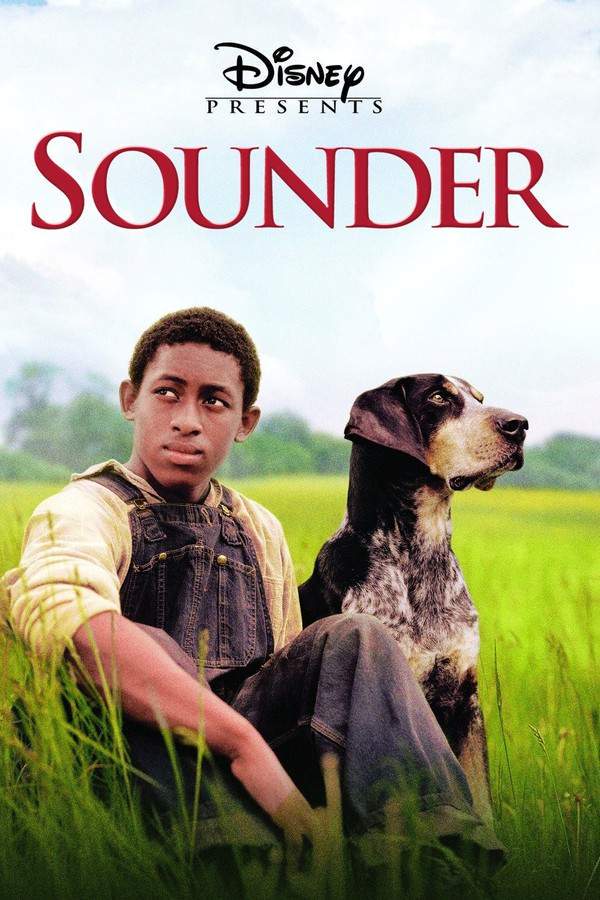
In 1933, a young girl named Cassie Logan, a 9-year-old living in rural Mississippi, finds her world shaped by the complexities of race relations during the era of segregation. Unlike many other Black families of the time who relied on sharecropping, the Logan family owns the land they inhabit—land that originally belonged to a white plantation owner, Harlan Granger, who sold it off during Reconstruction to settle his taxes. The story doesn't follow just one central plot but intertwines multiple narratives, each highlighting different facets of Black and White interactions and the harsh realities faced by Black communities during what was known as the nadir of American race relations.
Throughout the novel, the Logan family faces numerous challenges. For example, Cassie and her younger brother Little Man notice racial inequalities firsthand when they see that the schoolbooks used by Black students, including their own, were originally meant for white children and were recycled once worn out. This small detail underscores the systemic inequality the family endures daily. During a holiday visit, Cassie's father, David Logan (who works on the railroad), comes home, bringing a moment of warmth and familial connection amidst the turbulent circumstances.
The story also explores personal conflicts, such as when Cassie is humiliated by Lillian Jean Simms, a white girl who looks down on her. Cassie pretends to forgive Lillian Jean to gather information about the Simms family, but eventually, she confronts her by assaulting her and making her apologize for her earlier humiliation. Cassie then threatens to reveal her secrets unless she stays quiet about their encounter, highlighting her growing awareness of how to protect herself in a prejudiced society.
Mary Logan, Cassie’s mother and a dedicated teacher, plays a significant role in advocating for her children and their community. When T.J. Avery, Stacey’s close friend, cheats during a history test, Mary’s intervention results in her being fired, exacerbating tensions and exposing the racist structures within their town. In response, Mary organizes a boycott of the store owned by the Wallace family, who are suspected to be Klan members helping to fuel racial hostility. When David and his hired hand Mr. Morrison are attacked on a rural road—David shot but surviving—the community’s solidarity is tested. Mr. Morrison’s violent response to the attackers results in the Wallaces’ involvement, prompting the bank to foreclose on the Logans’ land.
In a daring move to save the family land, Uncle Hammer, played by Morgan Freeman, sells his new silver Packard to cover the mortgage, demonstrating the depth of his loyalty and determination. Meanwhile, T.J. begins to drift away from his friends, befriending the racist older brothers of Lillian Jean. They manipulate him into helping rob Barnett’s Mercantile, leading to the murder of Jim Lee by R.W. and Melvin. T.J., caught in the web of lies and violence, is falsely accused and beaten severely when attempting to expose the truth.
The climax of the novel features a tense moment when T.J. faces lynching due to the accusations surrounding Jim Lee’s murder. Just as the town’s mob prepares to hang him, a fire breaks out in the cotton fields, prompting the community to unite in a desperate effort to save their crops and each other. David Logan (played by Robert Christian) survives an attack during this chaos, but the threats of injustice and violence linger. Cassie processes her feelings of helplessness and sadness, especially after learning that T.J. is likely to be convicted and possibly executed for the crime.
Throughout the story, Cassie matures, gaining a deeper understanding of the social and racial injustices in her world. Despite her initial dislike of T.J., she mourns for him, feeling the weight of the land and community they share. The novel concludes with a poignant reflection on the struggles of justice, family, and resilience in the face of entrenched racism, leaving readers with a powerful commentary on courage and solidarity in difficult times.