








Plot Explained Spoilers guaranteed!
Plot Explained

Browse by genre

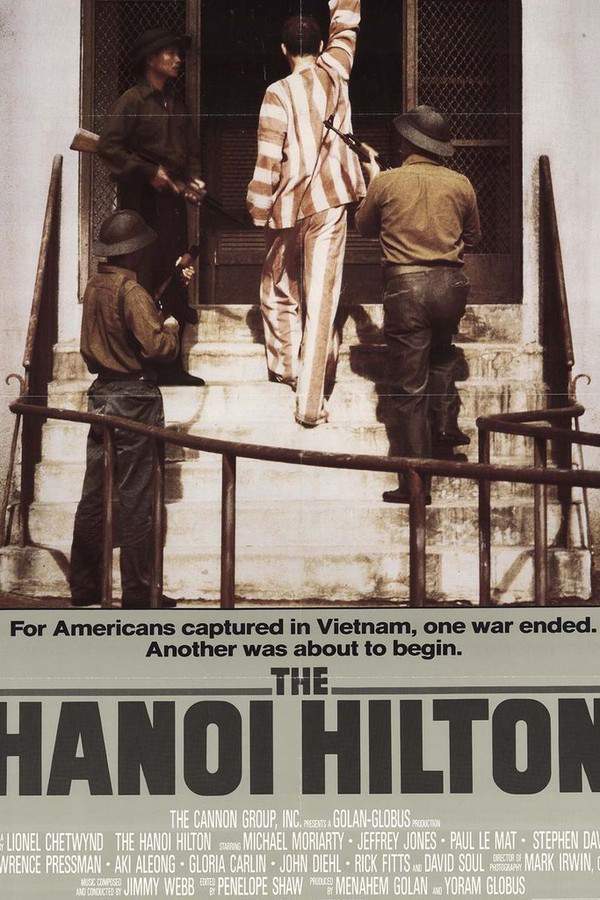
The Hanoi Hilton (1987) movie poster

Timeline

The Hanoi Hilton (1987) Timeline Explained – Every Event in Order

Release, runtime and language
1987 · 125 min · English
JustWatch #8,667 2
Directed by
Lionel Chetwynd
Starring
Paul Le Mat, Michael Moriarty, David Soul, Jeffrey Jones, Lawrence Pressman, Stephen Davies

Imprisoned within the notorious Hanoi Hilton, a group of American prisoners of war endure relentless torment and psychological manipulation at the hands of their North Vietnamese captors. Led by resilient figures like Michael Moriarty, Jeffrey Jones, and Paul Le Mat, the men fight to preserve their dignity and humanity while facing the brutal realities of their confinement. Their experiences test the limits of endurance and the strength of the human spirit.

On this page (6)
  1. 1 Where to watch
  2. 2 Events in order (15)
  3. 3 Timeline questions answered
  4. 4 Movie threads
  5. 5 Movies like The Hanoi Hilton
  6. 6 Every angle

Where to watch

Where to Watch The Hanoi Hilton (1987)

Where can you watch The Hanoi Hilton? Stream, rent or buy it in the US, including on fuboTV, History Vault and MGM Plus: current JustWatch availability with up-to-date prices.

Streaming availability powered by JustWatch

15 events in order · contains spoilers

The Hanoi Hilton Timeline: Events in Chronological Order

Every key event of The Hanoi Hilton (1987) in order, scene by scene, with when and where it takes place. Use it to untangle flashbacks, time jumps and parallel storylines, to refresh your memory before the sequel or to find the exact scene you are thinking of.

  1. Reflection on War

    The film opens with LCDR Patrick Michael Williamson reflecting on his traumatic experiences during the Vietnam War. As the camera pulls away from a journalist's relentless inquiries, we gain insight into Williamson's troubled psyche.

    Where
    Aircraft Carrier
  2. Combat Mission

    Williamson embarks on an electrifying air raid with his wingman, Mason. As they navigate the treacherous skies, their aircraft comes under attack, leading to a critical situation that changes their fates.

    Where
    Vietnam
  3. Emergency Landing

    Facing severe damage to their aircraft, Williamson and Mason are forced to make an emergency landing in hostile territory. The landing, fraught with danger, marks the beginning of their harrowing ordeal.

    Where
    Hostile Territory
  4. Mason's Injury

    While Williamson escapes unscathed, Mason suffers a grave leg wound during their emergency landing. This injury leaves Mason vulnerable to the dangers posed by local civilians.

    Where
    Hostile Territory
  5. Murder of Mason

    In a tragic turn of events, Mason is brutally murdered, leaving Williamson devastated. This pivotal moment thrusts Williamson into a state of isolation and despair, as he grapples with the loss of his friend.

    Where
    Hostile Territory
  6. Capture and Imprisonment

    Williamson is captured by local forces and taken to Hoa Lo Prison in Hanoi. There, he meets Major Ngo Doc, who will become a central figure in his torment.

    Where
    Hoa Lo Prison, Hanoi
  7. Interrogation Begins

    Williamson undergoes a series of intense interrogations at the hands of Major Ngo Doc. Despite the relentless questioning, he remains steadfast, revealing only his name, rank, and service number.

    Where
    Hoa Lo Prison, Hanoi
  8. Isolation Tactics

    Frustrated by Williamson's unwillingness to cooperate, Ngo Doc subjects him to prolonged isolation. For nearly a year, Williamson endures darkness and seclusion, testing the limits of his resilience.

    Where
    Hoa Lo Prison, Hanoi
  9. Return to Quarters

    When his isolation finally ends, Williamson discovers he is not alone in his suffering. He shares his cell with three other prisoners, all of whom have endured similar horrors of war.

    Where
    Hoa Lo Prison, Hanoi
  10. The Prisoners' Bonds

    Together, the captives face the brutal conditions of their imprisonment. The film highlights their psychological and physical torture, showcasing their unyielding human spirit amidst despair.

    Where
    Hoa Lo Prison, Hanoi
  11. Shifting Conditions

    With the backdrop of turmoil after the Son Tay rescue mission, the American prisoners confront an uncertain future. The passing of Ho Chi Minh adds to their sense of unease regarding potential changes.

    Where
    Hoa Lo Prison, Hanoi
  12. Ngo Doc's Reappearance

    In a surprising development, Ngo Doc returns to the prisoners, presenting himself as a potentially benevolent figure. He hints at improving conditions but raises questions about his true motives with his impending reassignment.

    Where
    Hoa Lo Prison, Hanoi
  13. Relocation of Prisoners

    The prisoners are moved into a larger shared space, adapting to their new environment while wrestling with the harsh realities of their confinement. The atmosphere remains tense as they sense the end of their ordeal nears.

    Where
    Hoa Lo Prison, Hanoi
  14. In the Face of Rescue

    As early 1973 approaches, the captives are gathered at a North Vietnamese airfield, filled with a mix of hope and disbelief. The arrival of a United States Air Force C-141 signifies a potential return to freedom.

    When
    1973
    Where
    North Vietnamese Airfield
  15. Reflections Before Departure

    As they prepare to board the aircraft, Williamson and his fellow prisoners reflect on their traumatic experiences and the complexities of war. This moment encapsulates both relief and uncertainty as they finally leave their torment behind.

    When
    1973
    Where
    North Vietnamese Airfield

Last updated: November 17, 2024 at 18:16

Was this helpful?

Timeline questions answered

The Hanoi Hilton Timeline Explained: Your Questions Answered

When does it happen, and why in that order? The questions people ask about the chronology of The Hanoi Hilton (1987): time jumps, flashbacks, cause and effect between scenes and the correct order of events, each answered with spoilers.

Q1

Why was Mason killed by local civilians after the emergency landing?

Mason suffered a grave leg wound during the emergency landing, which left him defenseless and unable to move quickly. Local civilians discovered him in this vulnerable state and murdered him, while Williamson miraculously escaped without injury.

  • mason
  • leg wound
  • local civilians
  • murder
  • emergency landing
Q2

Why was Williamson placed in isolation for nearly a year?

Major Ngo Doc subjected Williamson to prolonged isolation because he refused to provide any information beyond his name, rank, and service number during interrogations. Frustrated by Williamson's unwavering resistance, Ngo Doc used isolation as a psychological tactic to break his will and extract more information.

  • isolation
  • interrogation
  • ngo doc
  • resistance
  • psychological torture
Q3

What was Major Ngo Doc's motivation for torturing the prisoners?

Major Ngo Doc sought to obtain military intelligence and break the prisoners' spirits through psychological manipulation and physical torture. His goal was to force the American officers to cooperate and reveal information about their missions and military operations.

  • ngo doc
  • motivation
  • torture
  • interrogation
  • intelligence
Q4

Why did Ngo Doc return as a seemingly benevolent figure near the end?

Ngo Doc reappeared presenting improved conditions and hinting at better treatment, but his impending reassignment left his true motives ambiguous. This shift may have been influenced by external events like the Son Tay rescue mission, the bombings of Hanoi, and the passing of Ho Chi Minh, which created uncertainty about the prisoners' future.

Foreshadowing: The film earlier established Ngo Doc as a ruthless interrogator, making his sudden benevolence surprising.

  • ngo doc
  • reassignment
  • improved conditions
  • ambiguous motives
Q5

How did the Son Tay prison camp rescue mission affect the American prisoners?

The Son Tay raid created significant turmoil in the prison system. While the movie doesn't show direct impact on the Hoa Lo prisoners, it added to the uncertainty of their situation during a period of escalating conflict and shifting POW policies.

  • son tay
  • rescue mission
  • prisoners
  • uncertainty
  • 1970
Q6

Why was Ho Chi Minh's death significant to the prisoners?

Ho Chi Minh's passing represented a major historical shift in Vietnam's leadership. For the American prisoners, this created additional unease about potential changes in their treatment, prison policies, and the overall political landscape surrounding their captivity.

  • ho chi minh
  • death
  • political shift
  • prisoners
  • fear
Q7

How did the prisoners maintain their dignity despite relentless torture?

The prisoners refused to surrender to despair through collective solidarity, unwavering resistance during interrogations (revealing only name, rank, and service number), and by supporting each other psychologically. Their shared experience of enduring atrocities together became a testament to human resilience.

  • dignity
  • torture
  • resistance
  • solidarity
  • human spirit
Q8

Why was isolation considered such effective torture?

Isolation was designed to psychologically dismantle prisoners by depriving them of all human contact and sensory stimulation. The prolonged darkness and seclusion created immense psychological pressure, testing the limits of resilience and often causing severe mental deterioration.

  • isolation
  • psychological torture
  • darkness
  • sensory deprivation
  • breakdown
Q9

Why were the prisoners moved into a larger shared space near the end?

The relocation to a larger shared space came after Ngo Doc hinted at improved conditions and his impending reassignment. This change marked a shift in their captivity as they sensed their ordeal was nearing its end, though the exact reasons for the move remained tied to the political dynamics of the time.

Foreshadowing: Ngo Doc's earlier hint at better conditions foreshadows this relocation.

  • relocation
  • larger space
  • ngo doc
  • improved conditions
  • end of captivity
Q10

What did the arrival of the C-141 aircraft symbolize for the prisoners?

The arrival of the United States Air Force C-141 at the North Vietnamese airfield in early 1973 symbolized the long-awaited freedom and the end of their captivity. It marked their return home after years of suffering, filled with a mixture of relief, nostalgia, and uncertainty about reintegration into normal life.

  • c-141
  • freedom
  • release
  • 1973
  • homecoming
Q11

Why was Mason unable to defend himself after the emergency landing?

Mason suffered a grave leg wound during the emergency landing that left him incapacitated and unable to move or defend himself. This vulnerability made him an easy target when local civilians approached, while Williamson escaped unscathed.

  • mason
  • leg wound
  • vulnerable
  • incapacitated
  • civilians
Q12

How long were the American prisoners held in the Hanoi Hilton?

The film depicts the prisoners enduring years of captivity from their capture (during the Vietnam War era) through their release in early 1973. The timeline covers the entire duration of their imprisonment, including the extended period of isolation and psychological torment.

  • duration
  • captivity
  • years
  • 1973
  • release
Q13

Why did Williamson only reveal his name, rank, and service number?

Williamson adhered to the military code of conduct for prisoners of war, which required detained personnel to provide only their name, rank, and service number. This refusal to provide additional information was a deliberate act of resistance against enemy interrogation tactics.

  • name rank service number
  • code of conduct
  • resistance
  • interrogation
  • military protocol
Q14

What was the Hanoi Hilton's reputation during the Vietnam War?

Hoa Lo Prison, nicknamed the "Hanoi Hilton" by American POWs, was notorious for its harsh conditions and use as a detention center for American prisoners during the Vietnam War. The facility became symbolic of North Vietnamese interrogation and torture practices.

  • hoa lo prison
  • hanoi hilton
  • reputation
  • torture
  • infamous

Movie threads

More Movies Like The Hanoi Hilton, by Mood & Story

Curated lists built around what makes The Hanoi Hilton tick: the same mood, the same kind of story or the same emotional payoff. Each list explains why these movies belong together.

Claustrophobic Survival Movies like The Hanoi Hilton

Stories of resilience and dignity tested by extreme confinement and oppression. If you appreciated the relentless tension and human endurance in The Hanoi Hilton, explore more movies like it. This section features stories of survival in extreme confinement, focusing on psychological resilience and the fight for dignity against overwhelming odds.

  • claustrophobic
  • oppressive
  • resilient
  • somber
  • desperate
  • isolated
  • Tone: tense, bleak, resilient
  • Pacing: steady, methodical
Why these movies?

The story pattern: Narratives in this thread typically follow a group or individual enduring prolonged, harsh confinement. The story is a linear or episodic chronicle of suffering and resistance, where external action is limited, and the drama unfolds internally through the characters' psychological fortitude and camaraderie under pressure.

Why they belong together: These films are grouped together because they share a deeply oppressive and claustrophobic mood, a high-stakes tone focused on survival, and a narrative centered on the human spirit's capacity to endure unimaginable hardship in isolated settings.


Psychological Endurance Dramas like The Hanoi Hilton

Character-driven dramas where the mind is the ultimate battlefield. For viewers who liked the psychological warfare and heavy emotional weight of The Hanoi Hilton, this section collects similar movies. Discover stories where characters face immense mental torment and must find the strength to resist, exploring themes of loyalty, ideology, and the limits of human endurance.

  • psychological
  • somber
  • tense
  • heavy
  • desperate
  • resilient
  • Tone: tense, somber, heavy
  • Pacing: steady, deliberate
Why these movies?

The story pattern: The narrative pattern involves a power dynamic where an authority figure uses psychological tactics—isolation, manipulation, torture—to control and break a subject. The protagonist's journey is an internal one, battling despair and maintaining their identity and beliefs against a relentless assault on their psyche.

Why they belong together: Movies in this thread share a heavy emotional weight, a straightforward yet potent narrative focused on a battle of wills, and a tense, sobering tone. They are united by their exploration of psychological torture and the triumph—or tragedy—of the human spirit.

If you liked this

Movies Like The Hanoi Hilton

Similar movies to The Hanoi Hilton: the same genre, themes or kind of story. Each one comes with its own plot summary, timeline and ending explained.

Browse all movie summaries

Every angle

The Hanoi Hilton (1987) Explained: Plot, Timeline & Characters

Everything about The Hanoi Hilton in one place: what happens in the plot summary, the timeline in chronological order, the characters and meaning and a spoiler-free summary. What's After the Movie adds the cast, box office and post-credit scenes.

Coming soon on iOS and Android

The Plot Explained Movie Summary App

Plot summaries, endings explained and timelines on your phone. Catch up on any movie in minutes, save your favorites and never miss a twist again.

Be the first to know when we launch. Your email stays private, always.

Learn more about the app