








Plot Explained Spoilers guaranteed!
Plot Explained

Browse by genre

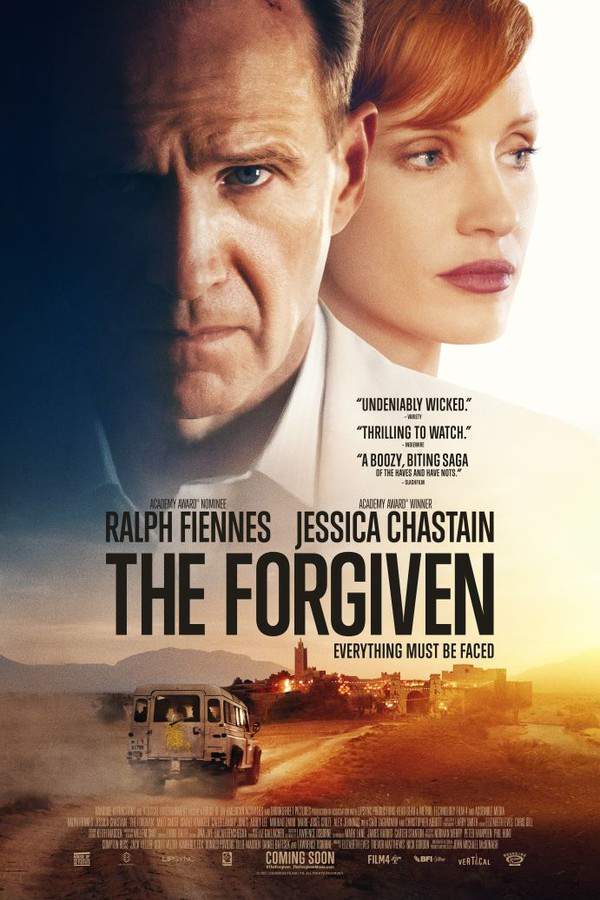
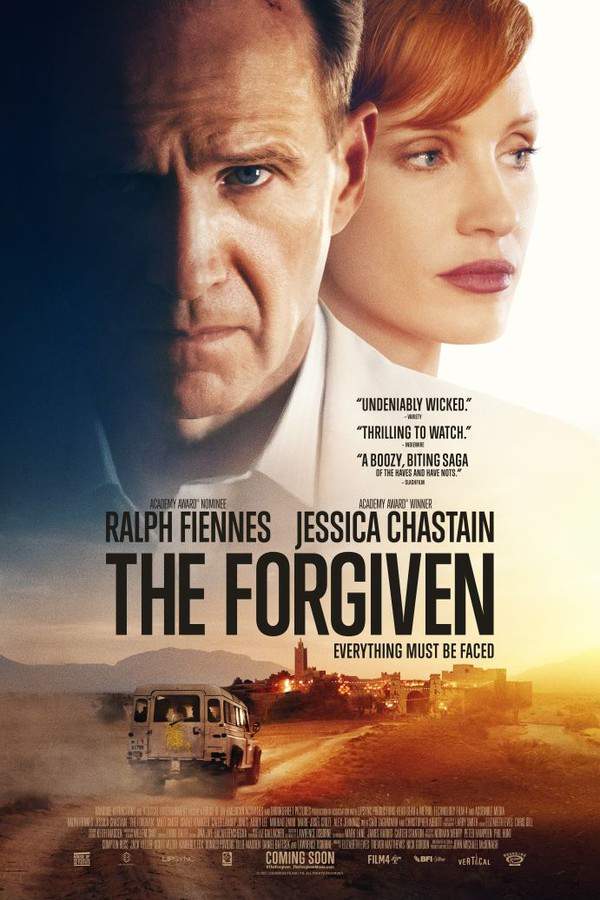
The Forgiven (2018) movie poster

Timeline

The Forgiven (2018) Timeline Explained – Every Event in Order

Release, runtime and language
2018 · 115 min · English
Echo score 55
JustWatch #34,115 1
Directed by
Roland Joffé
Starring
Forest Whitaker, Eric Bana, Morne Visser, David Butler, Jeff Gum, Debbie Sherman
Budget
$15M

During a violent standoff in a church under siege, Lieutenant Morgan leads his team through a dangerous and unpredictable situation. As chaos unfolds, James is forced to confront a difficult decision between escaping the conflict or fighting for his life. Elizabeth demonstrates fierce resolve to protect him, embarking on a perilous journey filled with uncertainty and risk. The team must overcome numerous obstacles to survive the escalating crisis.

On this page (6)
  1. 1 Where to watch
  2. 2 Events in order (13)
  3. 3 Timeline questions answered
  4. 4 Movie threads
  5. 5 Movies like The Forgiven
  6. 6 Every angle

Where to watch

Where to Watch The Forgiven (2018)

Where can you watch The Forgiven? Stream, rent or buy it in the US, including on Fandango at Home Free, Tubi TV and Amazon Video: current JustWatch availability with up-to-date prices.

Streaming availability powered by JustWatch

13 events in order · contains spoilers

The Forgiven Timeline: Events in Chronological Order

Every key event of The Forgiven (2018) in order, scene by scene, with when and where it takes place. Use it to untangle flashbacks, time jumps and parallel storylines, to refresh your memory before the sequel or to find the exact scene you are thinking of.

  1. Archbishop assesses Blomfeld for amnesty

    Archbishop Desmond Tutu opens the Truth and Reconciliation Commission in Pollsmoor Prison to evaluate Blomfeld’s suitability for amnesty. The exchange frames truth-telling and accountability as the path to healing rather than mere punishment. Blomfeld’s future hinges on whether he can reveal his actions with candor under the Commission's scrutiny.

    Where
    Pollsmoor Maximum Security Prison, Cape Town
  2. Blomfeld resists accountability

    Blomfeld greets the Archbishop with scorn, using insults and showing little remorse for his crimes. He resists probing questions and tries to maintain control of the interview. The confrontation highlights the moral tension at the heart of the amnesty process.

    Where
    Pollsmoor Maximum Security Prison, Cape Town
  3. The photo and the two prisons

    The Archbishop shows Blomfeld a photo of the young black girl and explains the concept of two prisons—the physical jail and the prison within oneself. The image unsettles Blomfeld and sparks a moment of self-reflection. It marks a turning point in his willingness to confront the truth.

    Where
    Pollsmoor Maximum Security Prison, Cape Town
  4. Blomfeld earns respect and bonds with a prisoner

    Blomfeld spares the life of a fellow prisoner sent to kill him and, in doing so, earns the reluctant respect of a black gang. He also forms a fragile bond with a prisoner named Benjamin. This shift alters the prison’s dynamics and hints at potential reconciliation beyond violence.

    Where
    Pollsmoor Prison, Cape Town
  5. Varney investigates Blomfeld’s past

    Howard Varney speaks with Mrs. Van der Berghe, who knew Blomfeld as a child. She reveals that Blomfeld once had a friend who was a young black girl and recounts the brutal acts of her father, Rian, which led to deeper family tragedy. The interview provides crucial context for understanding Blomfeld’s current testimony.

    Where
    Truth and Reconciliation Commission offices, Cape Town
  6. Blomfeld’s past exposed: Zimbabwe years

    The backstory unfolds: Blomfeld’s father, Rian, murders the girl and her family, and Blomfeld is beaten. The family later moves to Zimbabwe, where further violence shapes his history. The revelation explains the long shadow of guilt that haunts him.

    Where
    Zimbabwe
  7. Blomfeld decides to confess

    Blomfeld decides to confess and calls the Archbishop, signaling a shift toward truth-telling. He records his thoughts privately for the sake of the TRC. The decision marks a dramatic turn from denial toward accountability.

    Where
    Pollsmoor Prison, Cape Town
  8. Schmidt orders a prison lockdown and attack

    Francois Schmidt schemes to eliminate Blomfeld by coordinating with riot troopers to attack him during lockdown. The plan escalates the tension inside the prison as security forces close in. The confrontation foreshadows the violence that will follow Blomfeld’s confession.

    Where
    Pollsmoor Prison, Cape Town
  9. Blomfeld is beaten to death

    During the assault, Blomfeld is beaten to death by riot troopers after his decision to confess. His death cuts short his pursuit of amnesty, even as his recorded confession remains in play. The violence underscores the brutal costs of the apartheid era’s legacy.

    Where
    Pollsmoor Prison, Cape Town
  10. Audio confession broadcast to the TRC

    An audio recording of Blomfeld confessing to the murder of Mrs. Morobe’s daughter and her boyfriend is sent and later played to the Truth and Reconciliation Commission. The revelation forces the Commission to reckon with the full scope of past crimes. The confession becomes a focal point of the proceedings.

    Where
    Truth and Reconciliation Commission, Cape Town
  11. Forgiveness comes for Mrs. Morobe

    Mrs. Morobe confronts Hansi Coetzee, one of the perpetrators of her daughter's murder, and ultimately forgives him. The act of forgiveness embodies the restorative aim of the Commission. It is presented as a moment of healing within a long shadow of violence.

    Where
    Cape Town
  12. Linda Coetzee thanks the Archbishop

    Linda Coetzee meets the Archbishop and expresses gratitude for his work, acknowledging the difficult truths that have been faced. She embodies a personal resolution amid national reconciliation. The encounter underscores the human cost behind the legal and moral debates.

    Where
    Truth and Reconciliation Commission chamber, Cape Town
  13. Final scene: beach and integration

    The Archbishop and his wife visit the beach he had fretted about as a child, now symbolizing a society that has moved toward integration. The film closes on a note of cautious hope, with personal and national healing intertwined. The setting reinforces the film’s themes of forgiveness and social unity.

    Where
    Beach, Cape Town

Last updated: October 09, 2025 at 16:16

Was this helpful?

Timeline questions answered

The Forgiven Timeline Explained: Your Questions Answered

When does it happen, and why in that order? The questions people ask about the chronology of The Forgiven (2018): time jumps, flashbacks, cause and effect between scenes and the correct order of events, each answered with spoilers.

Q1

What causes Blomfeld to change his attitude toward the Archbishop?

The Archbishop shows Blomfeld a photograph of a young black girl from his file and delivers a speech about being trapped in two prisons, the physical cell and the prison of his own heart. This visual and philosophical confrontation with his past deeply unsettles Blomfeld, triggering the first genuine moment of self-reflection in the film and marking the turning point from defiance toward vulnerability.

  • Piet Blomfeld
  • Desmond Tutu
  • two prisons
  • photo
  • change of heart
Q2

Why does Blomfeld spare the prisoner sent to kill him?

When a fellow prisoner arrives to assassinate Blomfeld on Francois Schmidt's orders, Blomfeld recognizes the man and chooses not to kill him. This act of mercy surprises both the assassin and the black gang watching from nearby. The gang respects Blomfeld's unexpected compassion and tells Schmidt he must fight his own battles, effectively neutralizing the assassination plot.

Foreshadowing: Earlier, Blomfeld's interactions with the Archbishop have already begun softening his outlook.

  • assassin
  • spare life
  • mercy
  • prison
  • gang
  • Francois Schmidt
Q3

What triggers Blomfeld's decision to confess?

After learning the full truth about his childhood, from Howard Varney's investigation revealing that his father Rian murdered a young black girl and her family, and that Piet was beaten for trying to protect her, Blomfeld is overwhelmed by the weight of his family's crimes. Combined with the Archbishop's earlier words about the two prisons, he decides to summon the Archbishop and confess to his role in the murders, including Mrs. Morobe's daughter and her boyfriend.

Foreshadowing: The Archbishop's photo and speech about inner prisons plant the initial seed of conscience.

  • confession
  • truth
  • childhood
  • father Rian
  • murder
  • TRC
Q4

Why does Schmidt want Blomfeld killed?

Francois Schmidt, Blomfeld's former fellow officer and co-participant in the brutal apartheid-era killings, fears that Blomfeld will confess to the Truth and Reconciliation Commission and expose Schmidt's own crimes. Desperate to protect himself, Schmidt hires a black gang to eliminate Blomfeld before he can testify. When that fails, Schmidt orchestrates the prison lockdown and riot trooper attack that ultimately kills Blomfeld.

Foreshadowing: Schmidt's desperation grows as Blomfeld's attitude shifts from defiance to cooperation.

  • Francois Schmidt
  • fear
  • expose crimes
  • assassination
  • cover-up
Q5

What is Blomfeld's childhood backstory?

As a child, Piet Blomfeld befriended a young black girl, which his father Rian violently opposed. Rian murdered the girl and her entire family, then brutally beat young Piet, damaging his arm permanently. The family later fled to Zimbabwe, where further retaliatory violence killed the rest of his relatives. This traumatic history explains Blomfeld's deep-seated guilt and the psychological prison that haunts him throughout the film.

  • childhood
  • father Rian
  • Zimbabwe
  • abuse
  • guilt
  • past trauma
Q6

Why does Mrs. Morobe decide to forgive the perpetrators?

After hearing Blomfeld's audio confession, which details the murder of her daughter and her boyfriend, Mrs. Morobe confronts Hansi Coetzee, another participant in the crime. The film presents her forgiveness not as instant absolution but as a painful, difficult choice aligned with the TRC's philosophy of restorative justice. Her forgiveness becomes a path to closure and healing, though it costs her tremendous emotional effort.

Foreshadowing: The Archbishop's work throughout the film establishes forgiveness as a conscious, difficult process.

  • Mrs. Morobe
  • forgiveness
  • reconciliation
  • Hansi Coetzee
  • closure
  • healing
Q7

Why is Blomfeld killed after deciding to cooperate?

Blomfeld is killed because Francois Schmidt orchestrates a prison lockdown and directs riot troopers to attack him before his confession can be fully heard by the Commission. Schmidt's coordinated assault ensures Blomfeld dies before revealing Schmidt's own crimes. Although Blomfeld has already recorded an audio confession beforehand, his murder represents the violent lengths perpetrators will go to suppress the truth.

Foreshadowing: The timeline shows Schmidt planning the attack shortly after learning Blomfeld intends to confess.

  • beaten to death
  • riot troopers
  • lockdown
  • Schmidt
  • murder
  • confession audio
Q8

What does the Archbishop's "two prisons" metaphor mean?

The Archbishop tells Blomfeld he is trapped in two prisons: the physical cell where he serves his sentence, and the internal prison of guilt, trauma, and moral isolation he has built around himself. The metaphor directly addresses how Blomfeld has become his own jailer through years of unresolved violence and racism. The photograph of the young black girl serves as the visual catalyst that makes this abstraction personally undeniable.

  • two prisons
  • metaphor
  • Archbishop Tutu
  • guilt
  • inner prison
  • psychological
Q9

What happens to Blomfeld's audio confession?

Before the attack kills him, Blomfeld manages to transmit an audio confession detailing the murder of Mrs. Morobe's daughter and her boyfriend. This recording is later played at the Truth and Reconciliation Commission proceedings, ensuring his testimony survives even though he does not. The confession provides Mrs. Morobe with the answers she has sought and becomes a pivotal piece of evidence for the Commission.

Foreshadowing: Blomfeld records his thoughts privately earlier, anticipating the danger.

  • audio confession
  • TRC
  • recording
  • transmission
  • evidence
  • testimony
Q10

Why does Blomfeld leave money for Benjamin?

Benjamin is the fellow prisoner who was sent to kill Blomfeld but was spared. Before his death, Blomfeld leaves Benjamin the remaining money in his account, a small but meaningful gesture that represents his transformation from a man who ordered murders to someone capable of showing care toward someone he once considered an enemy. This act completes his arc toward humanity and reconciliation.

Foreshadowing: The bond between Blomfeld and Benjamin develops after the failed assassination attempt.

  • Benjamin
  • money
  • care
  • transformation
  • prisoner
  • redemption

Movie threads

More Movies Like The Forgiven, by Mood & Story

Curated lists built around what makes The Forgiven tick: the same mood, the same kind of story or the same emotional payoff. Each list explains why these movies belong together.

Movies about confronting historical guilt like The Forgiven

Characters forced to confront systemic violence and atrocity from the past. If you liked The Forgiven's unflinching look at apartheid's legacy, you'll find similar power in these movies. This list features films like The Forgiven that explore the painful journey of confronting historical sins, systemic violence, and the difficult path toward truth and reconciliation.

  • somber
  • heavy
  • reflective
  • unsettling
  • redemptive
  • historical
  • Tone: somber, reflective, heavy
  • Pacing: steady, methodical
Why these movies?

The story pattern: Stories in this thread typically involve a protagonist, often complicit in a past atrocity, being confronted by their actions or the system they upheld. The narrative structure often shifts between past crimes and their present-day consequences, building toward a moment of confession or reckoning that is emotionally devastating but crucial for closure.

Why they belong together: These films are grouped by their shared thematic focus on the moral and emotional burden of history. They share a dark, somber tone, heavy emotional weight, and a narrative driven by the psychological pressure of confronting unspeakable acts, often within a politically charged setting.

Movies with bittersweet redemption arcs like The Forgiven

Redemption arcs that are hard-won, morally complex, and end bittersweetly. Viewers seeking complex redemption stories like in The Forgiven will appreciate these films. Discover movies similar to The Forgiven where characters on a path to atonement face immense obstacles, and their redemption is achieved through suffering, leading to a poignant, bittersweet conclusion.

  • bittersweet
  • redemptive
  • melancholic
  • heavy
  • gripping
  • moral complexity
  • Tone: dark, bittersweet, melancholic
  • Pacing: steady, character-driven
Why these movies?

The story pattern: The narrative follows a flawed, often morally compromised protagonist as they are pushed toward acknowledging their wrongs. Their journey toward redemption is neither easy nor guaranteed, typically involving significant personal loss or sacrifice. The resolution provides a sense of hard-earned peace or closure, but it is tinged with sorrow and the scars of the past remain.

Why they belong together: These movies share a specific emotional journey: a progression from darkness toward a complex, bittersweet form of hope. They are united by a heavy mood, a steady pacing that allows for deep character reflection, and endings that feel earned yet somber, focusing on the cost of change.

If you liked this

Movies Like The Forgiven

Similar movies to The Forgiven: the same genre, themes or kind of story. Each one comes with its own plot summary, timeline and ending explained.

Browse all movie summaries

Every angle

The Forgiven (2018) Explained: Plot, Ending, Timeline & Characters

Everything about The Forgiven in one place: what happens in the plot summary, the timeline in chronological order, the characters and meaning, the ending explained and a spoiler-free summary. What's After the Movie adds the cast, box office and post-credit scenes.

Coming soon on iOS and Android

The Plot Explained Movie Summary App

Plot summaries, endings explained and timelines on your phone. Catch up on any movie in minutes, save your favorites and never miss a twist again.

Be the first to know when we launch. Your email stays private, always.

Learn more about the app