








Plot Explained Spoilers guaranteed!
Plot Explained

Browse by genre

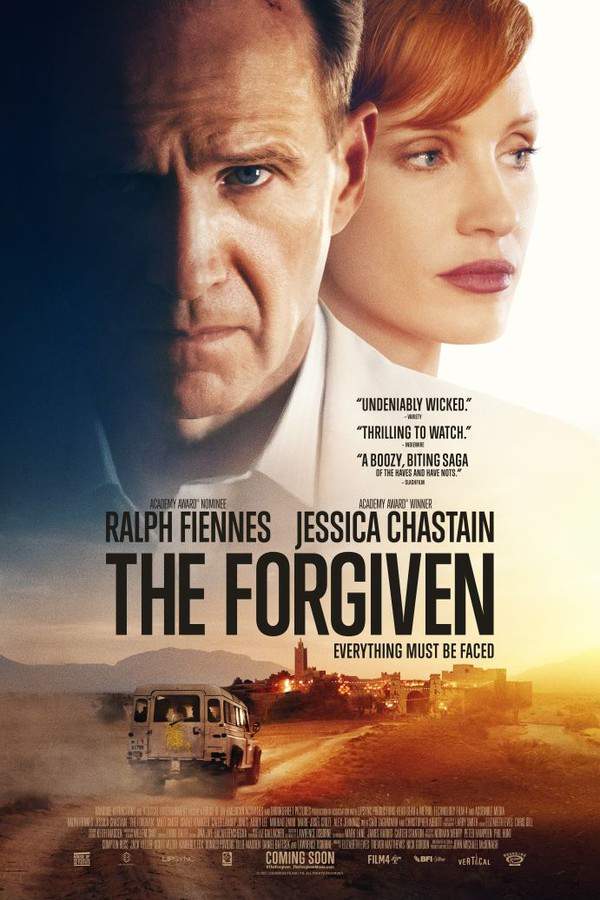
The Forgiven (2018) movie poster

Characters & Themes

The Forgiven (2018) Characters, Setting & Themes Explained

Release, runtime and language
2018 · 115 min · English
Echo score 55
JustWatch #34,115 1
Directed by
Roland Joffé
Starring
Forest Whitaker, Eric Bana, Morne Visser, David Butler, Jeff Gum, Debbie Sherman
Budget
$15M

During a violent standoff in a church under siege, Lieutenant Morgan leads his team through a dangerous and unpredictable situation. As chaos unfolds, James is forced to confront a difficult decision between escaping the conflict or fighting for his life. Elizabeth demonstrates fierce resolve to protect him, embarking on a perilous journey filled with uncertainty and risk. The team must overcome numerous obstacles to survive the escalating crisis.

On this page (8)
  1. 1 Where to watch
  2. 2 Characters explained (9)
  3. 3 Where & when it takes place
  4. 4 Themes & meaning (3)
  5. 5 Character & meaning questions
  6. 6 Movie threads
  7. 7 Movies like The Forgiven
  8. 8 Every angle

Where to watch

Where to Watch The Forgiven (2018)

Where can you watch The Forgiven? Stream, rent or buy it in the US, including on Fandango at Home Free, Tubi TV and Amazon Video: current JustWatch availability with up-to-date prices.

Streaming availability powered by JustWatch

9 main characters · contains spoilers

The Forgiven Characters Explained: Who Is Who

The main characters of The Forgiven (2018), heroes and villains: what drives them, how they change over the course of the story and what each of them reveals about the film's bigger ideas.

  • Desmond Tutu (Forest Whitaker)

    The Archbishop and head of the Truth and Reconciliation Commission, Tutu embodies moral authority and compassion. He seeks a path to truth with patience, guiding Blomfeld toward confession while offering resilience to victims seeking answers. His presence foregrounds reconciliation as a collective, spiritual project rather than a purely legal process.

    • 🤝 Leadership
    • 🕊️ Moral authority
    • 🗝️ Reconciliation
  • Piet Blomfeld (Eric Bana)

    An ex security police officer and member of a far right faction, Blomfeld is initially defiant and coarse. Through the Archbishop s dialogue and the weight of the past, he moves toward confession and a fragile shift in loyalty, even as he faces a violent confrontation in the prison.

    • 💥 Brutality
    • 🤝 Transformation
    • 🧭 Redemption
  • Mrs. Morobe

    played by Thandi Makhubele

    The mother of a murdered girl, she embodies grief and insistence on answers. She confronts the trauma of losing her daughter and seeks accountability, but also grapples with the possibility of forgiveness.

    • 🕯️ Grief
    • 🗣️ Accountability
    • ❤️ Forgiveness
  • Linda Coetzee (Debbie Sherman)

    Linda is the widow of the man involved in the crimes. She expresses relief and gratitude toward the Archbishop for guiding the truth process and acknowledges that she did not want to face the full extent of her husband s actions until confronting it in the commission.

    • 💬 Truth
    • ❤️ Forgiveness
    • ✨ Healing
  • Francois Schmidt (Jeff Gum)

    A fellow officer and party to the murders, Schmidt attempts to manipulate the system by paying off a black gang to kill Blomfeld. His role highlights the callousness that obscured accountability, and his arc ends in violent conflict with the truth.

    • 💼 Corruption
    • 🗡️ Violence
    • 🧭 Conflict
  • Benjamin

    An inmate who forms a sort of bond with Blomfeld, representing a glimmer of humanity within the prison walls. His interactions underscore the possibility of connection even among those who have committed grave crimes.

    • 🤝 Friendship
    • 🧭 Humanity
  • Howard Varney (Rob Gough)

    A member of the Truth and Reconciliation Commission who investigates Blomfeld s past. Varney discovers the backstory of Blomfeld along with the girl in the photograph, contributing to the slow uncoupling of silence and pretense.

    • 🕵️ Investigation
    • 🗝️ Truth
    • 🧭 Memory
  • Mogomat (Osbert Solomons)

    A fellow inmate who occupies space within the prison world. His presence helps to populate the environment of the Truth and Reconciliation conversations and the pressure cooker of the institution.

    • 👥 Inmate
    • 🏛️ Prison life
  • Kruger (Warrick Grier)

    A prison figure who appears in the broader security context of the story. His appearance contributes to the tension and the eventual confrontation with the past.

    • 🧭 Tension
    • 🛡️ Authority

Last updated: October 03, 2025 at 19:53

Was this helpful?

Setting

Where and When Does The Forgiven Take Place?

The setting of The Forgiven (2018): the year and time period, the places and locations, and how they shape the characters, the mood and the tension of the story.

Time period

1990s

The events occur in the post apartheid era in South Africa, during the Truth and Reconciliation Commission period. Cape Town and its prison system are undergoing a transition from retribution toward healing and accountability. The narrative emphasizes memory, confession, and the possibility of forgiveness within a society trying to reconcile its brutal past.

Location

Pollsmoor Maximum Security Prison, Cape Town; Cape Town beaches

The film unfolds primarily within Pollsmoor Prison in Cape Town, a real maximum security facility known for housing high risk inmates during the apartheid era and after. It also moves to the surrounding Cape Town area, including a beach that the Archbishop visits at the end, symbolizing openness and reconciliation. The setting contrasts stark institutional spaces with the open, healing landscape of the coast, highlighting the space for moral reckoning.

  • 🏛️ Prison
  • 🏖️ Beach
  • 🌍 South Africa

Last updated: October 03, 2025 at 19:53

Was this helpful?

3 major themes

The Forgiven Meaning: Themes & Message Explained

What is The Forgiven (2018) really about? The emotional, social and philosophical themes the film keeps returning to, its symbolism and the message beneath the surface.

  • Forgiveness

    Forgiveness drives the central transformation of the film as the Archbishop encourages Blomfeld to own his crimes and seek absolution. The story shows how mercy can coexist with accountability, enabling victims to confront pain while offering a path to healing. The resolution hinges on the power of apology and the possibility of grace between enemies.

  • Accountability

    The Truth and Reconciliation framework casts a light on accountability beyond punishment. Blomfeld's eventual confession and the use of his audio recording illustrate how truth can surface through personal confrontation and collective memory. The narrative juxtaposes legal processes with moral responsibility.

  • Memory

    Memory functions as a moral compass, recalling past violence and the people affected by it. The photograph of the young girl and the stories of families haunt the present, forcing characters to face what has been forgotten or denied. The film uses memory to reframe guilt, forgiveness, and the possibility of reconciliation.

Last updated: October 03, 2025 at 19:53

Was this helpful?

Character & theme questions

The Forgiven Characters & Meaning: Your Questions Answered

The questions people ask about The Forgiven (2018): who the characters really are, their relationships, what the symbols mean, where it takes place and what the movie is really about. Each answer contains spoilers.

Q1

Where is The Forgiven set?

The film takes place primarily in Pollsmoor Maximum Security Prison in Cape Town, South Africa, a notorious maximum security facility that historically held high-risk inmates during and after apartheid. The story also moves to nearby Cape Town beaches, particularly one visited by the Archbishop at the end, symbolizing openness and reconciliation.

  • pollsmoor prison
  • cape town
  • setting
  • apartheid south africa
Q2

When does The Forgiven take place?

The film is set in the 1990s, during the post-apartheid era in South Africa, specifically during the Truth and Reconciliation Commission period. This was a time when Cape Town and its prison system were transitioning from retribution toward healing and accountability.

  • 1990s
  • post-apartheid
  • truth and reconciliation commission
  • time period
Q3

What is the Truth and Reconciliation Commission?

The Truth and Reconciliation Commission (TRC) was a court-like body established in South Africa after apartheid to help the nation confront past human rights violations. Led by Archbishop Desmond Tutu, it allowed victims and perpetrators to testify about crimes committed during apartheid, offering amnesty in exchange for full disclosure and creating a path toward forgiveness and national healing.

  • truth and reconciliation commission
  • trc
  • desmond tutu
  • apartheid south africa
Q4

Who is Desmond Tutu in The Forgiven?

Desmond Tutu is portrayed by Forest Whitaker as the Archbishop and chairman of the Truth and Reconciliation Commission. He embodies moral authority and compassion, guiding perpetrators like Piet Blomfeld toward confession while offering resilience to victims seeking answers. His presence frames reconciliation as a collective, spiritual project rather than merely a legal process.

  • desmond tutu
  • forest whitaker
  • archbishop
  • trc chairman
Q5

Who is Piet Blomfeld in The Forgiven?

Piet Blomfeld, played by Eric Bana, is a former security police officer and member of a far-right faction during apartheid. Initially defiant and coarse, he is called before the Truth and Reconciliation Commission to answer for his crimes. Through dialogue with the Archbishop and the weight of the past, he moves toward confession and a fragile shift in moral loyalty.

  • piet blomfeld
  • eric bana
  • apartheid security police
  • ex policeman
Q6

What does forgiveness mean in The Forgiven?

Forgiveness in the film represents the central transformation driven by the Archbishop's encouragement for Blomfeld to own his crimes and seek absolution. The story shows how mercy can coexist with accountability, enabling victims to confront pain while offering a path to healing. The resolution hinges on the power of apology and the possibility of grace between enemies.

  • forgiveness
  • reconciliation
  • mercy
  • redemption
  • absolution
Q7

What role do the victims' families play in The Forgiven?

The victims' families, particularly Mrs. Morobe whose daughter was murdered, embody grief and the insistence on answers. They confront the trauma of losing loved ones and seek accountability, while also grappling with the difficult possibility of forgiveness. Their presence highlights the emotional weight of the reconciliation process and what it asks of those who suffered.

  • victims families
  • mrs morobe
  • grief
  • accountability
  • trauma
Q8

What does the beach setting symbolize in The Forgiven?

The beach that the Archbishop visits at the end of the film symbolizes openness, healing, and reconciliation. It contrasts starkly with the institutional, confined spaces of Pollsmoor Prison, suggesting the possibility of moral reckoning and freedom from the weight of past violence. The coastal landscape represents the broader South African journey toward reconciliation.

  • beach symbolism
  • cape town beach
  • healing
  • reconciliation symbol
Q9

How does memory function in The Forgiven?

Memory serves as a moral compass throughout the film, recalling past violence and the people affected by it. Photographs of victims and the stories of families haunt the present, forcing characters to face what has been forgotten or denied. The film uses memory to reframe guilt, forgiveness, and the possibility of reconciliation within the post-apartheid context.

  • memory
  • moral compass
  • apartheid crimes
  • victims photographs
  • collective memory
Q10

How does The Forgiven address accountability?

The film examines accountability through the Truth and Reconciliation framework, showing how it extends beyond legal punishment. Blomfeld's eventual confession and the use of his audio recording illustrate how truth can surface through personal confrontation and collective memory. The narrative juxtaposes legal processes with moral responsibility, asking whether true accountability requires confession rather than merely incarceration.

  • accountability
  • confession
  • truth process
  • legal vs moral responsibility
Q11

Why is Pollsmoor Prison significant in The Forgiven?

Pollsmoor Maximum Security Prison is a real facility in Cape Town notorious for housing high-risk inmates during and after apartheid. Setting the film there grounds the story in historical reality and emphasizes the confined, violent world that both perpetrators and victims inhabited. The prison becomes a symbolic space where the past cannot be escaped and must be directly confronted.

  • pollsmoor prison
  • maximum security
  • cape town prison
  • apartheid prison
Q12

What does the bittersweet ending of The Forgiven mean?

The film ends bittersweetly: while the main perpetrator achieves a form of personal redemption and provides closure through his confession, it culminates in his violent death. The resolution for the victims involves a painful but hopeful journey toward reconciliation rather than simple justice, suggesting that forgiveness is possible but comes at tremendous personal cost.

  • bittersweet ending
  • redemption
  • confession
  • justice
  • reconciliation ending

Movie threads

More Movies Like The Forgiven, by Mood & Story

Curated lists built around what makes The Forgiven tick: the same mood, the same kind of story or the same emotional payoff. Each list explains why these movies belong together.

Movies about confronting historical guilt like The Forgiven

Characters forced to confront systemic violence and atrocity from the past. If you liked The Forgiven's unflinching look at apartheid's legacy, you'll find similar power in these movies. This list features films like The Forgiven that explore the painful journey of confronting historical sins, systemic violence, and the difficult path toward truth and reconciliation.

  • somber
  • heavy
  • reflective
  • unsettling
  • redemptive
  • historical
  • Tone: somber, reflective, heavy
  • Pacing: steady, methodical
Why these movies?

The story pattern: Stories in this thread typically involve a protagonist, often complicit in a past atrocity, being confronted by their actions or the system they upheld. The narrative structure often shifts between past crimes and their present-day consequences, building toward a moment of confession or reckoning that is emotionally devastating but crucial for closure.

Why they belong together: These films are grouped by their shared thematic focus on the moral and emotional burden of history. They share a dark, somber tone, heavy emotional weight, and a narrative driven by the psychological pressure of confronting unspeakable acts, often within a politically charged setting.

Movies with bittersweet redemption arcs like The Forgiven

Redemption arcs that are hard-won, morally complex, and end bittersweetly. Viewers seeking complex redemption stories like in The Forgiven will appreciate these films. Discover movies similar to The Forgiven where characters on a path to atonement face immense obstacles, and their redemption is achieved through suffering, leading to a poignant, bittersweet conclusion.

  • bittersweet
  • redemptive
  • melancholic
  • heavy
  • gripping
  • moral complexity
  • Tone: dark, bittersweet, melancholic
  • Pacing: steady, character-driven
Why these movies?

The story pattern: The narrative follows a flawed, often morally compromised protagonist as they are pushed toward acknowledging their wrongs. Their journey toward redemption is neither easy nor guaranteed, typically involving significant personal loss or sacrifice. The resolution provides a sense of hard-earned peace or closure, but it is tinged with sorrow and the scars of the past remain.

Why they belong together: These movies share a specific emotional journey: a progression from darkness toward a complex, bittersweet form of hope. They are united by a heavy mood, a steady pacing that allows for deep character reflection, and endings that feel earned yet somber, focusing on the cost of change.

If you liked this

Movies Like The Forgiven

Similar movies to The Forgiven: the same genre, themes or kind of story. Each one comes with its own plot summary, timeline and ending explained.

Browse all movie summaries

Every angle

The Forgiven (2018) Explained: Plot, Ending, Timeline & Characters

Everything about The Forgiven in one place: what happens in the plot summary, the timeline in chronological order, the characters and meaning, the ending explained and a spoiler-free summary. What's After the Movie adds the cast, box office and post-credit scenes.

Coming soon on iOS and Android

The Plot Explained Movie Summary App

Plot summaries, endings explained and timelines on your phone. Catch up on any movie in minutes, save your favorites and never miss a twist again.

Be the first to know when we launch. Your email stays private, always.

Learn more about the app