






Plot Explained Spoilers guaranteed!
Plot Explained

Browse by genre

The Flemish Farm (1943) movie poster

Timeline

The Flemish Farm (1943) Timeline Explained – Every Event in Order

Release, runtime and language
1943 · 82 mins · English
JustWatch #21,822
Directed by
Jeffrey Dell
Starring
Wylie Watson, Irene Handl, Clive Brook, Brefni O'Rorke, Philip Friend, Jane Baxter

Wartime commando story based on fact. Allied airman risks return (on the ground) to occupied France for the honour of his regiment.

On this page (6)
  1. 1 Where to watch
  2. 2 Events in order (13)
  3. 3 Timeline questions answered
  4. 4 Movie threads
  5. 5 Movies like The Flemish Farm
  6. 6 Every angle

Where to watch

Where to Watch The Flemish Farm (1943)

Where can you watch The Flemish Farm? Stream, rent or buy it in the US, including on Amazon Prime Video, Plex and Shout! Factory TV: current JustWatch availability with up-to-date prices.

Streaming availability powered by JustWatch

13 events in order · contains spoilers

The Flemish Farm Timeline: Events in Chronological Order

Every key event of The Flemish Farm (1943) in order, scene by scene, with when and where it takes place. Use it to untangle flashbacks, time jumps and parallel storylines, to refresh your memory before the sequel or to find the exact scene you are thinking of.

  1. May 1940: Surrender order and burial of the colours

    As German forces sweep across France and Belgium, the Belgian Air Force is bottled up near the Flemish coast and billeted at a farm in the Flemish countryside. The government orders surrender; instead, the regimental colours are to be buried rather than surrendered. The act becomes a symbolic defiance that preserves the unit's honour for future generations.

    When
    May 1940
    Where
    Flemish countryside, near the Flemish coast
  2. Pilots flee to England while others surrender

    A small group of pilots with serviceable aircraft escapes to England to join the Allied air forces. The remaining personnel are forced to surrender under the pressure of the invasion. The colours, meanwhile, lie buried as a pledge of resistance.

    When
    May 1940
    Where
    Belgian airfield and routes to England
  3. Six months later: Duclos becomes squadron leader and is tasked with retrieval

    In the aftermath of the Battle of Britain, Jean Duclos has risen to the rank of squadron leader. He is persuaded by a fellow officer to return with him to retrieve the buried colours. The mission is fraught with danger, but it is framed as a necessary act of accountability and morale for the Belgian forces.

    When
    Late 1940
    Where
    Britain / Allied command
  4. A fellow officer is killed before departure

    The fellow officer who would have accompanied Duclos is killed before they can leave. The plan to retrieve the colours seems in jeopardy, yet Duclos persists with renewed resolve. The loss deepens the peril of the mission, underscoring the high cost of resistance.

    When
    Late 1940
    Where
    Britain (preparations for the mission)
  5. Parachute into Belgium: permission granted for retrieval

    Duclos persuades the authorities to parachute him into Belgium to locate and recover the buried colours. He undertakes a high-risk infiltration into occupied territory. The mission now depends on layers of deception and stealth.

    When
    Late 1940
    Where
    Belgium (insertion point) / occupied territory
  6. Duclos reconnects with the Ghent resistance

    Within Ghent, his former commanding officer now lives as a civilian and secretly runs a resistance group feeding intelligence to the Allies. Duclos taps into this network to support his dangerous mission. Trust and covert cooperation become essential to move forward.

    When
    Late 1940
    Where
    Ghent, Belgium
  7. A false identity and cover story are issued

    Duclos is provided with a false identity and a cover story to help him blend into the local environment. The deception is a critical tool for crossing lines and avoiding suspicion. The plan hinges on convincing the occupying authorities and locals alike.

    When
    Late 1940
    Where
    Belgium / transit
  8. Return to the farm where the colours are hidden

    Under his cover, Duclos returns to the farm where the late colleague's wife and child still live. The atmosphere is tense as he navigates the dangers of a town under occupation. The mission hinges on gathering information without tipping off residents.

    When
    Late 1940
    Where
    Farm in the Flemish countryside
  9. The widow initially refuses to reveal the colours’ location

    The widow is initially unwilling to reveal where the colours are buried, convinced that they are not worth dying for. Duclos must earn her trust and demonstrate that the rescue is a matter of national survival. Her hesitation underscores the personal stakes involved in the rescue.

    When
    Late 1940
    Where
    Farm, Belgium
  10. The colours are located and retrieved

    Eventually she relents and the colours are recovered from their burial site. The retrieval marks a turning point in the mission, transforming an act of whispered defiance into a tangible asset for the resistance. The moment is loaded with significance for the Belgian Air Force and its allies.

    When
    Late 1940
    Where
    Farm burial site, Belgium
  11. The journey across occupied Europe to neutral Spain

    Duclos must cross several hundred miles of dangerous, heavily guarded territory to reach neutral Spain. The perilous route requires nerve, improvisation, and the aid of sympathetic locals. The crossing highlights the scale and risk of wartime resistance operations.

    When
    Late 1940–early 1941
    Where
    Occupied Belgium through France to Spain
  12. Return to England with the colours

    Having evaded capture and navigated the treacherous route, Duclos returns to England with the colours in hand. The mission has proven costly but successful, and the Allied chain of command can finally act on the recovered symbols. The return also represents a morale boost for the Allied air forces.

    When
    Early 1941
    Where
    England
  13. Colours parade and re-presentation to the Belgian Air Force

    Back in Allied hands, the colours are paraded and formally re-presented to the Belgian Air Force. The ceremony crowns the journey and reaffirms Belgian resistance alongside Allied support. The colours serve as a tangible link between past sacrifice and present resolve.

    When
    Early 1941
    Where
    Belgian Air Force ceremony (likely in England or Belgium)

Last updated: February 24, 2026 at 09:39

Was this helpful?

Timeline questions answered

The Flemish Farm Timeline Explained: Your Questions Answered

When does it happen, and why in that order? The questions people ask about the chronology of The Flemish Farm (1943): time jumps, flashbacks, cause and effect between scenes and the correct order of events, each answered with spoilers.

Q1

Why were the regimental colours buried instead of surrendered to the Germans?

When the Belgian government ordered surrender in May 1940, the commanding officer chose to bury the regimental colours rather than hand them over to the invading German forces. The colours represented the honour and history of the Belgian Air Force, and surrendering them would have been a profound symbolic defeat. By burying them, the unit preserved their honour and maintained a tangible symbol of resistance for future generations.

Foreshadowing: The opening scene establishes the colours as a sacred trust, setting up their eventual retrieval as a mission of national significance.

  • belgian air force
  • regimental colours
  • surrender
  • 1940
  • german occupation
  • symbolic resistance
Q2

How did some Belgian pilots escape to England while others were forced to surrender?

Only the pilots who had serviceable aircraft were able to fly out to England and join the Allied air forces. Those without working planes or those stationed on the ground were forced to surrender when German forces overran the area. The pilots who escaped represented a small, fortunate group whose aircraft allowed them to make the dangerous journey across the Channel.

Foreshadowing: This early division between those who could flee and those who remained foreshadows the broader theme of sacrifice and duty that runs throughout the film.

  • belgian pilots
  • escape to england
  • serviceable aircraft
  • surrender
  • 1940
  • channel crossing
Q3

Why was retrieving the buried colours important six months after the initial surrender?

The colours represented the honour and continuity of the Belgian Air Force unit. Retrieving them was framed as a matter of accountability and morale for the Belgian forces serving with the Allies. Recovering the colours would restore a tangible symbol of national pride and demonstrate that the unit's honour had been preserved despite the occupation.

Foreshadowing: The decision to retrieve the colours reflects the broader resistance narrative of maintaining dignity and hope during occupation.

  • belgian air force colours
  • regimental honour
  • morale
  • belgian forces
  • allied
  • 1940 retrieval mission
Q4

Who was the fellow officer killed before the mission to Belgium, and how did his death affect Duclos?

The fellow officer who initially persuaded Duclos to undertake the retrieval mission was killed before they could depart together. This loss intensified the danger and personal stakes of the mission. Rather than abandoning the plan, Duclos pressed forward with renewed resolve, taking on the responsibility alone after the tragic death of his colleague.

Foreshadowing: The officer's death raises the emotional stakes and underscores the high cost of resistance activities.

  • fellow officer killed
  • duclos
  • mission preparation
  • 1940
  • belgian air force
Q5

How did Jean Duclos manage to get parachuted into occupied Belgium?

Duclos persuaded the Allied authorities to authorize his infiltration into Belgium. After his colleague's death, he took the initiative to push the mission forward, convincing his superiors that he could locate and recover the buried colours. The authorities granted permission for the dangerous parachute insertion into occupied territory, marking the beginning of his high-risk undercover mission.

Foreshadowing: This moment demonstrates Duclos's determination to fulfill the mission regardless of personal danger.

  • jean duclos
  • parachute mission
  • occupied belgium
  • infiltration
  • allied authorization
  • 1940
Q6

What was Major Lessart's role in Ghent during the occupation?

Major Lessart was Duclos's former commanding officer from the Belgian Air Force. After the surrender, he had settled in Ghent as a civilian and secretly operated a resistance group that fed intelligence to the Allies. When Duclos returned to occupied Belgium, he reconnected with Lessart and tapped into this resistance network for support, trust, and crucial assistance in carrying out his mission.

Foreshadowing: The reconnection with his former commander provides Duclos with essential local knowledge and cover for his dangerous work.

  • maj lessart
  • ghent
  • resistance group
  • intelligence
  • allies
  • belgian air force officer
  • underground network
Q7

Why was the widow initially unwilling to reveal where the colours were buried?

The widow, Tresha, harbored a quiet reluctance to reveal the colours' location because she was convinced they were not worth fighting and potentially dying for. Having lost her husband during the mission, she questioned whether recovering the buried colours justified the risk to more lives. Duclos had to earn her trust and demonstrate that retrieving the colours was essential to national survival and honour.

Foreshadowing: Her initial refusal highlights the personal cost of resistance and adds emotional depth to the mission.

  • tresha
  • widow
  • colours location
  • refusal
  • death
  • resistance
  • belgian farm
  • national honour
Q8

What route did Duclos take to escape Belgium and return to England?

After retrieving the colours from the farm, Duclos undertook a perilous journey across hundreds of miles of dangerous, heavily guarded occupied territory. He traveled from Belgium through France until he reached neutral Spain. From Spain, he made the return journey back to England, navigating the treacherous route with the help of sympathetic locals who assisted resistance operatives in evading capture.

Foreshadowing: The long and dangerous escape route demonstrates the scale of risk involved in wartime resistance operations.

  • duclos escape route
  • spain crossing
  • occupied france
  • belgium to spain
  • dangerous journey
  • 1940-1941
Q9

What did the colours parade and re-presentation ceremony signify for the Belgian Air Force?

The formal ceremony in which the recovered colours were paraded and re-presented to the Belgian Air Force represented a small but poignant triumph in the broader tragedy of war. It symbolized the preservation of Belgian military honour and national resolve. The colours served as a tangible link between past sacrifice and present resistance, reaffirming that the Belgian forces continued to fight alongside the Allies despite the occupation.

Foreshadowing: The ceremony brings the narrative full circle, transforming the act of burying colours into one of celebration and renewal.

  • colours ceremony
  • belgian air force
  • re-presentation
  • triumph
  • honour
  • ww2 ceremony
  • allied victory
Q10

Why was a false identity and cover story necessary for Duclos's mission?

Duclos was provided with a false identity and carefully constructed cover story to allow him to move through occupied Belgium without arousing suspicion. Operating behind enemy lines required him to blend in with local residents and avoid drawing attention from German authorities and collaborators. This deception was critical for crossing lines, reaching the farm, and ultimately retrieving the colours without being captured.

Foreshadowing: The use of false identities highlights the constant danger of infiltration work and the importance of trust in resistance networks.

  • false identity
  • cover story
  • duclos
  • occupied belgium
  • stealth
  • deception
  • undercover mission

Movie threads

More Movies Like The Flemish Farm, by Mood & Story

Curated lists built around what makes The Flemish Farm tick: the same mood, the same kind of story or the same emotional payoff. Each list explains why these movies belong together.

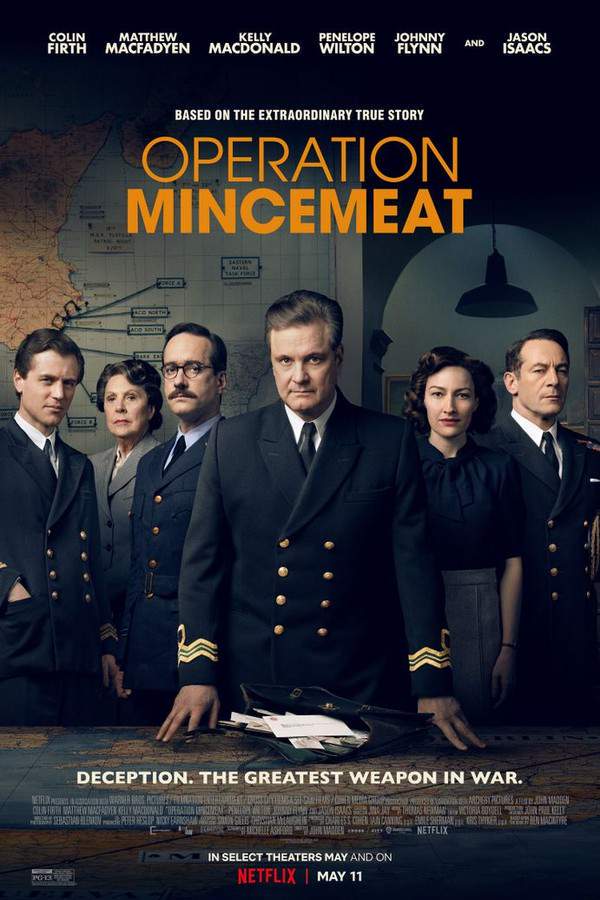
Methodical Wartime Mission Movies like The Flemish Farm

Stories of calculated courage and precise operations behind enemy lines. If you liked the steady, tense mission of The Flemish Farm, explore these movies about clandestine operations behind enemy lines. These films share a focus on careful planning, unwavering duty, and the quiet courage required for successful wartime missions.

  • tense
  • clandestine
  • methodical
  • dangerous
  • resolute
  • quiet
  • Tone: tense, resolute, somber
  • Pacing: steady, methodical
Why these movies?

The story pattern: The narrative follows a linear, goal-oriented structure. A mission is defined, a plan is meticulously crafted, and the protagonist must navigate a dangerous, controlled environment to achieve the objective. The drama stems from the constant threat of exposure and the methodical steps required for success.

Why they belong together: Movies in this thread share a specific focus on procedural wartime espionage. They are united by a tense atmosphere, a steady pacing that reflects careful planning, and a central character driven by a powerful sense of duty and honour.
Movies about Quiet Resolve like The Flemish Farm

Character-driven stories of determination in the face of constant danger. Fans of The Flemish Farm's portrayal of steadfast duty will appreciate these films. They feature protagonists who demonstrate quiet courage and determination under pressure, often in dangerous situations that require a steady hand and a strong will.

  • determined
  • resolute
  • somber
  • tense
  • quiet
  • duty
  • Tone: somber, determined, tense
  • Pacing: steady, character-driven
Why these movies?

The story pattern: The narrative arc focuses on a character's psychological journey as they confront a sustained threat or a difficult task. The conflict is as much about maintaining composure and commitment as it is about the external obstacles. The ending is often triumphant, affirming the power of resolve.

Why they belong together: These films are grouped by their shared mood: a somber yet determined atmosphere, medium intensity that builds from situational pressure, and a steady pacing that highlights character strength over frantic action. They explore themes of loyalty, survival, and personal honour.

If you liked this

Movies Like The Flemish Farm

Similar movies to The Flemish Farm: the same genre, themes or kind of story. Each one comes with its own plot summary, timeline and ending explained.

Browse all movie summaries

Every angle

The Flemish Farm (1943) Explained: Plot, Timeline & Characters

Everything about The Flemish Farm in one place: what happens in the plot summary, the timeline in chronological order, the characters and meaning and a spoiler-free summary. What's After the Movie adds the cast, box office and post-credit scenes.

Coming soon on iOS and Android

The Plot Explained Movie Summary App

Plot summaries, endings explained and timelines on your phone. Catch up on any movie in minutes, save your favorites and never miss a twist again.

Be the first to know when we launch. Your email stays private, always.

Learn more about the app