











Plot Explained Spoilers guaranteed!
Plot Explained

Browse by genre

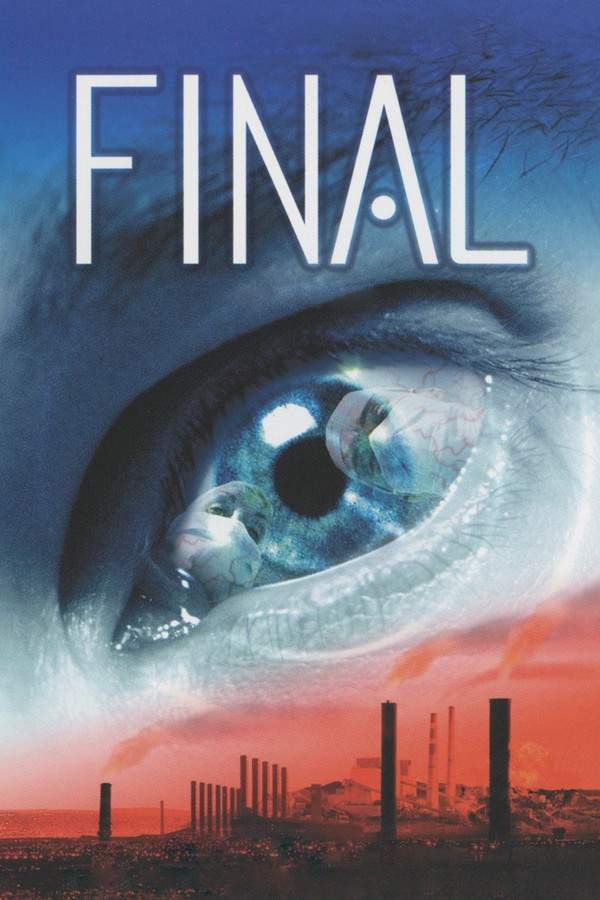
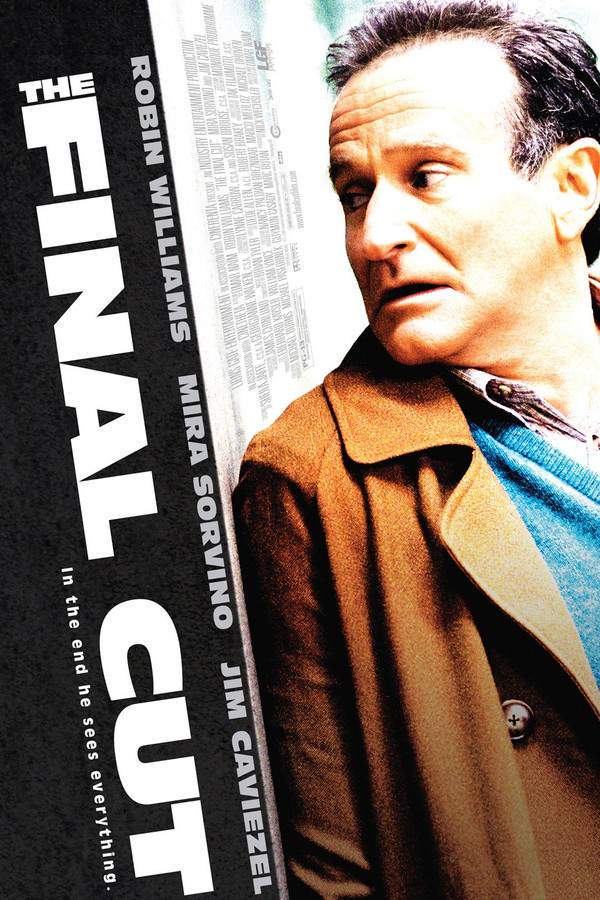
The Final Cut (2004) movie poster

Characters & Themes

The Final Cut (2004) Characters, Setting & Themes Explained

Release, runtime and language
2004 · 95 min · English
JustWatch #18,041 7
Directed by
Omar Naim
Starring
Robin Williams, James Caviezel, Mira Sorvino

In a future where memories can be digitized and altered, Alan Hakman, a skilled "cutter," grapples with his own complicated past while pursuing his passion for storytelling. Haunted by his history, Alan faces a moral dilemma when a tempting offer promises both financial reward and the potential to expose buried secrets. His quest for redemption becomes increasingly perilous as he confronts the dark truths about himself and the industry he works in.

On this page (8)
  1. 1 Where to watch
  2. 2 Characters explained (2)
  3. 3 Where & when it takes place
  4. 4 Themes & meaning (3)
  5. 5 Character & meaning questions
  6. 6 Movie threads
  7. 7 Movies like The Final Cut
  8. 8 Every angle

Where to watch

Where to Watch The Final Cut (2004)

Where can you watch The Final Cut? Stream, rent or buy it in the US, including on Fawesome, Kanopy and Tubi TV: current JustWatch availability with up-to-date prices.

Streaming availability powered by JustWatch

2 main characters · contains spoilers

The Final Cut Characters Explained: Who Is Who

The main characters of The Final Cut (2004), heroes and villains: what drives them, how they change over the course of the story and what each of them reveals about the film's bigger ideas.

  • Alan Hakman (Robin Williams)

    Alan Hakman is a complex character shaped by trauma and regret. His role as a video editor intertwines with his personal demons, compelling him to grapple with his past while navigating the ethical challenges of his job. Initially portrayed as cold, a deeper vulnerability emerges as he uncovers unsettling truths about his childhood.

    • 🎥 Cutter
    • 🧠 Memory
    • 💔 Tragedy
  • Activist

    The activist represents the moral opposition to Alan's work, embodying the fierce debate surrounding privacy and memory. Their confrontation with Alan escalates into a dramatic climax, revealing the lengths some will go to seek justice or truth. This character's actions drive the narrative forward, forcing decisions that resonate with ethical dilemmas.

    • ✊ Activism
    • ⚖️ Ethics

Last updated: October 22, 2024 at 20:11

Was this helpful?

Setting

Where and When Does The Final Cut Take Place?

The setting of The Final Cut (2004): the year and time period, the places and locations, and how they shape the characters, the mood and the tension of the story.

Time period

Futuristic Era

The movie is set in a futuristic era where technology profoundly influences society's perception of life and death. With the introduction of 'Zoe' chips, a new ethical dilemma arises regarding memory and privacy. This period highlights the consequences of technological advancements on personal relationships and identity.

Location

Abandoned Building

The abandoned building serves as a crucial backdrop for the childhood memory that haunts Alan Hakman. Known for its secluded and eerie ambiance, it becomes a symbol of loss and tragedy in his life. This setting instills a sense of nostalgia and dread, reflecting the darker aspects of memory.

  • 🏭 Location
  • 🌆 Futuristic Setting

Last updated: October 22, 2024 at 20:11

Was this helpful?

3 major themes

The Final Cut Meaning: Themes & Message Explained

What is The Final Cut (2004) really about? The emotional, social and philosophical themes the film keeps returning to, its symbolism and the message beneath the surface.

  • Memory

    Memory plays a central role in the narrative, questioning its reliability and significance. The use of the 'Zoe' chips alters the understanding of personal history, leading to ethical dilemmas about how memories are crafted and presented. Alan's journey reveals the pain and complexity of recollection and legacy.

  • Ethics

    The film delves into the ethical implications of editing memories for public consumption. Alan's job forces him to confront the morality of portraying lives in curated fashions, sparking debates on authenticity versus perception. This theme reverberates throughout the film, challenging the moral compass of both the characters and the audience.

  • Tragedy

    Tragedy permeates Alan's life, stemming from his childhood experience and culminating in a heartbreaking conclusion. The impact of his choices and the unforeseen consequences of his profession drive the narrative towards a tragic ending. This theme emphasizes the human cost of technological misuse and the inescapability of fate.

Last updated: October 22, 2024 at 20:11

Was this helpful?

Character & theme questions

The Final Cut Characters & Meaning: Your Questions Answered

The questions people ask about The Final Cut (2004): who the characters really are, their relationships, what the symbols mean, where it takes place and what the movie is really about. Each answer contains spoilers.

Q1

What kind of world does the movie take place in?

The movie is set in a futuristic era where memory digitization technology has become widespread. Society uses implantable 'Zoe' chips to record every moment of a person's life, creating a new relationship between memory, identity, and privacy. This world blends familiar urban environments with advanced technology that fundamentally alters how people relate to their own pasts.

  • future setting
  • zoe chips
  • memory technology
  • dystopian world
Q2

When is The Final Cut set?

The film takes place in a futuristic time period, though no specific year is given. The setting represents a world where technology has advanced enough to allow memories to be recorded, stored, and played back. This future is characterized by the normalization of invasive memory technology and the ethical debates surrounding it.

  • future era
  • time period
  • memory recording technology
Q3

What is the significance of the abandoned building in the story?

The abandoned building serves as the physical location of Alan Hakman's traumatic childhood memory. It represents a pivotal place of loss and tragedy that continues to haunt him throughout the film. This setting functions as a symbol of the past that cannot be escaped, reinforcing the movie's exploration of how memory shapes identity.

  • abandoned building
  • childhood memory
  • alan hakman past
Q4

What is the central theme of The Final Cut?

Memory is the central theme of the film, questioning its reliability and significance in defining identity. The movie explores how memories can be edited, curated, and even erased, raising concerns about authenticity and truth. Through Alan's journey, the film examines the emotional cost of manipulating personal histories and the ethical implications of a society that commodifies memory.

  • memory
  • identity
  • theme
  • truth
  • authenticity
Q5

What ethical questions does the movie raise about memory editing?

The film delves into the morality of editing memories for public consumption, questioning whether anyone has the right to curate another person's life story. Alan's profession as a 'cutter' forces him to decide what moments are worthy of preservation and what should be erased. This creates a tension between artistic perception and authentic representation, challenging viewers to consider who owns memory and truth.

  • ethics
  • memory editing
  • moral dilemma
  • authenticity
  • cutter
Q6

How does the movie explore tragedy and its consequences?

Tragedy permeates the narrative through Alan's traumatic childhood and the inevitable consequences of his choices. The film portrays how the pursuit of truth and redemption can lead to destruction, culminating in a heartbreaking conclusion. This theme emphasizes the human cost of technological misuse and the inescapable nature of past actions, resulting in a bleak commentary on the price of honesty in a controlled world.

  • tragedy
  • consequences
  • truth
  • redemption
  • sad ending
Q7

Who is Alan Hakman and what is his role in the story?

Alan Hakman is a skilled 'cutter', a video editor who specializes in compiling and editing the recorded memories of deceased people into final tributes. Haunted by his own buried childhood memories, Alan represents a man wrestling with his past while navigating the moral complexities of his profession. His journey involves uncovering hidden truths about himself while confronting the ethical dilemmas inherent in his work.

  • alan hakman
  • cutter
  • editor
  • protagonist
  • memory editor
Q8

What are Zoe chips in the movie?

Zoe chips are implantable devices that record every moment of a person's life, creating a comprehensive memory archive. This technology forms the backbone of the film's world, enabling the memory editing industry but also raising serious questions about privacy and consent. The chips represent both the promise of preserving legacy and the danger of having one's life subject to external manipulation.

  • zoe chips
  • memory implant
  • technology
  • privacy
  • recording device
Q9

What role does the activist play in the story?

The activist serves as the moral opposition to Alan's work and represents those who fight against the exploitation of private memories. This character embodies the broader debate about privacy rights and the ethics of memory technology. Their confrontation with Alan escalates the film's central conflict, forcing him to make decisions that have life-altering consequences.

  • activist
  • antagonist
  • moral opposition
  • privacy
  • conflict
Q10

What is the movie saying about technology and human memory?

The film presents a cautionary message about technology's capacity to invasively shape human experience. It suggests that while memory technology offers the ability to preserve and share life's moments, it also creates opportunities for exploitation and distortion. The movie warns against surrendering control over personal narratives to corporations or industries that may prioritize profit over truth.

  • technology
  • warning
  • memory
  • human experience
  • corporate control

Movie threads

More Movies Like The Final Cut, by Mood & Story

Curated lists built around what makes The Final Cut tick: the same mood, the same kind of story or the same emotional payoff. Each list explains why these movies belong together.

Dystopian Memory Tech Thrillers like The Final Cut

Stories that question the human cost of technology that controls our past. If you liked The Final Cut's exploration of memory manipulation, you'll find similar movies here. This thread gathers science fiction thrillers where advanced technology like surveillance, memory alteration, or mind control creates a morally complex and often terrifying world, forcing characters to confront dark truths.

  • thought-provoking
  • dystopian
  • suspenseful
  • paranoid
  • morally ambiguous
  • grim
  • Tone: dark, paranoid, morally ambiguous
  • Pacing: steady, methodical
Why these movies?

The story pattern: These narratives often follow a solitary professional or expert who becomes entangled in the dark side of the technology they work with. Their investigation uncovers a conspiracy or a deeply buried personal truth, leading to a crisis of conscience and a confrontation with a powerful, corrupt system. The journey is typically introspective and paranoid.

Why they belong together: They are grouped together by their shared foundation in a 'what if' technological premise that directly challenges concepts of truth and identity. The tone is consistently dark and suspenseful, driven by moral dilemmas rather than physical conflict, and they often conclude with bleak or tragic resolutions that underline their cautionary themes.

Movies with Haunted Protagonists like The Final Cut

Characters burdened by a traumatic past seek truth, only to find a tragic end. For viewers who appreciated the heavy emotional weight and tragic arc of Alan Hakman in The Final Cut. These films feature morally complex characters grappling with a dark past, whose search for redemption leads them into a dangerous and ultimately sorrowful confrontation with the truth.

  • melancholic
  • morally ambiguous
  • grim
  • tragic
  • suspenseful
  • psychological
  • Tone: melancholic, grim, tragic
  • Pacing: steady, character-driven
Why these movies?

The story pattern: The plot is a slow unraveling of a mystery intrinsically tied to the protagonist's own buried guilt or trauma. As they piece together the truth, they are forced to confront the worst parts of themselves or the people they trusted. The narrative structure is often a downward spiral, where each revelation increases the psychological burden rather than providing relief, leading to a climactic moment of tragic self-awareness or sacrifice.

Why they belong together: These films share a core character archetype: the skilled but broken individual on a psychologically intense and personally costly investigation. The experience is defined by a heavy, melancholic mood, a steady pacing that builds dread, and an emotionally devastating conclusion that offers little to no catharsis, leaving a lasting impression of sorrow.

If you liked this

Movies Like The Final Cut

Similar movies to The Final Cut: the same genre, themes or kind of story. Each one comes with its own plot summary, timeline and ending explained.

Browse all movie summaries

Every angle

The Final Cut (2004) Explained: Plot, Timeline & Characters

Everything about The Final Cut in one place: what happens in the plot summary, the timeline in chronological order, the characters and meaning and a spoiler-free summary. What's After the Movie adds the cast, box office and post-credit scenes.

Coming soon on iOS and Android

The Plot Explained Movie Summary App

Plot summaries, endings explained and timelines on your phone. Catch up on any movie in minutes, save your favorites and never miss a twist again.

Be the first to know when we launch. Your email stays private, always.

Learn more about the app