Plot Explained Spoilers guaranteed!
Plot Explained

Browse by genre

The Empire of Corpses (2015) movie poster

Characters & Themes

The Empire of Corpses (2015) Characters, Setting & Themes Explained

Release, runtime and language
2015 · 120 mins · Japanese
Directed by
Ryotaro Makihara
Starring
Kana Hanazawa, Ayumu Murase, Daiki Yamashita, Yoshimasa Hosoya, Taiten Kusunoki, Houko Kuwashima

In 19th century Europe, John Watson is recruited by the government to become a clandestine agent. He discovers a world where "Frankensteins"—reanimated corpses given a semblance of life—are employed as laborers to fuel industrial advancements. As Watson navigates his new role, he uncovers the dark implications of this unsettling practice and the potential consequences of humanity's ambition.

On this page (6)
  1. 1 Characters explained (14)
  2. 2 Where & when it takes place
  3. 3 Themes & meaning (3)
  4. 4 Character & meaning questions
  5. 5 Movie threads
  6. 6 Every angle

14 main characters · contains spoilers

The Empire of Corpses Characters Explained: Who Is Who

The main characters of The Empire of Corpses (2015), heroes and villains: what drives them, how they change over the course of the story and what each of them reveals about the film's bigger ideas.

  • Hadaly Lilith (Kana Hanazawa)

    An artificial lifeform who can influence corpses through sound and possesses a longing for a true soul. Her loyalty wavers between Watson’s mission and her own survival, making her a pivotal force in the ethical debates surrounding the Necroware project.

    • 🤖 Artificial Intelligence
    • 🗣️ Voice & Autonomy
    • 🧭 Soul Quest
  • Friday (Ayumu Murase)

    Watson’s resurrected friend whose restored memories bring both hope and danger. His revived existence is haunted by violence and instability, challenging Watson to balance restoration with safety.

    • 🧠 Memory
    • 🧨 Violence
    • 🕊️ Identity
  • Nikolai Krasotkin (Daiki Yamashita)

    A Russian corpse engineer whose upgrade is forcibly performed, illustrating the coercive power behind necro-technology. His fate underscores the cost of advancement and the fragility of loyalty.

    • 🧭 Frontier
    • 🧪 Technology
    • 🧩 Loyalty
  • John H. Watson (Yoshimasa Hosoya)

    A medical student and aspiring corpse engineer who pushes into forbidden science. His brilliance comes with moral complexity, driving the plot while testing the boundaries between discovery and danger.

    • 🧠 Science
    • 🕯️ Morality
    • 🧬 Innovation
  • Frederick Barnaby (Frederick Barnaby) (Taiten Kusunoki)

    Captain and loyal bodyguard, steadfast and protective. He anchors the group with practical judgment and steadiness amid escalating peril.

    • 🛡️ Loyalty
    • 🗺️ Leadership
    • ⚔️ Courage
  • M (Akio Otsuka)

    Shadowy British Secret Service figure who seeks The Memorandum to weaponize Frankenstein’s work. His manipulation and strategic mind push the plot toward an ethics-tinted war for control of knowledge.

    • 🕵️ Power
    • 🧭 Strategy
    • 🔒 Secrecy
  • Ulysses Grant (Koji Ishii)

    Former U.S. President and political figure whose ally Hadaly becomes entwined with high-level geopolitics. His faction’s actions shape the international stakes of the necro-reanimation era.

    • 🏛️ Politics
    • 🕊️ Diplomacy
    • 🌐 Global Influence
  • Alexei Karamazov (Shin-ichiro Miki)

    A Russian corpse engineer hiding in Kabul with fragments of forbidden research. His intellect and secrets drive crucial turns in the search for The Memorandum.

    • 🧠 Genius
    • 🗝️ Secrets
    • 🧭 Hidden Knowledge
  • Seigo Yamazawa (Jiro Saito)

    An Imperial Japanese Army officer who joins the mission, representing the shifting alliances across the globe in this necro-ruled world.

    • 🎖️ Military
    • 🗺️ Alliance
    • 🧭 Strategy
  • Sherlock Holmes (Yoshimitsu Takasugi)

    Appears in a post-credits sequence, hinting at future investigations and the ongoing struggle between intellect and power in a world where minds can be merged.

    • 🕵️ Detective
    • 🧠 Intellect
    • 🔮 Foreshadowing
  • The One (Takayuki Sugo)

    Frankenstein’s original creation, now more intelligent than ever, who seeks to fuse primordial minds into a single, true human consciousness.

    • 🧠 Mastery
    • 🕳️ Power
    • 🌌 Collective Mind
  • Thomas Edison (Kouji Takeda)

    Inventor figure tied to rapid technological progress and the mechanization of thought. He embodies the era’s faith in science to solve humanity’s limits.

    • 💡 Invention
    • 🧪 Innovation
    • 🧭 Progress
  • Moneypenny (Houko Kuwashima)

    A secretary-like figure operating in the shadows of power, contributing to the web of political intrigue surrounding The Memorandum.

    • 🗝️ Shadow Role
    • 🧭 Influence
    • 🧩 Intrigue
  • Narrator (Issei Futamata)

    Provides framing for the epic voyage and the moral questions at the heart of resurrecting life and mind.

    • 🎙️ Narration
    • 🧭 Framing
    • 🗺️ Overview

Last updated: October 03, 2025 at 06:27

Was this helpful?

Setting

Where and When Does The Empire of Corpses Take Place?

The setting of The Empire of Corpses (2015): the year and time period, the places and locations, and how they shape the characters, the mood and the tension of the story.

Time period

18th–19th centuries

The story begins in an alternate 18th-century Britain where reanimation experiments redefine life and death. By the 19th century, corpses power a labor force and are integrated with mechanized thought through the Analytical Engine. The plot traces a global chase—from Kabul to Tokyo to San Francisco—before a climactic struggle over soul, autonomy, and forbidden knowledge.

Location

Britain, Kabul, Khyber Pass, Tokyo, San Francisco, Tower of London, Traitors' Gate, USS Richmond

The narrative unfolds in an alternate 18th-century Britain where controversial necro-science reshapes labor and society. Frontier zones appear in Kabul and the Khyber Pass as corpses are upgraded and tested against human sovereignty. Key hubs span Tokyo and San Francisco, with the Tower of London and Traitors' Gate underscoring high-stakes politics while the USS Richmond carries the protagonists across oceans.

  • 🗺️ Alternate History
  • 🧪 Science Fiction
  • 🏰 British Empire
  • ⚓ Naval Frontier

Last updated: October 03, 2025 at 06:27

Was this helpful?

3 major themes

The Empire of Corpses Meaning: Themes & Message Explained

What is The Empire of Corpses (2015) really about? The emotional, social and philosophical themes the film keeps returning to, its symbolism and the message beneath the surface.

  • Reanimation

    A controversial science pushes the boundaries of life and death through Necroware and revived beings. The work prompts questions about whether a programmed soul can be truly autonomous or merely a tool. As memories and personalities surface, the line between creator and creation becomes ethically fraught.

  • Consciousness

    Consciousness is treated as a process shaped by memory, sound, and control. Upgraded corpses exhibit limited but real thought and emotion, challenging notions of agency. The pursuit of a true soul—Hadaly’s longing—drives personal and political conflict, culminating in a struggle over identity.

  • Empire & Frontiers

    The empire extends into scientific frontiers and contested regions, from Britain to Kabul to Tokyo. The plot pits state power against individual autonomy and the ethics of using corpses as labor and weapons. Technological leaps like the Analytical Engine reframe labor, warfare, and governance across continents.

Last updated: October 03, 2025 at 06:27

Was this helpful?

Character & theme questions

The Empire of Corpses Characters & Meaning: Your Questions Answered

The questions people ask about The Empire of Corpses (2015): who the characters really are, their relationships, what the symbols mean, where it takes place and what the movie is really about. Each answer contains spoilers.

Q1

Where is The Empire of Corpses set?

The movie takes place in an alternate 18th-century Britain that has embraced necro-science, along with frontier zones in Kabul and the Khyber Pass where corpses are tested. Key locations include Tokyo, San Francisco, the Tower of London, and Traitors' Gate, with the USS Richmond transporting characters across oceans during their global chase.

  • alternate history britain
  • kabul
  • tokyo
  • tower of london
  • setting
Q2

When does the story take place?

The narrative begins in an alternate 18th-century Britain and extends into the 19th century, where reanimated corpses power industrial labor through integration with the Analytical Engine. This time period frames the tension between Victorian-era society and the advanced but morally questionable necro-technology.

  • 18th century
  • 19th century
  • alternate history
  • victorian era
Q3

What are the Frankensteins in this movie?

The Frankensteins are reanimated corpses given a semblance of life through necro-science. They serve as a labor force powering industrial advancements in this alternate history. While they exhibit limited thought and emotion, questions arise about whether they possess genuine autonomy or are merely programmed tools.

  • reanimated corpses
  • frankensteins
  • necroware
  • undead labor
Q4

Who is Hadaly Lilith?

Hadaly Lilith is an artificial lifeform who can influence corpses through sound. She possesses a deep longing for a true soul, making her central to the movie's exploration of consciousness and identity. Her loyalty wavers between John Watson's mission and her own survival, positioning her as a pivotal figure in the ethical debates surrounding the Necroware project.

  • hadaly lilith
  • artificial lifeform
  • consciousness
  • soul
Q5

Who is The One?

The One is Frankenstein's original creation, now more intelligent than ever. He seeks to fuse primordial minds into a single, true human consciousness, representing the ultimate philosophical threat in the movie. This character embodies the question of whether merged intelligence equals a genuine soul.

  • the one
  • frankenstein
  • merged minds
  • consciousness
Q6

What are the main themes of The Empire of Corpses?

The movie explores three core themes: Reanimation (the ethics of bringing the dead back to life), Consciousness (questions about whether programmed souls can truly be autonomous), and Empire & Frontiers (the tension between state power and individual autonomy in a necro-ruled world). These themes interconnect through the characters' struggles with identity, power, and scientific ambition.

  • reanimation
  • consciousness
  • empire
  • autonomy
  • ethics
Q7

What is the Analytical Engine in the movie?

The Analytical Engine is a technological advancement that allows corpses to be integrated with mechanized thought, enabling the reanimated dead to perform complex labor. This fictional device represents the fusion of Victorian-era industrialism with speculative science fiction, reframing labor, warfare, and governance across the story's global setting.

  • analytical engine
  • mechanized thought
  • technology
  • victorian sci-fi
Q8

Who is M and what does he want?

M is a shadowy figure in the British Secret Service who seeks The Memorandum, a dangerous manuscript containing Frankenstein's work. His goal is to weaponize this knowledge for the British Empire, making him a key antagonist whose manipulation and strategic mind drive the plot toward an ethics-tinted war for control of forbidden scientific knowledge.

  • m
  • british secret service
  • the memorandum
  • antagonist
Q9

What does the movie say about consciousness?

The movie treats consciousness as a process shaped by memory, sound, and control. Upgraded corpses exhibit limited but real thought and emotion, challenging traditional notions of agency and identity. The pursuit of a true soul, particularly through Hadaly's longing, drives both personal and political conflict, culminating in a struggle over what truly constitutes identity and personhood.

  • consciousness
  • soul
  • identity
  • memory
  • agency
Q10

What does the Empire & Frontiers theme represent?

The Empire & Frontiers theme shows how the British Empire extends into scientific frontiers, from Britain to Kabul to Tokyo. The plot explores the conflict between state power and individual autonomy, particularly in the ethics of using corpses as labor and weapons. Technological leaps like the Analytical Engine reshape labor, warfare, and governance across continents, reflecting the movie's commentary on imperial ambition and scientific overreach.

  • british empire
  • frontiers
  • state power
  • autonomy
  • imperial ambition
Q11

What is The Memorandum in the story?

The Memorandum is a dangerous manuscript containing Frankenstein's forbidden research on reanimation and consciousness. Multiple factions seek it throughout the movie, M wants to weaponize it for Britain, while other characters search for it to prevent misuse. The race for The Memorandum drives much of the plot's action and raises ethical questions about who should control knowledge of creating life.

  • the memorandum
  • frankenstein
  • forbidden knowledge
  • manuscript
Q12

Who is John H. Watson in this movie?

John H. Watson is a medical student and aspiring corpse engineer who becomes a clandestine government agent. His brilliance in forbidden science drives the plot forward, while his moral complexity tests the boundaries between discovery and danger. Watson navigates the dark implications of necro-technology, making him the moral center of the story as he confronts the consequences of his scientific ambitions.

  • john watson
  • corpse engineer
  • protagonist
  • moral complexity

Movie threads

More Movies Like The Empire of Corpses, by Mood & Story

Curated lists built around what makes The Empire of Corpses tick: the same mood, the same kind of story or the same emotional payoff. Each list explains why these movies belong together.

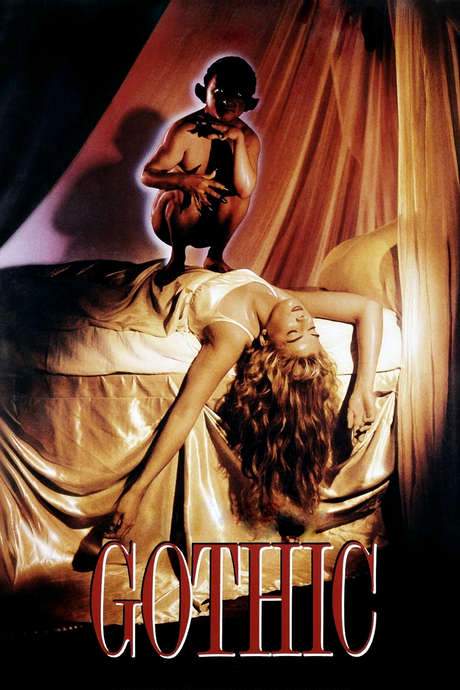
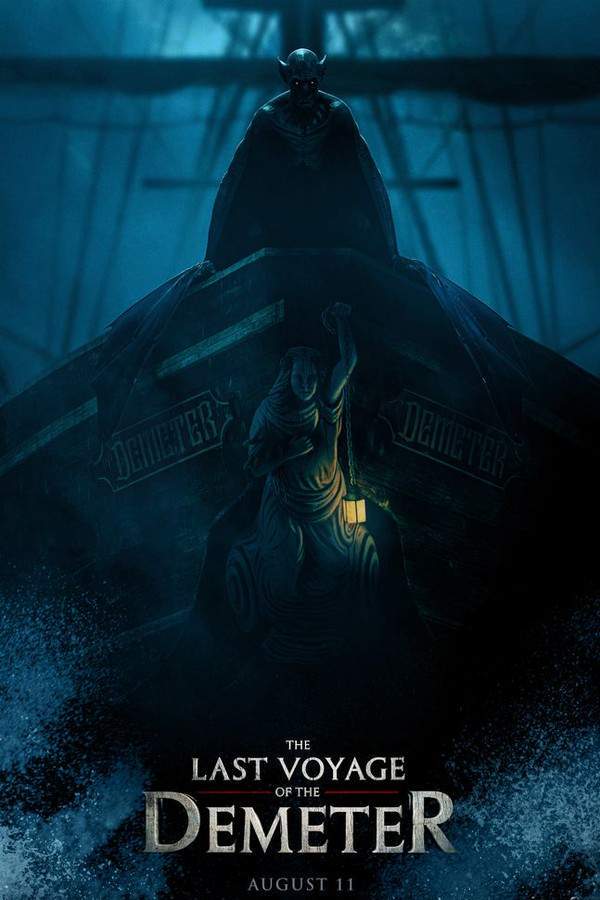
Gothic Sci-Fi Movies About Existential Dread Like The Empire of Corpses

Blending classic horror aesthetics with futuristic technology to question the soul. If you liked the blend of 19th-century gothic horror and science fiction in The Empire of Corpses, explore more movies that use a dark, atmospheric setting to pose profound questions about life, death, and creation. These stories often feature reanimation, dangerous experiments, and a heavy, philosophical mood.

  • atmospheric
  • gothic
  • philosophical
  • uncanny
  • melancholic
  • suspenseful
  • Tone: dark, philosophical, grim
  • Pacing: fast, suspenseful
Why these movies?

The story pattern: Narratives in this thread typically follow a protagonist uncovering a dark scientific secret or conspiracy. The journey is one of revelation, where the initial intrigue gives way to a profound confrontation with the ethical horrors and existential threats unleashed by forbidden knowledge. The plot often involves a race against time to contain a creation that challenges the very definition of life.

Why they belong together: Movies are grouped here for their unique fusion of a gothic or period horror atmosphere with science fiction concepts. They share a dark, melancholic tone, a focus on philosophical themes like the soul and identity, and a high-intensity plot that grapples with the consequences of technological overreach.
Fast-Paced Philosophical Thrillers Like The Empire of Corpses

Action-packed journeys that force characters to confront heavy moral questions. Fans of The Empire of Corpses who enjoyed its globe-trotting action and dense ethical dilemmas will find similar experiences here. These movies deliver suspense and high stakes while making you think deeply about their dark and complex themes, perfect for viewers who want thrills with intellectual weight.

  • suspenseful
  • thought-provoking
  • grim
  • fast-paced
  • action
  • complex
  • Tone: dark, suspenseful, thought-provoking
  • Pacing: fast, relentless
Why these movies?

The story pattern: Stories unfold at a rapid pace, with constant action, revelations, and shifting alliances. The protagonist is often an agent or investigator thrown into a conspiracy far larger than they imagined. The external conflict is mirrored by an internal one, as the character's mission becomes a personal crucible, forcing them to make difficult moral choices with far-reaching consequences.

Why they belong together: These films are connected by their unique balance of a fast, high-intensity plot with a heavy, philosophical core. They maintain a dark tone and complex narrative structure, ensuring the action feels purposeful and the ending often carries a bittersweet or morally ambiguous weight.

Every angle

The Empire of Corpses (2015) Explained: Plot, Timeline & Characters

Everything about The Empire of Corpses in one place: what happens in the plot summary, the timeline in chronological order, the characters and meaning and a spoiler-free summary. What's After the Movie adds the cast, box office and post-credit scenes.

Coming soon on iOS and Android

The Plot Explained Movie Summary App

Plot summaries, endings explained and timelines on your phone. Catch up on any movie in minutes, save your favorites and never miss a twist again.

Be the first to know when we launch. Your email stays private, always.

Learn more about the app