Plot Explained Spoilers guaranteed!
Plot Explained

Browse by genre

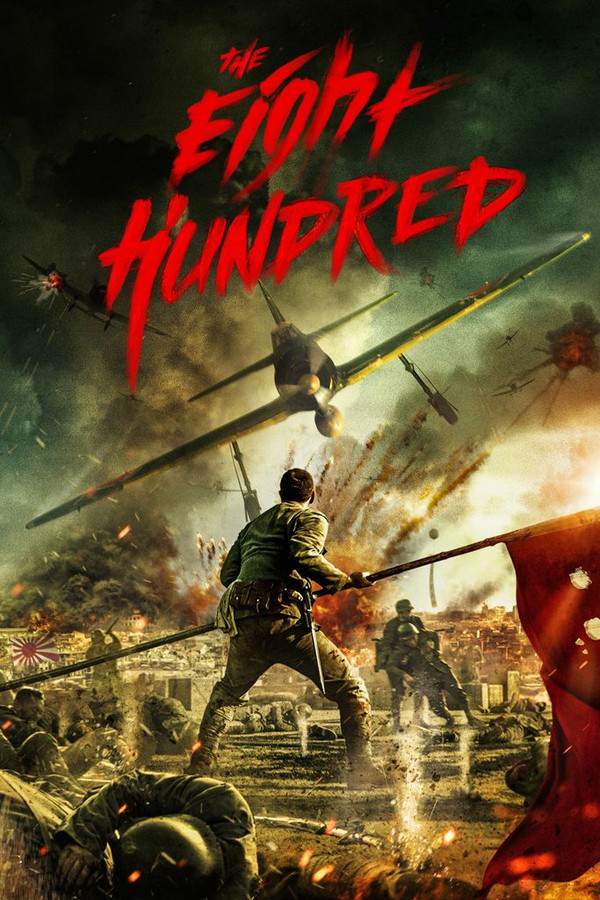
The Eight Hundred (2020) movie poster

Plot Summary

The Eight Hundred (2020) Plot Summary Explained

Release, runtime and language
2020 · 149 min · Chinese
Echo score 83
Loading streaming availability…
Directed by
Hu Guan
Starring
Zhi-zhong Huang, Qianyuan Wang, Hao Ou, Yi Zhang, Wu Jiang, Cheng Zhang
Budget
$80M

In 1937, as Japanese forces advance on China, a group of soldiers and Chinese civilians find themselves trapped inside a warehouse in Shanghai. Surrounded by the enemy, these men make a courageous last stand, fighting to defend their city and determined to survive against overwhelming odds. Their desperate resistance lasts for four intense days, becoming a symbol of hope and resilience in the face of invasion.

On this page (6)
  1. 1 Where to watch
  2. 2 What happens: full plot
  3. 3 Plot questions answered
  4. 4 Movie threads
  5. 5 Movies like The Eight Hundred
  6. 6 Every angle
Loading streaming availability…

Full plot summary · contains spoilers

What Happens in The Eight Hundred: Full Plot Summary

The whole story of The Eight Hundred (2020) explained, from the opening scene to the final frame: every key event, every twist and what it all adds up to. Read it as a quick recap before the sequel, to check a scene you missed, or to finally understand what really happened.

As the Second Sino-Japanese War and World War II unfolded, the Imperial Japanese Army launched a savage invasion of Shanghai, marking a pivotal moment that would shift the course of the conflict. The brave Chinese troops managed to fend off the invaders for over three months, yet ultimately, they faced overwhelming casualties and were compelled to withdraw under the imminent threat of encirclement. In this grim scenario, Lieutenant Colonel Xie Jinyuan, a dedicated leader of the 524th Regiment within the inadequately supplied 88th Division of the National Revolutionary Army, resolved to make a courageous stand.

Determined to hold the Sihang Warehouse against the formidable 3rd Imperial Japanese Division, which boasted around 20,000 soldiers, Colonel Xie’s audacious decision was fueled by an order from Generalissimo Chiang Kai-shek. This order aimed to uplift the spirits of the Chinese populace, especially following the recent devastating losses in regions like Beijing and Shanghai. Colonel Xie's stand was not merely a tactical military maneuver; it was a powerful symbol of resistance that would rally support from Western onlookers observing the battle from the International Settlement across Suzhou Creek.

This remarkable chapter in history exemplified not only the valor and tenacity of the Chinese forces but also illuminated a beacon of hope for those opposing tyranny. As the world watched this monumental confrontation, the repercussions of this battles would ripple through time, significantly altering the trajectory of the war and the destinies of nations involved.

Last updated: November 22, 2024 at 14:15

Was this helpful?

Plot questions answered

The Eight Hundred Plot Explained: Your Questions Answered

The questions people ask most about The Eight Hundred (2020): what happens in the confusing scenes, why the characters do what they do, the twists, hidden details and what the ending means. Each answer contains spoilers.

Q1

Why did Colonel Xie Jinyuan decide to hold the Sihang Warehouse against the Japanese?

Colonel Xie Jinyuan made the deliberate decision to hold the Sihang Warehouse because he received explicit orders from Generalissimo Chiang Kai-shek to make a stand. Despite being outnumbered by the Japanese 3rd Division (approximately 20,000 soldiers), Xie led his 524th Regiment in a courageous defense. His motivation was not purely military, it was also symbolic, intended to demonstrate Chinese resistance and lift civilian morale following devastating losses in Beijing and Shanghai.

Foreshadowing: The earlier Chinese withdrawal under threat of encirclement set the context for this desperate last stand.

  • colonel xie jinyuan
  • sihang warehouse
  • 524th regiment
  • chinese resistance
Q2

Why did Chiang Kai-shek order this stand at Sihang Warehouse?

Generalissimo Chiang Kai-shek ordered the defense of Sihang Warehouse specifically to boost Chinese morale after the devastating losses in Beijing and Shanghai. The stand was designed as a propaganda victory, a visible demonstration of Chinese defiance against Japanese aggression that could rally the population and potentially gain international sympathy from Western observers watching from the nearby International Settlement.

  • chiang kai-shek
  • order
  • morale
  • propaganda
  • chinese army
Q3

What was the significance of the International Settlement during the battle?

The International Settlement was a foreign-controlled area in Shanghai located across Suzhou Creek from Sihang Warehouse. Western onlookers observed the battle from this safe distance, which added international visibility to the conflict. Chiang Kai-shek's strategic decision to order the stand was partly calculated to attract Western attention and support, making the defense a deliberate performance of resistance for an international audience.

  • international settlement
  • suzhou creek
  • western observers
  • shanghai
Q4

How did the defense of Sihang Warehouse become a symbol of resistance?

The four-day stand at Sihang Warehouse became a powerful symbol of Chinese resistance because a small, inadequately supplied force chose to fight against overwhelming odds rather than retreat or surrender. Their courage in the face of the 20,000-strong Japanese division demonstrated unprecedented defiance, inspiring Chinese civilians and soldiers alike. The battle transformed from a tactical military engagement into a rallying cry against Japanese invasion.

  • symbol of resistance
  • morale
  • chinese people
  • invasion
Q5

What was the outcome of the four-day defense at Sihang Warehouse?

After four intense days of fighting, the Chinese forces at Sihang Warehouse were compelled to withdraw as the Japanese threat of encirclement became imminent. While tactically the warehouse could not be held indefinitely against such overwhelming force, the stand achieved its symbolic purpose, it became a beacon of hope and demonstrated that Chinese resistance continued despite major battlefield losses in Shanghai.

  • four days
  • outcome
  • withdrawal
  • encirclement
  • casualties
Q6

Why was the Sihang Warehouse battle important to China's war effort?

The battle at Sihang Warehouse was important because it occurred during a period of major Chinese defeats, providing a rare symbolic victory. Although militarily it was a small engagement, it significantly boosted domestic morale and drew international attention to Japan's aggression in China. The battle's legacy rippled through the war, influencing military strategies and reinforcing the determination of Chinese forces to continue resisting invasion.

  • china war effort
  • military strategy
  • international attention
  • legacy
Q7

How did the Japanese forces overwhelm the Chinese defenders at Sihang Warehouse?

The Imperial Japanese Army's 3rd Division, numbering approximately 20,000 well-equipped soldiers, vastly outmatched the Chinese 524th Regiment. Despite the Chinese troops' valiant resistance for over three months during the broader Shanghai campaign, the Japanese sheer numerical advantage and firepower eventually forced the Chinese to withdraw under threat of encirclement. The defenders at Sihang Warehouse faced impossible odds with inadequate supplies.

Foreshadowing: The timeline shows Chinese forces suffered heavy casualties before reaching this final stand.

  • japanese 3rd division
  • 20000 soldiers
  • numerical advantage
  • chinese casualties
Q8

Why was the location of Sihang Warehouse strategically important?

Sihang Warehouse was strategically significant because it sat near Suzhou Creek, directly opposite the International Settlement in Shanghai. This positioning allowed the battle to be visible to Western onlookers, which was precisely why Chiang Kai-shek ordered the defense, to create an internationally observable act of resistance. The warehouse itself offered a defensible structure within an otherwise untenable position.

  • sihang warehouse location
  • suzhou creek
  • strategic position
  • international visibility

Movie threads

More Movies Like The Eight Hundred, by Mood & Story

Curated lists built around what makes The Eight Hundred tick: the same mood, the same kind of story or the same emotional payoff. Each list explains why these movies belong together.

Heroic Last Stand Movies like The Eight Hundred

Stories of small groups valiantly defending a final position from a relentless enemy. If you enjoyed the desperate defense in The Eight Hundred, explore other movies featuring heroic last stands. These tense war and action films focus on small groups making a final, valiant stand against overwhelming forces, blending intense combat with powerful themes of sacrifice and resilience.

  • tense
  • desperate
  • heroic
  • claustrophobic
  • grim
  • anxious
  • Tone: tense, grim, heroic
  • Pacing: fast, urgent
Why these movies?

The story pattern: The narrative follows a linear, high-stakes survival structure. Characters are typically trapped or choose to defend a specific, strategically important location. The plot unfolds over a compressed timeframe, building relentless tension as resources dwindle and enemy pressure mounts, culminating in a final, defining battle that carries immense symbolic or strategic importance.

Why they belong together: Movies in this thread are united by their core plot mechanic of a desperate defense. They share a consistently high intensity, a tense and often claustrophobic tone, and a fast or steady pacing that reflects the urgency of the situation. The emotional journey is heavy, focusing on sacrifice, camaraderie, and the high cost of resistance.
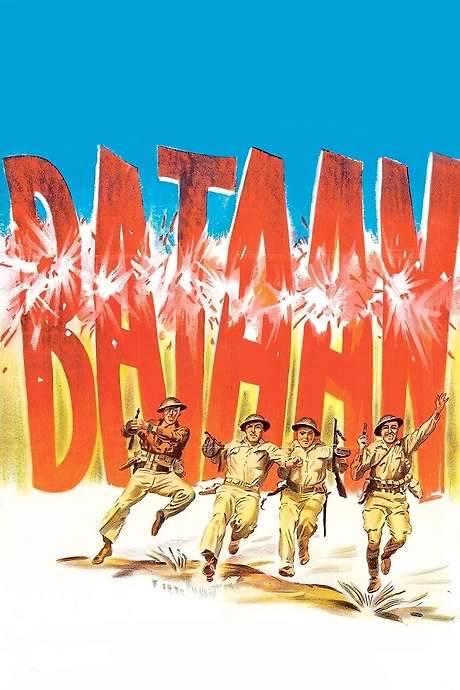
Bittersweet War Movies like The Eight Hundred

War epics where symbolic victory is achieved through profound personal loss. If you appreciated the poignant ending of The Eight Hundred, you'll find similar emotional depth in these bittersweet war films. These stories balance heroic struggle with the harsh realities of conflict, often ending with a meaningful but costly victory that honors sacrifice while acknowledging tragedy.

  • bittersweet
  • hopeful
  • tragic
  • heroic
  • somber
  • uplifting
  • Tone: bittersweet, heavy, hopeful
  • Pacing: steady, epic
Why these movies?

The story pattern: The narrative journey typically involves a group striving for a goal against impossible odds. Their struggle becomes symbolically important, inspiring others or achieving a greater strategic purpose. However, the path to this symbolic victory is paved with devastating losses for the central characters, resulting in an ending that feels both uplifting and heartbreaking.

Why they belong together: These films are grouped by their distinctive emotional conclusion: a bittersweet ending feel. They share a heavy emotional weight, often stemming from themes of national pride, sacrifice, and the personal cost of war. The tone balances grim realism with undercurrents of hope, creating a complex and resonant viewing experience.

If you liked this

Movies Like The Eight Hundred

Similar movies to The Eight Hundred: the same genre, themes or kind of story. Each one comes with its own plot summary, timeline and ending explained.

Browse all movie summaries

Every angle

The Eight Hundred (2020) Explained: Plot, Timeline & Characters

Everything about The Eight Hundred in one place: what happens in the plot summary, the timeline in chronological order, the characters and meaning and a spoiler-free summary. What's After the Movie adds the cast, box office and post-credit scenes.

Coming soon on iOS and Android

The Plot Explained Movie Summary App

Plot summaries, endings explained and timelines on your phone. Catch up on any movie in minutes, save your favorites and never miss a twist again.

Be the first to know when we launch. Your email stays private, always.

Learn more about the app