Plot Explained Spoilers guaranteed!
Plot Explained

Browse by genre

The Diam Diam Era (2020) movie poster

Timeline

The Diam Diam Era (2020) Timeline Explained – Every Event in Order

Release, runtime and language
2020 · 110 mins · Chinese
Loading streaming availability…
Directed by
Jack Neo
Starring
Mark Lee, Henry Thia, Wang Lei, Suhaimi Yusof, Richie Koh, Tasha Low

This film series follows the Lim family, continuing the story begun long ago. Tensions rise between Ah Kun and his nephew Shun Fa, highlighting a generational divide. The narrative explores differing perspectives on nation-building policies enacted from the 1980s to the present day, showcasing the reactions of those born in the 1950s and subsequent generations.

On this page (5)
  1. 1 Where to watch
  2. 2 Events in order (12)
  3. 3 Timeline questions answered
  4. 4 Movie threads
  5. 5 Every angle
Loading streaming availability…

12 events in order · contains spoilers

The Diam Diam Era Timeline: Events in Chronological Order

Every key event of The Diam Diam Era (2020) in order, scene by scene, with when and where it takes place. Use it to untangle flashbacks, time jumps and parallel storylines, to refresh your memory before the sequel or to find the exact scene you are thinking of.

  1. Ah Kun forms a new opposition party

    Lim Ah Kun, dissatisfied with government policies, decides to form a new opposition party after being rejected to join Liu Shun Zhong's party in the previous film. He weighs the risks and challenges of starting a political movement from scratch. The decision marks the beginning of a high-stakes effort to reshape local politics in Toa Payoh.

    When
    1988
    Where
    Toa Payoh, Singapore
  2. Team-up with Osman and Shamugam

    Ah Kun teams up with Osman Bin Yusuf, a nasi lemak seller, and Shamugam S/O Vellasami, Lim Ah Hee's father-in-law and a former hawker inspector and People's Association officer. Together they form the C.M.I. party, signaling an attempt to unify Chinese, Malay, and Indian communities. The partnership sets the tone for a cross-cultural electoral bid.

    When
    1988
    Where
    Toa Payoh, Singapore
  3. Formation of the C.M.I. party

    The trio formalizes the C.M.I. party, naming it as a symbol of multi-ethnic cooperation. They draft a broad platform that emphasizes community participation and grassroots campaigning. The party's identity becomes a central talking point in the race.

    When
    1988
    Where
    Toa Payoh, Singapore
  4. C.M.I. announces candidacy in Gim Wang GRC

    They announce their candidacy in the Gim Wang GRC, the rebranded Toa Payoh GRC where Ah Kun lives. Local residents respond with curiosity and cautious optimism. The announcement elevates the new alliance to a high-profile stage of the election.

    When
    1988
    Where
    Gim Wang GRC (Toa Payoh), Singapore
  5. Campaign kick-off and rallies

    Campaigns heat up with rallies, door-to-door outreach, and public debates as the C.M.I. seeks to sway voters. Ah Kun and his allies push for change while facing skepticism from established parties. The Toa Payoh community becomes a crowded arena of ideas, loyalties, and competing promises.

    When
    1988
    Where
    Toa Payoh, Singapore
  6. Families drawn into the campaign

    As campaigning intensifies, Ah Kun's and Zhao Di's families find themselves pulled into the political fervor. Daily routines are interrupted by rallies, posters, and neighborhood discussions about policy. The personal stakes of politics become clear as family life intertwines with public life.

    When
    1988
    Where
    Toa Payoh, Singapore
  7. Will Shun Fa and Yong Xin reconcile?

    Will Shun Fa and Yong Xin resolve their differences amid the campaign's pressure? Their relationship is tested as political strategy and personal loyalties collide. Their choices could alter alliances and influence the race's outcome.

    When
    1988
    Where
    Campaign events across Toa Payoh, Singapore
  8. Ah Kun seeks new strategies

    Ah Kun contemplates new strategies to garner support, exploring novel outreach methods and sharper messages. He aims to translate slogans into tangible benefits for residents. The search for an effective approach highlights the difficulties of turning public sentiment into votes.

    When
    1988
    Where
    Toa Payoh, Singapore
  9. Fervor sweeps families deeper into the campaign

    The fervor of campaigning sweeps Ah Kun’s and Zhao Di's families even deeper, pulling them into late-night meetings and public events. Personal lives are rearranged by campaign schedules, expectations, and the stress of public scrutiny. The film shows how a political race touches every corner of a family.

    When
    1988
    Where
    Toa Payoh, Singapore
  10. Final election push

    With election day looming, the team intensifies its final push, staging last-minute rallies and canvassing late into the night. They weigh whether their multi-ethnic platform can win over a wary electorate. The air is thick with anticipation, hope, and the fear of an uncertain result.

    When
    1988
    Where
    Toa Payoh, Singapore
  11. Election day arrives

    Election day arrives across Singapore, including Gim Wang GRC, as supporters rally and ballots are cast. The result remains uncertain as vote counts begin and momentum sways. The community watches closely to see if Ah Kun, Osman, and Shamugam can translate hard work into victory.

    When
    1988
    Where
    Singapore
  12. Uncertain outcome and afterglow

    The film closes on the question of victory, leaving the outcome unresolved. The campaign's impact lingers in the families' lives and the neighborhood, suggesting political change is possible but not guaranteed. Viewers are invited to reflect on the real-world implications of grassroots opposition.

    When
    1988
    Where
    Toa Payoh, Singapore

Last updated: March 05, 2026 at 18:39

Was this helpful?

Timeline questions answered

The Diam Diam Era Timeline Explained: Your Questions Answered

When does it happen, and why in that order? The questions people ask about the chronology of The Diam Diam Era (2020): time jumps, flashbacks, cause and effect between scenes and the correct order of events, each answered with spoilers.

Q1

Why does Ah Kun decide to form his own opposition party instead of joining Liu Shun Zhong's party?

Ah Kun forms his own party because he was rejected from joining Liu Shun Zhong's party in the previous film. After being turned away, he becomes disillusioned with existing opposition options and decides to create his own movement to challenge government policies directly.

  • ah kun
  • opposition party
  • liu shun zhong
  • rejection
  • political movement
Q2

What does C.M.I. stand for in the film and why was this name chosen?

C.M.I. stands for Chinese, Malay, and Indian, representing a multi-ethnic coalition. The name was chosen to symbolize unity across Singapore's major ethnic groups and to position the party as a cross-cultural alternative that appeals to all communities in Toa Payoh.

Foreshadowing: The party's multi-ethnic platform echoes earlier themes of community cooperation in the series.

  • cmi party
  • chinese malay indian
  • multi-ethnic
  • coalition
  • party name
Q3

Why does Ah Kun choose to contest in Gim Wang GRC specifically?

Ah Kun chooses Gim Wang GRC because it is the constituency where he lives - Block 128 Toa Payoh Lorong 1. Running in his own electoral district allows him to leverage his familiarity with the neighborhood and connect directly with residents who know him personally.

  • gim Wang grc
  • toa payoh
  • electoral district
  • hdb flat
  • block 128
Q4

Why do Osman and Shamugam agree to join Ah Kun's political campaign?

Osman Bin Yusuf, a nasi lemak seller, and Shamugam S/O Vellasami, a former hawker inspector and People's Association officer, join Ah Kun because they share his desire for political change. Shamugam is also the father-in-law of Ah Kun's younger brother Lim Ah Hee, giving the partnership a personal family connection.

  • osman
  • shamugam
  • partnership
  • political campaign
  • hawker inspector
Q5

What causes the conflict between Shun Fa and Yong Xin in the film?

Shun Fa and Yong Xin's relationship becomes strained as political strategy and personal loyalties collide during the campaign. Their differing perspectives on the opposition movement create tension, with the pressure of the election amplifying existing family and ideological disagreements.

Foreshadowing: Earlier interactions between the younger generation hint at their contrasting views on political participation.

  • shun fa
  • yong xin
  • relationship conflict
  • family tension
  • political disagreement
Q6

How do Ah Kun and Zhao Di's families become involved in the campaign?

As the campaign intensifies, both families are pulled deeper into the political whirlwind. Daily routines are disrupted by rallies, poster-hanging, neighborhood discussions, late-night meetings, and public events. The personal stakes of politics become intertwined with family life as everyone gets swept up in the electoral race.

  • families
  • campaign involvement
  • households
  • political fervor
  • election stress
Q7

Why is the 1988 general election significant in the film's narrative?

The 1988 general election serves as the critical backdrop for the entire story. It represents a pivotal moment in Singapore's political history when opposition movements were gaining momentum. The election creates the high-stakes environment that drives Ah Kun's decision to form his party and brings all the character conflicts to a head.

  • 1988 general election
  • singapore election
  • political history
  • opposition movement
Q8

Does Ah Kun win the election in Gim Wang GRC?

The film leaves the election outcome uncertain, closing with the question of victory unresolved. The final scenes show the campaign's impact lingering in the families' lives and the neighborhood, suggesting that political change is possible but not guaranteed. Viewers are left to contemplate the real-world implications of grassroots opposition.

  • election result
  • victory
  • uncertain outcome
  • grassroots opposition
Q9

How does the film explore the generational divide between Ah Kun and Shun Fa?

The film highlights the generational divide through contrasting perspectives on nation-building policies. Ah Kun, born in the 1950s, represents older voters who have experienced decades of government policies firsthand. Shun Fa represents younger generations with different outlooks on political participation and national development.

  • generational divide
  • ah kun
  • shun fa
  • 1950s generation
  • nation-building policies
Q10

What motivates Ah Kun to enter politics and challenge the government?

Ah Kun's political motivation stems from growing disillusionment with government policies. After being rejected from joining Liu Shun Zhong's party, he decides that forming his own opposition movement is necessary to voice his concerns and push for change from within the electoral system.

  • ah kun political motivation
  • disillusionment
  • government policies
  • political challenge

Movie threads

More Movies Like The Diam Diam Era, by Mood & Story

Curated lists built around what makes The Diam Diam Era tick: the same mood, the same kind of story or the same emotional payoff. Each list explains why these movies belong together.

Political Family Dramas like The Diam Diam Era

When political loyalties split families and ideological rifts run deep. If you liked the tense family dynamics and political conflict in The Diam Diam Era, explore these movies where personal relationships are tested by the high stakes of the political world. Discover similar stories of generational rifts, grassroots movements, and the struggle to reconcile family loyalty with political conviction.

  • political tension
  • family conflict
  • ideological clash
  • generational divide
  • tense
  • frustrated
  • Tone: tense, divided, frustrated
  • Pacing: fast, driven
Why these movies?

The story pattern: These narratives typically follow a family unit where members hold opposing political views, often representing older and younger generations. The plot is driven by an impending political event, like an election, which escalates domestic tensions into a full-blown crisis. The central conflict explores whether familial love can survive ideological differences.

Why they belong together: They are grouped by their core conflict: the collision of the deeply personal (family) with the highly public (politics). Shared elements include tense atmospheres, fast pacing driven by electoral timelines, and a focus on the emotional toll of ideological warfare within a home.
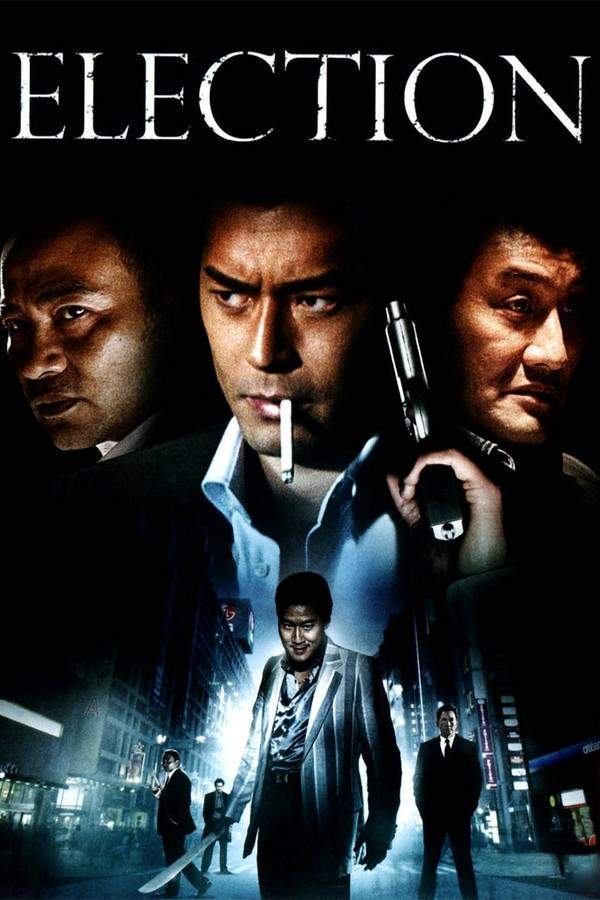
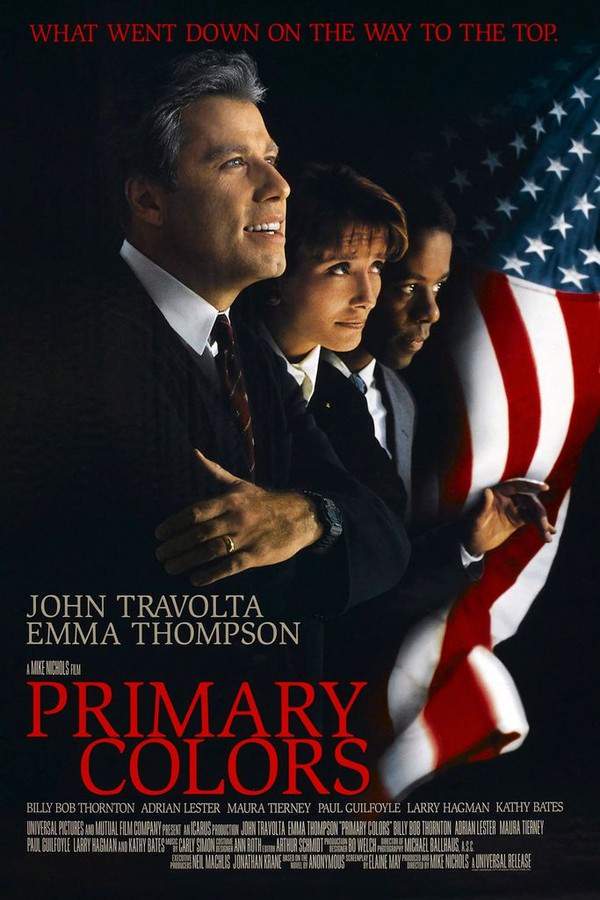
Tense Grassroots Political Dramas like The Diam Diam Era

High-stakes stories of ordinary people challenging the political establishment. Looking for more movies with the tense energy of The Diam Diam Era? This collection features gripping stories about grassroots opposition, intense election campaigns, and the personal cost of challenging the status quo. Find films that capture the high-stakes world of political underdogs.

  • grassroots politics
  • election drama
  • tense
  • underdog story
  • high stakes
  • determined
  • Tone: tense, uncertain, determined
  • Pacing: fast, urgent
Why these movies?

The story pattern: The narrative follows underdog protagonists as they organize, campaign, and confront a powerful political machine. The pacing is fast, mirroring the urgency of an election cycle or a crucial vote. The tone remains tense and uncertain, focusing on the psychological and emotional toll of being at the forefront of a high-risk political battle.

Why they belong together: They share a specific vibe: the intense, high-pressure atmosphere of grassroots politics. They combine a fast pace with a tense tone and high intensity, creating a feeling of being on a political front line where every decision has significant consequences.

Every angle

The Diam Diam Era (2020) Explained: Plot, Timeline & Characters

Everything about The Diam Diam Era in one place: what happens in the plot summary, the timeline in chronological order, the characters and meaning and a spoiler-free summary. What's After the Movie adds the cast, box office and post-credit scenes.

Coming soon on iOS and Android

The Plot Explained Movie Summary App

Plot summaries, endings explained and timelines on your phone. Catch up on any movie in minutes, save your favorites and never miss a twist again.

Be the first to know when we launch. Your email stays private, always.

Learn more about the app