Year: 1960
Runtime: 85 mins
Language: English
Director: John Guillermin
Set in turn‑of‑the‑century London, a daring IRA‑backed plot follows three men intent on stealing the Bank of England’s gold reserves. Their leader, Norgate, uncovers a forgotten sewer that runs directly beneath the vaults, offering the perfect weak point for the heist.
Warning: spoilers below!
Haven’t seen The Day They Robbed the Bank of England yet? This summary contains major spoilers. Bookmark the page, watch the movie, and come back for the full breakdown. If you're ready, scroll on and relive the story!
Explore the full timeline and setting of The Day They Robbed the Bank of England (1960). Follow every major event in chronological order and see how the environment shapes the story, characters, and dramatic tension.
Last updated: October 04, 2025 at 14:24
Meet the key characters of The Day They Robbed the Bank of England (1960), with detailed profiles, motivations, and roles in the plot. Understand their emotional journeys and what they reveal about the film’s deeper themes.
Last updated: October 04, 2025 at 14:24
Explore the central themes of The Day They Robbed the Bank of England (1960), from psychological, social, and emotional dimensions to philosophical messages. Understand what the film is really saying beneath the surface.
Last updated: October 04, 2025 at 14:24
Browse frequently asked questions about The Day They Robbed the Bank of England (1960) focused on characters, relationships, themes, symbols, setting, and story context. This movie info FAQ gives spoiler-aware explanations for character arcs, world details, and thematic interpretation so readers can better understand what the film is really about.
The Bank of England is situated in the heart of London, representing the pinnacle of British financial power. The film uses its grand architecture and public presence as a stark contrast to the hidden underground tunnels beneath the city, where the heist actually takes place.
The sewers provide the critical weak point in the bank's security. A forgotten sewer runs directly beneath the Bank of England's vaults, offering the conspirators a hidden route to access the gold reserves without breaching the heavily guarded above-ground entrance.
The tosher Sparrow's knowledge of underground London becomes essential for locating the sealed sewer entrance.
The film is set in 1901, during the turn of the century when London was still lit by gas lamps and the city balanced between Victorian tradition and modernity. This era places the heist in a pre-modern security environment, making the tunneling approach plausible.
The Home Rule Bill was a parliamentary proposal to grant Ireland limited self-governance. Its reintroduction in 1901 creates political tension that directly fuels the heist, as Irish revolutionaries see the bank robbery as a way to fund and draw attention to the independence movement.
The heist requires meticulous planning around authentication checks, holiday staffing schedules, and a punctured gas line that creates both a danger and a distraction. The plan hinges entirely on precise timing and maintaining secrecy as the weekend closes in.
The revolutionaries view the robbery as more than theft, it is a political statement to fund Ireland's push for independence. They weigh the potential patriotic victory against the criminal risk, balancing ideological goals with the practical dangers of the operation.
Trust is constantly tested as identities and loyalties shift throughout the operation. Norgate's Irish heritage helps him gain entry into the group, while Walsh's feelings for Muldoon create tension and jealousy. The coalition's cohesion is fractured by suspicion, personal desires, and the moral weight of their choices.
Norgate's revealed Irish roots ultimately win him trust, but this trust is constantly questioned by Walsh.
Norgate is an Irish American recruited by Irish revolutionaries for his heritage, which allows him to blend in and earn trust. He is calm, calculating, and masks his true motives behind a confident exterior, driving both the heist plan and the personal tensions among the group.
Iris Muldoon is the widow of an Irish independence martyr who recruits Norgate and keeps the operation focused on political symbolism. Her charismatic determination guides the team, making her the emotional and strategic core of the revolutionary group.
Captain Monty Fitch is a Lieutenant of the Guards who becomes increasingly suspicious of Norgate. He represents law and order, carefully investigating the conspirators and the bank's operations, raising the stakes of the heist through his cautious but persistent scrutiny.
O'Shea leads the revolutionary group, pushing for a bold political statement through the bank robbery. He is pragmatic and forceful, balancing the ideological goals of Irish independence with the practical risks of the operation while trying to maintain team cohesion.
Albert Tosher Sparrow is a local tosher who knows London's underground tunnels. He helps locate the sealed sewer entrance and navigates the bank's underground routes, though he is overcome by gas during the dig and emerges with a Roman relic fragment that underscores the film's blend of archaeology and crime.
Discover curated groups of movies connected by mood, themes, and story style. Browse collections built around emotion, atmosphere, and narrative focus to easily find films that match what you feel like watching right now.
Intricate, high-stakes robbery plans set against a rich historical backdrop.If you enjoyed the tense, step-by-step planning of The Day They Robbed the Bank of England, explore other movies featuring intricate historical heists. These films share a focus on clever strategy, period-accurate challenges, and the suspenseful execution of a seemingly impossible theft.
These narratives follow a clear, largely linear structure: the conception of an ambitious plan, the meticulous assembly of a team or resources, the discovery of a unique vulnerability, and the tense, methodical execution phase where unforeseen complications test the planners' ingenuity.
Movies are grouped here for their shared focus on the intellectual and procedural aspects of a heist, the grounding of the plot in a specific historical period that defines its rules, and their ability to generate suspense from careful planning rather than chaotic action.
Driven by a doomed political cause, where failure feels inevitable.Fans of the somber political stakes in The Day They Robbed the Bank of England will appreciate these movies. They feature characters pursuing a high-risk cause against a powerful system, where the journey is marked by tension and dedication, even as a bleak outcome looms.
The narrative pattern involves protagonists committing to a high-stakes political act against an established power. Their determination is tested by escalating risks and setbacks. The story is less about whether they succeed and more about the cost of their conviction, typically culminating in a sobering or tragic conclusion that underscores the futility or sacrifice of their struggle.
These films are connected by their serious tone, the central role of a political or revolutionary cause, the tense atmosphere of operating against a powerful establishment, and a pervasive sense of fatalism that makes the ending feel both sad and inevitable.
Don't stop at just watching - explore The Day They Robbed the Bank of England in full detail. From the complete plot summary and scene-by-scene timeline to character breakdowns, thematic analysis, and a deep dive into the ending - every page helps you truly understand what The Day They Robbed the Bank of England is all about. Plus, discover what's next after the movie.
Read a complete plot summary of The Day They Robbed the Bank of England, including all key story points, character arcs, and turning points. This in-depth recap is ideal for understanding the narrative structure or reviewing what happened in the movie.
Track the full timeline of The Day They Robbed the Bank of England with every major event arranged chronologically. Perfect for decoding non-linear storytelling, flashbacks, or parallel narratives with a clear scene-by-scene breakdown.
Get a quick, spoiler-free overview of The Day They Robbed the Bank of England that covers the main plot points and key details without revealing any major twists or spoilers. Perfect for those who want to know what to expect before diving in.
Discover movies like The Day They Robbed the Bank of England that share similar genres, themes, and storytelling elements. Whether you’re drawn to the atmosphere, character arcs, or plot structure, these curated recommendations will help you explore more films you’ll love.
The Day They Robbed the Bank of England (1960) Plot Summary & Movie Recap
The Day They Robbed the Bank of England (1960) Scene-by-Scene Movie Timeline
The Day They Robbed the Bank of England (1960) Spoiler-Free Summary & Key Flow
Movies Like The Day They Robbed the Bank of England – Similar Titles You’ll Enjoy
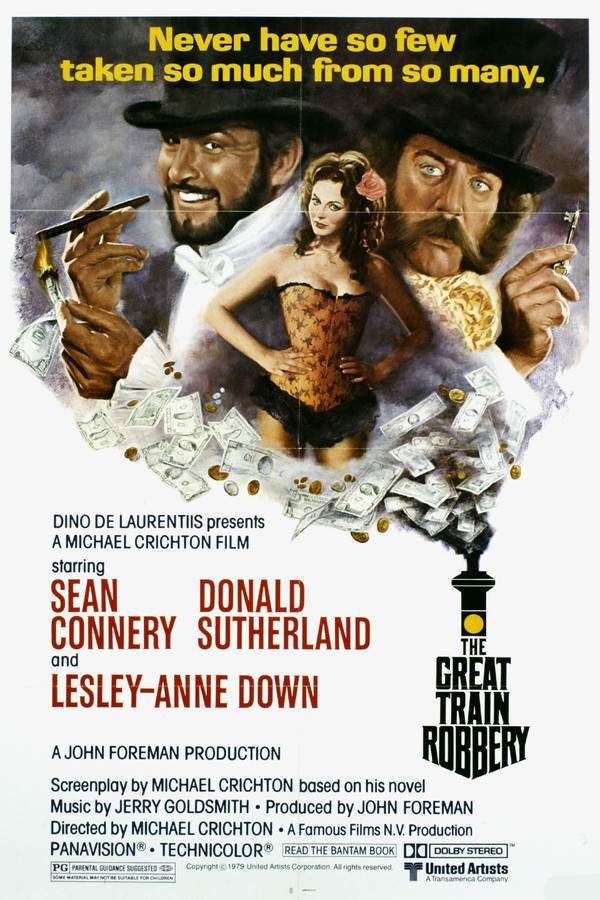
The Great Train Robbery (1979) Spoiler-Packed Plot Recap
To Steal from a Thief (2016) Full Movie Breakdown
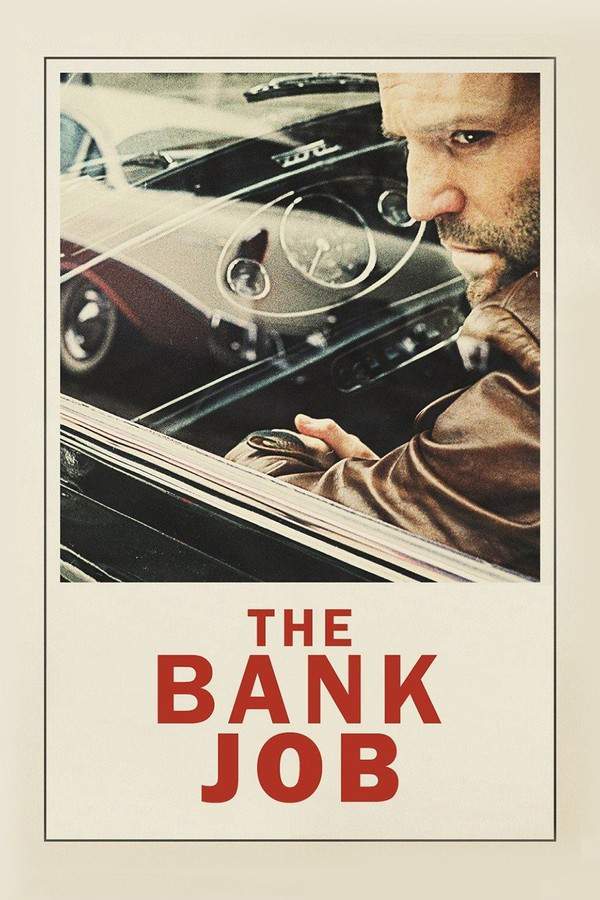
The Bank Job (2008) Full Movie Breakdown
King of Thieves (2019) Full Movie Breakdown
The Hatton Garden Job (2017) Film Overview & Timeline
A Nightingale Sang In Berkeley Square (1980) Full Movie Breakdown
The Great Riviera Bank Robbery (1980) Detailed Story Recap
The Heist of the Century (2020) Detailed Story Recap
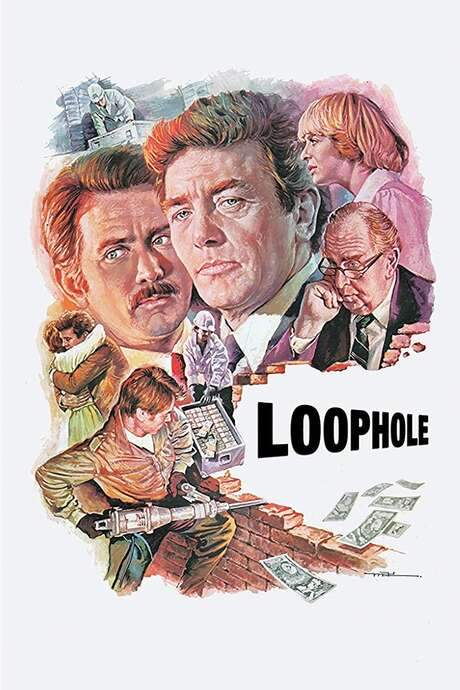
Loophole (1981) Movie Recap & Themes
Traitor’s Gate (1964) Complete Plot Breakdown
Robbery at 3 O’clock (1962) Ending Explained & Film Insights
The Bank Shot (1974) Full Summary & Key Details
Let’s Rob the Bank (1964) Movie Recap & Themes
Crooks and Coronets (1969) Ending Explained & Film Insights
Daylight Robbery (2008) Movie Recap & Themes