Year: 1960
Runtime: 85 mins
Language: English
Director: John Guillermin
Set in turn‑of‑the‑century London, a daring IRA‑backed plot follows three men intent on stealing the Bank of England’s gold reserves. Their leader, Norgate, uncovers a forgotten sewer that runs directly beneath the vaults, offering the perfect weak point for the heist.
Warning: spoilers below!
Haven’t seen The Day They Robbed the Bank of England yet? This summary contains major spoilers. Bookmark the page, watch the movie, and come back for the full breakdown. If you're ready, scroll on and relive the story!
Read the complete plot breakdown of The Day They Robbed the Bank of England (1960), including all key story events, major twists, and the ending explained in detail. Discover what really happened, and what it all means.
In London, 1901, amid Ireland’s struggle for independence, Charles Norgate — an Irish American with a shadowy past — is recruited by Irish revolutionaries to rob the Bank of England. Iris Muldoon, the widow of a martyr for Irish freedom, volunteers to bring Norgate into the inner circle and help steer the plan. Led by O'Shea, the group intends to seize one million pounds in gold bullion as a bold political statement. At first, Norgate’s background raises suspicion, but he gradually earns their trust by openly acknowledging his Irish roots and proving his resolve.
Norgate forges an uneasy alliance with Lieutenant Monte Fitch of the Guards and, through a daring break-in to the bank’s museum, gains access to the building’s architectural blueprints. Inside this evolving web of loyalties, Walsh, another revolutionary who shares Muldoon’s admiration, remains watchful yet hopeful that the enterprise might succeed. Norgate’s research uncovers an underground sewer that runs beneath the bank vaults, a discovery that could turn a rambling fantasy into a possible route for escape. To translate theory into practice, he adopts the guise of an archaeologist and persuades a professional tosher — Albert Tosher Sparrow — to assist in locating the sealed sewer entrance. With this new route, the revolutionaries begin digging toward the vaults, carefully plotting a heist that would unfold over a long August weekend when the bank would be closed.
As the plan tightens, Lt. Fitch grows increasingly suspicious and starts to investigate. The dig itself proves perilous: the crew punctures a gas pipe, and the bank’s gas lights dim, raising alarm potential at any moment. Yet a keyholder being away on holiday buys them precious time, delaying an immediate inspection of the vaults. In a parallel turn of events, O'Shea publicly reintroduces the Irish Home Rule Bill in Parliament, a development the conspirators weigh against the risk of derailing the broader political cause. Muldoon urges Walsh to warn Norgate, but when he discovers that Norgate has already breached the vault, Walsh chooses silence and sides with the others.
The breakthrough comes as the tunneling steadily penetrates toward the vaults, and the revolutionaries eventually move a million pounds’ worth of gold through the connecting tunnel. Muldoon has already dispatched their escape boat, yet, despite her pleas, [Norgate] and [Walsh] press on and load the treasure onto a horse-drawn cart. As the plan barrels forward, the tosher outside the sewers remains unseen, and Norgate must decide whether to wait or push ahead. Realizing the tosher has not emerged, he revisits the shaft only to find the man exhausted by gas, who climbs the ladder into the bank vault by a fortunate misstep. Norgate follows, and the two men shoulder the heavy loot into the street where fate tightens its grip.
The city’s attention is drawn when the overloaded cart collapses, and a passing policeman closes in. In the end, Norgate and Walsh are arrested and led away in handcuffs, while Muldoon can only watch with tears in her eyes. The tosher, bearing a fragment of a statue from the tunnel that appears to be a Roman relic, disappears into the crowd, leaving a puzzle about what else might survive beneath the surface.
This tale weaves together loyalty and deception, personal histories, and a high-stakes gamble that tests not only courage but the broader political aims of a world on the edge of change. It remains a layered portrait of a daring scheme, where every choice could alter the course of many lives and the view of a nation’s struggles.
Last updated: October 09, 2025 at 14:08
Explore frequently asked questions about The Day They Robbed the Bank of England (1960) with spoiler-rich answers covering the full plot summary, major story beats, character motivations, hidden details, and ending meaning. This movie summary FAQ helps explain confusing scenes, plot twists, and narrative decisions in clear, searchable detail.
Norgate was initially suspected because he was an Irish American with a shadowy past, and the group doubted his true allegiance to the Irish cause. He proved his loyalty by openly acknowledging his Irish roots and demonstrating his commitment to the revolutionary goal, which gradually earned him the trust of O'Shea and Muldoon.
Earlier scenes establish Norgate's mysterious background as a point of tension within the group.
Norgate gained access to the Bank of England's architectural blueprints by befriending Lieutenant Monte Fitch, a Guards officer, through a daring break-in to the bank's museum. While studying the building plans, he discovered that an underground sewer ran directly beneath the bank vaults, providing a potential tunneling route for the heist.
The blueprints obtained early in the film reveal the architectural weakness that becomes central to the plan.
Muldoon had arranged an escape by boat and dispatched it, but when the gold was successfully retrieved from the vaults, the boat was no longer available. This forced Norgate and Walsh to improvise a ground withdrawal using a horse-drawn cart instead, which ultimately led to their capture when the overloaded cart collapsed in the street.
Muldoon's earlier preparations for escape become a critical point of tension when the plan changes unexpectedly.
The horse-drawn cart became overloaded with the massive weight of one million pounds in gold bullion. As they attempted to transport the treasure through the streets of London, the cart collapsed under the excessive weight, drawing the attention of a passing policeman. This led to the immediate arrest of both Norgate and Walsh.
The decision to use a ground escape route instead of the boat creates the dangerous street-level vulnerability.
The tosher, Albert Sparrow, was overcome by gas fumes while working in the sewer tunnel. When he revived, he accidentally climbed the ladder into the bank vault by mistake rather than exiting through the intended route. Norgate was forced to follow him, and both men had to shoulder the heavy loot out through this unexpected entry point.
The gas pipe puncture earlier in the heist created the dangerous conditions that affected the tosher.
One of the keyholders required to access the bank vaults was away on holiday, which delayed the scheduled vault inspection. This delay bought the revolutionaries precious time, allowing them to continue tunneling toward the vaults without triggering an immediate security sweep that would have discovered their operation.
The timeline of the heist was deliberately planned around this scheduled absence.
The tosher escaped with a fragment of a statue from the tunnel, which appeared to be a Roman relic. He carried this piece away into the crowd while Norgate and Walsh were being arrested. The significance of this artifact remains mysterious, suggesting there may have been additional historical treasures or secrets hidden beneath the bank that were never recovered.
The film's ending leaves this detail ambiguous, implying the tosher found something valuable in the tunnels.
Lieutenant Monte Fitch of the Guards grew suspicious of Norgate's unusual activities, particularly his interest in restricted areas and the digging operations. As a friend who had provided access to the bank's blueprints, Fitch began investigating the unusual patterns, putting pressure on the conspirators and increasing the risk of discovery throughout the heist.
Fitch's early friendship with Norgate creates dramatic irony as his suspicion builds.
When O'Shea publicly reintroduced the Irish Home Rule Bill in Parliament, the group briefly paused the heist because they feared that a major political scandal from the robbery could derail the broader political campaign for Irish independence. Muldoon urged caution, worried that the heist might jeopardize the political cause they were fighting for.
The political stakes were established early as a motivating factor for the revolutionaries.
During the tunneling operation, the crew accidentally punctured a gas pipe, causing the bank's gas lights to dim. This dimming could have alerted the guards to something wrong and triggered an immediate investigation. The incident raised the stakes significantly as the revolutionaries had to work quickly while risking discovery at any moment.
Earlier tension builds as the dig becomes increasingly dangerous.
Iris Muldoon watched the arrests with tears in her eyes because the heist she had helped plan and support had failed. Despite her efforts to coordinate the escape and support the revolutionary cause, the plan collapsed both literally and figuratively, leading to the capture of the men she had worked with and potentially ending the political statement they sought to make.
Muldoon's emotional investment in the cause was established through her role as widow of an Irish martyr.
Walsh had been hopeful that the enterprise might succeed and had been watching the operation with admiration. When Muldoon asked him to warn Norgate about the Home Rule Bill complication, Walsh discovered that Norgate had already breached the vault. Rather than stop the heist, Walsh chose to remain silent and join the others in completing the theft, deciding to see the plan through.
Walsh's admiration for Norgate and the cause was established early in the film.
Discover curated groups of movies connected by mood, themes, and story style. Browse collections built around emotion, atmosphere, and narrative focus to easily find films that match what you feel like watching right now.
Intricate, high-stakes robbery plans set against a rich historical backdrop.If you enjoyed the tense, step-by-step planning of The Day They Robbed the Bank of England, explore other movies featuring intricate historical heists. These films share a focus on clever strategy, period-accurate challenges, and the suspenseful execution of a seemingly impossible theft.
These narratives follow a clear, largely linear structure: the conception of an ambitious plan, the meticulous assembly of a team or resources, the discovery of a unique vulnerability, and the tense, methodical execution phase where unforeseen complications test the planners' ingenuity.
Movies are grouped here for their shared focus on the intellectual and procedural aspects of a heist, the grounding of the plot in a specific historical period that defines its rules, and their ability to generate suspense from careful planning rather than chaotic action.
Driven by a doomed political cause, where failure feels inevitable.Fans of the somber political stakes in The Day They Robbed the Bank of England will appreciate these movies. They feature characters pursuing a high-risk cause against a powerful system, where the journey is marked by tension and dedication, even as a bleak outcome looms.
The narrative pattern involves protagonists committing to a high-stakes political act against an established power. Their determination is tested by escalating risks and setbacks. The story is less about whether they succeed and more about the cost of their conviction, typically culminating in a sobering or tragic conclusion that underscores the futility or sacrifice of their struggle.
These films are connected by their serious tone, the central role of a political or revolutionary cause, the tense atmosphere of operating against a powerful establishment, and a pervasive sense of fatalism that makes the ending feel both sad and inevitable.
Don't stop at just watching - explore The Day They Robbed the Bank of England in full detail. From the complete plot summary and scene-by-scene timeline to character breakdowns, thematic analysis, and a deep dive into the ending - every page helps you truly understand what The Day They Robbed the Bank of England is all about. Plus, discover what's next after the movie.
Track the full timeline of The Day They Robbed the Bank of England with every major event arranged chronologically. Perfect for decoding non-linear storytelling, flashbacks, or parallel narratives with a clear scene-by-scene breakdown.
Discover the characters, locations, and core themes that shape The Day They Robbed the Bank of England. Get insights into symbolic elements, setting significance, and deeper narrative meaning - ideal for thematic analysis and movie breakdowns.
Get a quick, spoiler-free overview of The Day They Robbed the Bank of England that covers the main plot points and key details without revealing any major twists or spoilers. Perfect for those who want to know what to expect before diving in.
Discover movies like The Day They Robbed the Bank of England that share similar genres, themes, and storytelling elements. Whether you’re drawn to the atmosphere, character arcs, or plot structure, these curated recommendations will help you explore more films you’ll love.
The Day They Robbed the Bank of England (1960) Scene-by-Scene Movie Timeline
The Day They Robbed the Bank of England (1960) Movie Characters, Themes & Settings
The Day They Robbed the Bank of England (1960) Spoiler-Free Summary & Key Flow
Movies Like The Day They Robbed the Bank of England – Similar Titles You’ll Enjoy
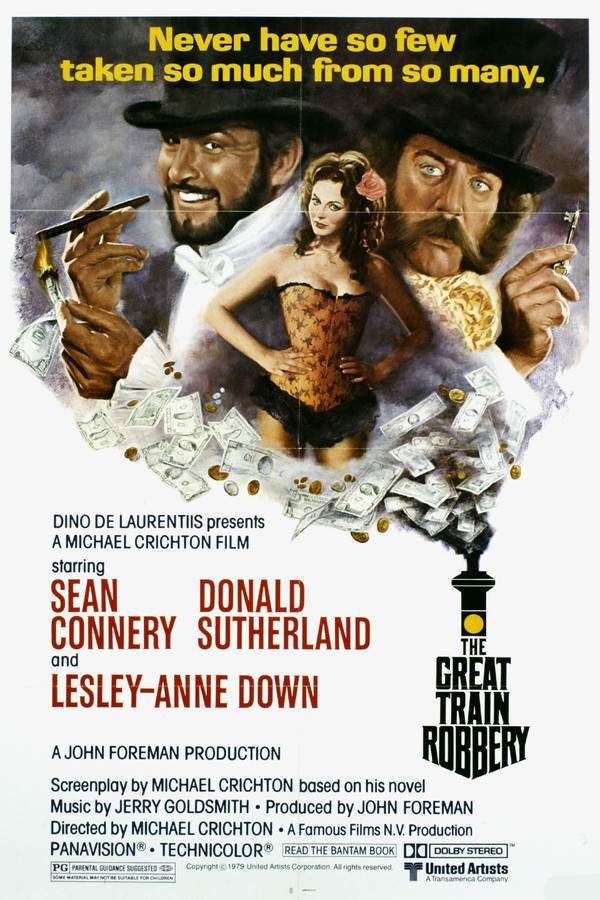
The Great Train Robbery (1979) Plot Summary & Ending Explained
To Steal from a Thief (2016) Movie Recap & Themes
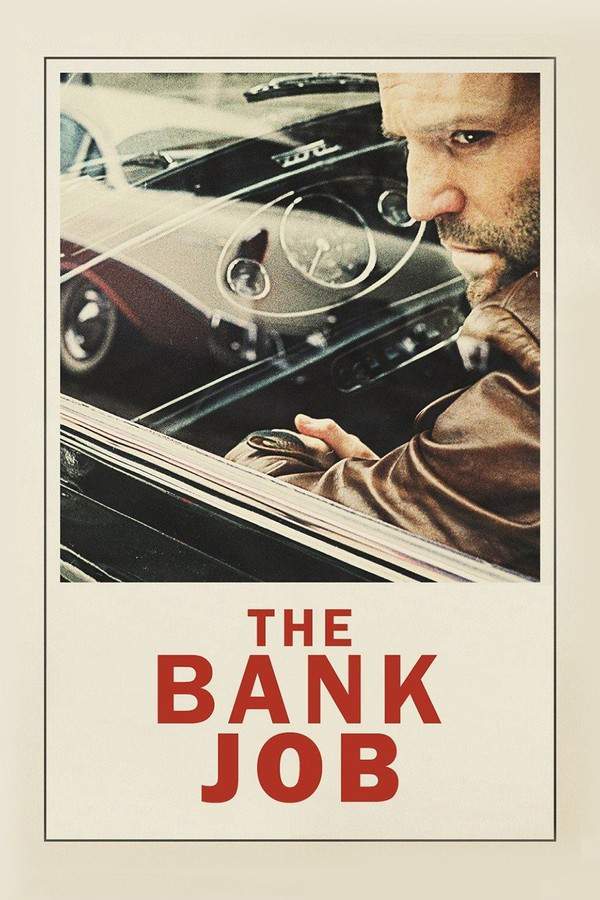
The Bank Job (2008) Ending Explained & Film Insights
King of Thieves (2019) Film Overview & Timeline
The Hatton Garden Job (2017) Story Summary & Characters
A Nightingale Sang In Berkeley Square (1980) Film Overview & Timeline
The Great Riviera Bank Robbery (1980) Complete Plot Breakdown
The Heist of the Century (2020) Full Summary & Key Details
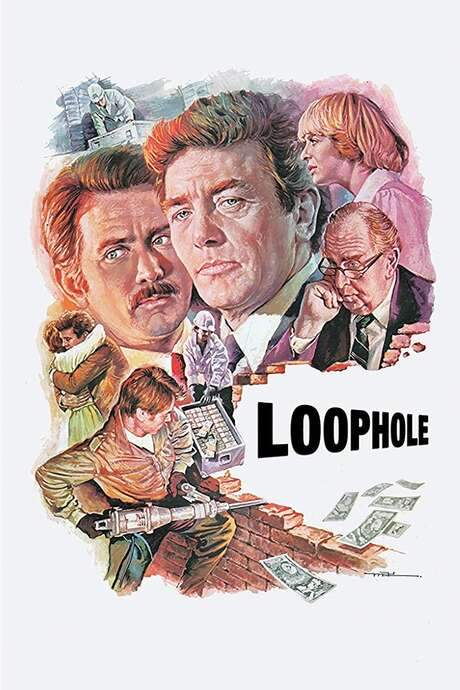
Loophole (1981) Story Summary & Characters
Traitor’s Gate (1964) Complete Plot Breakdown
Robbery at 3 O’clock (1962) Movie Recap & Themes
The Bank Shot (1974) Spoiler-Packed Plot Recap
Let’s Rob the Bank (1964) Plot Summary & Ending Explained
Crooks and Coronets (1969) Full Summary & Key Details
Daylight Robbery (2008) Spoiler-Packed Plot Recap