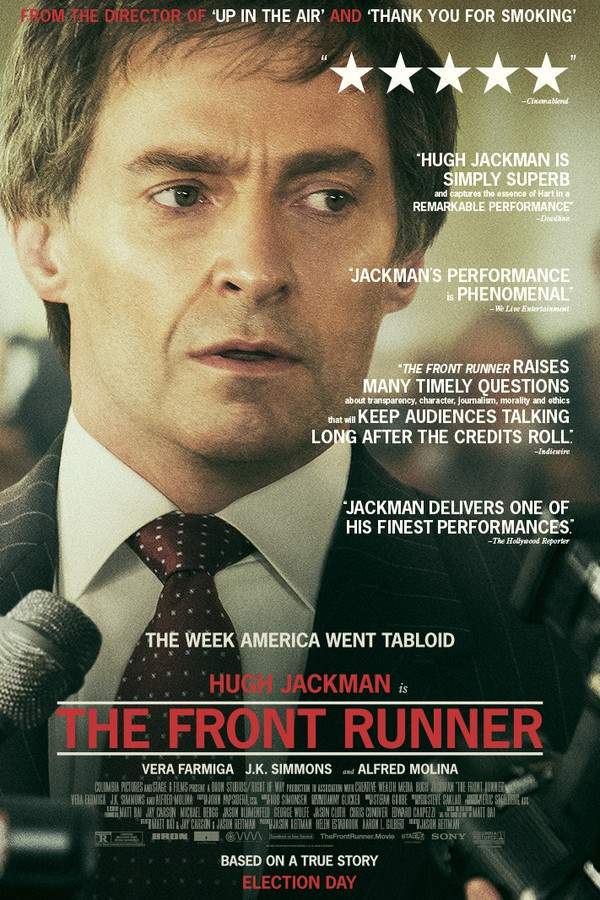
In 1988, Senator Gary Hart appeared poised to secure the Democratic presidential nomination. His promising campaign faltered when allegations of an extramarital affair with Donna Rice became public, igniting a media storm. The ensuing tabloid frenzy and intense political scrutiny led to the campaign's abrupt collapse, significantly impacting the course of American politics and leaving a lasting legacy on how candidates are perceived.
Warning: spoilers below!
Haven’t seen The Front Runner yet? This summary contains major spoilers. Bookmark the page, watch the movie, and come back for the full breakdown. If you're ready, scroll on and relive the story!
Read the complete plot breakdown of The Front Runner (2018), including all key story events, major twists, and the ending explained in detail. Discover what really happened—and what it all means.
As the 1988 Democratic Party presidential primaries kick off, the spotlight shines on former Senator Gary Hart, whose reputation as a leading candidate was bolstered by a strong performance in the 1984 primary. As Hart and his campaign team prepare for the official launch of his presidential bid in April 1987, a growing concern looms: Hart may be prioritizing policy discussions over personal revelations, making it difficult for voters to connect with him on a deeper level.
At the same time, the journalistic circles at The Washington Post are buzzing with inquiries about Hart’s marital standing and rumors of his alleged infidelities. Seeking respite from the campaign chaos, Hart embarks on a yacht cruise from Miami to Bimini aboard the Monkey Business, where he meets the enchanting Donna Rice.
Tension escalates when two persistent reporters, A.J. Parker of The Washington Post and Tom Fiedler from the Miami Herald, unwittingly catch wind of a conversation between Hart and Rice at an airport payphone. While on the campaign plane, Hart engages in a paternal chat with Parker, offering him insights and gifting him a Tolstoy novel to enhance his understanding of Soviet politics.
As events unfold in Iowa, Parker’s probing questions about Hart’s marriage create friction, prompting Hart to suggest that the reporter would find trailing him around utterly dull. Unknown to Hart, Fiedler has received an anonymous tip from a young woman claiming an affair involving Hart and a friend of hers. Initially skeptical, Fiedler becomes intrigued after tracking two women on a flight to Washington, D.C. and watching Hart at his townhouse. When he spots Hart returning with Rice, Fiedler confronts him, only to receive a vehement denial: Hart insists that his private life should not concern the public.
As the scandal breaks in the Herald, Hart reaches out to his wife, Lee Hart, to express his regrets for any pain caused by the unfolding events. Meanwhile, campaign staffer Irene Kelly is assigned to befriend Rice and glean information from her. After successfully accomplishing her mission, Irene sends Rice back to Miami, where she faces the relentless scrutiny of the press.
In Troublesome Gulch, Colorado, reporters besiege the Hart household, overwhelming Lee and their daughter Andrea Hart with intrusive camera flashes and questions. Their lives, once serene, are irreversibly affected by the fallout from Gary Hart’s personal struggles. Within his inner circle, tensions rise as Hart engages in a heated discussion with his trusted advisor, Bill Dixon. Dixon insists that Hart must publicly address the allegations, but Hart remains resolute in his refusal, fearing that acknowledging the rumors may only fuel the media fire.
The situation escalates when The Washington Post receives an anonymous package containing compromising photographs of Hart. Parker, who is usually committed to ethical reporting, finds himself double-minded about sensationalizing such invasive personal matters. Yet, Editor Ben Bradlee is resolute, stating that the Post must evolve with changing public appetites for political scandal.
As Hart prepares for a press conference amidst the swirling controversy, a shift in public opinion becomes evident: many Americans believe that the media’s smear campaign has overstepped boundaries, asserting that a candidate’s infidelities should not overshadow their qualifications for office. When asked about the possibility of being questioned on infidelity, Hart responds with characteristic candor: > “It’s nobody’s goddamn business!” A perfect answer, according to his team.
Shortly after, Lee enters the scene, her demeanor shifted from calm to anxious. She reveals her thoughts about possibly leaving Hart, yet she vows to remain supportive for the time being. The weight of this discussion hangs heavily as Hart braces for a demanding press conference where he must confront the stark realities of his life.
An unexpected opportunity arises when Parker directs a pointed question at Hart: “Have you committed adultery?” Hart’s once-steady demeanor falters as he struggles to respond, revealing the frailty of his resolve. The ensuing backlash wreaks havoc on his campaign, causing Lee’s distress to intensify.
Ultimately, Hart reaches a breaking point and opts to forgo his presidential ambitions. As this tumultuous chapter in American political history comes to an end, a poignant message appears on screen: “Gary and Lee Hart remain married to this day.”
Last Updated: November 22, 2024 at 11:50
Discover curated groups of movies connected by mood, themes, and story style. Browse collections built around emotion, atmosphere, and narrative focus to easily find films that match what you feel like watching right now.
Stories where private scandals trigger a public figure's swift political collapse.If you liked The Front Runner, explore similar movies about political figures whose careers are destroyed by scandal. These films capture the tense, somber mood of a public downfall, focusing on media ethics, personal failure, and the abrupt end of political ambition.
Stories in this thread typically follow a high-profile individual at the peak of their career. A personal scandal is exposed, triggering a media frenzy. The narrative escalates with the character grappling with public shame and the rapid, irreversible collapse of their professional standing, often ending in resignation or defeat.
These films are grouped together because they share a specific narrative arc of a swift public downfall, a tense and somber tone driven by media pressure, and a focus on the personal cost of political life. They create a cohesive experience of watching a promising career implode.
Character-driven dramas about the suffocating pressure when private lives become public.Find movies similar to The Front Runner that explore the tension between public image and private reality. These character-driven dramas are tense and reflective, focusing on the anxiety and moral quandaries that arise when personal failings are thrust into the spotlight.
The narrative pattern revolves around a character living a dual life. The film methodically builds tension as the walls between their public persona and private actions begin to crumble. The journey is internal, focusing on their growing anxiety, shame, and the devastating consequences for their personal relationships, rather than on external action.
Movies in this thread share a specific emotional mix: a steady-paced, tense build-up of psychological pressure, a claustrophobic feeling of being watched, and a reflective, often sad, exploration of how public exposure dismantles a private life. The vibe is consistently anxious and morally complex.
Don't stop at just watching — explore The Front Runner in full detail. From the complete plot summary and scene-by-scene timeline to character breakdowns, thematic analysis, and a deep dive into the ending — every page helps you truly understand what The Front Runner is all about. Plus, discover what's next after the movie.
Track the full timeline of The Front Runner with every major event arranged chronologically. Perfect for decoding non-linear storytelling, flashbacks, or parallel narratives with a clear scene-by-scene breakdown.
Discover the characters, locations, and core themes that shape The Front Runner. Get insights into symbolic elements, setting significance, and deeper narrative meaning — ideal for thematic analysis and movie breakdowns.
Get a quick, spoiler-free overview of The Front Runner that covers the main plot points and key details without revealing any major twists or spoilers. Perfect for those who want to know what to expect before diving in.
Visit What's After the Movie to explore more about The Front Runner: box office results, cast and crew info, production details, post-credit scenes, and external links — all in one place for movie fans and researchers.
Discover movies like The Front Runner that share similar genres, themes, and storytelling elements. Whether you’re drawn to the atmosphere, character arcs, or plot structure, these curated recommendations will help you explore more films you’ll love.
The Front Runner (2018) Scene-by-Scene Movie Timeline
The Front Runner (2018) Movie Characters, Themes & Settings
The Front Runner (2018) Spoiler-Free Summary & Key Flow
Movies Like The Front Runner – Similar Titles You’ll Enjoy
All the President's Men (1976) Film Overview & Timeline
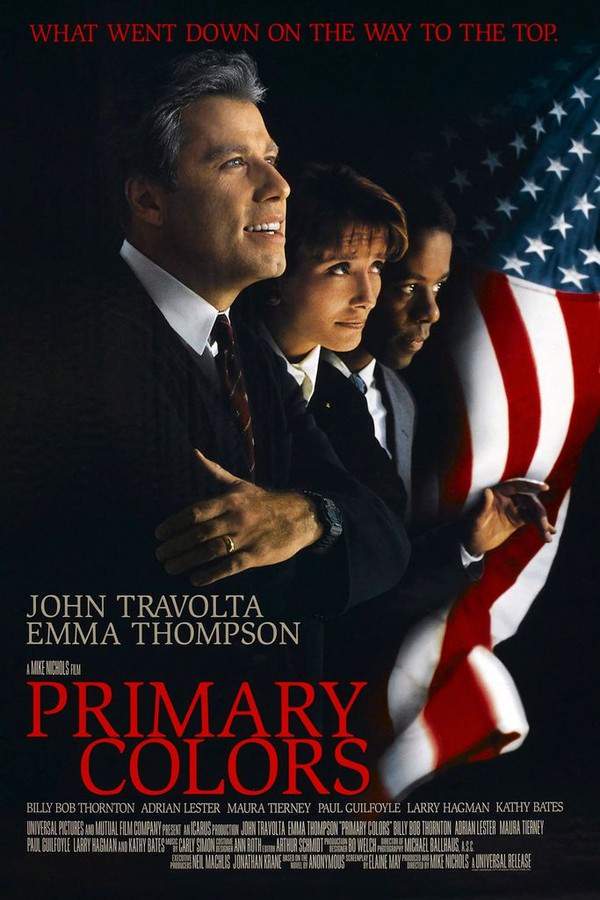
Primary Colors (1998) Full Summary & Key Details
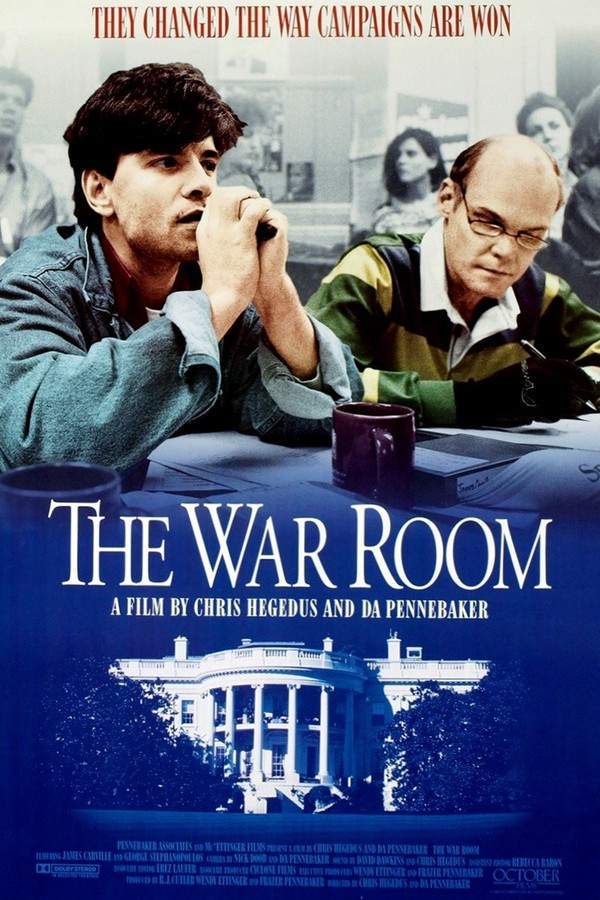
The War Room (1994) Story Summary & Characters
The Contender (2000) Film Overview & Timeline
The Candidate (1972) Ending Explained & Film Insights
Running Mates (2000) Full Movie Breakdown
The Front (1976) Full Movie Breakdown
Running Mates (1992) Full Summary & Key Details
State of the Union (1948) Full Summary & Key Details
The Candidate (1964) Complete Plot Breakdown
A Perfect Candidate (1996) Complete Plot Breakdown
All the King’s Men (1949) Spoiler-Packed Plot Recap
The Best Man (1964) Film Overview & Timeline
Advise & Consent (1962) Movie Recap & Themes
Feed (1992) Movie Recap & Themes