Year: 2000
Runtime: 90 min
Language: Persian
Director: Majid Majidi
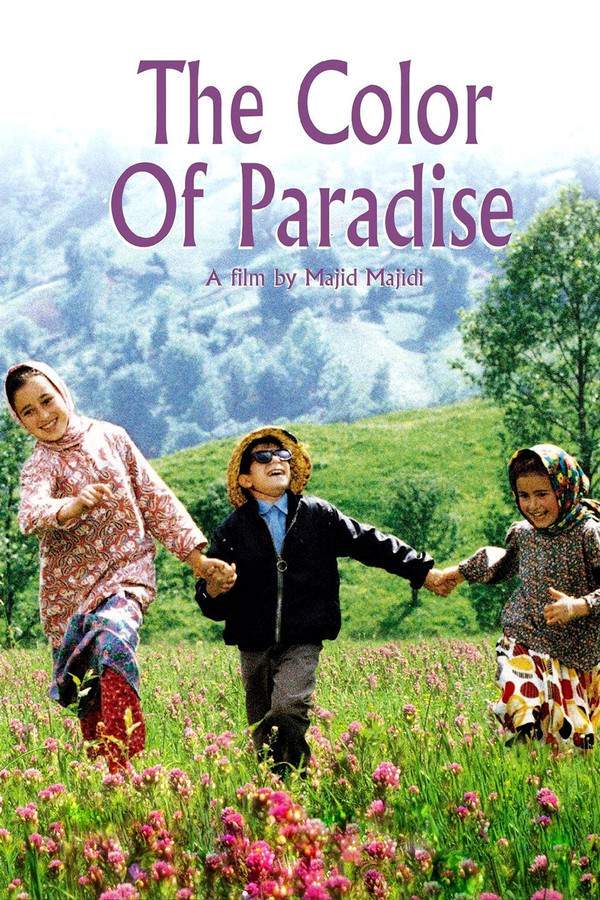
A young boy with impaired vision perceives the world in a way others cannot, finding solace and wonder in nature. When he is sent away to a special school, he struggles to adapt to the rigid environment and the pressures to conform. Through his experiences, the film explores themes of faith, acceptance, and the importance of embracing individuality, highlighting the profound connection between a father and son.
Warning: spoilers below!
Haven’t seen The Color of Paradise yet? This summary contains major spoilers. Bookmark the page, watch the movie, and come back for the full breakdown. If you're ready, scroll on and relive the story!
Explore the full timeline and setting of The Color of Paradise (2000). Follow every major event in chronological order and see how the environment shapes the story, characters, and dramatic tension.
Last updated: October 23, 2024 at 08:45
Meet the key characters of The Color of Paradise (2000), with detailed profiles, motivations, and roles in the plot. Understand their emotional journeys and what they reveal about the film’s deeper themes.
Last updated: October 23, 2024 at 08:45
Explore the central themes of The Color of Paradise (2000), from psychological, social, and emotional dimensions to philosophical messages. Understand what the film is really saying beneath the surface.
Last updated: October 23, 2024 at 08:45
Browse frequently asked questions about The Color of Paradise (2000) focused on characters, relationships, themes, symbols, setting, and story context. This movie info FAQ gives spoiler-aware explanations for character arcs, world details, and thematic interpretation so readers can better understand what the film is really about.
The film takes place primarily in Tehran, Iran's bustling capital city, with significant scenes set near the Caspian Sea. The contrast between the urban complexity of Tehran and the natural serenity of the Caspian Sea creates a visual and thematic tension that reflects the story's central conflicts.
The story is set in contemporary modern-day Iran, where traditional values clash with modern societal expectations. This contemporary setting allows the film to address current issues surrounding disability and family dynamics.
Nature serves as a powerful symbol of freedom for Mohammad, the blind boy who connects with the world through his senses. The hills and natural environment represent escape from the constraints of his condition, allowing him to explore and feel unencumbered by his blindness in ways the city does not permit.
Fatherhood is central to the film, shown through Hashem's complex relationship with his blind son Mohammad. Hashem grapples with shame about his son's blindness while simultaneously harboring deep love for him, revealing the emotional burden of raising a child with disabilities in a society that stigmatizes difference.
Loss permeates the narrative through Hashem's grief over his wife's death and his metaphorical loss of dreams for a conventional family life. This theme illustrates how grief profoundly affects personal relationships and individual identity, adding emotional weight to the father-son dynamic.
Mohammad is a blind boy whose innocence and curiosity shine throughout the film. He possesses a profound connection with nature and grapples with questions about love, faith, and his own worthiness, representing the film's exploration of how those with disabilities perceive the world differently.
Hashem is a widower burdened by shame regarding his son's blindness while desiring a normal family life. His character arc involves confronting societal stigma and ultimately choosing his son's well-being over external expectations, representing a journey from rejection toward acceptance.
The film directly addresses the struggles faced by individuals with disabilities in contemporary Iranian society. Through Hashem's internal conflict and the pressures Mohammad faces at school to conform, the movie explores societal prejudice against disability and the importance of acceptance.
Faith is a significant theme as Mohammad, despite his spiritual despair, maintains a profound connection to questions of worthiness and divine love. The film explores faith not as certain belief but as a struggle for meaning, particularly through the eyes of a child who cannot see but perceives the world through other senses.
The film maintains a consistently melancholic tone anchored by themes of parental rejection and the boy's spiritual despair. The slow pacing focuses on atmospheric moments and Mohammad's sensory experiences, creating a reflective mood rather than an intense one, with power derived from sustained sadness and intimate drama.
The ending is bittersweet and deliberately ambiguous. A near-fatal accident creates a moment of potential redemption for the father, but Mohammad's final state, whether he is dying, experiencing a miracle, or simply sensing the world, is left open. This ambiguity prevents both a purely tragic or hopeful conclusion.
Discover curated groups of movies connected by mood, themes, and story style. Browse collections built around emotion, atmosphere, and narrative focus to easily find films that match what you feel like watching right now.
Films that immerse you in the unique sensory experience of a character living with a disability.Explore movies like The Color of Paradise that center on characters with disabilities, offering a sensory-driven perspective. These films are often quiet, melancholic dramas that focus on personal perception and the struggle for acceptance against societal prejudice.
The narrative follows a protagonist with a disability, often a child or young person, as they navigate a world not designed for them. The conflict arises from societal misunderstanding or rejection, while the protagonist finds solace and strength through their unique connection to the world, whether through nature, art, or memory.
These films are grouped by their shared focus on sensory immersion and the internal world of a character with a disability. They prioritize emotional authenticity and a melancholic, intimate tone over fast-paced plotting, creating a poignant and reflective viewing experience.
Emotional stories of flawed fathers struggling to accept and connect with their sons.If you were moved by the strained father-son dynamic in The Color of Paradise, discover more movies about paternal failure and fragile redemption. These heavy dramas explore themes of grief, acceptance, and the sacrifices of fatherhood, often ending on a bittersweet note.
The plot hinges on a father's failure to love or accept his child, often due to societal pressure, personal shame, or grief. A crisis—often involving the child's safety—forces the father to confront his failings. The journey is painful, and the resolution is typically bittersweet, focusing more on the father's emotional awakening than a perfectly happy ending.
Movies in this thread share a specific, heavy emotional arc: a father's journey from rejection toward a fragile acceptance of his child. They are characterized by melancholic tones, slow pacing, and powerful, often heartbreaking, performances that explore the weight of parental responsibility.
Don't stop at just watching - explore The Color of Paradise in full detail. From the complete plot summary and scene-by-scene timeline to character breakdowns, thematic analysis, and a deep dive into the ending - every page helps you truly understand what The Color of Paradise is all about. Plus, discover what's next after the movie.
Read a complete plot summary of The Color of Paradise, including all key story points, character arcs, and turning points. This in-depth recap is ideal for understanding the narrative structure or reviewing what happened in the movie.
Track the full timeline of The Color of Paradise with every major event arranged chronologically. Perfect for decoding non-linear storytelling, flashbacks, or parallel narratives with a clear scene-by-scene breakdown.
Discover movies like The Color of Paradise that share similar genres, themes, and storytelling elements. Whether you’re drawn to the atmosphere, character arcs, or plot structure, these curated recommendations will help you explore more films you’ll love.
The Color of Paradise (2000) Plot Summary & Movie Recap
The Color of Paradise (2000) Scene-by-Scene Movie Timeline
The Color of Paradise (2000) Spoiler-Free Summary & Key Flow
Movies Like The Color of Paradise – Similar Titles You’ll Enjoy
Paradise: Hope (2013) Movie Recap & Themes
The Beautiful Country (2005) Story Summary & Characters
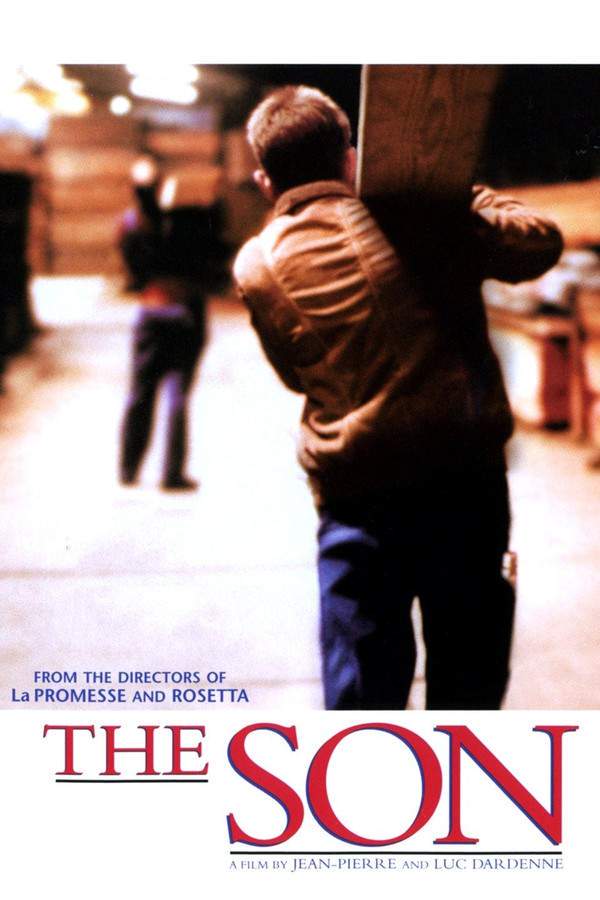
The Son (2003) Complete Plot Breakdown
Disgrace (2009) Full Summary & Key Details
Wonder (2017) Full Summary & Key Details
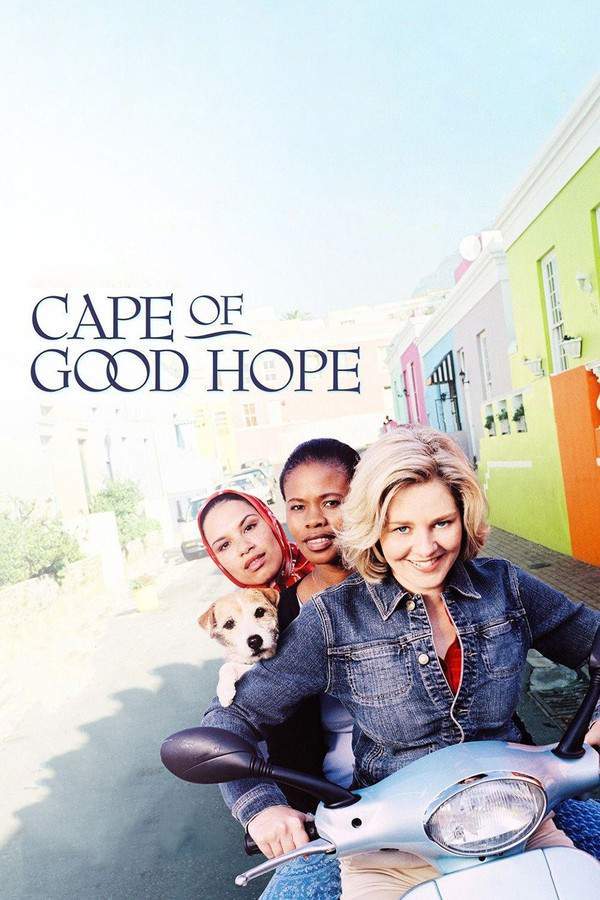
Cape of Good Hope (2005) Plot Summary & Ending Explained
Return to Paradise (1998) Movie Recap & Themes
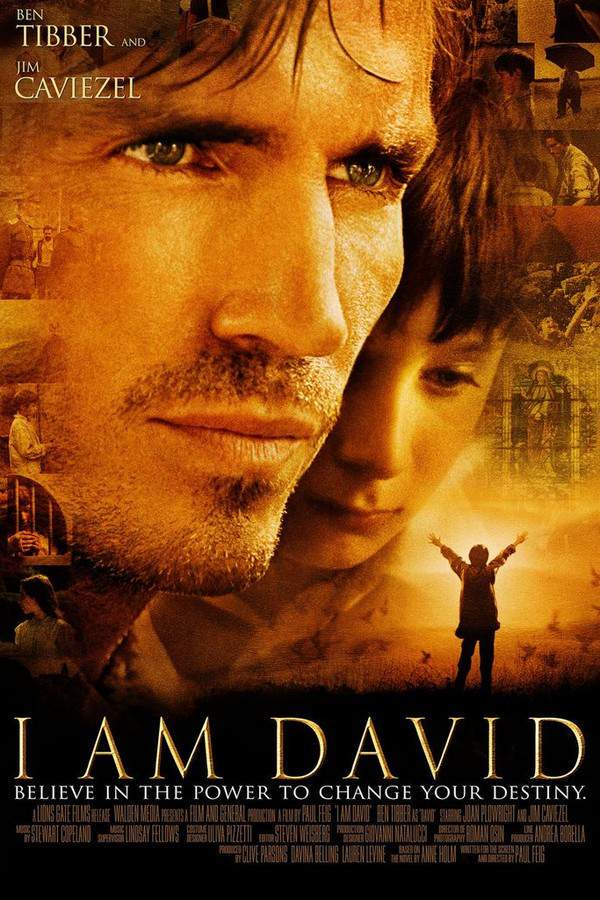
I Am David (2004) Film Overview & Timeline
Local Color (2008) Ending Explained & Film Insights
Strange Colours (2017) Story Summary & Characters
The Color of Milk (2004) Plot Summary & Ending Explained
Positive (2007) Movie Recap & Themes
A World Apart (1988) Full Summary & Key Details
Special Education (1977) Full Movie Breakdown
Somewhere I Have Never Travelled (2009) Movie Recap & Themes