Plot Explained Spoilers guaranteed!
Plot Explained

Browse by genre

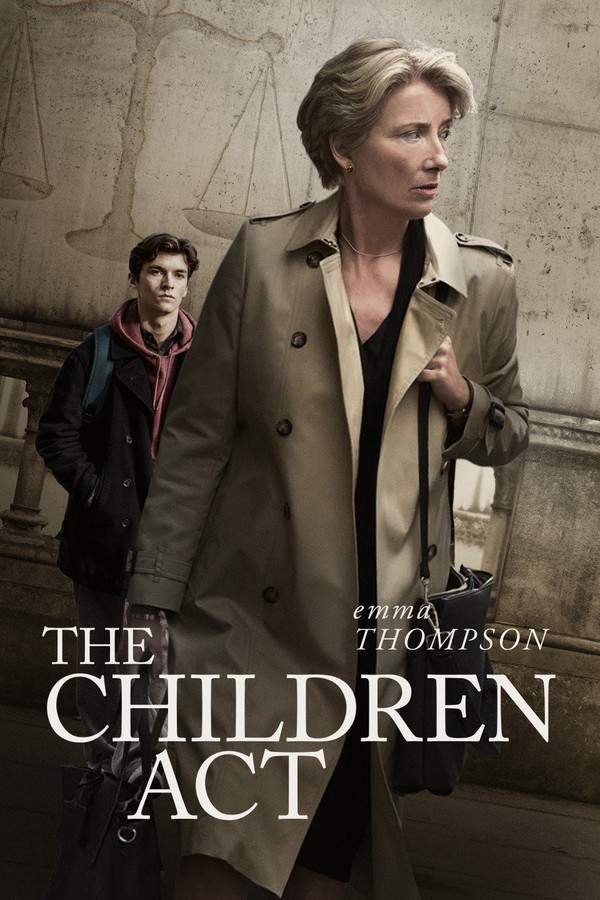
The Children Act (2018) movie poster

Timeline

The Children Act (2018) Timeline Explained – Every Event in Order

Release, runtime and language
2018 · 105 min · English
Echo score 68
Loading streaming availability…
Directed by
Richard Eyre
Starring
Stanley Tucci, Emma Thompson, Fionn Whitehead, Eileen Walsh, Nikki Amuka Bird, Ben Chaplin

A High Court judge, Fiona Maye, presides over difficult cases while her personal life suffers. Her career takes an unexpected turn when she must rule on a case involving a teenage Jehovah's Witness who refuses a life-saving blood transfusion based on religious beliefs. As she considers the legal and ethical implications, Fiona confronts her own values and embarks on a journey of self-discovery, grappling with the complexities of upholding the law and preserving a young man’s life.

On this page (7)
  1. 1 Where to watch
  2. 2 Events in order (13)
  3. 3 Timeline questions answered
  4. 4 The book behind the movie
  5. 5 Movie threads
  6. 6 Movies like The Children Act
  7. 7 Every angle
Loading streaming availability…

13 events in order · contains spoilers

The Children Act Timeline: Events in Chronological Order

Every key event of The Children Act (2018) in order, scene by scene, with when and where it takes place. Use it to untangle flashbacks, time jumps and parallel storylines, to refresh your memory before the sequel or to find the exact scene you are thinking of.

  1. Fiona's Disturbing Revelation

    Fiona Maye, a High Court Judge, receives a shocking confession from her husband Jack. He admits that their marriage is lacking physical intimacy and expresses his desire to have an affair with a much younger woman, which horrifies Fiona.

    Where
    Gray's Inn Square
  2. Haunting Remembrance

    The revelation from Jack disturbs Fiona deeply, reminding her of a traumatic case involving the separation of conjoined twins. Despite being praised for her judgment, Fiona is haunted by the consequences of her ruling, causing a rift between her and Jack.

  3. Urgent Call to Duty

    Amidst their argument, Fiona receives an urgent call regarding a case involving Adam Henry, a Jehovah's Witness refusing necessary medical treatment for leukemia. Driven by her duty as a judge, Fiona heads to the hospital to learn more about Adam's decision.

    Where
    Hospital
  4. Meeting Adam

    Fiona meets Adam in the hospital, where he impresses her with his intellect and shares his passion for poetry and music. Their connection deepens during an impromptu violin duet, leaving Fiona invigorated and sympathetic to his plight.

    Where
    Hospital
  5. A Decision Made

    Inspired by her encounter with Adam, Fiona rules in favor of the hospital's decision to administer the blood transfusion. Her ruling, however, weighs heavily on her conscience as she returns home to find Jack has come back, complicating her emotions.

  6. Strained Marriage

    As time passes, the tension between Fiona and Jack persists, despite their attempts at reconciliation. Fiona receives letters from Adam that weigh on her heart, revealing his struggles with faith and his growing disillusionment with his parents.

  7. An Unexpected Reunion

    During a work trip to Newcastle, Fiona unexpectedly encounters Adam, who expresses his wish to live with her after leaving home. Although Fiona feels a strong connection to him, she insists he should reach out to his mother and turns him down.

    Where
    Newcastle
  8. Intense Farewell

    Fiona and Adam share an emotionally charged goodbye that unexpectedly escalates into a passionate kiss. This moment alarms Fiona, creating further internal conflict about her feelings towards her marriage and her role in Adam's life.

  9. Rebuilding Bonds

    Upon returning home, Fiona and Jack start to mend their relationship, growing closer through shared moments. Despite continued letters from Adam, Fiona shifts her focus as she prepares for a Christmas concert with her colleagues.

  10. Devastating News

    During the Christmas concert, Fiona receives heartbreaking news of Adam's death from leukemia, just as he reaches legal adulthood. Overcome with regret, Fiona rushes home to share the circumstances surrounding Adam's tragic fate with Jack.

  11. Confronting Guilt

    Fiona grapples with intense feelings of guilt regarding her involvement in Adam's life and his return to faith. Sharing her emotions with Jack fosters a deeper connection between them as they navigate their grief and complex feelings.

  12. Facing the Aftermath

    In the aftermath of Adam's death, Fiona reflects on her choices and the impact of her decisions as a judge. This tragic event forces her to reevaluate her priorities and the toll her career has taken on her personal life.

  13. Embracing Vulnerability

    As Fiona openly discusses her guilt and emotions with Jack, their relationship transforms, allowing for vulnerability. This moment signifies a turning point in their marriage, highlighting the power of connection amidst turmoil.

Last updated: November 04, 2024 at 00:03

Was this helpful?

Timeline questions answered

The Children Act Timeline Explained: Your Questions Answered

When does it happen, and why in that order? The questions people ask about the chronology of The Children Act (2018): time jumps, flashbacks, cause and effect between scenes and the correct order of events, each answered with spoilers.

Q1

Why does Fiona change the locks on her house?

Fiona changes the locks impulsively after her husband Jack confesses he wants to have an affair with a younger woman. The act is a desperate attempt to assert control over something in her life during a moment of profound emotional distress, though she knows it's illegal. This decision reflects her feeling of powerlessness in her marriage and her inability to process Jack's betrayal.

Foreshadowing: The locksmith's hesitation hints at the illegality of her action, foreshadowing the moral complexity that defines Fiona throughout the film.

  • fiona maye
  • jack maye
  • marriage crisis
  • locks
  • emotional breakdown
Q2

Why does Judge Fiona visit Adam in the hospital?

Fiona visits Adam because he is three months away from turning 18, making his case legally complex. As a Family Court judge, she needs to determine whether he has the maturity to understand the consequences of refusing life-saving treatment. The visit is required by law, but it becomes pivotal when she discovers Adam is exceptionally articulate and thoughtful.

Foreshadowing: Adam's recitation of John Donne's poetry during their meeting establishes his intellectual depth, making his eventual refusal of treatment more believable.

  • adam henry
  • hospital visit
  • court ruling
  • blood transfusion
  • jehovah's witness
Q3

Why does Fiona rule in favor of the blood transfusion?

Fiona rules for the transfusion after being moved by her meeting with Adam. His intelligence, kindness, and musical talent create a profound connection that makes her view him as a real person rather than a case file. She concludes that at seventeen, Adam cannot fully comprehend the permanence of death, leading her to prioritize saving his life over respecting his religious beliefs.

Foreshadowing: The duet they share on violin creates an emotional bond that directly influences her ruling, showing how personal connection shapes judicial decision-making.

  • fiona maye
  • blood transfusion
  • court ruling
  • adam henry
  • jehovah's witness
Q4

Why does Adam want to live with Fiona after leaving home?

Adam becomes emotionally attached to Fiona after she saves his life and shows genuine interest in him as a person. Having felt rejected by his parents and disillusioned with his religion, he transfers his need for parental approval and affection onto Fiona. She represents the adult validation and intellectual connection he craves but cannot find at home.

Foreshadowing: Adam's letters revealing his growing disillusionment with his parents foreshadow his desperate search for a new anchor in his life.

  • adam henry
  • fiona maye
  • emotional attachment
  • leaving home
  • religion
Q5

What happens between Fiona and Adam in Newcastle?

During a work trip to Newcastle, Fiona encounters Adam, who has left home and asks to live with her. When she refuses and insists he contact his mother, their goodbye becomes emotionally charged. They share a kiss that unexpectedly turns passionate, shocking Fiona and leaving her alarmed. This moment represents a breakdown of professional boundaries and her own moral confusion.

Foreshadowing: Fiona's earlier curiosity about Adam's letters and her decision to travel to Newcastle alone hint at her unresolved emotional state.

  • newcastle
  • adam henry
  • fiona maye
  • kiss
  • emotional affair
Q6

Why does Adam die after turning 18?

Once Adam turns 18, he regains legal autonomy over his medical decisions. Having been forced to receive the transfusion against his beliefs while still a minor, Adam chooses to refuse treatment now that he is of age. His leukemia returns, and he dies as a result of honoring his religious convictions as an adult, making his death a direct consequence of his newfound legal right to choose.

Foreshadowing: The court's ruling was explicitly time-limited, designed to last only until his 18th birthday, knowing the question would arise again.

  • adam henry
  • 18th birthday
  • leukemia
  • blood transfusion
  • death
Q7

Why does Fiona feel guilty about Adam's death?

Fiona carries guilt for several reasons: she authorized the transfusion that temporarily saved Adam but ultimately allowed him to return to a situation where he chose death; their passionate kiss may have contributed to his crisis of faith; and she wonders if she overstepped her judicial role by forming a personal connection. She feels complicit in his tragic final choice, believing her actions somehow contributed to his fate.

Foreshadowing: Adam's final letter references Fiona as a temptation that led him back to his faith, directly connecting her presence to his decision.

  • fiona maye
  • guilt
  • adam henry
  • death
  • self-blame
Q8

How do Fiona and Jack reconcile after their separation?

Fiona and Jack begin rebuilding their marriage after she returns from Newcastle. The near-loss of their relationship prompts honest conversations about their needs. Their reconciliation culminates in a tender moment the night before the Christmas concert, where they promise to recommit to each other. Adam's subsequent death then forces them to face mortality together, deepening their connection through shared grief.

Foreshadowing: Jack's return after their initial argument establishes his willingness to fight for the marriage, setting up their eventual reconciliation.

  • fiona maye
  • jack maye
  • reconciliation
  • marriage
  • christmas concert
Q9

What was the conjoined twins case that haunts Fiona?

Fiona is haunted by a previous ruling where she authorized the separation of conjoined twins, which resulted in the death of one twin. Though her legal peers praised the decision as intelligent and elegant, Fiona bears the moral weight of having made a choice that saved one life but cost another. This trauma explains her emotional vulnerability when facing Adam's case and her fear of making similar impossible judgments.

Foreshadowing: This earlier case establishes Fiona's pattern of making life-or-death decisions that weigh heavily on her conscience.

  • fiona maye
  • conjoined twins
  • court case
  • trauma
  • guilt
Q10

Why does Fiona ignore Adam's letters after the ruling?

Fiona tries to ignore Adam's letters because they represent a dangerous blurring of professional boundaries. As a judge, she cannot maintain personal relationships with litigants. However, his letters weigh heavily on her, revealing his struggles with faith and family that directly result from her decision. Her attempted distance reflects her understanding that engaging with him could compromise her judicial integrity.

Foreshadowing: Fiona's decision to travel to Newcastle despite claiming to ignore his letters reveals her underlying emotional investment.

  • fiona maye
  • adam henry
  • letters
  • professional boundaries
  • ethical dilemma

Movie threads

More Movies Like The Children Act, by Mood & Story

Curated lists built around what makes The Children Act tick: the same mood, the same kind of story or the same emotional payoff. Each list explains why these movies belong together.

Dramas about impossible ethical choices like The Children Act

Stories where a professional's duty clashes with profound personal morality. Movies like The Children Act, where a professional's judgment is tested by a grave moral dilemma. These films explore the heavy burden of responsibility, the clash between duty and conscience, and the quiet, devastating fallout of making an impossible choice.

  • morally conflicted
  • solemn
  • thoughtful
  • grieving
  • intellectual
  • heavy
  • Tone: melancholic, thoughtful, morally conflicted
  • Pacing: slow, deliberate, contemplative
Why these movies?

The story pattern: These narratives typically follow a protagonist whose expertise is challenged by a case or situation that defies easy answers. The plot hinges on their deliberation process, examining the ramifications of each potential outcome. The conflict is largely internal and intellectual, with external pressures amplifying the personal crisis, often leading to a transformation or profound reckoning for the character.

Why they belong together: They are grouped by their central, high-stakes ethical conflict, a slow-burn intensity driven by intellectual and emotional deliberation, and a melancholic, thoughtful tone. Viewers are drawn into the protagonist's agonizing thought process, creating a deeply immersive and reflective experience.
Character studies of solitude and regret like The Children Act

Character studies of brilliant but isolated individuals confronting their own emptiness. If you liked The Children Act's portrayal of Fiona's loneliness, you'll appreciate these movies about solitary figures. They feature protagonists who are brilliant in their field but emotionally adrift, facing a crisis that exposes the high personal cost of their professional dedication.

  • lonely
  • melancholic
  • reflective
  • grieving
  • introspective
  • solemn
  • Tone: melancholic, lonely, reflective
  • Pacing: slow, introspective, character-driven
Why these movies?

The story pattern: The story unfolds through a character's internal journey rather than external action. A catalyst—often a professional case or a personal rupture—acts as a mirror, forcing the protagonist to see the emotional barrenness of their existence. The arc involves a painful but necessary confrontation with their own choices, leading to a bittersweet acknowledgment of what has been lost and what might be salvaged.

Why they belong together: These movies share a deeply melancholic and reflective mood, a slow, introspective pacing, and a focus on the quiet ache of loneliness. They are united by a protagonist whose intellectual prowess contrasts sharply with their emotional disconnection, creating a poignant and relatable human drama.

If you liked this

Movies Like The Children Act

Similar movies to The Children Act: the same genre, themes or kind of story. Each one comes with its own plot summary, timeline and ending explained.

Browse all movie summaries

Every angle

The Children Act (2018) Explained: Plot, Timeline & Characters

Everything about The Children Act in one place: what happens in the plot summary, the timeline in chronological order, the characters and meaning and a spoiler-free summary. What's After the Movie adds the cast, box office and post-credit scenes.

Coming soon on iOS and Android

The Plot Explained Movie Summary App

Plot summaries, endings explained and timelines on your phone. Catch up on any movie in minutes, save your favorites and never miss a twist again.

Be the first to know when we launch. Your email stays private, always.

Learn more about the app