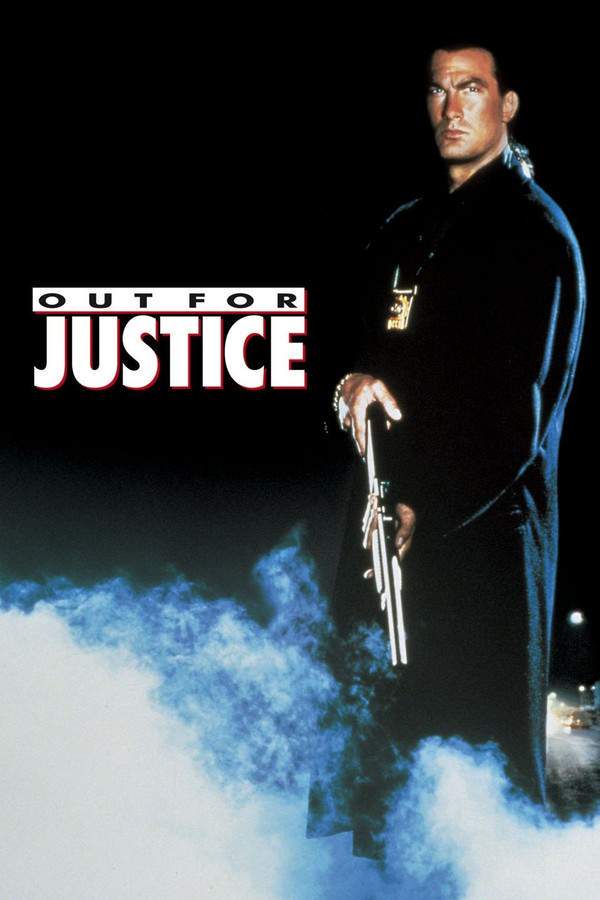
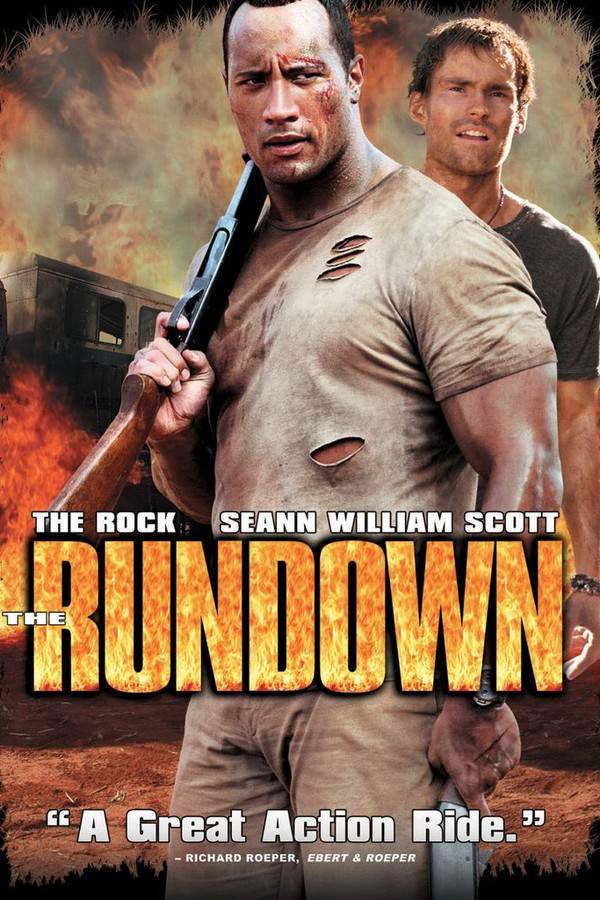
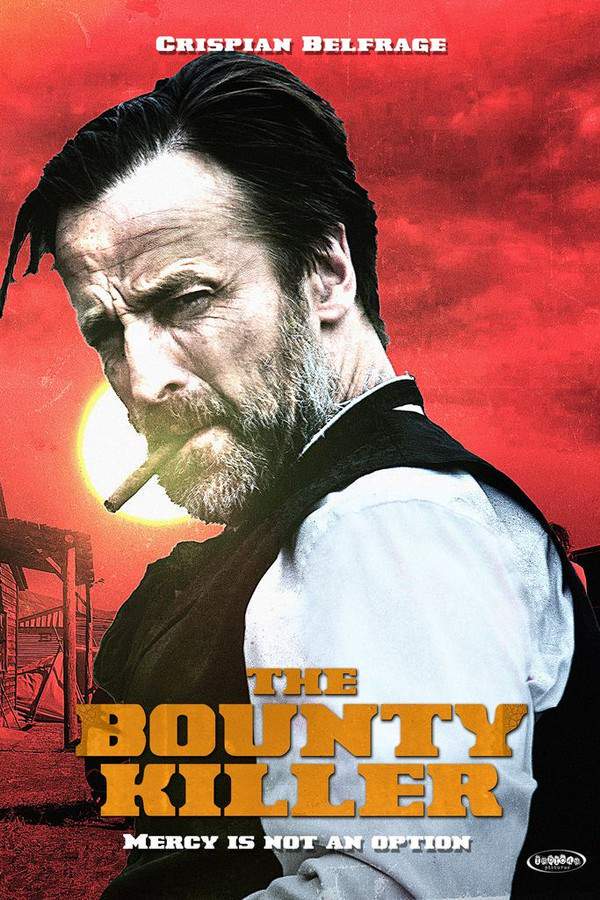
In the southern town of Rock Springs, tensions between whites and natives escalate as the local economy falters and suspicion runs high. The natives refuse to sell access to their ancestral lands to an oil company, a decision that robs the community of potential jobs and triggers a backlash that is quickly exploited by the town’s power holders. The local sheriff, Bo Hopkins Bennett, and his closest associates tighten their grip, using intimidation and coercion to keep the native community in check and to profit from the fear that surrounds them.
A bounty hunter named Robert Ginty Duke Evans rides into Rock Springs under the pretense of tracking down a petty thug named Jimmy Gibbons. His arrival is marked by a bold, confrontational style and a heavy array of firearms that immediately draw the attention of the town’s patrolmen. What seems to be a routine arrest mission soon reveals itself as something far more volatile, with Evans stirring up scrutiny and concern among those who prefer quiet, corrupt order to the risk of real change.
Behind Evans’s arrival lies a personal connection: he is a former military comrade of Thomas Foot, whose family has become the focal point of the town’s fear and controversy. Foot has disappeared and is widely believed to have been murdered by Bennett’s crew, a suspicion that hardens Evans’s resolve. He checks into a local motel, trying to stay under the radar while he begins to piece together what happened to his friend and to monitor the sheriff’s escalating threats.
Evans soon teams up with Loeta Waterdown Marion Foot, Thomas’s sister, who emerges as a crucial ally in this dangerous cityscape. Together, they resolve to purge Rock Springs of its crooked cops and the redneck enforcers the sheriff relies on to enforce his will. Their alliance signals a shift from a simple pursuit of a single target to a much broader quest: dismantling the corrupt regime that has tangled the town in fear, violence, and economic stagnation.
Among Bennett’s henchmen is a beleaguering presence in the form of Dave Lowry Policeman #3, a reminder of how deeply entrenched the sheriff’s machine is in everyday life. His role underscores the systemic support behind the sheriff’s abuses and the challenge Evans and Marion face as they attempt to illuminate the truth and break the cycle of intimidation.
As the story unfolds, Evans and Marion navigate a perilous landscape of threats, moral ambiguity, and practical danger. They must decide whom to trust, how to expose the corruption without becoming consumed by it, and what it truly means to stand up for justice in a town where loyalty is often measured by fear and power. The narrative dwells on themes of loyalty, vengeance, and the cost of seeking justice, painting a gritty portrait of a community torn apart by economic hardship and longstanding prejudice.
> "In the end, vengeance wears many faces, and sometimes the hero wears a badge he didn’t expect."