Plot Explained Spoilers guaranteed!
Plot Explained

Browse by genre

The Black Room (1935) movie poster

Timeline

The Black Room (1935) Timeline Explained – Every Event in Order

Release, runtime and language
1935 · 70 mins · English
Loading streaming availability…
Directed by
Roy William Neill
Starring
Boris Karloff, Robert Allen, Torben Meyer, Katherine DeMille, Thurston Hall, John Buckler

In a 16th‑century European town, a ruling family receives a prophecy that if twin boys are born, the younger will kill the elder. When the popular baron has twins, the older brother becomes selfish and inherits the castle. Fearing the prophecy, he murders his returning younger sibling, hides the body in the sealed “black room,” and assumes his brother’s identity to escape the fate and secure a noblewoman’s hand.

On this page (6)
  1. 1 Where to watch
  2. 2 Events in order (12)
  3. 3 Timeline questions answered
  4. 4 Movie threads
  5. 5 Movies like The Black Room
  6. 6 Every angle
Loading streaming availability…

12 events in order · contains spoilers

The Black Room Timeline: Events in Chronological Order

Every key event of The Black Room (1935) in order, scene by scene, with when and where it takes place. Use it to untangle flashbacks, time jumps and parallel storylines, to refresh your memory before the sequel or to find the exact scene you are thinking of.

  1. Birth of the twins and the prophecy

    In the Tyrolean castle, twin brothers Gregor and Anton are born into the de Berghmann family. An old prophecy warns that the younger brother will kill the elder in the Black Room, casting a long shadow over their lives. The ominous omen sets the stage for a tragic rivalry that defines the family's fate.

    When
    late 18th century
    Where
    Tyrolean castle
  2. Gregor's depravity revealed

    By 1834, Baron Gregor has become a depraved ruler who murders the wives of local peasants. His cruelty unsettles the villagers and fuels whispers of a curse upon the family. The baron's tyranny directly contrasts with his brother's later return.

    When
    1834
    Where
    castle
  3. Anton returns and confronts the rumors

    Anton, Gregor's physically crippled but morally steadfast brother, returns to the castle and refuses to believe the rumors about Gregor. He is kind and beloved by the staff and villagers, a stark contrast to Gregor's brutality. The reunion heightens the tension within the household.

    When
    1834
    Where
    castle
  4. Romance and rival suitors

    Gregor woos Thea, daughter of Colonel Hassell, but Thea's heart truly rests with Anton and Lieutenant Albert Lussan. The complicated affections deepen the rift between the brothers as Thea's loyalties are tested. The balance of power inside the castle shifts as Gregor plots to solidify his control.

    When
    1834
    Where
    castle
  5. Mashka's disappearance and the abdication

    Mashka, a loyal servant, disappears after being seen with Gregor, sparking fear among the villagers. A mob forms and storms the castle to confront the baron. Gregor agrees to abdicate and transfer power to Anton, hoping to quell the unrest.

    When
    1834-1835
    Where
    castle
  6. Relinquishing power and a deadly trap

    Papers are signed relinquishing the baronetcy to Anton, fulfilling the outward gesture of peace. Gregor then lures his unsuspecting brother to the Black Room, murders him, and throws Anton into a pit where Mashka and other victims lie. He dons Anton's identity to advance his own plans.

    When
    1834-1835
    Where
    Black Room, castle
  7. The wedding plan and political murder

    With Anton dead, Gregor moves to wed Thea, whose father supports the match. Lt. Lussan objects to the union, creating a personal stake in the rising tension. In a calculated act, Gregor kills Colonel Hassell during a game of chess and uses a mirror trick to frame Lussan for the crime.

    When
    1835
    Where
    castle
  8. The loyal mastiff detects the impostor

    Anton's mastiff is the only one who senses that the baron is not his master. The dog trails Gregor as he travels to town for the wedding, signaling that the impostor's cover will soon be blown. The animal's instinct adds a twist to the growing pursuit of truth.

    When
    1835
    Where
    castle-to-town route
  9. Lussan and Thea plot to escape

    Lt. Lussan escapes his cell and quietly meets Thea, who urges him to flee. He refuses, choosing to face the consequences rather than abandon the truth about Gregor. The wedding ceremony proceeds in the town cathedral, setting up the final confrontation.

    When
    1835
    Where
    town cathedral
  10. The wedding and the reveal

    As the ceremony nears its close, the priest invites any objections, prompting the dog to strike and expose Gregor in his Anton disguise. The crowd realizes the deception, and the wedding ground to a halt as truth erupts. Gregor's plan to marry Thea collapses in front of the townspeople.

    When
    1835
    Where
    town cathedral
  11. Mob closes in on the castle

    The mob forms and pursues Gregor back to the castle. The mastiff leads the way, squeezing through to the Black Room as the crowd closes in. The chase intensifies the sense that justice will be served in the very place the prophecy foretold.

    When
    1835
    Where
    castle
  12. Final fall in the Black Room

    Gregor is cornered in the Black Room and falls backward onto the knife still held by his murdered brother's hand. The prophecy is fulfilled as the younger brother completes the cycle of murder in the place of the elder. Justice is served, and the castle's dark history ends.

    When
    1835
    Where
    Black Room/pit

Last updated: October 09, 2025 at 10:50

Was this helpful?

Timeline questions answered

The Black Room Timeline Explained: Your Questions Answered

When does it happen, and why in that order? The questions people ask about the chronology of The Black Room (1935): time jumps, flashbacks, cause and effect between scenes and the correct order of events, each answered with spoilers.

Q1

Why does Gregor kill his brother Anton in the Black Room?

Gregor murders Anton because he fears the ancient family prophecy that the younger twin will kill the elder in the Black Room. Rather than waiting for fate to potentially take its course, Gregor decides to eliminate Anton first, believing this will cheat the prophecy. He lures his brother into the Black Room under the pretense of reconciliation, then kills him and throws the body into a pit where previous victims lie.

Foreshadowing: The prophecy is introduced at the twins' birth, casting a shadow over the entire family and setting up the tragic inevitability of the finale.

  • gregor
  • anton
  • black room
  • prophecy
  • murder
  • twins
Q2

How does the prophecy about the twin brothers come true?

The prophecy fulfills itself in an ironic twist: Gregor, having murdered Anton and taken his identity, is chased by a mob back to the Black Room. As he flees through the secret passage, he trips and falls backward onto the knife still clutched in Anton's dead hand. In attempting to cheat the prophecy by killing his brother first, Gregor becomes the instrument of his own death in the very place the prophecy named.

Foreshadowing: The prophecy explicitly names the Black Room as the location where the younger will kill the elder, making this location significant throughout the film.

  • prophecy
  • black room
  • twins
  • fulfillment
  • irony
  • death
Q3

Why does Gregor assume Anton's identity after the murder?

Gregor takes Anton's identity to escape the consequences of his tyrannical rule and to marry Thea Hassel, whom he desires. Since Anton is beloved by the villagers and staff, Gregor believes that posing as his brother will allow him to keep power, inherit the baronetcy legally, and secure the marriage that would cement his control over the region.

Foreshadowing: Gregor's jealousy of Anton's popularity is evident when Anton returns, as Gregor watches his brother win over the staff and villagers he himself has terrorized.

  • gregor
  • anton
  • identity
  • thea
  • impostor
  • marriage
Q4

How does the mastiff detect that Gregor is an impostor?

Anton's loyal mastiff recognizes the real Anton's scent and behavior, sensing immediately that the man posing as Anton is not his true master. The dog follows Gregor as he travels toward town for the wedding, eventually attacking him during the ceremony when the priest asks if anyone objects to the marriage, thus exposing Gregor's deception to the entire congregation.

Foreshadowing: The dog's instinctive loyalty to Anton is established early in the film, making its role in the climax feel earned rather than arbitrary.

  • mastiff
  • dog
  • anton
  • gregor
  • impostor
  • wedding reveal
Q5

Why does Gregor kill Colonel Hassel?

Gregor murders Colonel Hassel because the colonel is the father of Thea and supports the match between Thea and Anton. Since Gregor has killed the real Anton and is impersonating him, Colonel Hassel's approval becomes a threat to Gregor's plan. During a game of chess, Gregor kills Hassel and uses a mirror trick to make it appear as though Lieutenant Lussan committed the murder, framing him for the crime.

Foreshadowing: Colonel Hassel's support of the Anton-Thea marriage creates a direct conflict with Gregor's scheme to take his brother's place.

  • colonel hassel
  • gregor
  • murder
  • chess
  • frame
  • lussan
Q6

Why do the villagers form a mob and demand answers from Gregor?

The villagers form a mob because Gregor has become a cruel ruler who murders the wives of local peasants, and Mashka, a servant, disappears after being seen with the baron. These disappearances and his brutal rule cause fear and anger to build among the townspeople until they finally storm the castle demanding answers and change.

Foreshadowing: Gregor's pattern of violence against the peasant wives establishes his reputation as a tyrant whose cruelty will eventually demand accountability.

  • mob
  • villagers
  • gregor
  • mashka
  • disappearance
  • uprising
Q7

Why does Thea almost marry Gregor thinking he is Anton?

Thea is drawn to both Anton and Lieutenant Lussan, but when Gregor kills Anton and takes his identity, she believes she is marrying the kind-hearted Anton she had come to love. Her father, Colonel Hassel, supports the match, not knowing the truth. Only at the wedding does the mastiff's attack reveal that the groom is actually Gregor in disguise.

Foreshadowing: Thea's affection for Anton is clear from his return, making her unknowing acceptance of Gregor as Anton plausible within the story's logic.

  • thea
  • anton
  • gregor
  • wedding
  • marriage
  • deception
Q8

How does Lieutenant Lussan get framed for Colonel Hassel's murder?

After Gregor murders Colonel Hassel during a game of chess, he arranges the scene to make it appear that Lussan committed the crime. Using a mirror trick, Gregor makes it seem like Lussan was the attacker, allowing him to have the lieutenant arrested and condemned to death, eliminating a man who opposed Gregor's rule and suspected his deception.

Foreshadowing: Lussan's early objections to Gregor and his belief that the baron is not what he seems mark him as a threat to Gregor's plans.

  • lt lussan
  • colonel hassel
  • framed
  • murder
  • arrest
  • chess
Q9

What happens to Mashka in the castle?

Mashka, a servant girl, disappears after being seen in the baron's vicinity. She becomes one of Gregor's victims, her body discarded in the pit within the Black Room alongside other victims including Anton. Her disappearance helps spark the villagers' mob and adds to the growing horror of Gregor's true nature.

Foreshadowing: Mashka's disappearance serves as a warning sign of Gregor's murderous tendencies, foreshadowing Anton's similar fate.

  • mashka
  • servant
  • disappeared
  • black room
  • pit
  • victims
Q10

Why does Gregor murder the peasant wives?

By 1834, Gregor has become a depraved and tyrannical ruler who murders the wives of local peasants, demonstrating his cruelty and complete disregard for his subjects' lives. This brutal behavior earns him the hatred of the villagers and sets the stage for the uprising that forces him to devise his plan to murder Anton and assume his identity.

Foreshadowing: Gregor's cruelty is established early, explaining why the villagers so readily believe the worst of him and why Anton's return is seen as a potential salvation.

  • gregor
  • peasant wives
  • murders
  • cruelty
  • villagers
  • tyranny
Q11

Why does Anton return to the castle despite the rumors about Gregor?

Anton returns to the family castle after years of traveling across Europe, despite the rumors of his brother's cruelty. He refuses to believe these stories about Gregor and returns with a gentler presence that starkly contrasts his brother's tyranny. His return is motivated by family loyalty and a desire to see his homeland, but it ultimately leads to his murder at Gregor's hands.

Foreshadowing: Anton's trusting nature and refusal to believe ill of his brother make him vulnerable to Gregor's trap.

  • anton
  • return
  • castle
  • gregor
  • rumors
  • trust
Q12

What is the origin of the prophecy about the twin brothers?

The prophecy is an ancient family curse that has hung over the de Berghmann line since the twins' birth in the late 18th century. It warns that the younger brother will kill the elder in the Black Room, a prediction that drives Gregor's fear and ultimately his decision to murder Anton first. The prophecy was known to the family and created tension throughout the brothers' lives.

Foreshadowing: The prophecy is mentioned at the twins' birth, establishing the fatalistic tone that governs the family's tragic history.

  • prophecy
  • twins
  • black room
  • family curse
  • origin
  • fate

Movie threads

More Movies Like The Black Room, by Mood & Story

Curated lists built around what makes The Black Room tick: the same mood, the same kind of story or the same emotional payoff. Each list explains why these movies belong together.

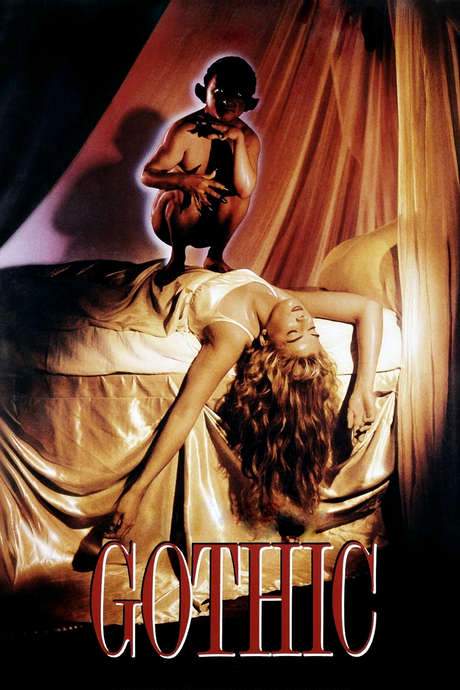
Gothic tales of destiny like in The Black Room

Stories where ancient curses and inescapable prophecies seal the characters' grim fates. For viewers who enjoyed the fatalistic dread of The Black Room, this collection features movies where ancient curses and dark prophecies dictate the narrative. Find similar gothic horror and period dramas with a heavy sense of impending doom and grimly inevitable justice.

  • gothic
  • ominous
  • fatalistic
  • melancholic
  • grim
  • foreboding
  • Tone: dark, fatalistic, foreboding
  • Pacing: steady, deliberate
Why these movies?

The story pattern: The narrative typically begins with the establishment of a curse or prophecy that sets a tragic chain of events in motion. Characters, often driven by greed or fear, try to outwit fate, but their efforts only hasten the prophecy's fulfillment. The story structure is methodical, building towards an inexorable and often bitter conclusion where the characters are ultimately punished by the forces they sought to defy.

Why they belong together: These films are grouped together by their shared focus on supernatural determinism, a dark and oppressive tone, and a steady pacing that builds towards an unavoidable tragic end. They create a cohesive experience of melancholic dread and fatalistic horror.
Thrillers about impostors like in The Black Room

Thrillers where a character assumes another's identity, concealing a terrible secret. If you liked the sinister plot of impersonation in The Black Room, explore these movies about characters assuming false identities. Discover similar crime and horror thrillers focused on murder, deception, and the psychological tension of living a lie that is destined to collapse.

  • tense
  • deceptive
  • claustrophobic
  • paranoid
  • grim
  • psychological
  • Tone: dark, tense, psychological
  • Pacing: steady, methodical
Why these movies?

The story pattern: The plot revolves around a central act of murder and identity theft. The protagonist-antagonist then navigates a world where they must perfectly mimic their victim, leading to a tense cat-and-mouse game as others grow suspicious. The narrative is driven by the psychological burden of the secret and the tightening noose of fate or investigation, culminating in a violent and dramatic revelation.

Why they belong together: Movies in this thread share a core narrative pattern of murder and impersonation, a high level of psychological tension, and a dark tone focused on betrayal. The experience is defined by a steady unraveling of deception and a focus on the moral and fatal consequences of the crime.

If you liked this

Movies Like The Black Room

Similar movies to The Black Room: the same genre, themes or kind of story. Each one comes with its own plot summary, timeline and ending explained.

Browse all movie summaries

Every angle

The Black Room (1935) Explained: Plot, Timeline & Characters

Everything about The Black Room in one place: what happens in the plot summary, the timeline in chronological order, the characters and meaning and a spoiler-free summary. What's After the Movie adds the cast, box office and post-credit scenes.

Coming soon on iOS and Android

The Plot Explained Movie Summary App

Plot summaries, endings explained and timelines on your phone. Catch up on any movie in minutes, save your favorites and never miss a twist again.

Be the first to know when we launch. Your email stays private, always.

Learn more about the app