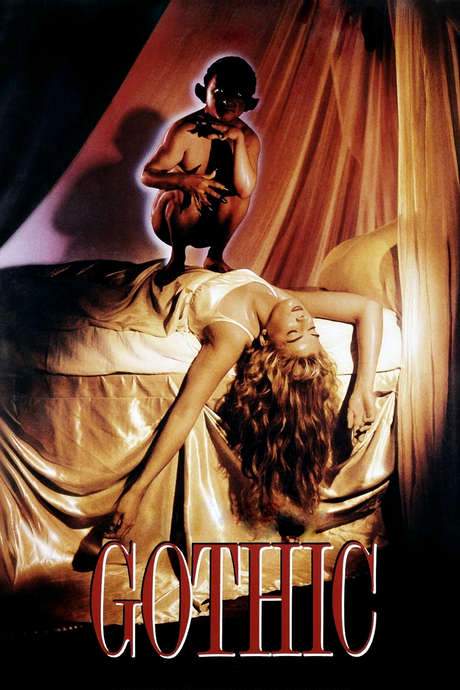
In a shadowy Gothic maze of power and revenge, Alain de Maletroit nurses a long-simmering grudge against his younger brother, Edmond de Maletroit, who once stole Alain’s childhood sweetheart—the woman who died giving birth to Edmond’s daughter, Blanche. Wielding control and silence like weapons, Alain quietly imprisons Edmond in his dungeon for two decades and persuades Blanche that her father is dead, severing any hope of reunion.
Driven by a desire to break Blanche’s spirit as further payback, Alain engineers a cruel ploy: he tempts a debauched, high-born rogue, Denis de Beaulieu, into believing he has murdered a man, then lures him toward the Maletroit estate. Denis slips into the château through an exterior door that lacks an interior latch, and Alain seizes the opportunity to make him Blanche’s husband, a union she neither desires nor can resist without constraint.
Meanwhile, Edmond, recognizing the danger to Blanche, directs the family’s enigmatic servant Voltan to kill Denis before the wedding can take place. But Denis, showing unexpected courage and humanity, reveals a noble side that Blanche begins to see beyond his roguish facade. She pleads with Voltan to spare Denis’s life, and Voltan, moved by her appeal, helps him escape rather than fulfill the grim order.
Despair gives way to a fragile hope when a newlywed pair—Denis and Blanche—seek a path to freedom. Their plan gains a boost when Count Grassin, a dignified aristocrat who once crossed paths with Blanche’s world, offers his aid. They imagine a dramatic escape by carriage, racing toward a horizon where their love could flourish. Tragically, the supposed escape carriage contains the Count’s lifeless body, murdered by the calculating Talon, a detail that shatters their hope and tightens Alain’s grip.
A cemetery confrontation fans the flames of danger, and the trio is captured once more and returned to the castle. [Voltan] fights on their behalf, taking a bullet and wounding two of Alain’s men, buying precious seconds that allow Edmond, Blanche, and Denis to cling to the possibility of escape. Yet Alain’s crushing death-trap—the waterwheel—stands as the ultimate test of their resolve: he locks the stone cell and begins to press the walls inward, threatening to crush them all.
In a burst of desperate valor, Voltan grapples with Alain and wrests the key to the dungeon free. The plan depends on a fleeting, heroic rescue, as Voltan fights through guards and, with his life fading, passes the key to Denis de Beaulieu just as the walls begin to close again. The trio—Denis, Blanche, and Edmond—seize the moment and escape the cell, stepping into an uncertain future that hinges on their courage and the fragile mercy of a man who once believed he could control every outcome.
With the path cleared, Denis and Blanche choose to remain together, embracing the bond they forged under strain and danger. In the castle’s closing act, Edmond, ever the patient conspirator of this grim saga, has the peculiar door that facilitated so much danger removed from the château, signaling a quiet end to a complicated, perilous chapter. The tale closes not with a triumphant flourish, but with a hard-won sense of newfound autonomy for those who dared to defy a cruel design and risk everything for love, truth, and a life they could claim as their own.