Plot Explained Spoilers guaranteed!
Plot Explained

Browse by genre

The Big Operator (1959) movie poster

Timeline

The Big Operator (1959) Timeline Explained – Every Event in Order

Release, runtime and language
1959 · 91 mins · English
Directed by
Charles F. Haas
Starring
Mickey Rooney, Lawrence Dobkin, Jim Backus, Mamie Van Doren, Don 'Red' Barry, Leo Gordon

A ruthless union boss resorts to murder to silence witnesses slated to testify against him, employing goons, torch killers and labor racketeers. The film features an eclectic ensemble cast with Mickey Rooney, Mamie Van Doren, Mel Tormé, Jay North, Vampira, Charles Chaplin Jr., Jackie Coogan and Norman Grabowski.

On this page (5)
  1. 1 Events in order (13)
  2. 2 Timeline questions answered
  3. 3 Movie threads
  4. 4 Movies like The Big Operator
  5. 5 Every angle

13 events in order · contains spoilers

The Big Operator Timeline: Events in Chronological Order

Every key event of The Big Operator (1959) in order, scene by scene, with when and where it takes place. Use it to untangle flashbacks, time jumps and parallel storylines, to refresh your memory before the sequel or to find the exact scene you are thinking of.

  1. Braun orders hit and theft at the factory

    On the night before the Senate inquiry, Little Joe Braun dispatches hit man Wetzel to kill a witness named Tragg and steal incriminating documents from Tragg's possession at a factory. The move demonstrates Braun's willingness to use violence to protect himself and interfere with testimony. It sets the tone for the corrupt, coercive world the film portrays.

    When
    Night before Senate inquiry
    Where
    Tragg's factory
  2. Union factions collide

    Two factions within the union clash when workers arrive for a strike, revealing Braun's grip over the organization and the danger of dissent. The scene shows how loyalty and power are weaponized in the labor world. It foreshadows the broader conflict that drives the investigation.

    When
    During strike day
    Where
    Union hall
  3. McAfee expelled from the union

    McAfee is expelled from the union allegedly for overdue dues, signaling Braun's control over union rules and discipline. The action isolates McAfee and marks him as a potential threat to Braun's plans. The incident deepens the tension surrounding the inquiry.

    When
    Soon after the strike
    Where
    Union hall
  4. Witnesses to the crime

    Gibson and McAfee, two factory workers and friends, accidentally witness Wetzel meeting Braun after the crime. Their discovery makes them potential witnesses who could expose Braun's involvement. The danger they face begins to accumulate quickly.

    When
    Immediately after the crime
    Where
    Factory vicinity
  5. Senate testimony and the Fifth

    Braun testifies before the Senate committee and pleads the Fifth Amendment, attempting to avoid incriminating himself. He vehemently denies knowing the mob enforcer Wetzel. The moment highlights the legal peril he faces from the alleged crimes.

    When
    During inquiry
    Where
    Senate chamber
  6. Perjury risk and exposure

    With perjury charges looming, Braun realizes that Gibson and McAfee could put him behind bars. He weighs the risk of corroboration against his strategy to deny and deflect. The tension between public testimony and private threats intensifies.

    When
    Between hearings
    Where
    Senate chamber
  7. Braun offers bribes to quiet the witnesses

    Braun offers Gibson and McAfee high-paying no-show jobs to keep them quiet and away from the witness stand. The offer exposes Braun's willingness to buy silence and manipulate outcomes. The moment shows how corruption extends beyond the factory into people's livelihoods.

    When
    After testimony
    Where
    Braun's office
  8. Campaign of intimidation begins

    A campaign of intimidation targets the two men. They are harassed at work and ultimately fired on false grounds, escalating the pressure on them. The harassment is designed to break their resolve and silence their testimony.

    When
    Following attempted intimidation
    Where
    Workplace
  9. McAfee is set afire

    McAfee is set aflame, suffering serious burns in the attack. The assault deepens the personal risk for the witnesses and demonstrates Braun's ruthless tactics. The event serves as a turning point that moves the investigation forward.

    When
    After intimidation campaign
    Where
    Workplace
  10. Timmy is abducted

    Gibson and wife Mary panic as their son Timmy is taken captive. The abduction heightens the stakes for everyone involved and adds a personal deadline for action. The family crisis compounds the danger surrounding the case.

    When
    Soon after abduction
    Where
    Home
  11. Pursuit to the hideout

    Gibson, who had been blindfolded in Braun's car, retraces the route to the hideout where Timmy is being held. The scene emphasizes his determination and memory as a key to rescuing Timmy. The pursuit intensifies as time runs short.

    When
    During pursuit
    Where
    Hideout
  12. Final confrontation and rescue

    Gibson fights Wetzel and his accomplices and, with authorities on the scene, they locate Braun's hideout. They find Braun cowering in a closet with Timmy, a moment that confirms the plot behind the threats. Braun is hauled away to jail as the case closes.

    When
    Confrontation at hideout
    Where
    Hideout
  13. Braun's arrest and aftermath

    Braun is dragged away to jail, ending his influence over the union and his ability to threaten witnesses. The witnesses' perseverance leads to accountability for the crime. The film closes with the resolution of the central conflict and a sense of justice served.

    When
    Immediately after rescue
    Where
    Jail

Last updated: October 09, 2025 at 11:07

Was this helpful?

Timeline questions answered

The Big Operator Timeline Explained: Your Questions Answered

When does it happen, and why in that order? The questions people ask about the chronology of The Big Operator (1959): time jumps, flashbacks, cause and effect between scenes and the correct order of events, each answered with spoilers.

Q1

Why does Little Joe Braun target Bill Gibson and Fred McAfee?

Braun targets Gibson and McAfee because they accidentally witnessed him meeting with hit man Oscar Wetzel immediately after the murder of witness Tragg. Since Braun had testified before the Senate committee and denied knowing Wetzel, these two men became potential witnesses who could expose his perjury and connect him to the crime. Their testimony would prove Braun lied under oath, so he needed to silence them before they could testify against him.

  • witness
  • intimidation
  • perjury
  • Senate hearing
Q2

Why does Braun invoke the Fifth Amendment during the Senate hearing?

Braun pleads the Fifth Amendment to avoid self-incrimination about his connection to mob enforcer Oscar Wetzel. While testifying, he denies knowing Wetzel despite having sent him to kill Tragg and steal documents. By invoking the Fifth, Braun prevents having to answer questions that could directly incriminate him for ordering the murder and racketeering activities, though the perjury risk remains if witnesses can prove he lied about not knowing Wetzel.

  • Fifth Amendment
  • Senate committee
  • perjury
  • self-incrimination
Q3

Why is Fred McAfee expelled from the union?

McAfee is expelled from the union under the pretext of overdue dues, but the real reason is his potential to testify against Braun. The expulsion serves as both punishment and intimidation, removing McAfee from the union's protection while creating a seemingly legitimate justification. This mirrors Braun's broader tactic of using his union power to eliminate anyone who threatens his criminal enterprise.

  • union expulsion
  • intimidation
  • witness tampering
Q4

How does Bill Gibson find Timmy's hideout location?

Gibson finds the hideout by retracing the route he was taken on while blindfolded in Braun's car. Despite being blindfolded during the abduction, Gibson pays close attention to turns, distances, and landmarks, allowing him to guide authorities back to the location. His determination and memory prove crucial in rescuing his son before Braun can escape or harm him.

  • blindfold
  • hideout
  • rescue
  • abduction
Q5

What clue helps authorities locate Braun's hideout?

A burning cigar in an ashtray serves as the critical clue that betrays Braun's location. When authorities search the area, they notice fresh cigar smoke indicating someone recently occupied the space. This small detail leads them to discover Braun cowering in a closet with the kidnapped boy Timmy, confirming his direct involvement in the abduction.

  • cigar
  • hideout
  • arrest
  • clue
Q6

Why does Braun resort to kidnapping Timmy?

Braun kidnaps Timmy to escalate his intimidation campaign against Gibson after simpler tactics failed. Having already harassed Gibson at work, gotten him fired, and had McAfee set on fire, Braun uses the kidnapping to apply maximum pressure. The abduction turns a private labor dispute into a public crisis, forcing Gibson to prioritize his son's safety over testifying, effectively attempting to silence the witness permanently.

  • kidnapping
  • escalation
  • intimidation
  • family
Q7

What happens to Fred McAfee after the intimidation campaign?

McAfee is set on fire in a brutal attack that leaves him with serious burns and nearly kills him. This assault represents Braun's escalation from harassment and firing to attempted murder, demonstrating the ruthless tactics Braun employs to eliminate witnesses. The attack forces McAfee out of action temporarily but also strengthens the case against Braun by making the threat level undeniable.

  • burning
  • attack
  • witness
  • violence
Q8

Why does Braun order Tragg's murder before the Senate hearing?

Braun orders Tragg's murder to eliminate a witness who possesses incriminating documents that could be used against him during the Senate inquiry. By killing Tragg and stealing these documents on the night before the hearing, Braun attempts to destroy evidence of his criminal activities, including union racketeering and mob connections. This pre-emptive strike shows Braun's willingness to commit murder to protect himself from testimony.

  • witness elimination
  • documents
  • murder
  • Senate inquiry
Q9

Why does Braun offer Gibson and McAfee no-show jobs?

Braun offers Gibson and McAfee high-paying no-show jobs as a bribery attempt to buy their silence. Recognizing they could testify about seeing him with Wetzel, Braun tries to financially incentivize them to stay away from the witness stand. This approach represents a calculated attempt to neutralize the threat through corruption rather than violence, though it ultimately fails when the men reject the deal.

  • bribe
  • silence
  • witness
  • job offer
Q10

What is the significance of the union factions conflict in the story?

The union factions conflict reveals Braun's precarious control over the labor organization and foreshadows the broader investigation. When workers arrive to find two opposing sides, one on strike, the other asserting control, the scene demonstrates how Braun has weaponized union power for personal gain. This internal division reflects the corruption underlying the organization and sets up the external Senate scrutiny that threatens Braun's empire.

  • union
  • strike
  • factions
  • power struggle
Q11

What is Oscar Wetzel's role in Braun's operation?

Oscar Wetzel, nicknamed "The Executioner," serves as Braun's primary hit man and enforcer. He carries out the murder of witness Tragg and theft of incriminating documents, representing the violent arm of Braun's criminal enterprise. Wetzel later participates in the kidnapping of Timmy and fights Gibson during the final confrontation, acting as Braun's instrument of intimidation and violence throughout the film.

  • hit man
  • enforcer
  • Wetzel
  • murder
Q12

How does the film end for Little Joe Braun?

Braun is arrested at the end of the film after being discovered cowering in a closet with the kidnapped boy Timmy. The final confrontation sees Gibson and authorities storm the hideout, where Wetzel and his accomplices are overpowered. Braun is dragged off to jail, bringing his reign of union corruption and violence to an end. The resolution provides a clear victory for the protagonists and accountability for the villain's crimes.

  • arrest
  • jail
  • resolution
  • conviction

Movie threads

More Movies Like The Big Operator, by Mood & Story

Curated lists built around what makes The Big Operator tick: the same mood, the same kind of story or the same emotional payoff. Each list explains why these movies belong together.

Thrillers about fighting corruption like The Big Operator

Ordinary people pushed to the brink by ruthless, organized criminal power. If you liked the high-stakes battle against a powerful union boss in The Big Operator, you'll find similar tension in these movies. This list features stories of ordinary people risking everything to expose organized crime and systemic corruption, delivering fast-paced, intense dramas with a heavy emotional weight.

  • tense
  • gritty
  • desperate
  • threatening
  • relentless
  • anxious
  • Tone: tense, threatening, oppressive
  • Pacing: fast, relentless
Why these movies?

The story pattern: Stories in this thread typically follow a linear, escalating conflict where a common man or family is targeted by a powerful criminal entity. The narrative is driven by a series of threats and acts of violence, forcing the protagonist into a desperate fight for survival that often culminates in a direct, physical confrontation with the antagonists.

Why they belong together: These movies are grouped by their shared high-intensity vibe, oppressive tone, and straightforward narrative of good versus an entrenched evil. They generate anxiety through the power imbalance and relentless threats, focusing on themes of moral courage and the vulnerability of the family unit.

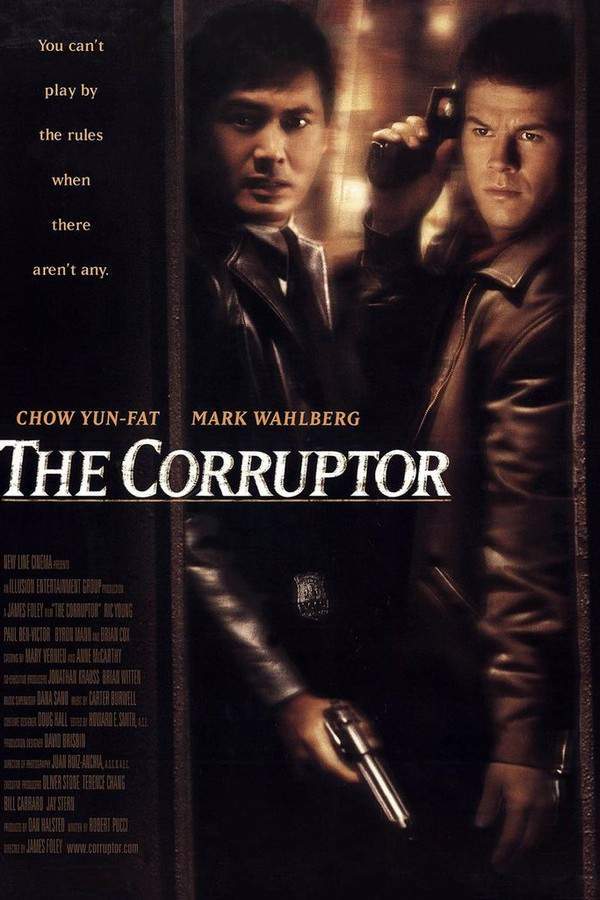
Gritty fast-paced crime movies like The Big Operator

Hard-edged, no-frills crime stories that move at a breakneck pace. Fans of The Big Operator's anxious, fast-moving plot will enjoy these similarly gritty crime stories. This collection highlights films with a straightforward narrative, high intensity, and a tense, oppressive tone, perfect for viewers seeking uncomplicated, hard-hitting thrillers from the classic era and beyond.

  • gritty
  • fast-paced
  • tense
  • anxious
  • noir-inspired
  • urban crime
  • Tone: tense, gritty, bleak
  • Pacing: fast, economical
Why these movies?

The story pattern: The narrative pattern is direct and efficient: a crime is committed, a threat is established, and the plot rapidly escalates through a series of violent encounters and narrow escapes. Character depth is often secondary to the propulsion of the plot, which moves linearly toward a decisive climax.

Why they belong together: Movies are grouped here based on their shared combination of a straightforward plot, fast pacing, high intensity, and a consistently tense, gritty mood. The focus is on the visceral experience of a compact, anxiety-driven crime story without subplots or significant tonal shifts.

If you liked this

Movies Like The Big Operator

Similar movies to The Big Operator: the same genre, themes or kind of story. Each one comes with its own plot summary, timeline and ending explained.

Browse all movie summaries

Every angle

The Big Operator (1959) Explained: Plot, Timeline & Characters

Everything about The Big Operator in one place: what happens in the plot summary, the timeline in chronological order, the characters and meaning and a spoiler-free summary. What's After the Movie adds the cast, box office and post-credit scenes.

Coming soon on iOS and Android

The Plot Explained Movie Summary App

Plot summaries, endings explained and timelines on your phone. Catch up on any movie in minutes, save your favorites and never miss a twist again.

Be the first to know when we launch. Your email stays private, always.

Learn more about the app