Plot Explained Spoilers guaranteed!
Plot Explained

Browse by genre

The Big Operator (1959) movie poster

Characters & Themes

The Big Operator (1959) Characters, Setting & Themes Explained

Release, runtime and language
1959 · 91 mins · English
Directed by
Charles F. Haas
Starring
Mickey Rooney, Lawrence Dobkin, Jim Backus, Mamie Van Doren, Don 'Red' Barry, Leo Gordon

A ruthless union boss resorts to murder to silence witnesses slated to testify against him, employing goons, torch killers and labor racketeers. The film features an eclectic ensemble cast with Mickey Rooney, Mamie Van Doren, Mel Tormé, Jay North, Vampira, Charles Chaplin Jr., Jackie Coogan and Norman Grabowski.

On this page (7)
  1. 1 Characters explained (7)
  2. 2 Where & when it takes place
  3. 3 Themes & meaning (3)
  4. 4 Character & meaning questions
  5. 5 Movie threads
  6. 6 Movies like The Big Operator
  7. 7 Every angle

7 main characters · contains spoilers

The Big Operator Characters Explained: Who Is Who

The main characters of The Big Operator (1959), heroes and villains: what drives them, how they change over the course of the story and what each of them reveals about the film's bigger ideas.

  • Little Joe Braun (Mickey Rooney)

    A ruthlessly calculating union boss who wields influence over workers and politicians. He orchestrates violent acts and document theft to protect his power, and he fights to dodge testimony by any means. His control over the union signals how organized labor can be weaponized for crime, until confronted by evidence and stubborn resistance.

    • 👤 Antagonist
    • 🧭 Manipulative
    • 🗳️ Power
  • Oscar Wetzel (Ray Danton)

    The mob’s hit man, known as 'The Executioner,' who carries out Braun’s orders with cold efficiency. He embodies the violent, behind-the-scenes leverage used to threaten witnesses. His clashes with the protagonists escalate the danger and tension of the investigation.

    • 🗡️ Violent
    • 🕵️‍♂️ Enforcer
    • 🧨 Threat
  • Bill Gibson (Steve Cochran)

    Factory worker and accidental eyewitness who becomes a key target for Braun’s intimidation. He shows resourcefulness in retracing the route to Timmy’s hideout and standing up to the mob’s pressure. His courage drives the pursuit of justice for his family and fellow workers.

    • 👤 Witness
    • 🛡️ Protector
    • 🏭 Worker
  • Fred McAfee (Mel Tormé)

    Gibson’s friend and fellow eyewitness who endures a brutal arson attack. His assault highlights the brutality used to suppress witnesses. His resilience under duress reflects the broader cost of resisting organized crime.

    • 👤 Witness
    • 🧯 Survivor
    • 🕶️ Courage
  • Mary Gibson (Mamie Van Doren)

    Bill Gibson’s wife, anxious and protective of her family as Timmy is threatened. She embodies the civilian fear sparked by criminal power but also the resolve to seek help and persevere. Her perspective adds emotional depth to the price of standing up to corruption.

    • 👤 Family
    • ❤️ Courage
    • 🕊️ Resolve
  • Timmy Gibson (Jay North)

    Bill and Mary’s son, an innocent kid who becomes the target of the mob’s intimidation. His kidnapping raises the stakes and personalizes the conflict between workers’ safety and criminal interests. His situation motivates adults to push for justice.

    • 👤 Child
    • 🕯️ Innocence
    • 🧸 Hope
  • Detective Sergeant (Don Red Barry)

    played by Don 'Red' Barry

    Law enforcement figure driving the investigation, gathering evidence, and helping to bring Braun to account. He represents the pursuing authorities and the rule of law in the face of intimidation. His presence anchors the pursuit of truth amid dangerous pressures.

    • 👤 Authority
    • 🕵️ Investigation
    • 🕊️ Justice

Last updated: October 04, 2025 at 16:25

Was this helpful?

Setting

Where and When Does The Big Operator Take Place?

The setting of The Big Operator (1959): the year and time period, the places and locations, and how they shape the characters, the mood and the tension of the story.

Time period

Location

Factory, Senate hearing room, Braun's hideout

The action centers on an industrial city’s factory floor and the backroom power plays that control it. A Senate inquiry provides a public stage for corruption, while Braun's hideout highlights the private network of intimidation. The settings switch between loud, working environments and tense, covert spaces that show how crime extends from street to state power.

  • 🏭 Industrial
  • 🗳️ Political intrigue
  • 🧨 Crime

Last updated: October 04, 2025 at 16:25

Was this helpful?

3 major themes

The Big Operator Meaning: Themes & Message Explained

What is The Big Operator (1959) really about? The emotional, social and philosophical themes the film keeps returning to, its symbolism and the message beneath the surface.

  • Power and Corruption

    A ruthless union leader uses his authority to shield criminals and manipulate workers. The plot reveals how influence in labor and politics can bend justice, with perjury charges looming over Braun. The contrast between public testimony and private actions underscores how power corrupts pursuit of truth. The story treats control over people as a tool for crime.

  • Fear and Intimidation

    Witnesses are harassed, fired on false grounds, and subjected to threats to derail investigations. The intimidation extends to families, as seen with the Gibson household and Timmy’s kidnapping. The menace is both psychological and physical, creating constant tension as the protagonists resist coercion. Violence is used to enforce silence and preserve the status quo.

  • Justice and Accountability

    The Senate hearing and the pursuit of evidence push Braun toward accountability. Perjury charges and a determined investigation threaten to unravel the mob-backed power structure. The climactic confrontation shows that legal processes and determined witnesses can pierce even entrenched corruption. The finale reinforces that justice seeks to restore balance after organized crime’s reach.

Last updated: October 04, 2025 at 16:25

Was this helpful?

Character & theme questions

The Big Operator Characters & Meaning: Your Questions Answered

The questions people ask about The Big Operator (1959): who the characters really are, their relationships, what the symbols mean, where it takes place and what the movie is really about. Each answer contains spoilers.

Q1

What are the main settings and locations in the film?

The story unfolds across an industrial city's factory floor where the union operates, a Senate hearing room that serves as the public stage for exposing corruption, and Braun's private hideout where intimidation tactics are orchestrated. These settings contrast loud, working-class environments with tense, covert spaces, illustrating how criminal influence stretches from the factory floor to government institutions.

  • factory
  • senate hearing
  • industrial city
  • settings
  • locations
Q2

Who is Little Joe Braun and what is his role in the story?

Little Joe Braun (played by Mickey Rooney) is a ruthless union boss who wields significant influence over workers and politicians. He orchestrates violent acts and document theft to protect his power, using the union as a tool for organized crime. His role represents how legitimate labor organizations can be weaponized when corrupted from within.

  • little joe braun
  • union boss
  • mickey rooney
  • labor racketeering
Q3

Who is Oscar Wetzel and what does he do?

Oscar Wetzel (Ray Danton) is the mob's professional hitman known as 'The Executioner.' He carries out Braun's orders with cold efficiency, using violence to threaten and eliminate witnesses who might testify against the union boss. He represents the brutal, behind-the-scenes leverage used to enforce the criminal enterprise's grip on the investigation.

  • oscar wetzel
  • executioner
  • hitman
  • ray donton
  • mobster
Q4

Who is Bill Gibson and why is he important?

Bill Gibson (Steve Cochran) is a factory worker who becomes an accidental eyewitness to Braun's crimes. As a key target for intimidation, he represents the ordinary worker caught in the crossfire of organized crime. His courage in facing threats and his determination to expose the truth drive the pursuit of justice throughout the film.

  • bill gibson
  • steve cochran
  • eyewitness
  • factory worker
Q5

What is the Power and Corruption theme about?

The film explores how a ruthless union leader uses his authority to shield criminals, manipulate workers, and bend justice. The contrast between public testimony and private actions underscores how power corrupts the pursuit of truth. Braun's use of perjury charges and political influence demonstrates how organized crime infiltrates both labor and government.

  • power
  • corruption
  • union
  • justice
  • influence
Q6

How does Fear and Intimidation drive the plot?

Witnesses are harassed, fired on false grounds, and subjected to physical threats to derail investigations. The intimidation extends to families, as seen when Timmy Gibson is kidnapped. This psychological and physical menace creates constant tension, with violence used as a tool to enforce silence and preserve the criminal status quo.

  • fear
  • intimidation
  • threats
  • harassment
  • kidnapping
Q7

What does Justice and Accountability mean in this movie?

The Senate hearing and determined investigation push Braun toward accountability. Perjury charges and stubborn witnesses threaten to unravel the mob-backed power structure. The climax shows that legal processes and courageous individuals can pierce even entrenched corruption, with the ending reinforcing that justice seeks to restore balance after organized crime's reach.

  • senate hearing
  • justice
  • accountability
  • investigation
  • perjury
Q8

What role does the Senate hearing play in the story?

The Senate hearing serves as the public stage where corruption is exposed and Braun's crimes are brought to light. It provides the framework for the investigation that threatens to unravel his criminal enterprise, representing the clash between government institutions and organized crime.

  • senate hearing
  • investigation
  • testimony
  • government
  • inquiry
Q9

What kind of world does the movie portray?

The film depicts an industrial working world where crime extends from street-level operations to state power. Factory floors and backroom power plays define the environment, showing how legitimate businesses and labor organizations can be corrupted. The contrast between public and private spaces highlights the duality of normal society and criminal underground.

  • industrial
  • factory
  • working class
  • crime world
  • environment
Q10

Who is Timmy Gibson and why is he targeted?

Timmy Gibson (Jay North) is the young son of Bill and Mary Gibson who becomes a target of the mob's intimidation. His kidnapping raises the personal stakes of the conflict and personalizes the battle between worker safety and criminal interests. His situation motivates the adult characters to push harder for justice.

  • timmy gibson
  • jay north
  • kidnapping
  • target
  • family
Q11

What is the tone and atmosphere of the film?

The film carries a dominantly tense tone driven by the power imbalance between a vulnerable protagonist and a well-protected antagonist. With fast pacing and continuous threats including violence and a child kidnapping, the story maintains high intensity throughout. While the ending provides a clear resolution with the villain's arrest, the overall journey remains dark and serious.

  • tone
  • atmosphere
  • tension
  • thriller
  • suspense

Movie threads

More Movies Like The Big Operator, by Mood & Story

Curated lists built around what makes The Big Operator tick: the same mood, the same kind of story or the same emotional payoff. Each list explains why these movies belong together.

Thrillers about fighting corruption like The Big Operator

Ordinary people pushed to the brink by ruthless, organized criminal power. If you liked the high-stakes battle against a powerful union boss in The Big Operator, you'll find similar tension in these movies. This list features stories of ordinary people risking everything to expose organized crime and systemic corruption, delivering fast-paced, intense dramas with a heavy emotional weight.

  • tense
  • gritty
  • desperate
  • threatening
  • relentless
  • anxious
  • Tone: tense, threatening, oppressive
  • Pacing: fast, relentless
Why these movies?

The story pattern: Stories in this thread typically follow a linear, escalating conflict where a common man or family is targeted by a powerful criminal entity. The narrative is driven by a series of threats and acts of violence, forcing the protagonist into a desperate fight for survival that often culminates in a direct, physical confrontation with the antagonists.

Why they belong together: These movies are grouped by their shared high-intensity vibe, oppressive tone, and straightforward narrative of good versus an entrenched evil. They generate anxiety through the power imbalance and relentless threats, focusing on themes of moral courage and the vulnerability of the family unit.

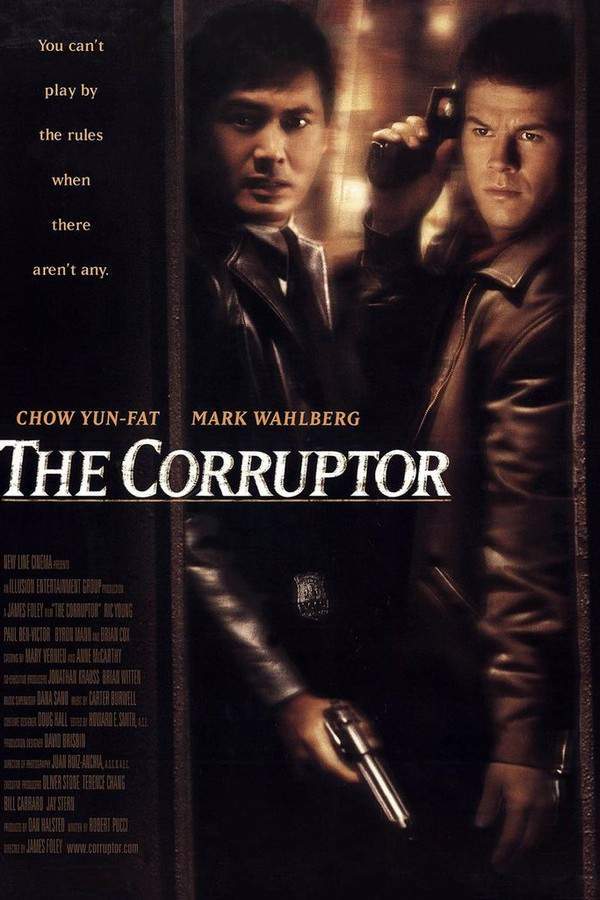
Gritty fast-paced crime movies like The Big Operator

Hard-edged, no-frills crime stories that move at a breakneck pace. Fans of The Big Operator's anxious, fast-moving plot will enjoy these similarly gritty crime stories. This collection highlights films with a straightforward narrative, high intensity, and a tense, oppressive tone, perfect for viewers seeking uncomplicated, hard-hitting thrillers from the classic era and beyond.

  • gritty
  • fast-paced
  • tense
  • anxious
  • noir-inspired
  • urban crime
  • Tone: tense, gritty, bleak
  • Pacing: fast, economical
Why these movies?

The story pattern: The narrative pattern is direct and efficient: a crime is committed, a threat is established, and the plot rapidly escalates through a series of violent encounters and narrow escapes. Character depth is often secondary to the propulsion of the plot, which moves linearly toward a decisive climax.

Why they belong together: Movies are grouped here based on their shared combination of a straightforward plot, fast pacing, high intensity, and a consistently tense, gritty mood. The focus is on the visceral experience of a compact, anxiety-driven crime story without subplots or significant tonal shifts.

If you liked this

Movies Like The Big Operator

Similar movies to The Big Operator: the same genre, themes or kind of story. Each one comes with its own plot summary, timeline and ending explained.

Browse all movie summaries

Every angle

The Big Operator (1959) Explained: Plot, Timeline & Characters

Everything about The Big Operator in one place: what happens in the plot summary, the timeline in chronological order, the characters and meaning and a spoiler-free summary. What's After the Movie adds the cast, box office and post-credit scenes.

Coming soon on iOS and Android

The Plot Explained Movie Summary App

Plot summaries, endings explained and timelines on your phone. Catch up on any movie in minutes, save your favorites and never miss a twist again.

Be the first to know when we launch. Your email stays private, always.

Learn more about the app