Plot Explained Spoilers guaranteed!
Plot Explained

Browse by genre

The Untouchables (1987) movie poster

Plot Summary

The Untouchables (1987) Plot Summary Explained

Release, runtime and language
1987 · 119 min · Spanish
JustWatch #6,425 27
Directed by
Brian De Palma
Starring
Robert De Niro, Sean Connery, Kevin Costner

During the 1930s in Chicago, Eliot Ness assembles a trusted team to dismantle the criminal empire of Al Capone. Facing corruption and immense danger, Ness and his men relentlessly pursue justice, confronting Capone's ruthless tactics and powerful network. Their fight tests their courage and resolve as they strive to bring down one of the most notorious gangsters in American history.

On this page (6)
  1. 1 Where to watch
  2. 2 What happens: full plot
  3. 3 Plot questions answered
  4. 4 Movie threads
  5. 5 Movies like The Untouchables
  6. 6 Every angle

Where to watch

Where to Watch The Untouchables (1987)

Where can you watch The Untouchables? Stream, rent or buy it in the US, including on fuboTV, Paramount Plus Essential and Paramount Plus Premium: current JustWatch availability with up-to-date prices.

Streaming availability powered by JustWatch

Full plot summary · contains spoilers

What Happens in The Untouchables: Full Plot Summary

The whole story of The Untouchables (1987) explained, from the opening scene to the final frame: every key event, every twist and what it all adds up to. Read it as a quick recap before the sequel, to check a scene you missed, or to finally understand what really happened.

As the Roaring Twenties transitioned into the turbulent Thirties, the notorious Al Capone maintained his unyielding grip on Chicago. The gangster’s vast illegal liquor operation resembled a colossus, and it seemed no one could topple his reign. Enter Eliot Ness, a dedicated Bureau of Prohibition agent on a mission to dismantle Capone's formidable empire. Early on, however, Ness found his efforts stonewalled by corrupt police officers, fully in the gangster’s pocket. In this dire situation, he encountered James Malone, a seasoned Irish-American cop who shared Ness' disdain for the pervasive corruption and pledged to support him in his daunting task.

Together, they devised a strategy to enlist an idealistic officer untouched by the crime lord’s influences. Their quest led them to George Stone, whose real name was Giuseppe Petri—an Italian-American rookie renowned for his sharpshooting skills and steadfast principles. With the assistance of Oscar Wallace, an accountant dispatched from Washington, D.C., Ness and his team executed a successful raid on a warehouse tied to Capone's operations. This audacious move garnered them the nickname "The Untouchables," capturing the public’s imagination and stirring media excitement.

But Capone was not a man to tolerate insubordination. In a brutal retaliation, he sent a grim reminder of his power by murdering the warehouse manager with a baseball bat, signaling to his followers the depths of his ruthlessness. As Ness delved deeper into the investigation, he became increasingly convinced that Capone’s empire was vulnerable, particularly due to his failure to file an income tax return for several years. Wallace astutely recommended focusing on building a case for tax evasion; this angle could exploit a significant vulnerability in Capone's defenses.

Nevertheless, Ness was compelled to navigate a labyrinth of bribery and corruption, as crooked officials persistently attempted to deter him with lucrative offers to halt his pursuit of justice. The tension escalated when Frank Nitti, Capone’s enforcer, issued a chilling death threat against Ness's family. Understanding the peril, Ness relocated them to safety, yet tragedy struck as Nitti made good on his threat, assassinating Oscar Wallace and George Stone in cold blood right at the police station. The horrors of this violence sent shockwaves through Ness’ team, underscoring Capone's relentless drive to silence opposition.

In a dramatic turn, Ness confronted Capone himself at the Lexington Hotel, but was urged by Malone to redirect his focus towards persuading the district attorney to maintain charges against the crime lord. The urgency of the situation had never been more acute, necessitating decisive action to ensure Capone faced justice. In the face of escalating tensions, Malone's confrontation with Dorsett unveiled a deep-seated betrayal meant to safeguard Capone's interests. As Malone’s tenacity led him to unearth Payne’s location, he engaged in a desperate struggle against one of Capone's henchmen, leading to a near-fatal showdown.

Just when it seemed like despair would conquer, Ness and Stone arrived to save Malone, who was barely clinging to life. In a gripping act of camaraderie, Malone relayed essential information regarding Payne's imminent escape plan. Meanwhile, Ness's keen eyes caught sight of a struggling mother in the bustling lobby, laden with two suitcases and an infant. Seizing the moment, Ness lent her aid and ensured her escape as chaos erupted around them, culminating in a fierce gunfight that left Ness and Stone victorious, capturing Payne and eliminating his accomplices.

As the courtroom drama unfolded during Capone's trial, Ness was struck by the unsettling demeanor of the defendant and Nitti's audacious display of a firearm inside the court. A thorough investigation unveiled a note from Chicago’s Mayor William Hale Thompson, which covertly authorized Nitti's possession of his weapon. However, Ness’s instincts screamed that this was merely the tip of the iceberg, and a clue found on a matchbook tied back to Malone would confirm his darkest suspicions—Nitti had orchestrated Malone’s death.

When chaos erupted as Nitti attempted to escape, Ness intercepted him on the rooftop, delivering a furious blow that sent Nitti plummeting to his demise—a tragic act of retribution for the innocent victims of Capone’s reign. The tide began to turn as Stone presented Ness with a crucial list from Nitti's coat, disclosing the jurors in Capone’s trial were covertly compromised by the crime boss. With measured determination, Ness seized the opportunity to convince the judge to replace Capone’s jury with one from an unrelated divorce case, presenting a scenario where he would unveil sufficient evidence of Capone’s corruption.

This bold tactic caught Capone off guard, leading his attorney to reluctantly enter a guilty plea, sparking a wave of outrage from the gangster. The swift aftermath was severe: Capone was convicted of tax evasion, receiving an 11-year prison sentence. On the day of Capone’s incarceration, Ness brought his tenure as a lawman to a close, entrusting Malone’s cherished St. Jude medallion and callbox key to Stone as a final farewell.

As Eliot Ness departed the police station for the very last time, a journalist posed a pointed question about his future amidst the impending repeal of Prohibition. With characteristic wit, Ness quipped, > “I think I’ll have a drink,” leaving behind a legacy forged in determination and justice.

Last updated: November 21, 2024 at 09:27

Was this helpful?

Plot questions answered

The Untouchables Plot Explained: Your Questions Answered

The questions people ask most about The Untouchables (1987): what happens in the confusing scenes, why the characters do what they do, the twists, hidden details and what the ending means. Each answer contains spoilers.

Q1

Why did Eliot Ness target Capone for tax evasion instead of illegal liquor charges?

Ness discovered that Capone had failed to file income tax returns for several years, creating a significant legal vulnerability. Since Capone's network of corruption made prosecution for Prohibition crimes extremely difficult, Ness and Wallace decided to build a case around tax evasion, a charge that could not be easily dismissed or buried by bribery. This technicality ultimately led to Capone's conviction.

Foreshadowing: Earlier in the film, Ness struggles against corrupt police officers who block his investigations, making traditional charges nearly impossible to pursue.

  • tax evasion
  • Al Capone
  • Prohibition
  • legal strategy
  • Ness
Q2

How did Ness manage to replace the jury in Capone's trial?

After Nitti's death, Stone found a list in Nitti's coat revealing that Capone had bribed several jurors. Ness presented this evidence to the judge and convinced him to replace the compromised jury with one from an unrelated divorce case. This unexpected move forced Capone's attorney to enter a guilty plea, as the gangster could no longer manipulate the trial outcome.

Foreshadowing: Nitti previously displayed a firearm inside the courtroom with apparent authorization, hinting at deep corruption in the legal system.

  • jury
  • trial
  • Capone
  • bribery
  • Nitti
  • conviction
Q3

Why were Oscar Wallace and George Stone killed at the police station?

Frank Nitti, Capone's enforcer, ordered the assassination of Wallace and Stone as retaliation for Ness's raid on Capone's warehouse. The murders took place at the police station to send a chilling message that no location was safe from Capone's reach and to undermine Ness's investigation by eliminating key members of his team.

Foreshadowing: Earlier, Capone murdered the warehouse manager with a baseball bat as a warning, demonstrating his willingness to eliminate anyone who opposed him.

  • Wallace
  • Stone
  • Nitti
  • murder
  • Capone
  • retaliation
Q4

What happened to Frank Nitti at the courthouse?

Nitti attempted to escape during the trial chaos after his weapon authorization was exposed. Ness pursued him to the rooftop and delivered a fierce blow that sent Nitti plummeting to his death. This act served as retribution for the murders of Wallace and Stone, as well as the threats against Ness's family.

Foreshadowing: Nitti had previously issued a death threat against Ness's family and assassinated team members at the police station.

  • Nitti
  • escape
  • death
  • Ness
  • roof
  • courthouse
Q5

Why did Ness help the mother in the hotel lobby during the raid?

While pursuing Payne's accomplices at the Lexington Hotel, Ness noticed a struggling mother carrying two suitcases and an infant. Despite being in the middle of a dangerous operation, Ness chose to assist her in escaping to safety. This moment demonstrates Ness's character as a protector of innocents, even when focused on catching criminals.

Foreshadowing: Earlier, Ness relocated his own family to protect them from Nitti's threats, showing his commitment to safeguarding civilians.

  • mother
  • hotel
  • lobby
  • Ness
  • help
  • civilian
Q6

What was the significance of the St. Jude medallion that Ness gave to Stone?

The St. Jude medallion belonged to James Malone, Ness's mentor and trusted partner throughout the campaign against Capone. After Capone's conviction, Ness presented the medallion and a callbox key to Stone as a final farewell, symbolizing Malone's legacy and the bond between the remaining members of The Untouchables.

Foreshadowing: Malone was seriously injured during the confrontation with Payne's henchman, and Ness and Stone barely saved his life.

  • medallion
  • Malone
  • Stone
  • farewell
  • legacy
Q7

Why did Capone's lawyer suddenly enter a guilty plea?

Capone's attorney entered a guilty plea because Ness had successfully convinced the judge to replace the compromised jury with an untainted one. With his ability to fix the trial outcome eliminated, Capone faced the real possibility of conviction, making a guilty plea the only strategic option left to avoid a harsher sentence.

Foreshadowing: The note from Mayor Thompson authorizing Nitti's weapon had already exposed the extent of corruption protecting Capone.

  • guilty plea
  • lawyer
  • Capone
  • jury
  • conviction
Q8

How did Ness connect Nitti to Malone's death?

Ness found a clue on a matchbook that tied back to the scene where Malone was killed, confirming his suspicion that Nitti had orchestrated Malone's death. This discovery, combined with the note from Mayor Thompson authorizing Nitti's weapon in court, convinced Ness that Nitti was responsible for the betrayal and murders of his team members.

Foreshadowing: Malone's confrontation with Dorsett had unveiled a betrayal meant to protect Capone's interests.

  • matchbook
  • Nitti
  • Malone
  • death
  • evidence
Q9

Why was Frank Nitti allowed to bring a weapon into the courtroom?

A note from Chicago's Mayor William Hale Thompson was discovered, which covertly authorized Nitti's possession of his weapon inside the courthouse. This revealed the deep ties between Capone's organization and the city's political leadership, explaining how Nitti could openly display a firearm without consequence.

Foreshadowing: The courtroom tension increased when Ness observed Nitti's unsettling behavior and the weapon.

  • Nitti
  • weapon
  • court
  • Mayor Thompson
  • corruption
Q10

Why did Ness confront Capone at the Lexington Hotel?

Ness directly confronted Capone at the Lexington Hotel driven by his determination to face the criminal kingpin personally. However, Malone advised him to redirect efforts toward persuading the district attorney to maintain charges against Capone, recognizing that a direct confrontation alone wouldn't secure justice.
Foreshadowing: Throughout the film, Ness faces constant bribery attempts and corruption designed to stop his investigation.

  • Lexington Hotel
  • confrontation
  • Capone
  • Ness
  • Malone
Q11

How did The Untouchables get their nickname?

After Ness and his team successfully raided one of Capone's warehouses with the help of accountant Oscar Wallace, the media dubbed them 'The Untouchables' because none of the corrupt police officers in Capone's pocket would testify against them, suggesting they were untouchable by the criminal influence that plagued Chicago.

Foreshadowing: Ness specifically sought recruits who were incorruptible, like George Stone, to form his team.

  • Untouchables
  • nickname
  • warehouse raid
  • media
Q12

Why did Ness relocate his family during the investigation?

Frank Nitti issued a direct death threat against Ness's family as intimidation to stop his pursuit of Capone. Understanding the real danger, Ness relocated his family away from Chicago to protect them, though Nitti ultimately carried out retaliatory violence against Ness's team members instead.

Foreshadowing: The earlier murder of the warehouse manager with a baseball bat demonstrated Capone's brutal methods of silencing opposition.

  • family
  • threat
  • Nitti
  • protection
  • safety

Movie threads

More Movies Like The Untouchables, by Mood & Story

Curated lists built around what makes The Untouchables tick: the same mood, the same kind of story or the same emotional payoff. Each list explains why these movies belong together.

Gritty historical crime dramas like The Untouchables

Intense law-and-order stories set against a richly detailed historical backdrop. If you liked The Untouchables, explore more movies like it that plunge you into the visceral world of historical crime. These films combine meticulous period detail with tense, fast-paced narratives of justice versus corruption, offering a similar experience of determined protagonists taking on powerful underworld figures.

  • gritty
  • tense
  • retro
  • determined
  • suspenseful
  • brutal
  • Tone: tense, grim, determined
  • Pacing: fast, relentless
Why these movies?

The story pattern: These narratives typically follow a straightforward, mission-driven plot where a protagonist or team takes on a seemingly untouchable criminal organization. The journey is linear and action-oriented, focusing on a series of escalating confrontations, tactical victories, and painful setbacks. The historical context provides both a unique flavor and concrete constraints that drive the conflict.

Why they belong together: Movies in this thread share a potent mix of a specific historical setting, high-intensity action, and a clear moral battle. They are grouped by their gritty, retro atmosphere, fast-paced linear plots, and the heavy emotional weight of fighting corruption in a lawless era.

Movies with bittersweet victories like The Untouchables

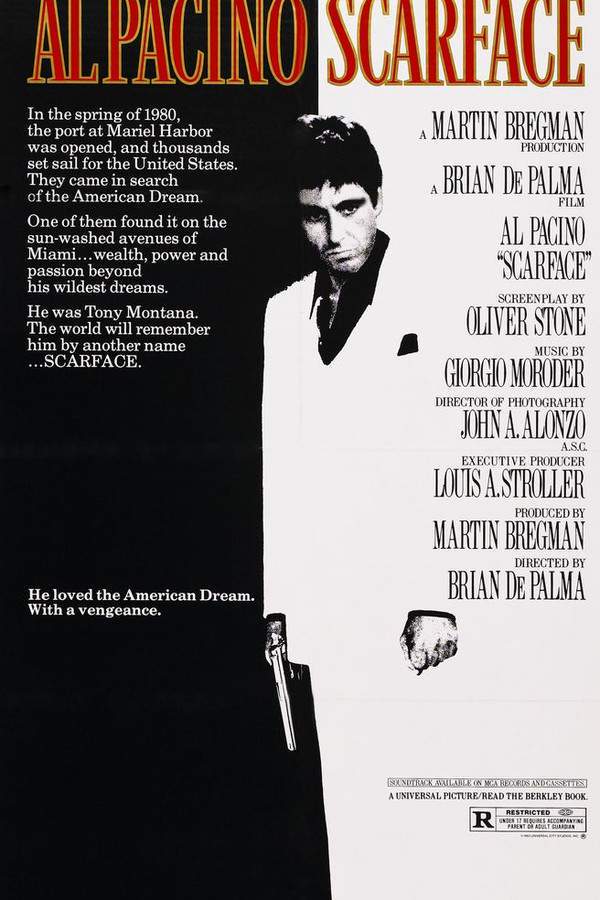
Stories where defeating a great evil comes at a profound personal price. For viewers who appreciated the complex, costly ending of The Untouchables, this collection features similar crime and drama films where justice is achieved but at a heavy personal toll. These stories explore the theme that defeating a villain doesn't always mean a clean, happy ending.
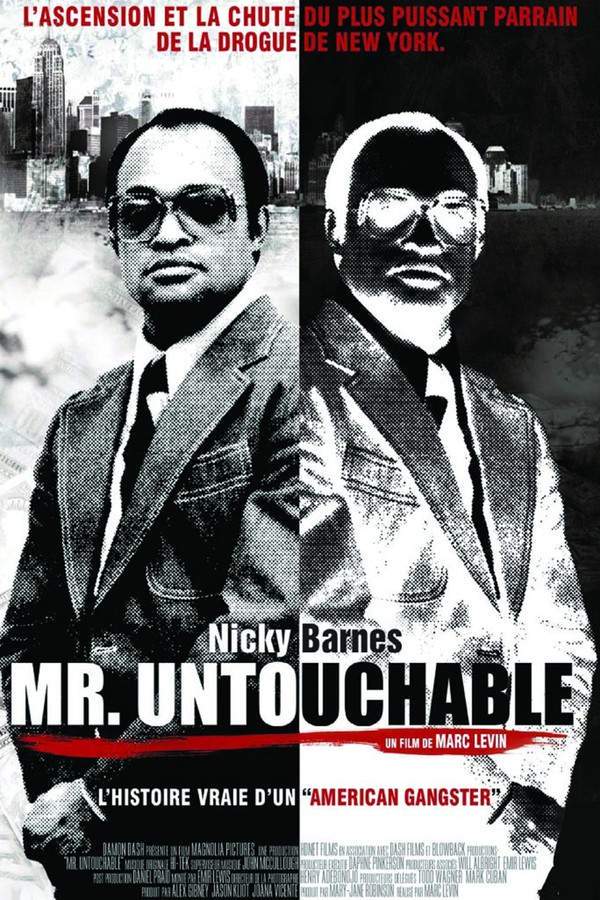
  • bittersweet
  • grim
  • heavy
  • determined
  • solemn
  • costly victory
  • Tone: bittersweet, grim, heavy
  • Pacing: steady to fast
Why these movies?

The story pattern: The narrative arc follows a clear goal—to bring down a villain—but the path is littered with trauma, sacrifice, and ethical compromises. The climax often involves a legal or tactical technicality rather than a straightforward moral victory. The ending reflects on the scars left by the battle, emphasizing the personal toll over the public success.

Why they belong together: These films are connected by their bittersweet emotional conclusion. Despite the protagonist's success, the ending carries a heavy weight of loss, sacrifice, or moral ambiguity. This shared feeling of a Pyrrhic victory, where the cost of winning is deeply felt, creates a coherent and poignant viewing experience.
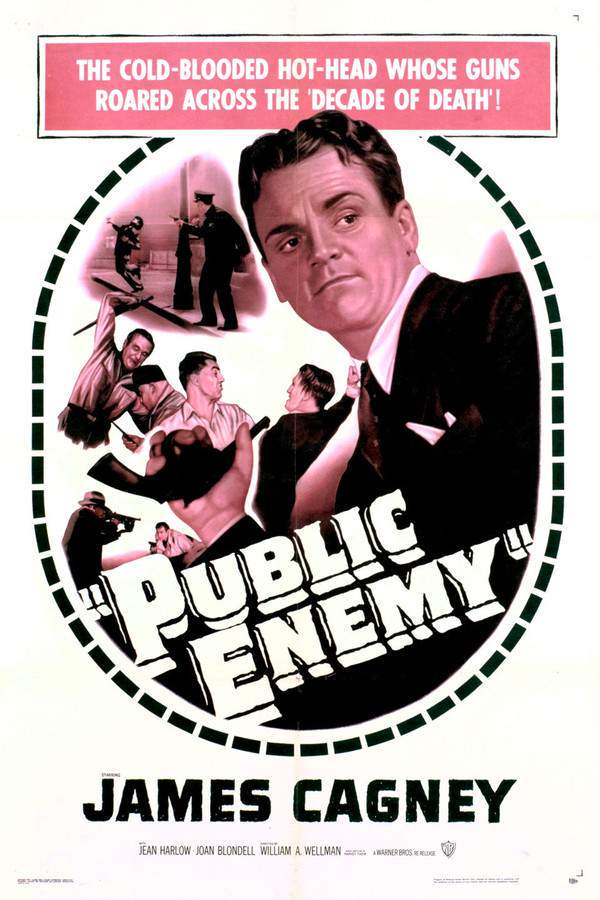
If you liked this

Movies Like The Untouchables

Similar movies to The Untouchables: the same genre, themes or kind of story. Each one comes with its own plot summary, timeline and ending explained.

Browse all movie summaries

Every angle

The Untouchables (1987) Explained: Plot, Timeline & Characters

Everything about The Untouchables in one place: what happens in the plot summary, the timeline in chronological order, the characters and meaning and a spoiler-free summary. What's After the Movie adds the cast, box office and post-credit scenes.

Coming soon on iOS and Android

The Plot Explained Movie Summary App

Plot summaries, endings explained and timelines on your phone. Catch up on any movie in minutes, save your favorites and never miss a twist again.
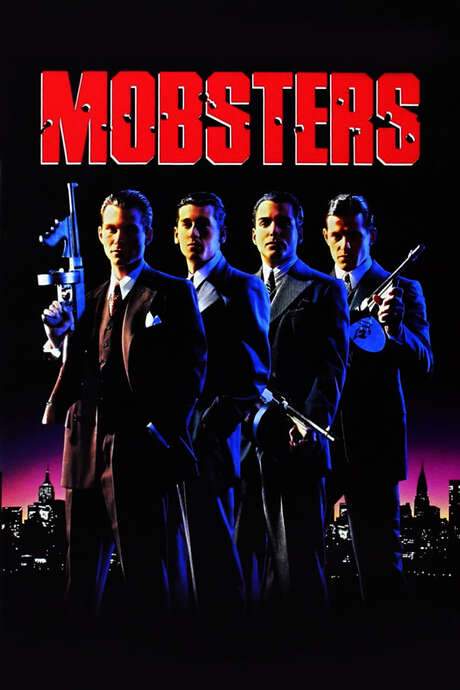
Be the first to know when we launch. Your email stays private, always.

Learn more about the app