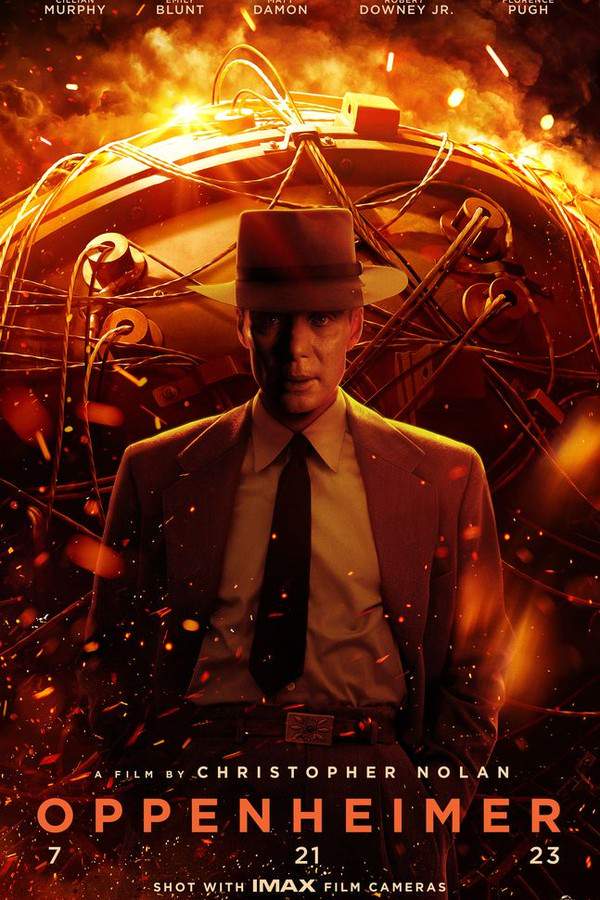
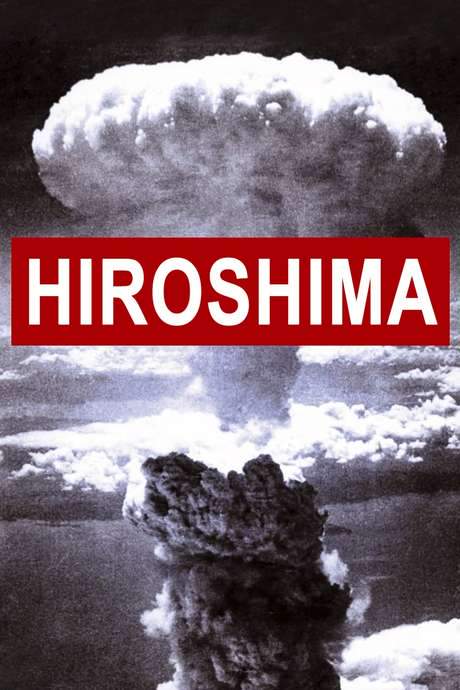
In a stark, newsreel‑style opening the film presents a world on the brink of a scientific revolution, where the discovery of atomic energy is treated as a forbidden door that could reshape humanity. The narrative frames this breakthrough against the backdrop of a global war, hinting at the soaring aspirations and looming dread that accompany such power. Through a blend of dramatized reenactments and authentic archival footage, the mood is both reverent and unsettling, inviting viewers to contemplate the cost of knowledge before the story truly unfolds.
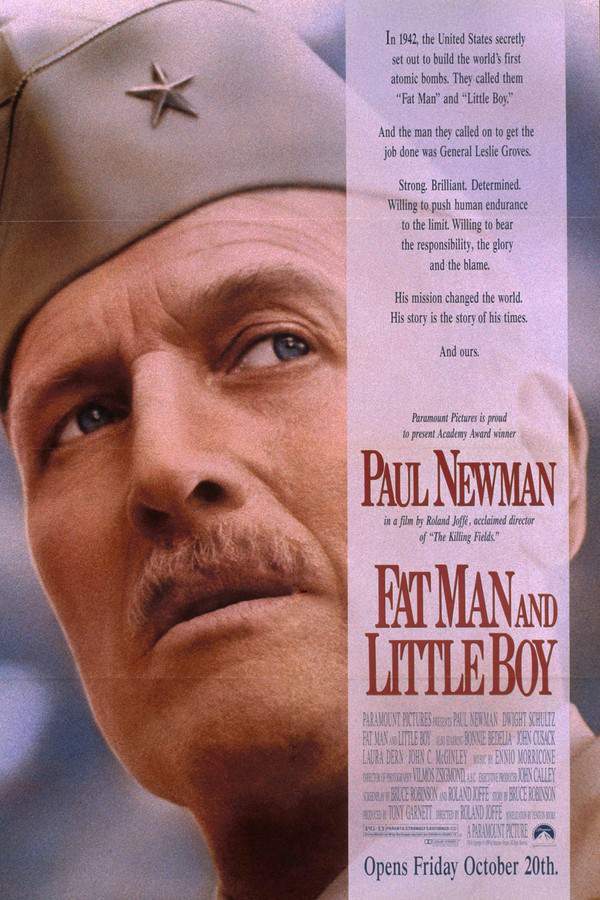
At the heart of the endeavor stands Dr. J. Robert Oppenheimer, a physicist whose measured awe for the atom is matched by a quiet warning about its dangers. He works alongside a cadre of brilliant but uneasy minds, including Matt Cochran, a young scientist thrust into the project’s inner circle, and Lieutenant Colonel Jeff Nixon, the military officer tasked with translating laboratory triumphs into strategic realities. Overseeing the sprawling enterprise is General Leslie Groves, whose decisive, bureaucratic drive pulls together scientists, industry leaders, and the armed forces. Their interactions reveal a fragile alliance built on urgency, secrecy, and the ever‑present tension between curiosity and responsibility.
The political arena adds an equally weighty layer of intrigue. Presidents and policymakers, first Franklin D. Roosevelt and later Harry S. Truman, allocate unprecedented resources, turning the scientific quest into a national priority. Within the corridors of power, figures such as Jean O'Leary and the Cochran family illustrate the personal stakes that accompany the monumental effort, reminding us that behind every technical milestone lie intimate lives reshaped by secrecy and moral doubt. The film delicately balances these high‑level decisions with the quieter, human moments that echo throughout the laboratory halls.
Stylistically, the movie weaves together period newsreels, meticulous set pieces, and stark documentary aesthetics, creating a contemplative atmosphere that feels both historic and immediate. The tone is one of sober wonder, inviting the audience to linger on the paradox of a breakthrough that promises both salvation and annihilation. By focusing on the collaborative spirit, the ethical quandaries, and the lingering question of how humanity ought to wield such unprecedented power, the story sets the stage for a profound exploration of ambition, responsibility, and the shadows cast by a discovery that changed the course of history.