Plot Explained Spoilers guaranteed!
Plot Explained

Browse by genre

The Beginning or the End (1947) movie poster

Timeline

The Beginning or the End (1947) Timeline Explained – Every Event in Order

Release, runtime and language
1947 · 112 mins · English
Directed by
Norman Taurog
Starring
Hume Cronyn, John Litel, Godfrey Tearle, Henry O'Neill, Hurd Hatfield, Richard Haydn

It uncovers a forbidden door that hides a terrifying secret, following the scientific quest, political intrigue and moral dilemmas behind the research, development and deployment of the first atomic bomb and its catastrophic bombing of Hiroshima, all portrayed with dramatized reenactments and archival material.

On this page (5)
  1. 1 Events in order (14)
  2. 2 Timeline questions answered
  3. 3 Movie threads
  4. 4 Movies like The Beginning or the End
  5. 5 Every angle

14 events in order · contains spoilers

The Beginning or the End Timeline: Events in Chronological Order

Every key event of The Beginning or the End (1947) in order, scene by scene, with when and where it takes place. Use it to untangle flashbacks, time jumps and parallel storylines, to refresh your memory before the sequel or to find the exact scene you are thinking of.

  1. Newsreel prologue and time capsule premise

    A newsreel-style prelude presents the film as part of a package about atomic energy. It notes that the atomic bomb is sealed in a time capsule buried in California, to be opened in 2446. The sequence frames the rest of the story as a documentary-style account of scientific power and its consequences.

    When
    2446
    Where
    California
  2. Oppenheimer praises and warns about atomic energy

    Physicist J. Robert Oppenheimer extols the discovery of atomic energy as a milestone in science. He also warns of the tremendous danger if the power is misused. His stance sets up the film's moral tension between scientific achievement and potential catastrophe.

  3. Einstein assists in briefing Roosevelt

    Albert Einstein helps frame the briefing to the President about the monumental discovery. The scene underscores the alliance between theoretical breakthroughs and wartime urgency. It signals the government's growing interest in pursuing a nuclear program.

    When
    early 1940s
    Where
    White House
  4. Cochran informs Roosevelt about the discovery

    A team including Matt Cochran and other leading physicists informs the President that a monumental scientific breakthrough has been achieved. They outline the potential military applications and stress the wartime urgency driving the effort.

    When
    1941-1942
    Where
    White House
  5. Roosevelt authorizes funding for the Manhattan Project

    In 1941, Roosevelt approves up to two billion dollars for the Manhattan Project. The financial commitment underpins the rapid mobilization of scientists and industry. This funding catalyzes the wartime nuclear program.

    When
    1941
    Where
    Washington, D.C.
  6. First nuclear chain reaction achieved at the University of Chicago

    In December 1942, scientists achieve the first controlled chain reaction beneath a stadium at the University of Chicago. Lieutenant Colonel Jeff Nixon and international observers witness the milestone, which demonstrates the feasibility of a fission-based weapon. The success validates the core scientific concept behind the project.

    When
    December 1942
    Where
    University of Chicago
  7. Nixon is assigned to General Groves

    Lieutenant Colonel Jeff Nixon is assigned to General Leslie Groves, the project chief overseeing the effort. Nixon's role becomes essential for coordinating researchers, engineers, and military components. The assignment links military oversight with scientific teams.

    When
    1942
  8. Groves consolidates the project across communities

    Groves leads an effort to consolidate scientists, industry, and defense into a cohesive development program. He works to overcome bureaucratic obstacles and keeps momentum toward weapon production. This centralized leadership is crucial for rapid progress.

    When
    1942-1943
  9. Roosevelt dies; Truman takes office and Manhattan Project moves to Los Alamos

    In 1945, President Roosevelt dies and Harry S. Truman assumes office. Truman continues support for the project, which is relocated to Los Alamos, New Mexico. The move concentrates the effort in a single, specialized site for weapon development.

    When
    1945
    Where
    Los Alamos, New Mexico
  10. Truman authorizes use of atomic bomb against Japan

    Facing stiff resistance in the Pacific War, Truman orders the use of the atomic bomb against Japan in July 1945. The decision accelerates the war toward its conclusion and marks the onset of a new era in military technology. It puts the weapon from the lab into imminent combat use.

    When
    July 1945
    Where
    Pacific Theater, Japan
  11. Cochran and Nixon escort the bomb to Tinian

    Cochran and Nixon join the crew transporting the bomb to Tinian Island for final assembly. The mission highlights the logistical scale and urgency of preparing the weapon for deployment. It marks a transition from development to operational readiness.

    When
    August 1945
    Where
    Tinian
  12. Cochran is exposed to radiation and dies

    While assembling the device, Cochran comes into contact with radioactive material and dies. His death underscores the fierce human costs hidden within the scientific race. The tragedy personalizes the broader narrative of wartime technological pursuit.

    When
    August 1945
    Where
    Tinian
  13. The Enola Gay drops the bomb on Hiroshima

    On August 6, 1945, the Enola Gay drops an atomic bomb on Hiroshima. The bombing demonstrates the weapon's extraordinary destructive power and drives the world toward the war's end. It also triggers a moral and humanitarian reckoning that shapes postwar discourse.

    When
    August 6, 1945
    Where
    Hiroshima, Japan
  14. Nixon informs Cochran's wife back home

    Nixon returns home to break the news of Cochran's death to Cochran's wife. The moment personalizes the war, juxtaposing scientific achievement with personal tragedy. It emphasizes the human cost behind the monumental scientific endeavor.

    When
    August 1945
    Where
    Cochran's home

Last updated: October 14, 2025 at 04:08

Was this helpful?

Timeline questions answered

The Beginning or the End Timeline Explained: Your Questions Answered

When does it happen, and why in that order? The questions people ask about the chronology of The Beginning or the End (1947): time jumps, flashbacks, cause and effect between scenes and the correct order of events, each answered with spoilers.

Q1

Why did the United States develop the atomic bomb during World War II?

The United States pursued the atomic bomb primarily to gain a decisive military advantage over Axis powers, particularly Germany, which was also conducting nuclear research. Fearing Germany might develop the weapon first, President Roosevelt authorized up to two billion dollars for the Manhattan Project. The film depicts how the scientific breakthrough represented both a race against the enemy and a means to potentially end the war in the Pacific.

Foreshadowing: The newsreel opening establishes atomic energy as a discovery with the power to reshape history, setting up the urgency that drives the entire project.

  • Manhattan Project
  • World War II
  • atomic bomb
  • Roosevelt
  • nuclear research
Q2

How did the first controlled nuclear chain reaction work in the film?

The film depicts the first controlled nuclear chain reaction occurring in December 1942 beneath the University of Chicago's Stagg Field. Scientists, including Dr. Enrico Fermi, achieved a self-sustaining reaction by creating a critical mass of uranium that produced controlled fission. This moment proved the scientific concept behind the atomic bomb was feasible and validated years of theoretical work.

Foreshadowing: Earlier scenes established Oppenheimer's theoretical breakthrough and the urgent race against Germany's potential progress.

  • Enrico Fermi
  • Chicago
  • nuclear chain reaction
  • uranium
  • fission
Q3

Why was the atomic bomb dropped on Hiroshima?

The film depicts President Truman authorizing the bomb's use against Japan in July 1945 following stiff Pacific resistance. The bombing occurred on August 6, 1945, with the goal of forcing Japan's surrender and ending the war without a costly invasion. The decision represented the convergence of military strategy, wartime urgency, and the belief that the weapon's destructive power would compel Japan to capitulate.

Foreshadowing: The escalating Pacific front and the massive casualties from conventional warfare set the stage for this consequential decision.

  • Hiroshima
  • Truman
  • Japan
  • Enola Gay
  • atomic bombing
Q4

What happened to Matt Cochran in the film?

Matt Cochran, a scientist working on the Manhattan Project, dies after being exposed to radioactive material during the bomb's final preparation on Tinian Island in August 1945. His death occurs just before the bomb is loaded onto the Enola Gay, personalizing the human cost of the scientific endeavor. Lieutenant Colonel Jeff Nixon later returns home to inform Cochran's wife of his tragic death.

Foreshadowing: Earlier scenes showed Cochran working closely with Nixon on assembling the device, building the personal connection that makes his death emotionally significant.

  • Matt Cochran
  • radiation
  • Tinian
  • death
  • scientist
Q5

What moral dilemmas did the scientists face while developing the atomic bomb?

The film presents scientists grappling with the profound ethical implications of their work. Oppenheimer notably expresses both reverence for the scientific breakthrough and warning about its dangers. The tension between scientific curiosity, wartime patriotism, and awareness of the bomb's devastating potential creates an undercurrent of moral conflict throughout the narrative. Scientists had to reconcile their pursuit of knowledge with the knowledge that their creation could cause mass civilian casualties.

Foreshadowing: Oppenheimer's opening speech sets up this central tension between scientific achievement and potential catastrophe.

  • Oppenheimer
  • moral dilemma
  • scientists
  • ethics
  • conscience
Q6

How did General Leslie Groves contribute to the Manhattan Project?

General Leslie Groves was appointed to unify scientists, industrial partners, and the military into a single coordinated effort. The film depicts him consolidating the project across multiple communities, overcoming bureaucratic obstacles, and maintaining momentum toward weapon production. His leadership represented the intersection of military oversight and scientific research, enabling the rapid development that culminated in the weapon's deployment.

Foreshadowing: Nixon's assignment to Groves early in the film establishes the military chain of command that drives the project forward.

  • General Groves
  • military
  • leadership
  • Manhattan Project coordination
Q7

How did President Truman's leadership affect the atomic bomb's deployment?

After Roosevelt's death in 1945, President Harry S. Truman assumed oversight of the Manhattan Project and authorized the use of the atomic bomb against Japan. The film shows Truman continuing the project's support and making the final decision to deploy the weapon. This shift in leadership marked the transition from development to combat use, with Truman bearing responsibility for the most consequential military decision of the war.

Foreshadowing: Roosevelt's authorization of funding and the project's momentum carry through to Truman's assumption of command.

  • Truman
  • Roosevelt
  • presidential decision
  • wartime leadership
Q8

What was Albert Einstein's role in the Manhattan Project?

The film depicts Albert Einstein assisting in briefing President Roosevelt about the nuclear discovery and its potential military applications. While Einstein's theoretical work underpinned the science, the film shows him in an advisory capacity rather than as a direct participant in the weapon's development. His involvement underscores the gravity of the discovery and helps frame the scientific breakthrough for political leadership.

Foreshadowing: Einstein's briefing connects the theoretical physics community to the wartime urgency driving the project.

  • Einstein
  • briefing
  • physics
  • theoretical science
Q9

How did the film portray the relationship between scientists and the military?

The film depicts a complex partnership between scientists seeking to understand atomic energy and military leaders focused on weaponizing it. Characters like Cochran and Nixon bridge both worlds, with scientists conducting research while military personnel handle logistics, security, and deployment. This collaboration was essential to the project's success but also created tensions between pure scientific inquiry and the urgent demands of wartime weaponry.

Foreshadowing: Early scenes showing Fermi and Cochran working alongside military officers establish this cooperative yet sometimes tense dynamic.

  • scientists
  • military
  • collaboration
  • Manhattan Project
  • nuclear research
Q10

What was the significance of the time capsule in the film's opening?

The opening newsreel sequence presents a California time capsule sealed in 1947 and destined to be opened in 2446, containing the atomic bomb as a symbol of the era's technological power. This framing device establishes the documentary-style approach and positions the entire narrative as a historical reckoning. The time capsule serves as a metaphor for the lasting consequences of nuclear technology and the questions humanity must eventually answer about its use of atomic power.

  • time capsule
  • California
  • documentary
  • historical framing

Movie threads

More Movies Like The Beginning or the End, by Mood & Story

Curated lists built around what makes The Beginning or the End tick: the same mood, the same kind of story or the same emotional payoff. Each list explains why these movies belong together.

Movies about grave responsibility and moral conflict like The Beginning or the End

Stories where progress and invention come at a devastating human cost. If you were drawn to the profound ethical struggles in The Beginning or the End, this section highlights similar movies where scientific or political progress creates an unbearable moral weight. Explore films about world-changing inventions and the personal cost of responsibility.

  • moral dilemma
  • historical weight
  • sobering
  • tragic
  • ethical burden
  • contemplative
  • Tone: tense, somber, contemplative
  • Pacing: steady, deliberate
Why these movies?

The story pattern: The narrative follows a linear or milestone-driven progression toward a pivotal, world-altering event. The core conflict is internal and external, pitting the drive for achievement against the dawning awareness of its tragic repercussions. Character arcs often involve a shift from ambition to sobering reflection.

Why they belong together: Movies in this thread share a heavy emotional weight, a tense tone, and a focus on the irreversible impact of human decisions. They are united by a central theme of moral conflict arising from progress and a bittersweet or tragic acknowledgment of the consequences.
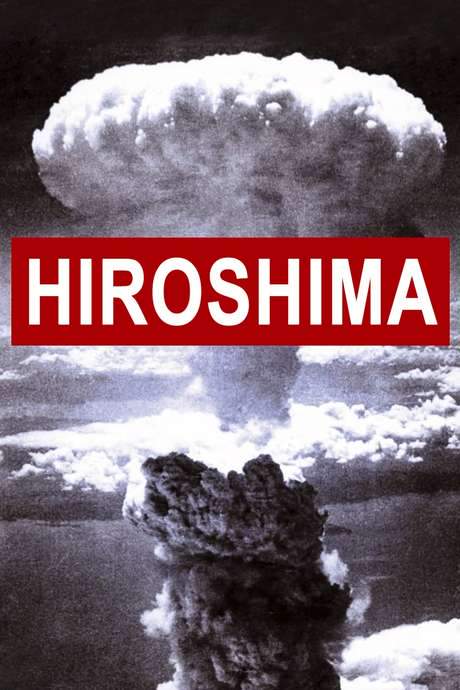
Sobering historical reckoning movies like The Beginning or the End

Dramatized accounts of pivotal, tragic events that shaped our world. For viewers who appreciated the blend of drama and history in The Beginning or the End, this section features similar movies that explore pivotal real-world events with a somber, urgent tone. Discover films that combine historical accuracy with dramatic tension to reflect on past tragedies.

  • somber
  • urgent
  • historical
  • tragic
  • documentary style
  • sobering
  • Tone: somber, urgent, tragic
  • Pacing: steady, chronological
Why these movies?

The story pattern: Narratives are typically structured around key historical events, building tension through a known outcome. They often blend factual recounting with personal, dramatized perspectives to create an intimate connection to large-scale tragedy. The journey leads to an inevitable, sobering conclusion.

Why they belong together: These films are grouped by their commitment to historical gravitas, a somber and urgent mood, and a narrative approach that balances education with deep emotional impact. They share a steady pacing that builds toward a moment of historical reckoning.

If you liked this

Movies Like The Beginning or the End

Similar movies to The Beginning or the End: the same genre, themes or kind of story. Each one comes with its own plot summary, timeline and ending explained.

Browse all movie summaries

Every angle

The Beginning or the End (1947) Explained: Plot, Timeline & Characters

Everything about The Beginning or the End in one place: what happens in the plot summary, the timeline in chronological order, the characters and meaning and a spoiler-free summary. What's After the Movie adds the cast, box office and post-credit scenes.

Coming soon on iOS and Android

The Plot Explained Movie Summary App

Plot summaries, endings explained and timelines on your phone. Catch up on any movie in minutes, save your favorites and never miss a twist again.

Be the first to know when we launch. Your email stays private, always.

Learn more about the app